Understanding Contractor Quotes for Your Home Project

You’ve finally decided to tackle that kitchen remodel or fix the persistent leak in your basement. You start calling contractors, and soon you have several quotes in hand. But instead of clarity, you feel confused. The prices vary wildly, the descriptions are vague, and you’re left wondering what you’re really paying for and who you can trust. This common scenario can lead to costly mistakes, rushed decisions, or even abandoning a necessary project, letting small issues grow into expensive, damaging problems for your home.
Understanding Construction Contractor Quotes
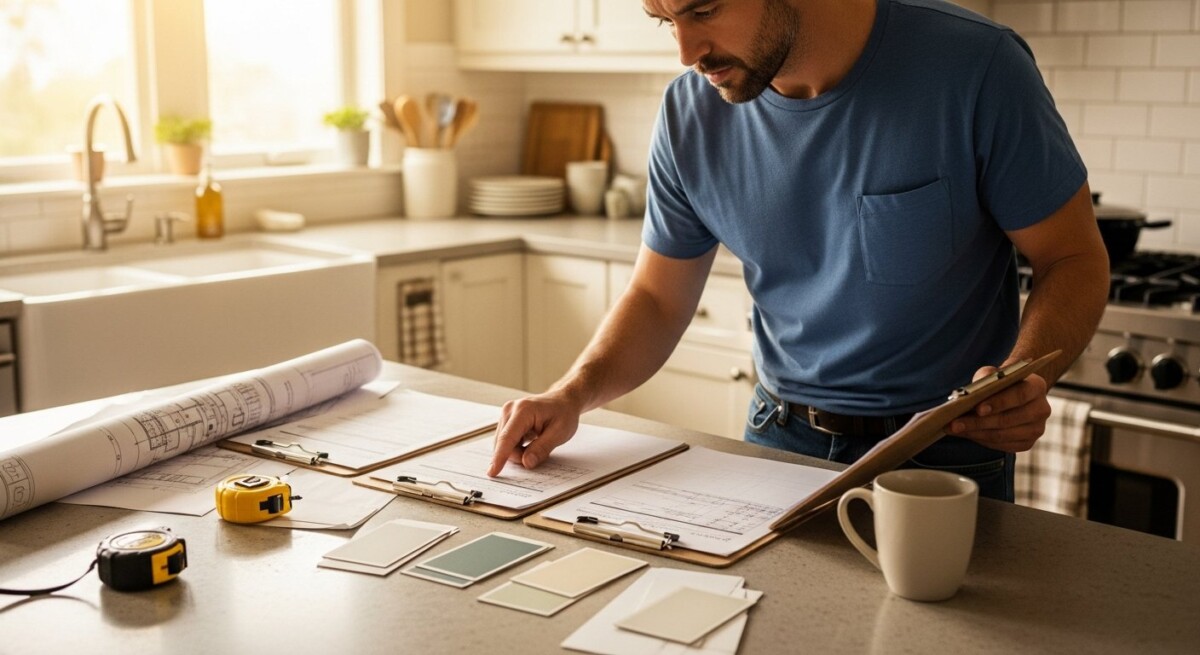
A construction contractor quote, or estimate, is a detailed proposal outlining the cost, materials, timeline, and scope of work for your home project. It’s more than just a bottom-line price. It’s a roadmap that shows you exactly what you’re getting and protects both you and the contractor.
This process happens whenever you plan a repair, renovation, or new installation. A qualified contractor will assess your specific situation, consider your goals, and provide a written document that breaks down the project. Every home is unique, so a quote for a new roof in a 50-year-old colonial will look very different from one for a modern townhouse.
What’s Included in a Good Quote?
A comprehensive quote should clearly separate labor and material costs. It lists specific products, brands, model numbers, and quantities. It also defines the project’s phases, the estimated start and completion dates, and the payment schedule. This level of detail prevents misunderstandings and ensures you can accurately compare offers from different professionals.
Why This Matters for Your Home
Getting clear, detailed quotes is not just about budgeting; it’s about protecting your biggest investment. A vague or incomplete estimate can hide costs, leading to surprise change orders and budget overruns that strain your finances. More importantly, it can indicate a contractor who cuts corners, potentially compromising the safety and longevity of the work.
Ignoring needed repairs or choosing a contractor based solely on the lowest price can have serious consequences. A poorly installed roof can lead to water damage and mold. Faulty electrical work is a fire hazard. Shoddy foundation repairs can lead to structural issues. Professional, well-quoted work safeguards your family’s safety, your home’s integrity, and its market value.
If you notice signs of this issue in your home, it may help to speak with a qualified contractor. Request a free quote or call to explore your repair or remodeling options.
Common Problems Homeowners Experience
Navigating contractor quotes can be frustrating. Homeowners often receive estimates that are impossible to compare because they lack detail or use different assumptions. You might get one number over the phone and a much higher one after an in-person visit, or discover hidden fees buried in the fine print.
These problems usually stem from unclear project definitions or contractors who are not thorough in their assessments. Without a detailed scope, you can’t be sure if a lower price means better efficiency or if critical steps are being omitted. This uncertainty can delay your project and leave you feeling vulnerable.
- Receiving a “ballpark” figure over the phone with no site visit.
- Quotes that are just a single total price with no itemization.
- Vague descriptions like “repair bathroom” instead of “replace shower valve, install new tile, and install exhaust fan.”
- Not specifying brands, grades, or models of materials (e.g., “flooring” vs. “Brand X Oak Engineered Hardwood, 500 sq ft”).
- Omitting costs for permits, disposal, or site cleanup.
- Unclear payment terms that require large upfront deposits.
How Professionals Solve the Problem
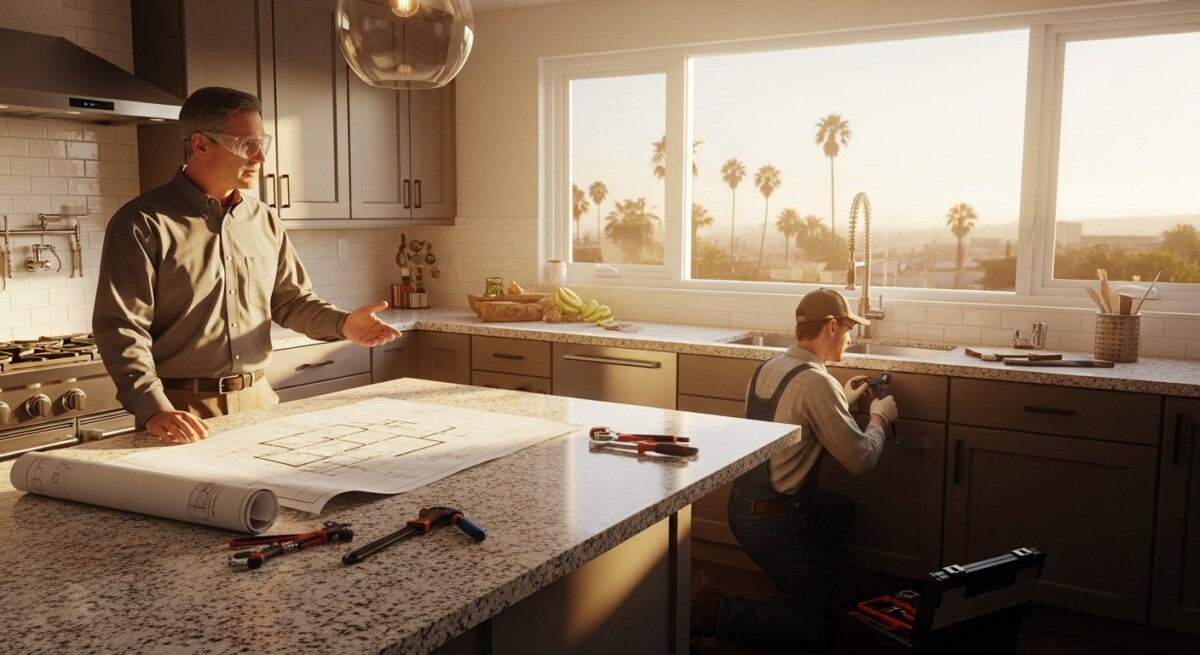
A reputable contractor views the quote as the foundation of a successful partnership. They take the time to understand your needs, inspect the problem area thoroughly, and explain their plan clearly. Their goal is to provide a transparent, realistic estimate that sets accurate expectations and builds trust from the very beginning.
Professional work follows a defined process that ensures quality and accountability. This approach is far safer and more reliable than DIY attempts for complex jobs, as licensed contractors carry insurance, know building codes, and have the experience to anticipate and solve problems before they affect your home.
- Consultation & Site Visit: The contractor meets with you, discusses your goals, and inspects the project area to understand all variables.
- Detailed Scope Development: They define every task, from demolition to final cleanup, and select specific materials.
- Accurate Pricing: Labor hours, material costs, subcontractor fees, permits, and overhead are all calculated to create a firm price.
- Proposal Delivery: You receive a clear, written document outlining all the above, plus timelines and warranty information.
- Review & Agreement: A good contractor will walk you through the quote, answer questions, and only begin work once you fully understand and approve it.
A professional inspection can reveal hidden issues before they become expensive repairs. Compare contractor quotes here or call to discuss your project.
Warning Signs You Should Not Ignore
When reviewing a contractor’s quote, certain red flags should prompt you to look elsewhere. These signs often point to a lack of professionalism that could lead to project nightmares. Trust your instincts,if something feels off in the estimate, it likely will be off in the execution.
Acting on these warning signs early can save you from financial loss, legal headaches, and subpar workmanship. A trustworthy contractor is proud of their detailed process and happy to provide clarity. For a deeper dive into evaluating proposals, our guide on getting free home contractor quotes online offers more detailed checklists.
- The contractor pressures you to sign immediately, often with a “today-only” discount.
- They ask for cash payment only or a very large deposit (more than 10-30%) before any work begins.
- They are reluctant to put everything in writing or provide a formal contract.
- The quote lacks a license number, insurance details, or physical business address.
- They cannot provide references from recent, similar projects.
- The estimated timeline seems unrealistically short compared to other quotes.
What Affects the Cost of Repairs or Installation
Understanding what drives the price in a contractor quote helps you make sense of the numbers. It’s rarely just about the size of the room or the type of fixture. Multiple factors combine to create the final estimate, which is why personalized quotes are so essential.
Two identical-looking projects can have vastly different costs based on unseen conditions. An experienced contractor will identify these variables during their assessment, ensuring the quote reflects the true scope of work and preventing mid-project surprises.
- Project Scope & Complexity: A simple faucet replacement is far less than re-piping an entire bathroom.
- Material Quality: Builder-grade cabinets cost less than custom, solid-wood cabinetry.
- Labor Intensity: Intricate tile patterns or hard-to-access work areas require more time and skill.
- Home Age & Condition: Older homes often have outdated systems (wiring, plumbing) that must be brought to code, adding cost.
- Permits & Inspections: Local regulations may require permits, which have fees and add time.
- Geographic Location: Labor and material costs vary by region and city.
Costs can vary depending on the condition of your home. The best way to know the price is to get a personalized estimate. Request free quotes from contractors or call today.
How to Choose the Right Contractor
With detailed quotes in hand, your decision becomes much clearer. You’re no longer just comparing prices; you’re comparing value, professionalism, and peace of mind. The right contractor will feel like a partner who listens, communicates, and has the expertise to bring your vision to life safely and efficiently.
Take your time in this selection phase. The few extra days spent vetting contractors can prevent months of stress and costly corrections. A thorough quote is your first indicator of how the entire project will be managed.
- Verify Licenses and Insurance: Confirm they are licensed for your type of work and carry both liability and workers’ compensation insurance.
- Check Reviews and References: Read online reviews and, crucially, call past clients to ask about their experience.
- Compare Detailed Estimates: Ensure you are comparing apples to apples by reviewing the line-item details, not just the bottom line.
- Assess Communication: Choose someone who is responsive, answers your questions clearly, and makes you feel comfortable.
- Review the Contract: Before signing, ensure the final contract includes everything from the quote, including payment schedule, timeline, and warranty information.
Long-Term Benefits of Professional Work
Investing in a professional contractor who provides a thorough quote pays dividends long after the project is complete. Quality workmanship with proper materials stands the test of time, performing as expected and requiring minimal maintenance. This durability protects your investment and saves you money on future repairs.
Beyond durability, professional work enhances your daily life and your home’s financial value. It ensures systems operate efficiently, potentially lowering utility bills. It also adds to your home’s appeal and safety, making it a more secure and valuable asset when it comes time to sell. The initial effort of gathering and comparing detailed quotes is a small step that leads to major, lasting rewards.
How long does it take to get a contractor quote?
Most reputable contractors will want to see your project in person before providing a quote. After an initial call, expect a site visit within a few days to a week. A detailed, written quote is typically delivered within a few days to a week after that visit, depending on the project’s complexity.
Should I always choose the lowest quote?
Not necessarily. The lowest quote may exclude necessary work, use inferior materials, or be based on inaccurate assumptions. It’s crucial to compare the scope, materials, and professionalism behind each number. Often, a mid-range quote from a highly-recommended contractor offers the best long-term value.
What’s the difference between an estimate and a quote?
An estimate is often a preliminary, approximate price. A quote (or bid) is typically a fixed-price offer for the specified work. Always ask for a fixed-price quote for your project to avoid cost overruns, and ensure it’s detailed enough to be legally binding as part of your contract.
What questions should I ask when reviewing a quote?
Ask about what is NOT included, the warranty on both labor and materials, who will be the on-site supervisor, the daily work schedule, how change orders are handled, and how debris and cleanup will be managed. A good contractor will have clear answers.
How many quotes should I get?
It’s generally recommended to get at least three detailed quotes. This gives you a good range for comparison in terms of price, approach, and professionalism. Getting more than five can become overwhelming and time-consuming for both you and the contractors.
Do I need a contract if I have a detailed quote?
Yes. The detailed quote should be incorporated into a formal contract. The contract adds crucial legal protections, including the payment schedule, start/end dates, procedures for handling disputes, and confirmation of licenses and insurance. Never start work without a signed contract.
Taking the time to understand and compare construction contractor quotes is one of the most important steps in any home project. It transforms uncertainty into a clear plan, protects your budget and your home, and sets the stage for a successful partnership with a professional. By addressing issues early and choosing a contractor based on detailed value, not just price, you invest in the long-term safety, comfort, and value of your home. Start by requesting a few detailed quotes to understand your options and move forward with confidence.