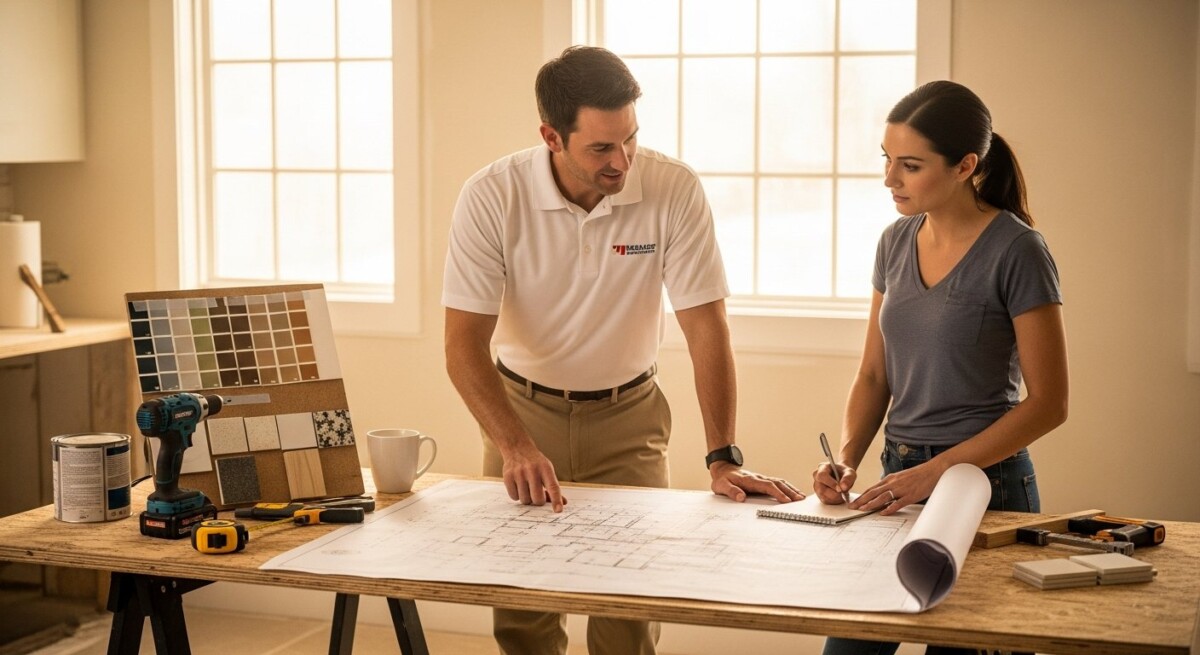
Understanding General Contractor Quotes for Home Projects
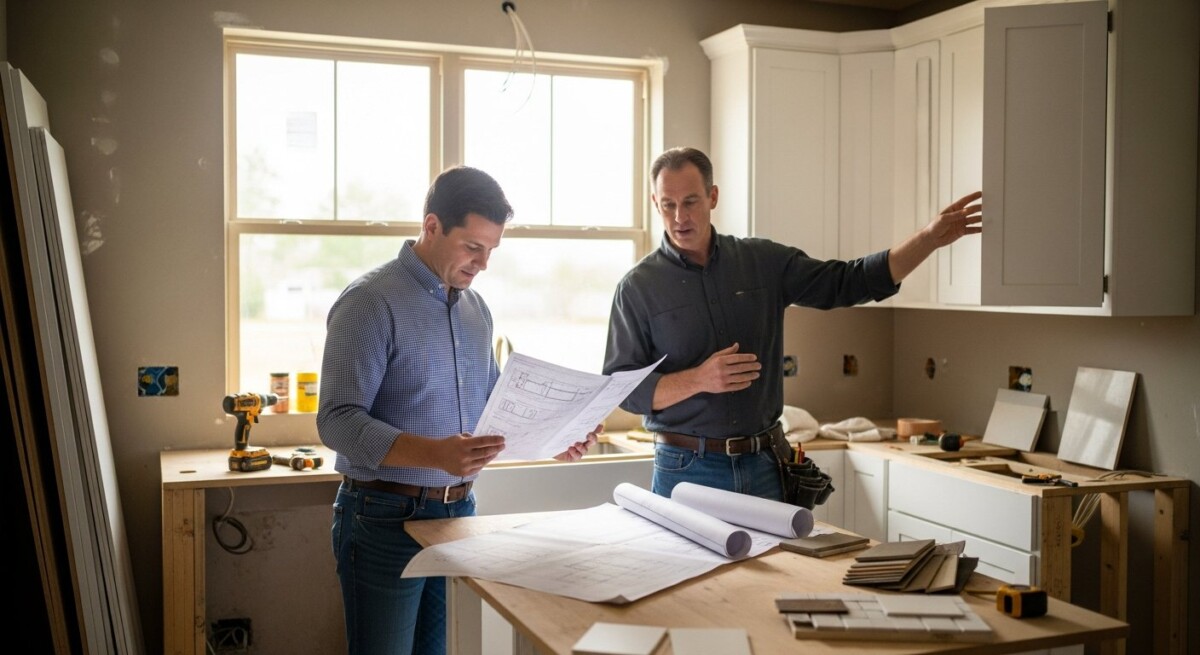
You’ve finally decided to tackle that home renovation or repair. Maybe it’s a kitchen that feels stuck in the 90s, a bathroom with persistent leaks, or a dream addition for more space. You start searching for “general contractor near me quotes,” and suddenly you’re faced with a confusing range of numbers, vague descriptions, and the nagging worry of making a costly mistake. This initial step, meant to bring clarity, can often feel overwhelming, leaving you unsure of what a fair price really is or which contractor you can trust with your biggest investment.
Understanding General Contractor Near Me Quotes
A general contractor quote is a detailed proposal for your project’s cost, timeline, and materials. It’s more than just a price tag; it’s a roadmap. When you request quotes, you’re inviting professionals to assess your specific needs and provide a plan to achieve them.
This process happens because every home and project is unique. A quote translates your vision,whether it’s a simple repair or a full remodel,into a concrete plan with associated costs. It accounts for labor, materials, permits, and the contractor’s expertise in managing the entire process.
All homes benefit from clear quotes, but they are especially crucial for older homes where hidden issues are common, or for complex projects involving multiple trades like plumbing, electrical, and carpentry.
Why This Matters for Your Home
Getting detailed, comparable quotes is your first line of defense against project pitfalls. A vague or incomplete estimate can lead to surprise charges later, known as change orders, which can strain your budget and timeline. Understanding the quote helps you understand the investment in your home’s future.
More importantly, the quality of the work outlined in that quote directly impacts your home’s safety, structural integrity, and value. Cutting corners on foundational repairs, electrical updates, or plumbing can create serious hazards. Professional work protects your property and your family.
If you notice signs of this issue in your home, it may help to speak with a qualified contractor. Request a free quote or call to explore your repair or remodeling options.
Common Problems Homeowners Experience
Homeowners often encounter frustrating hurdles when comparing contractor quotes. One major issue is the “apples to oranges” problem, where one quote includes high-end materials and another uses builder-grade, making a direct price comparison impossible. This lack of standardization can make decision-making difficult.
Another common challenge is scope creep, where unforeseen problems emerge mid-project. A quote that doesn’t account for potential hidden issues,like rot behind walls or outdated wiring,can leave you financially unprepared. This is why detailed quotes and experienced contractors are vital.
- Vastly different price ranges for seemingly the same project.
- Vague descriptions like “install bathroom” without specifics on fixtures, tiles, or plumbing.
- Quotes that exclude critical costs like permits, dumpsters, or final cleanup.
- Unrealistically low bids that may signal inexperience or the use of subpar materials.
- Difficulty understanding the breakdown between labor and material costs.
- Contractors who are reluctant to provide a written, detailed quote at all.
How Professionals Solve the Problem
A reputable general contractor doesn’t just give you a number; they provide a solution. They start with a thorough consultation to understand your goals, budget, and concerns. Their expertise allows them to foresee challenges and plan accordingly, which is reflected in a comprehensive quote.
Professional work is safer and more reliable because contractors bring licensed tradespeople, knowledge of building codes, and proper insurance. They manage the sequence of work, coordinate subcontractors, and obtain necessary permits, turning a stressful process into a managed project. For more on what makes a contractor trustworthy, our guide on finding a trusted general contractor covers key traits to look for.
- Initial Consultation & Site Visit: The contractor assesses the project scope, takes measurements, and discusses your vision.
- Detailed Planning: They create a plan, select materials, and identify any potential structural or code issues.
- Quote Preparation: A formal quote is drafted, itemizing labor, materials, permits, timeline, and payment schedule.
- Review & Agreement: You review the quote, ask questions, and upon approval, sign a contract that details everything.
- Project Management: The contractor oversees all work, handles problems, and ensures the project stays on track and to code.
A professional inspection can reveal hidden issues before they become expensive repairs. Compare contractor quotes here or call to discuss your project.
Warning Signs You Should Not Ignore
Sometimes, the need for a contractor isn’t about a want, but a need. Certain household issues signal that professional help is required to prevent minor damage from becoming a major, costly disaster. Ignoring these signs rarely makes them go away; it usually makes them worse.
Early action is always less expensive than emergency repairs. Addressing a small water leak quickly, for example, can prevent thousands in structural damage and mold remediation. A professional can diagnose the root cause, not just the symptom.
- Persistent water stains on ceilings or walls, indicating a leak.
- Cracks in foundation walls or above doorframes that are widening.
- Sagging rooflines or floors, suggesting structural concerns.
- Outdated electrical systems (e.g., knob-and-tube wiring, frequent breaker trips).
- Windows or doors that stick or won’t close, signaling foundation shift.
- Any suspected mold growth or chronic moisture issues in basements or crawl spaces.
What Affects the Cost of Repairs or Installation
Understanding what goes into a quote helps you evaluate them fairly. The biggest factors are the project’s size and complexity. A whole-house remodel will naturally cost more than updating a single room. However, complexity,like moving plumbing walls or dealing with historic home materials,can also significantly impact price.
Material choices create a wide cost range. Cabinets, countertops, flooring, and fixtures all have budget to luxury options. Labor costs depend on the skill required and local rates. Finally, the age and condition of your home play a role; older homes often require more preparatory work to meet modern standards.
Costs can vary depending on the condition of your home. The best way to know the price is to get a personalized estimate. Request free quotes from contractors or call today.
How to Choose the Right Contractor
Your choice of contractor is as important as the quote itself. The lowest price isn’t always the best value if it comes with poor communication, shoddy work, or unexpected fees. Your goal is to find a balance of fair pricing, proven experience, and professional reliability.
Take your time during this selection process. A good contractor will welcome your questions and provide clear, patient answers. They should make you feel confident that they understand your home and your vision. Verifying their credentials is a non-negotiable first step, which we detail in our resource on finding insured contractors near you.
- Verify they are licensed, bonded, and carry both liability and workers’ compensation insurance.
- Read recent customer reviews and ask for references from past clients with similar projects.
- Request a detailed, written estimate that clearly outlines the scope of work and materials.
- Compare at least three quotes to understand the market rate for your project.
- Ask about their experience with projects like yours and request to see a portfolio.
Long-Term Benefits of Professional Work
Investing in professional contracting work pays dividends long after the project is complete. First and foremost, it ensures safety. Proper electrical work prevents fires, sound structural repairs protect your family, and correct plumbing installation avoids water damage and mold.
Quality work also means durability. Things are built to last, reducing the need for costly repairs or callbacks. Furthermore, modern updates often improve energy efficiency, lowering utility bills. Ultimately, professional renovations and repairs protect and increase your home’s market value, making it a wise financial investment as well as a personal one.
What should a general contractor quote include?
A thorough quote should include a detailed description of work, a list of materials with brands/grade, a project timeline, a total cost breakdown, a payment schedule, and information on warranties. It should also specify who is responsible for obtaining permits.
How many contractor quotes should I get?
It’s wise to get at least three detailed quotes. This gives you a good range for comparison on price, approach, and professionalism. Fewer might not show you the full market, and many more can become confusing and time-consuming.
Why are some contractor quotes so much lower than others?
A very low quote can be a red flag. The contractor may be using lower-quality materials, cutting corners on labor, not factoring in all costs, or lacking proper insurance. Always scrutinize the details of the lowest bid carefully before accepting.
Is it okay to ask a contractor to match a lower quote?
You can discuss price differences, but focus on comparing the scope and materials. Ask the higher-quoted contractor if there are areas to adjust specifications to meet your budget. Simply asking for a price match without comparing details may lead to reduced quality.
What’s the difference between an estimate and a quote?
An estimate is a rough, non-binding guess of costs, often given before a full assessment. A quote (or bid) is a formal, fixed-price offer for the specified work. For planning purposes, you want a firm quote, not just a rough estimate.
Should a contractor charge for a quote?
For standard projects, most reputable contractors provide free quotes. For very large, complex, or custom design-build projects, a consultation or design fee might be charged, often credited toward the project if you proceed. This should be disclosed upfront.
How long does it take to get a contractor quote?
For most projects, you should receive a written quote within a week of the initial site visit. Complex projects may take longer. If a contractor is unresponsive during the quoting process, it may indicate how they communicate during a project.
Can I negotiate a contractor’s quote?
Yes, there is often room for discussion. The best approach is to be upfront about your budget and ask if there are areas to adjust material choices or project scope to reduce costs. Avoid aggressive haggling on labor rates, as quality craftspeople deserve fair pay.
Taking the time to understand and compare general contractor quotes is one of the most important steps in any home project. It empowers you to make an informed decision, protects your investment, and sets the stage for a successful outcome. By addressing issues early and choosing a qualified professional, you ensure your home remains a safe, valuable, and comfortable place for years to come. Start by requesting a few detailed quotes to understand your options clearly.