
What Is a Subcontractor in Construction? A Homeowner’s Guide
A clear guide explaining what a subcontractor is in construction, why it matters for your home project, and how to work successfully with your general contractor.

By Elena John
Learn more about Exterior Painting for guides, costs, and what to expect.
Compare Exterior Painting Pros Near You

Enter your ZIP code to compare top-rated local professionals and request free quotes.
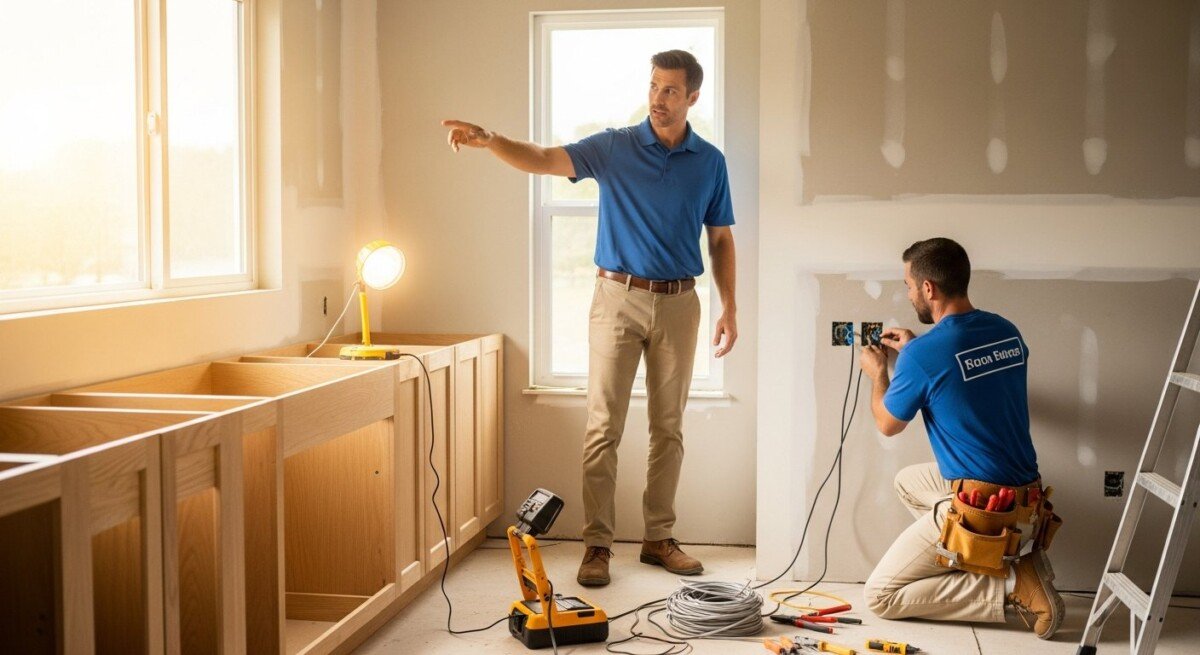
You’ve hired a general contractor for your kitchen remodel, and on the first day, a new crew shows up to handle the electrical work. You’re told they’re “subcontractors,” and suddenly you’re wondering who is really responsible for the quality and timeline of your project. This scenario is incredibly common in home construction and renovation, yet many homeowners don’t fully understand the role of subcontractors. This gap in knowledge can lead to confusion, miscommunication, and even project delays if issues arise. Understanding what a subcontractor is and how they fit into your project is crucial for protecting your investment and ensuring a smooth renovation.
Understanding What Is a Subcontractor in Construction
In simple terms, a subcontractor is a specialist hired by your general contractor to perform a specific part of the job. Think of your general contractor as the project manager or orchestra conductor. They oversee the entire renovation, but they bring in expert musicians,the subcontractors,to play specific instruments.
Your general contractor manages the schedule, coordinates the different trades, handles permits, and is your main point of contact. Subcontractors, often called “subs,” are the skilled experts in fields like plumbing, electrical work, HVAC, drywall, tiling, and roofing. They are brought in at specific stages to complete their specialized portion of the work.
This system is standard in the industry because it allows general contractors to assemble the best team for your unique project without having every trade on their full-time payroll. Whether you’re building a new deck, remodeling a bathroom, or finishing a basement, your project will almost certainly involve a team of subcontractors.
Why This Matters for Your Home
Knowing who is working on your home directly impacts your project’s success, your budget, and your peace of mind. When you understand the subcontractor relationship, you can ask better questions and set clearer expectations from the start.
This knowledge protects you. It clarifies the chain of responsibility. Your contract and warranty are typically with the general contractor, who is then responsible for the work of all the subcontractors they hire. This means if a tile job fails six months later, you call your general contractor, not the individual tile setter. This single point of accountability is a major benefit of working with a reputable general contractor.
If you notice signs of this issue in your home, it may help to speak with a qualified contractor. Request a free quote or call to explore your repair or remodeling options.
Common Problems Homeowners Experience
The main problems stem from a lack of clarity about roles and responsibilities. Homeowners can feel out of the loop when unfamiliar crews arrive, or they might receive conflicting information if communication breaks down between the general contractor and the subs.
Another common issue is scheduling delays. The project timeline is a complex dance. If one subcontractor (like the framer) is delayed, it pushes back every specialist after them (like the electrician, plumber, and drywaller). This domino effect is frustrating but is often a reality of construction coordination.
- Communication Gaps: Getting different answers from the subcontractor on-site and your general contractor.
- Scheduling Delays: One trade running late, which impacts the entire project timeline.
- Quality Concerns: Uncertainty about who guarantees the work of a specialist you didn’t directly hire.
- Payment Confusion: Not understanding how your payments to the general contractor flow down to the subcontractors.
- Unvetted Labor: Worrying about the qualifications and insurance of workers in your home.
- Warranty Issues: Uncertainty about who to call if a problem arises months after the project is complete.
How Professionals Solve the Problem
A reputable general contractor’s primary job is to manage these complexities for you. They act as a buffer, handling all the logistics, quality control, and communication with the subcontractor team so you don’t have to.
Their process is designed to create a seamless experience. They vet and hire trusted subcontractors they have long-standing relationships with, coordinate the detailed schedule, and inspect each subcontractor’s work before the next phase begins. This professional oversight is what you pay for, and it turns a potentially chaotic process into an organized one. For a deeper look at how this process is planned and priced, you can read our guide on understanding construction estimates.
- Vetting & Assembly: The GC selects licensed, insured, and proven subcontractors for your specific project.
- Detailed Scheduling: They create a master timeline, sequencing each trade in the correct order.
- Coordination & Communication: The GC acts as the sole point of contact, directing all subs and updating you.
- Quality Control Inspection: After each subcontractor completes their work, the GC inspects it before the next crew arrives.
- Final Walkthrough & Warranty: The GC delivers the finished project to you and stands behind all work with a single warranty.
A professional inspection can reveal hidden issues before they become expensive repairs. Compare contractor quotes here or call to discuss your project.
Warning Signs You Should Not Ignore
When hiring a contractor, certain red flags can indicate poor subcontractor management, which leads to project nightmares. Paying attention early can save you immense stress and money.
If your contractor seems hesitant to explain their process or who will be working on your home, consider it a warning. Transparency is the hallmark of a professional. Good contractors are proud of their team and are happy to explain how they ensure quality.
- No Clear Point of Contact: You’re told to communicate directly with multiple subcontractors.
- Unlicensed or Uninsured Workers: The contractor cannot provide proof of licenses and insurance for their subs.
- Constant Schedule Changes: Frequent, unexplained delays as subcontractors fail to show up.
- Cash-Only Payments Demanded: A request for cash payments, especially to subcontractors directly, is a major red flag.
- Poor Communication: Your questions about the crew or schedule are dismissed or unanswered.
- Subcontractor Complaints: Subs mention not being paid by the GC for previous work.
What Affects the Cost of Repairs or Installation
The use of subcontractors is a significant factor in your project’s overall cost. A general contractor’s quote includes their management fee on top of each subcontractor’s labor and material costs. This is not a markup to fear; it’s payment for coordination, risk management, and warranty.
Costs fluctuate based on the specialists required. A complex remodel involving electrical, plumbing, and custom carpentry will involve multiple high-skill subcontractors and cost more than a project needing just one trade. The accessibility of the work area and the current market rates for skilled labor in your region also play a huge role.
Costs can vary depending on the condition of your home. The best way to know the price is to get a personalized estimate. Request free quotes from contractors or call today.
How to Choose the Right Contractor
Your key to a successful project is choosing a general contractor who expertly manages their subcontractor network. Your due diligence should focus on how they handle this critical part of their business.
Ask direct questions about their process during interviews. A trustworthy contractor will have clear answers and documentation. They understand that an informed homeowner is a confident partner in the renovation process.
- Ask About Their Team: “Will you use subcontractors on my project? Can you tell me about your relationship with them?”
- Verify Licenses and Insurance: Ensure the GC and all their subs carry proper liability and workers’ compensation insurance.
- Request Detailed Estimates: A good estimate should break down costs by phase or trade, providing transparency.
- Check References & Reviews: Look for feedback specifically about how smooth the process was and if the schedule was maintained.
- Get Everything in Writing: Your contract should specify the GC’s responsibility for all work and workers, including subcontractors.
Long-Term Benefits of Professional Work
Investing in a contractor who properly manages skilled subcontractors pays dividends long after the project is complete. The coordination and expertise ensure the work is done correctly the first time, following all building codes and best practices.
This professional approach directly protects your home’s value and your family’s safety. Properly installed electrical systems prevent fire hazards, correctly flashed windows prevent water damage, and sound structural work ensures longevity. You also gain the significant peace of mind that comes with a single, strong warranty backed by a professional business, not a collection of individual handshake guarantees.
FAQs
What’s the difference between a contractor and a subcontractor?
A general contractor (or prime contractor) is who you hire to manage the entire project. They hold the contract with you. A subcontractor is a specialist hired by the general contractor to perform a specific task, like plumbing or electrical work. You do not have a direct contract with the subcontractor.
Am I responsible if a subcontractor gets hurt on my property?
This is a critical reason to hire insured professionals. If your general contractor and their subcontractors carry proper workers’ compensation insurance, you should not be liable. Always verify this insurance coverage before work begins to protect yourself from potential lawsuits.
Who do I pay, the general contractor or the subcontractors?
You pay only the general contractor, according to the payment schedule in your contract. The general contractor then pays the subcontractors. Never pay a subcontractor directly, unless you have specifically hired them yourself for a small, independent project.
What if I’m unhappy with a subcontractor’s work?
You address all concerns directly with your general contractor. It is their responsibility to manage quality control and ensure all work, including that done by subs, meets the standards in your contract. They must correct any deficiencies.
Can I hire my own subcontractors to save money?
You can, but then you become the general contractor. This means you take on all the management, scheduling, liability, and warranty responsibilities. For all but the smallest projects, this is a massive undertaking that most homeowners find overwhelming and risky.
How do I know if a subcontractor is qualified?
Ask your general contractor! A reputable GC will only hire licensed, insured, and vetted subcontractors. You can request that the GC provide proof of their subs’ credentials as part of your hiring decision process.
Why does my project need so many different subcontractors?
Modern construction and remodeling involve many distinct, highly skilled trades. Each requires specific training, licenses, and tools. Using specialists ensures each part of your project is done to code and to the highest standard of craftsmanship.
Understanding the role of subcontractors demystifies the construction process and empowers you to be a better partner in your own home renovation. It highlights the true value a professional general contractor provides: expert coordination, risk management, and quality assurance. By choosing a contractor who transparently manages a skilled team, you invest in a smoother process, a safer home, and a final result that lasts. If you’re planning a project, the smartest first step is to speak with qualified professionals to understand your specific needs and options.
Learn more about Exterior Painting for guides, costs, and what to expect.
Compare Exterior Painting Pros Near You
Enter your ZIP code to compare top-rated local professionals and request free quotes.