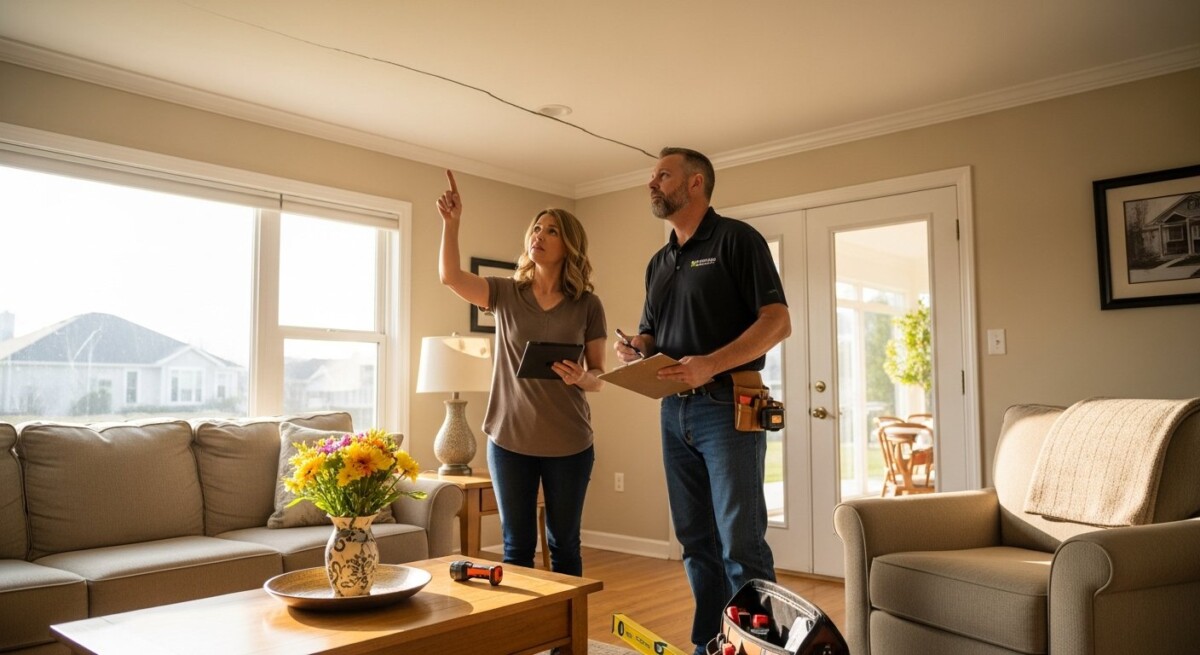
When to Hire a General Contractor for Your Home

You walk into your kitchen and see the water stain on the ceiling has grown darker. Or maybe you finally decide to tackle that bathroom renovation you’ve been dreaming about for years. In these moments, a critical question arises: should you manage this project yourself, or is it time to hire a general contractor? Many homeowners face this dilemma, trying to balance budget, time, and the sheer complexity of home projects. Ignoring the signs that you need professional help can lead to costly mistakes, unsafe conditions, and projects that drag on for months.
Understanding When to Hire a General Contractor
A general contractor (GC) is a professional who manages your entire construction or renovation project from start to finish. They act as your project manager, hiring and coordinating specialized subcontractors, securing permits, ordering materials, and ensuring the work meets building codes. Think of them as the conductor of your home improvement orchestra.
Knowing when to bring in a GC is about recognizing the scope and complexity of your project. It’s not just about the physical labor, but about the logistics, timelines, and expertise required to do the job correctly and efficiently. A good contractor provides peace of mind, turning your vision into reality while you handle your daily life.
Why This Matters for Your Home
Attempting a complex project without the right experience can have serious consequences for your biggest investment. What starts as a simple update can uncover hidden issues like faulty wiring, plumbing leaks, or structural problems. A professional contractor knows how to identify and address these surprises before they escalate.
More importantly, your family’s safety is on the line. Incorrect electrical work can cause fires, poor structural modifications can compromise your home’s integrity, and improper ventilation can lead to mold and health issues. A licensed general contractor ensures all work adheres to strict safety standards and local building codes, protecting both your home and your loved ones.
If you notice signs of this issue in your home, it may help to speak with a qualified contractor. Request a free quote or call to explore your repair or remodeling options.
Common Problems Homeowners Experience
Homeowners often underestimate the interconnected nature of home systems. A bathroom renovation isn’t just about tiles and a vanity; it involves plumbing, electrical, waterproofing, ventilation, and potentially structural changes. Managing these trades separately is a full-time job that most homeowners aren’t equipped to handle.
Without a single point of responsibility, projects can quickly spiral. Delays from one subcontractor cascade to the next. You may find yourself stuck between arguing tradespeople, dealing with incorrect material deliveries, or facing failed inspections. The stress and time commitment can become overwhelming, turning an exciting project into a nightmare.
- Projects involving multiple trades (plumbing, electrical, carpentry, etc.)
- Structural modifications like removing walls or adding rooms
- Major system overhauls (HVAC, electrical panel, whole-house replumbing)
- Whole-room or whole-house renovations
- Projects requiring building permits and inspections
- Any project where you lack the time, skills, or desire to manage dozens of details
How Professionals Solve the Problem
A professional general contractor brings order, expertise, and efficiency to your project. They have established relationships with reliable subcontractors and suppliers, which often leads to better pricing and scheduling priority. Their deep knowledge of the construction process helps them anticipate problems and create realistic timelines and budgets.
The value lies in their holistic management. They handle the countless details you might not even consider, from dumpster rentals and site cleanup to scheduling inspections and ensuring all work is properly permitted. This comprehensive approach is why hiring a GC is often more cost-effective in the long run, even with their management fee, as they prevent expensive errors and rework.
- Consultation & Planning: They assess your project, discuss your goals, and help refine your vision into a buildable plan.
- Estimation & Contract: They provide a detailed estimate and contract outlining scope, timeline, payment schedule, and responsibilities.
- Permitting & Logistics: They secure all necessary permits and arrange for material deliveries, equipment, and utilities.
- Execution & Coordination: They hire, schedule, and supervise all subcontractors, ensuring each phase flows smoothly into the next.
- Quality Control & Completion: They conduct final walkthroughs, address any punch-list items, and ensure you’re completely satisfied before closing the project.
A professional inspection can reveal hidden issues before they become expensive repairs. Compare contractor quotes here or call to discuss your project.
Warning Signs You Should Not Ignore
Sometimes, the need for a general contractor becomes clear mid-project. You might start a DIY renovation only to discover mold behind the walls or realize the electrical work is far beyond your skill level. Recognizing these red flags early can save you from a financial and emotional disaster.
Be honest with yourself about your own limits. If you’re constantly watching tutorial videos, feeling stressed about the next step, or the project has stalled for weeks, it’s a strong signal to call in a pro. Delaying this decision usually means wasting money on materials you installed incorrectly or facing higher costs to fix botched work.
- The project scope has expanded beyond a single weekend or a single skill set.
- You’re unsure about local building codes or permit requirements.
- The work involves load-bearing walls, major plumbing, or electrical service changes.
- You lack reliable contacts for skilled plumbers, electricians, or other specialists.
- You have a busy schedule and cannot be on-site daily to manage workers and deliveries.
- You’re experiencing decision fatigue or anxiety about making the wrong choice.
What Affects the Cost of Repairs or Installation
The cost of hiring a general contractor is influenced by the project’s complexity, not just its size. A small but intricate bathroom remodel with custom tile work and plumbing relocation may cost more than a larger but simpler bedroom addition. The contractor’s fee typically covers project management, overhead, and their profit, and is often calculated as a percentage of the total project cost or a fixed fee.
Key factors include the quality of materials you select, the accessibility of the work area, the age of your home (older homes often have hidden surprises), and local labor rates. A detailed, written estimate should break down these costs so you understand exactly what you’re paying for. For a deeper understanding of a contractor’s role and value, learn what a general contractor does for your home in our detailed guide.
Costs can vary depending on the condition of your home. The best way to know the price is to get a personalized estimate. Request free quotes from contractors or call today.
How to Choose the Right Contractor
Selecting the right contractor is as important as the decision to hire one. You’re inviting this person into your home and trusting them with a significant investment. Take the time to vet candidates thoroughly. Start by asking friends and neighbors for referrals and checking online reviews on multiple platforms.
The goal is to find a communicator you trust, not just the lowest bidder. A very low bid can be a red flag, indicating inexperience, cutting corners, or misunderstandings about the project scope. A professional contractor will ask many questions, provide clear answers, and make you feel confident in their ability to deliver.
- Verify they are licensed, bonded, and insured (ask for proof).
- Check references and view photos of past completed projects.
- Get at least three detailed, written estimates to compare.
- Ensure communication is clear and comfortable from the first meeting.
- Review the contract carefully before signing, ensuring it includes payment schedule, timeline, and specific materials.
Long-Term Benefits of Professional Work
Investing in a professional general contractor pays dividends long after the project is complete. Quality workmanship means your renovation or repair will last for years, with fewer callbacks for fixes. Properly permitted work also protects you when it’s time to sell your home, as unpermitted improvements can cause major issues during a home inspection and even affect your insurance coverage.
Beyond durability, professional work enhances your home’s value, safety, and efficiency. An energy-efficient addition, a properly wired home office, or a beautifully finished basement all contribute to your equity and your daily quality of life. You gain not just a finished project, but the confidence that it was done right. For peace of mind, it’s crucial to understand why a licensed general contractor is essential for protecting your investment.
What exactly does a general contractor do?
A general contractor oversees your entire construction project. They hire and manage subcontractors like electricians and plumbers, pull permits, order materials, schedule inspections, and ensure the work meets quality standards and building codes. They are your single point of contact and responsibility.
Is it cheaper to be my own general contractor?
While you might save the GC’s management fee upfront, it rarely saves money overall. Contractors get trade discounts on materials, prevent costly mistakes and delays, and have efficient crews. DIY management often leads to budget overruns, longer timelines, and lower-quality work that may need fixing.
When is a general contractor required by law?
Laws vary by location, but generally, any project requiring a building permit (like structural changes, electrical, or plumbing work) legally needs a licensed contractor to pull that permit. This ensures the work is done to code and is inspected for safety.
How do I find a reliable general contractor?
Start with personal referrals from people you trust. Then, check online reviews, verify state licensing, and interview at least three candidates. Ask for references and photos of past work. A good resource is our guide to finding a general contractor, which offers location-specific tips and a broader selection process.
What should be included in a contractor’s estimate?
A detailed estimate should include a breakdown of labor and material costs, a project timeline, a payment schedule, specific brands and models of materials to be used, and a description of the work scope. It should be clear enough to compare with other bids.
How much should I put down as a deposit?
A typical deposit ranges from 10% to 30% of the total project cost to secure the contractor’s schedule and order initial materials. Be wary of contractors who demand more than one-third upfront. Payments should be tied to completed project milestones.
What if I have a problem during the project?
Communication is key. Address concerns directly with your contractor as soon as they arise. A good contractor will work to resolve issues promptly. Having a detailed contract protects both parties by outlining procedures for changes, delays, and dispute resolution.
Knowing when to hire a general contractor is a smart part of responsible homeownership. It’s about protecting your investment, ensuring your family’s safety, and achieving a quality result that adds value and enjoyment to your home for years to come. If your project feels overwhelming or involves multiple trades, the most practical step is to gather information. Comparing detailed quotes from qualified professionals gives you the clarity and confidence to move forward wisely.