Why Construction Estimates Change: A Homeowner’s Guide
You’ve finally decided to remodel your bathroom or fix that leaky roof. You get a construction estimate, feel relieved by the price, and mentally prepare for the work to begin. Then the contractor calls with a new number,higher than before. Your stomach drops. Why did the estimate change? This scenario is more common than most homeowners realize, and understanding why it happens can save you stress, money, and time. If left unaddressed, unexpected cost changes can derail your budget and even stall your entire project.
Understanding why construction estimates change
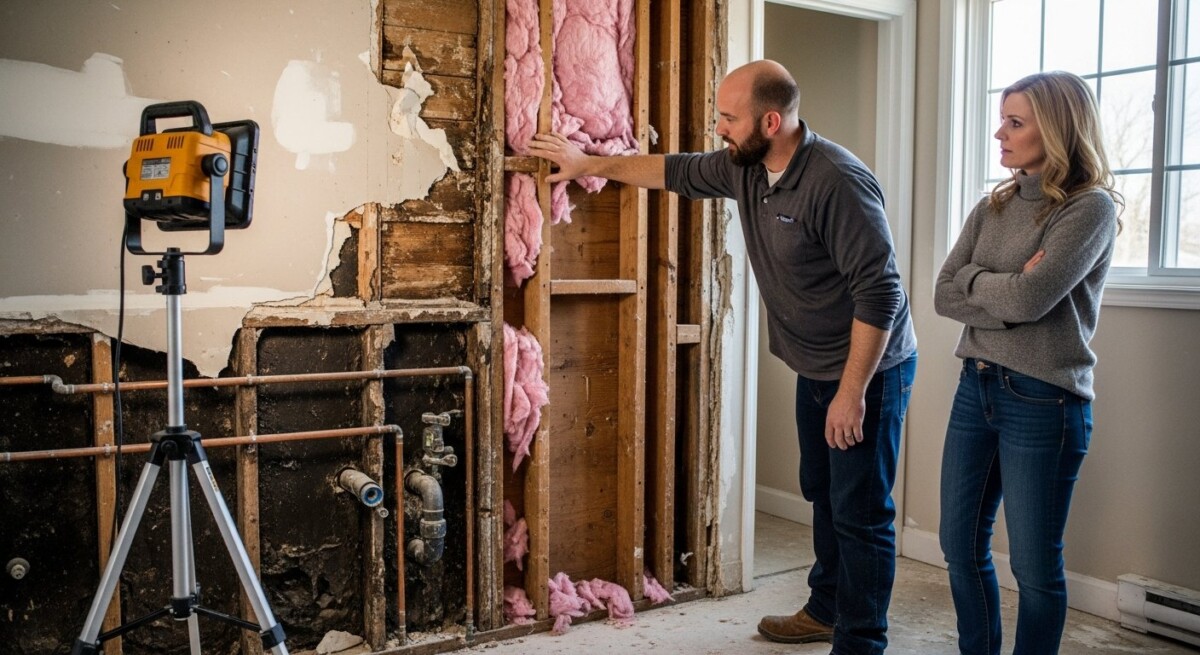
A construction estimate is an educated guess based on visible conditions and assumed materials. Contractors inspect what they can see,walls, floors, pipes,but they cannot see inside every cavity or beneath every surface. Once work begins, hidden problems often surface, requiring changes to the original plan.
Estimates change for several reasons: unexpected structural issues, outdated wiring, hidden water damage, or building code updates. Homes built before 1980 are especially prone to surprises because older materials may not meet current standards. Even newer homes can hide problems like improper installation or concealed mold.
Why older homes see more estimate changes
Older homes often have non-standard framing, outdated plumbing, or asbestos-containing materials that require special handling. When a contractor opens a wall, they may discover rot or termite damage that was invisible during the initial walkthrough. These discoveries force adjustments to the scope of work,and the price.
Why This Matters for Your Home
Ignoring the potential for estimate changes can leave you financially exposed. If you’ve only budgeted for the original quote, a sudden increase can force you to pause the project, take out a loan, or accept lower-quality materials. Worse, some homeowners try to skip necessary repairs to save money, which can lead to safety hazards or more expensive problems later.
Property damage is another concern. A roof leak that seems small can rot decking and insulation if not addressed properly. Safety risks like faulty electrical wiring or weakened floor joists can go unnoticed until they cause a fire or collapse. And comfort problems,drafts, uneven temperatures, moisture,often trace back to issues that weren’t fully accounted for in the original estimate.
Delaying repairs because of cost surprises almost always leads to higher expenses. A small plumbing leak fixed today might cost a few hundred dollars. Left for six months, it could cause mold remediation and structural repairs costing thousands. The best way to protect your home and budget is to understand why estimates change and plan accordingly.
If you notice signs of this issue in your home, it may help to speak with a qualified contractor. Request a free quote or call 1-800-555-0199 to explore your repair or remodeling options.
Common Problems Homeowners Experience
When estimates change, homeowners often face a cascade of frustrations. You might have already cleared your schedule or taken time off work, only to learn the project will take longer and cost more. Some contractors may even walk away from a job if the hidden problems are too extensive, leaving you to start the search all over again.
Another common issue is scope creep,where small additions or changes pile up without a clear cost breakdown. A “while you’re at it” request to replace a light fixture or move an outlet can quickly inflate the final bill. Without a detailed initial estimate, these small changes can feel like nickel-and-diming, even when they are legitimate.
- Hidden water damage behind walls or under flooring
- Outdated or unsafe electrical wiring that must be replaced
- Mold or mildew discovered during demolition
- Structural issues like rotted beams or cracked foundations
- Permit fees or code upgrades not included in the original bid
- Material price fluctuations or availability delays
How Professionals Solve the Problem
Experienced contractors know that surprises happen, and they build processes to handle them transparently. Instead of hiding cost increases, they communicate early and explain the options. A professional will pause work, show you the problem, and give you a clear choice: proceed with the repair at a new price or adjust the scope to stay within your original budget.
Professionals also use detailed contracts that outline how change orders,formal changes to the original agreement,are handled. This protects both you and the contractor. When you understand the process upfront, estimate changes feel less like a betrayal and more like an informed decision.
- Initial inspection , Contractor walks through the home, takes measurements, and notes visible conditions.
- Detailed estimate , You receive a written quote with line items for labor, materials, permits, and contingencies.
- Work begins , Contractor opens up walls or accesses hidden areas to confirm conditions.
- Change order if needed , If new issues arise, you get a written change order with revised costs before work continues.
- Final walkthrough , You approve the completed work, and any remaining balance is due upon satisfaction.
DIY repairs often skip these steps, leading to missed problems and incomplete fixes. Professional work gives you documentation, accountability, and a warranty. In our guide on construction estimates explained for homeowners, we explain how to evaluate bids and avoid common pitfalls.
A professional inspection can reveal hidden issues before they become expensive repairs. Compare contractor quotes here or call 1-800-555-0199 to discuss your project.
Warning Signs You Should Not Ignore
Some problems are invisible until work begins, but many leave clues long before you hire a contractor. Learning to spot these warning signs can help you prepare for potential estimate changes,or even avoid them altogether. If you notice any of these issues, mention them during the estimate process so the contractor can factor them in.
- Musty odors in basements or crawl spaces (possible mold or moisture)
- Cracks in walls or ceilings (may indicate foundation or structural movement)
- Water stains on ceilings or walls (hidden leaks)
- Flickering lights or tripping breakers (outdated or overloaded wiring)
- Sagging floors or uneven surfaces (joist or subfloor damage)
- High energy bills (poor insulation, air leaks, or failing HVAC)
Addressing these signs early can prevent them from becoming major surprises during construction. A pre-project inspection by a qualified professional can identify most hidden issues before you commit to a fixed price.
What Affects the Cost of Repairs or Installation
The size of your project is the most obvious cost driver, but many other factors play a role. Material quality, labor rates in your area, and the complexity of the work all influence the final price. A simple bathroom vanity swap costs far less than a full gut renovation that requires moving plumbing and electrical.
Accessibility matters too. A roof repair on a steep, multi-story home will cost more than one on a single-story with a gentle slope. Similarly, a basement remodel with low ceilings or narrow stairways makes it harder for workers to bring in materials and equipment, increasing labor time.
The age of your home also affects cost. Older homes often require custom materials or more time to carefully remove and replace components without damaging surrounding structures. Lead paint, asbestos, and knob-and-tube wiring all require specialized handling that adds to both the estimate and the likelihood of change orders.
Costs can vary depending on the condition of your home. The best way to know the price is to get a personalized estimate. Request free quotes from contractors or call 1-800-555-0199 today.
How to Choose the Right Contractor
Selecting the right contractor is the single most important step to managing estimate changes. A trustworthy professional will be upfront about what they can and cannot predict, and will give you a realistic range rather than a rock-bottom price that seems too good to be true. Always verify that the contractor is licensed and insured for your type of project.
Reading customer reviews on platforms like Google, Yelp, or the Better Business Bureau gives you insight into how past clients experienced the process. Look for comments about communication, handling of change orders, and whether the final price matched the estimate. Asking for references from recent similar projects is even better.
- Verify state licenses and general liability insurance
- Read recent online reviews and ask for references
- Request a detailed written estimate with line items
- Compare at least three quotes before making a decision
- Confirm the contractor has experience with your specific project type
Long-Term Benefits of Professional Work
When you hire a professional, you’re paying for more than just labor. You’re getting expertise, accountability, and peace of mind. Professional work is built to last, using proper techniques and quality materials that reduce the need for future repairs. A well-done remodel or repair can increase your home’s resale value by thousands of dollars.
Safety is another key benefit. Professionals know how to handle hazardous materials, work with electrical systems safely, and ensure structural loads are properly supported. They also pull the necessary permits and pass inspections, which protects you from liability and ensures your home meets local building codes.
Energy efficiency is a hidden but valuable advantage. Proper insulation, sealed ductwork, and modern windows can lower your utility bills year after year. Over time, these savings can offset the cost of the original project. And because professional contractors stand behind their work, you have recourse if something goes wrong,something you don’t get with a DIY approach or an unlicensed handyman.
What happens if a contractor finds mold during a renovation?
If mold is discovered, work typically stops immediately. The contractor will explain the situation and give you options for remediation, which may include hiring a mold specialist. This will increase the cost and timeline, but addressing mold properly is essential for your family’s health and the integrity of your home.
Can I negotiate with a contractor after an estimate change?
Yes, but within reason. You can ask if there are alternative materials or methods that cost less, or if the contractor can adjust the scope of work to stay closer to your original budget. However, legitimate change orders for necessary repairs are not negotiable,they reflect real costs to fix real problems.
How can I prevent estimate changes from happening?
You can’t prevent every surprise, but you can reduce them. Hire a contractor who does a thorough pre-work inspection, including opening up a small area to check hidden conditions. Request a contingency line in your estimate (typically 10,20% of the total) to cover unexpected issues. And always get a written contract that outlines the change order process.
What is a change order and should I sign one?
A change order is a formal document that modifies the original contract. It describes the new work, the reason for the change, and the adjusted cost and timeline. You should always read it carefully and only sign if you agree. Never accept a verbal change,always get it in writing.
How do I know if an estimate change is fair?
Ask the contractor to break down the new cost by materials and labor. Compare it to the original estimate to see what changed. If the explanation seems vague or the price jump is very large, get a second opinion from another contractor before proceeding.
Should I expect a contractor to include a contingency in the estimate?
Many professional contractors include a contingency line (usually 10,15%) in their estimates to account for unknowns. If they don’t, ask if they can add one. This line item is not an extra cost,it’s a budget cushion that helps you avoid surprises if something unexpected comes up.
What if I can’t afford the new estimate after a change order?
Talk to your contractor about pausing the project or phasing the work so you can complete the most critical repairs now and finish the rest later. Some contractors offer financing options. You can also get quotes from other professionals to see if the new price is competitive.
How long does it take to get a revised estimate after a change is discovered?
Most contractors can provide a revised estimate within 24,48 hours of discovering the issue. Complex problems like structural repairs may take longer because they require input from engineers or suppliers. A good contractor will keep you updated throughout the process.
Understanding why construction estimates change helps you budget smarter, choose better contractors, and avoid costly surprises. The key is to plan for the unexpected, work with professionals who communicate clearly, and always compare multiple quotes before starting a project. Your home is your biggest investment,protect it by staying informed and proactive.