Why Construction Estimates Change and What Homeowners Should Know
You finally decided to remodel your kitchen or finish your basement. The contractor gave you a number, you planned your budget, and you felt ready to move forward. Then the estimate changed. Suddenly, the price is higher, and you are left wondering what happened. If this sounds familiar, you are not alone. Understanding why construction estimates change can save you stress, money, and months of frustration. The real problem is not the change itself,it is being caught off guard without a plan. When you know what causes estimates to shift, you can make smarter decisions and avoid costly surprises.
Understanding Why Construction Estimates Change
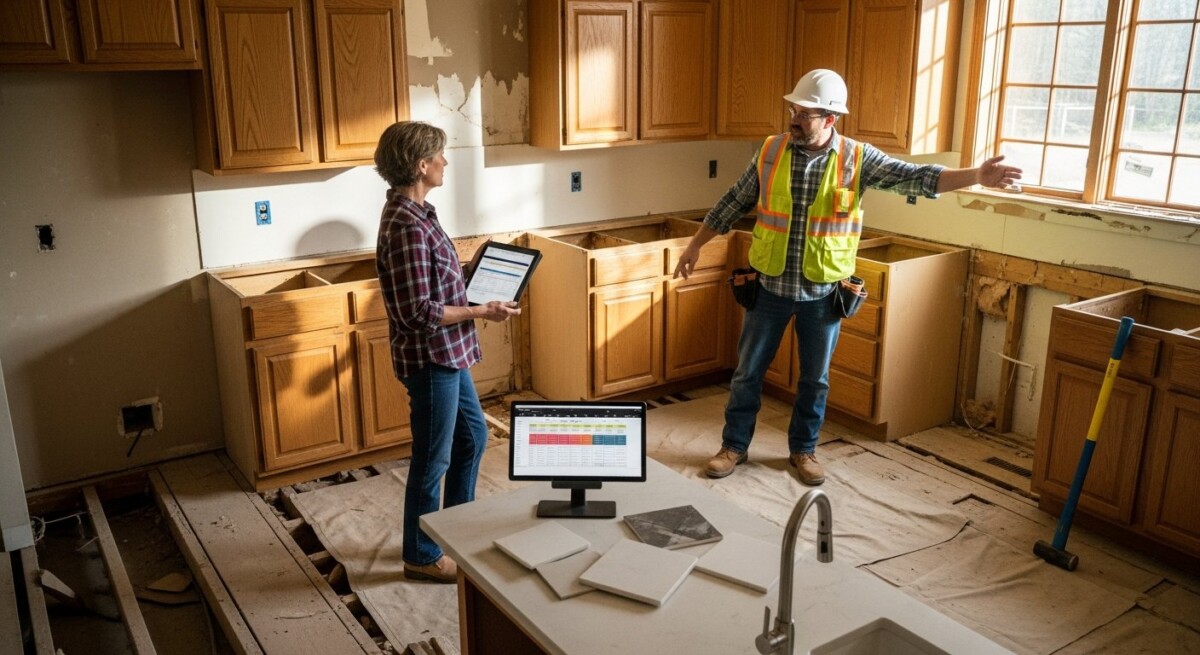
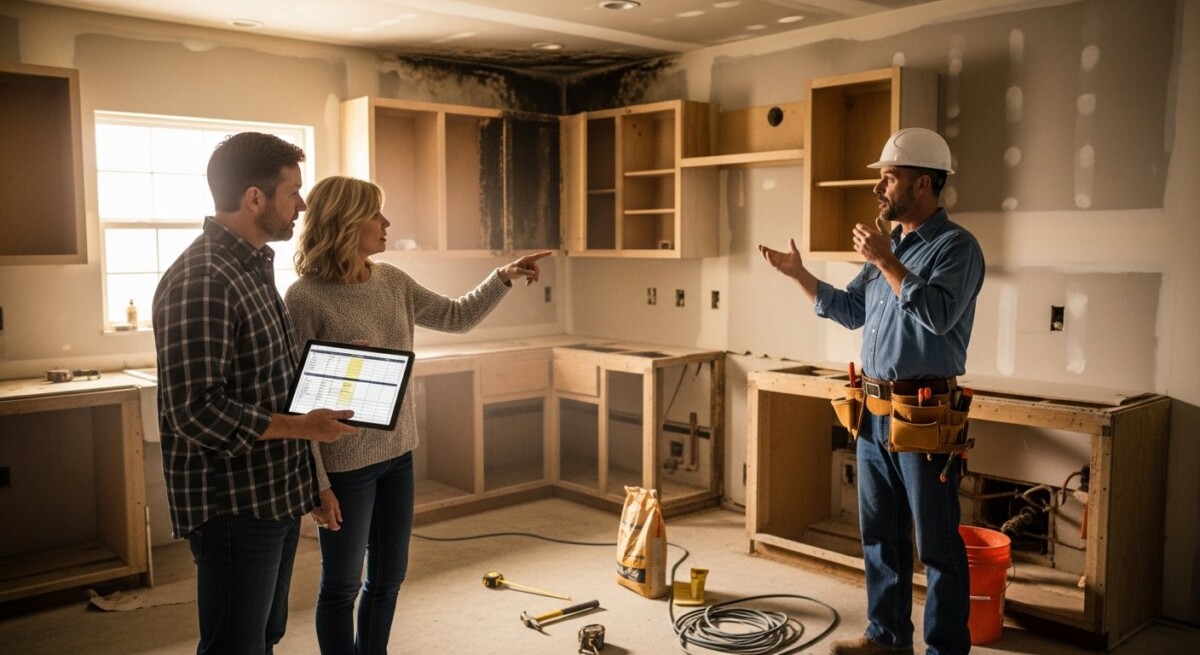
A construction estimate is an educated guess based on what the contractor can see at the time of the bid. No one can see behind every wall or inside every pipe without starting the work. Once demolition or prep work begins, hidden issues often surface. That is the primary reason construction estimates change,unforeseen conditions that were invisible during the initial walkthrough.
Other common reasons include material price fluctuations, changes in project scope, and permit delays. For example, lumber prices can rise between the estimate and the start date. If you decide to upgrade your countertops or add an extra window, the estimate will adjust accordingly. Older homes, especially those built before 1980, are more likely to reveal surprises like outdated wiring, mold, or asbestos. In our guide on Construction Estimates Explained for Homeowners, we break down what to expect during the bidding process.
Why This Matters for Your Home
Ignoring the reasons behind estimate changes can lead to serious problems. If you choose the lowest bid without understanding why it is low, you may end up with incomplete work or subpar materials. On the other hand, if you refuse to approve a necessary change order, the project can stall, leaving your home exposed to weather or safety hazards.
Your home is likely your biggest investment. When construction estimates change unexpectedly, it can affect your cash flow, your timeline, and even your family’s comfort. A small crack in the foundation or a leaky pipe left unaddressed can turn into a $10,000 repair six months later. That is why it pays to understand the process and work with a contractor who communicates openly about potential changes.
If you notice signs of this issue in your home, it may help to speak with a qualified contractor. Request a free quote or call to explore your repair or remodeling options.
Common Problems Homeowners Experience
Homeowners often discover the true cost of a project only after work begins. The most common problems include finding dry rot behind bathroom tiles, discovering knob-and-tube wiring in an attic, or realizing the foundation needs reinforcement. These issues are not rare,they happen in nearly every older home renovation.
Another frequent issue is scope creep. You start with a simple bathroom update, then decide to replace the tub, then the tile, then the vanity. Each change adds cost and time. Without a clear plan, the final price can double. To avoid this, always ask for a detailed line-item estimate and discuss potential changes before work starts.
- Hidden water damage behind walls or under flooring
- Outdated electrical panels that do not meet current code
- Mold or mildew in crawl spaces or basements
- Structural issues like sagging beams or cracked foundations
- Plumbing pipes that are corroded or improperly sized
- Asbestos or lead paint that requires specialized removal
How Professionals Solve the Problem
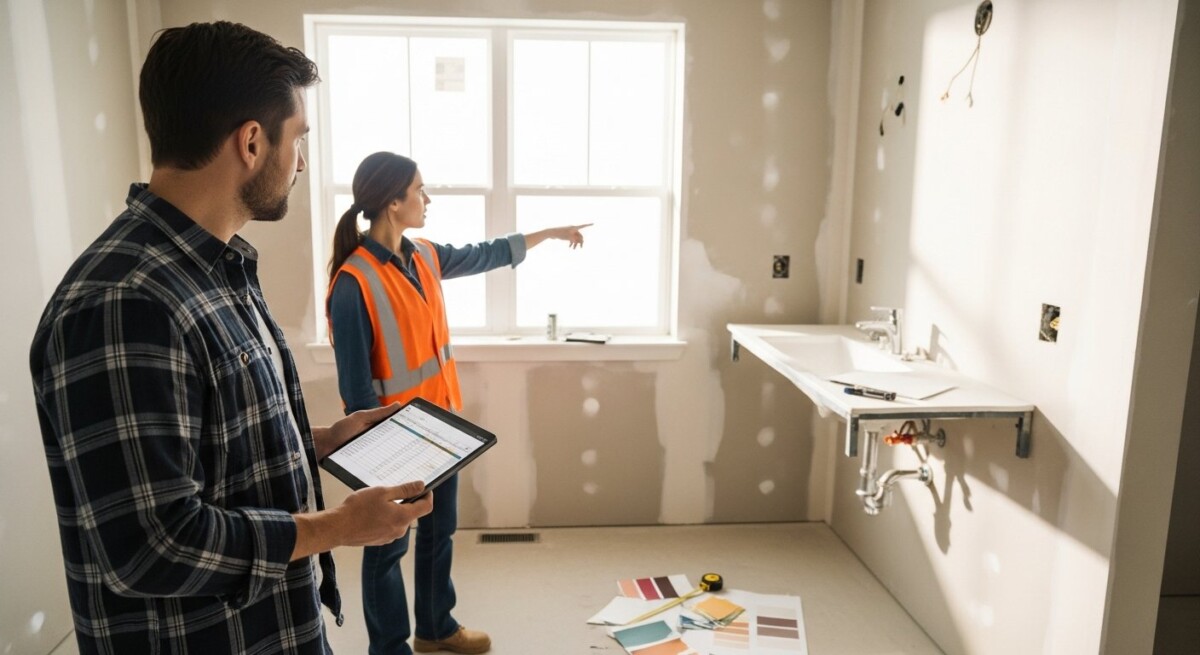
Experienced contractors anticipate many of these issues before they become problems. They perform thorough inspections, use moisture meters and thermal cameras, and ask detailed questions about the home’s history. When they find a hidden issue, they explain it clearly and provide a written change order before proceeding.
Professional contractors also build contingencies into their initial estimates,usually 10 to 20 percent of the total project cost. This buffer covers minor surprises without blowing your budget. They also have established relationships with suppliers and subcontractors, which helps keep material costs stable.
- Initial inspection and measurement of the work area
- Detailed written estimate with scope of work and materials listed
- Discussion of potential contingencies and common hidden issues
- Project start with regular updates and progress photos
- Written change orders for any unexpected findings
- Final walkthrough and punch list to ensure quality
A professional inspection can reveal hidden issues before they become expensive repairs. Compare contractor quotes here or call to discuss your project.
Warning Signs You Should Not Ignore
Some warning signs are obvious, but others are easy to overlook. If your home has an unexplained musty smell, floors that feel uneven, or windows that stick, these can indicate underlying problems. Similarly, if your water heater is more than 15 years old or your electrical panel has fuses instead of breakers, expect those to come up during a renovation.
Paying attention to these signs early can help you avoid surprise change orders. A simple inspection before you start a project can identify many of these issues. That way, you can include them in the initial estimate rather than dealing with them as emergencies.
- Water stains on ceilings or walls
- Frequent circuit breaker trips
- Drafty rooms or inconsistent temperatures
- Visible cracks in drywall or brickwork
- Doors that no longer close properly
- Strange odors from drains or basements
What Affects the Cost of Repairs or Installation
Several factors influence the final price of any construction project. The size of the area being worked on is the most obvious,more square footage means more materials and labor. The type of materials you choose also matters. Solid hardwood flooring costs more than laminate, and quartz countertops cost more than tile. Labor rates vary by region and by trade, with electricians and plumbers typically charging higher hourly rates.
Accessibility is another major factor. If your bathroom is on the third floor and the only access is through a narrow staircase, moving materials in and out takes more time. Older homes often have non-standard dimensions, which means materials must be cut to fit on-site rather than using pre-made pieces. All of these factors contribute to why construction estimates change from one project to the next.
Costs can vary depending on the condition of your home. The best way to know the price is to get a personalized estimate. Request free quotes from contractors or call today.
How to Choose the Right Contractor
Choosing the right contractor is the single most important decision you will make. Look for someone who listens to your concerns, answers your questions clearly, and provides a detailed written estimate. Avoid contractors who give vague answers or pressure you to sign immediately.
Ask for references and follow up with them. A good contractor will have a history of satisfied customers who are happy to share their experience. Also, verify that the contractor is licensed, insured, and bonded. This protects you if something goes wrong during the project.
- Check for valid state or local contractor license
- Verify general liability and workers’ compensation insurance
- Read online reviews on Google, Yelp, or the Better Business Bureau
- Ask for at least three written estimates from different contractors
- Confirm the contractor has experience with your specific type of project
Long-Term Benefits of Professional Work
When you hire a professional contractor, you are investing in quality, safety, and peace of mind. Professional work lasts longer, performs better, and often comes with a warranty. If something goes wrong after the project is complete, the contractor will come back and fix it at no additional cost.
Professional renovations also add real value to your home. A properly finished basement, updated kitchen, or new bathroom can increase your home’s resale value by thousands of dollars. Energy-efficient upgrades like new windows, insulation, or HVAC systems lower your monthly utility bills. Over time, the investment pays for itself. For more details on how to plan your project, check out our guide on Construction Estimates Explained for Homeowners.
Finally, professional work keeps your family safe. Faulty wiring, improper plumbing, and structural errors can lead to fires, floods, or collapses. A licensed contractor follows building codes and safety standards that protect your home and everyone who lives in it.
Why do construction estimates change so often?
Estimates change because contractors cannot see every detail until work begins. Hidden issues like old wiring, water damage, or structural problems are common in existing homes. When these are discovered, the estimate must be updated to include the additional work and materials required.
Can I avoid estimate changes altogether?
You cannot completely avoid changes, but you can reduce them. Start with a thorough inspection of your home before the project begins. Ask your contractor to include a contingency line in the estimate. Communicate clearly about your goals and stick to your original plan as much as possible.
What is a change order and should I sign it?
A change order is a written document that modifies the original contract. It describes the new work, the reason for the change, and the adjusted cost. You should only sign a change order after you fully understand what is being added and why. A reputable contractor will explain everything in plain language.
How much should I budget for unexpected costs?
Most professionals recommend setting aside 10 to 20 percent of your total project budget for unexpected costs. This covers minor surprises without derailing your finances. For older homes or major renovations, 20 percent is a safer buffer.
Should I choose the lowest bid to save money?
Not necessarily. The lowest bid may cut corners, use lower-quality materials, or leave out important work. Compare estimates side by side and ask each contractor why their price is different. Sometimes the middle-priced bid offers the best balance of quality and value.
How long does a typical renovation take?
Timelines vary widely based on the size and complexity of the project. A small bathroom remodel might take two to three weeks. A full kitchen renovation or basement finish can take six to twelve weeks. Delays can happen due to material shortages, weather, or unexpected findings.
What if I cannot afford the new estimate?
Talk to your contractor immediately. They may be able to suggest alternative materials or a phased approach where you complete the work in stages. You can also pause the project while you save more money. Do not rush into debt or skip necessary work to save money.
Do all contractors charge for estimates?
Many contractors offer free estimates, but some charge a fee that is credited toward the project if you hire them. Always ask about the cost of an estimate upfront. A paid estimate often includes a more detailed inspection, which can reduce surprises later.
Understanding why construction estimates change helps you approach your home project with confidence. Hidden issues, material costs, and scope changes are normal parts of renovation. The key is to work with a trustworthy contractor who communicates clearly and plans for the unexpected. Before you start any project, compare multiple quotes and ask questions until you feel comfortable. Your home deserves careful planning and professional work. Start today by reaching out to local contractors and getting the information you need to make a smart decision.