Why Insured Contractors for Construction Work Protect Your Home
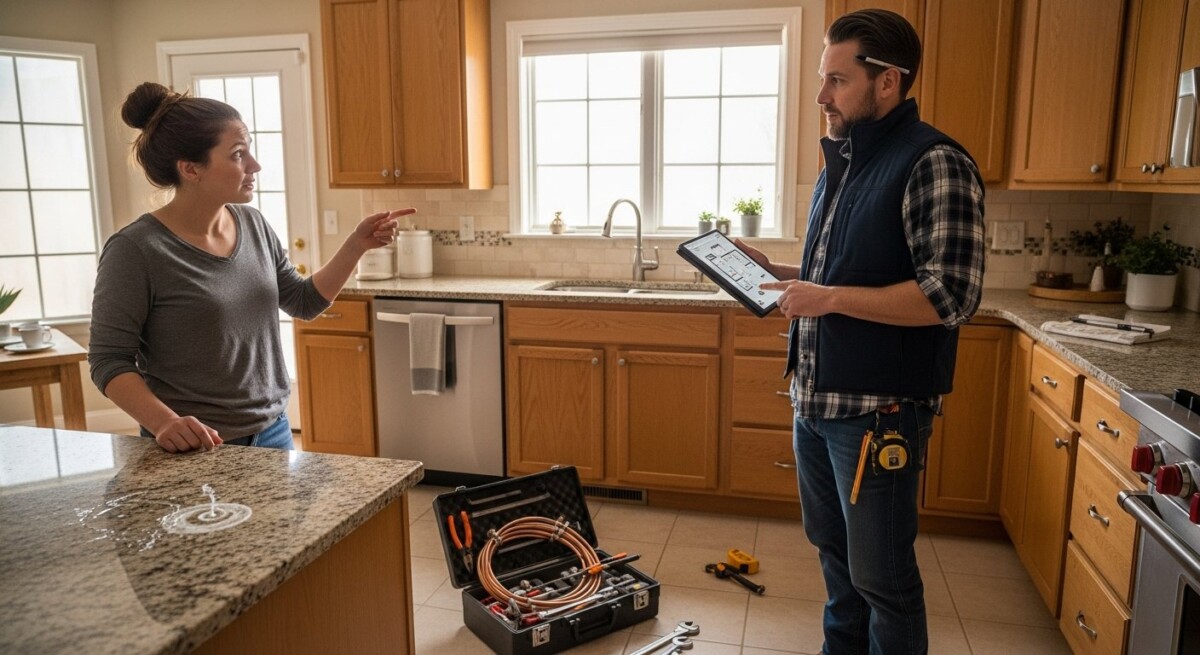
You’ve finally saved enough to remodel your kitchen or fix that leaky roof. You find a contractor who offers a great price and promises to start next week. But when you ask for proof of insurance, they hesitate. Suddenly, that low bid doesn’t feel like such a good deal.
This scenario happens more often than homeowners realize. Hiring insured contractors for construction work isn’t just a formality,it’s a crucial step that protects your property, your savings, and your peace of mind. Without proper insurance, a simple accident on your property could turn into a financial nightmare.
For many homeowners, the problem becomes obvious only after something goes wrong: a worker gets injured, a wall is damaged, or the work doesn’t meet code. By then, the cost of fixing the mistake is far higher than the initial savings. Understanding why insurance matters can help you avoid these painful lessons.
Understanding Insured Contractors for Construction Work
An insured contractor carries specific types of insurance that protect both the homeowner and the contractor during a project. The most common coverages are general liability insurance (which covers damage to your property) and workers’ compensation (which covers injuries to workers on your site).
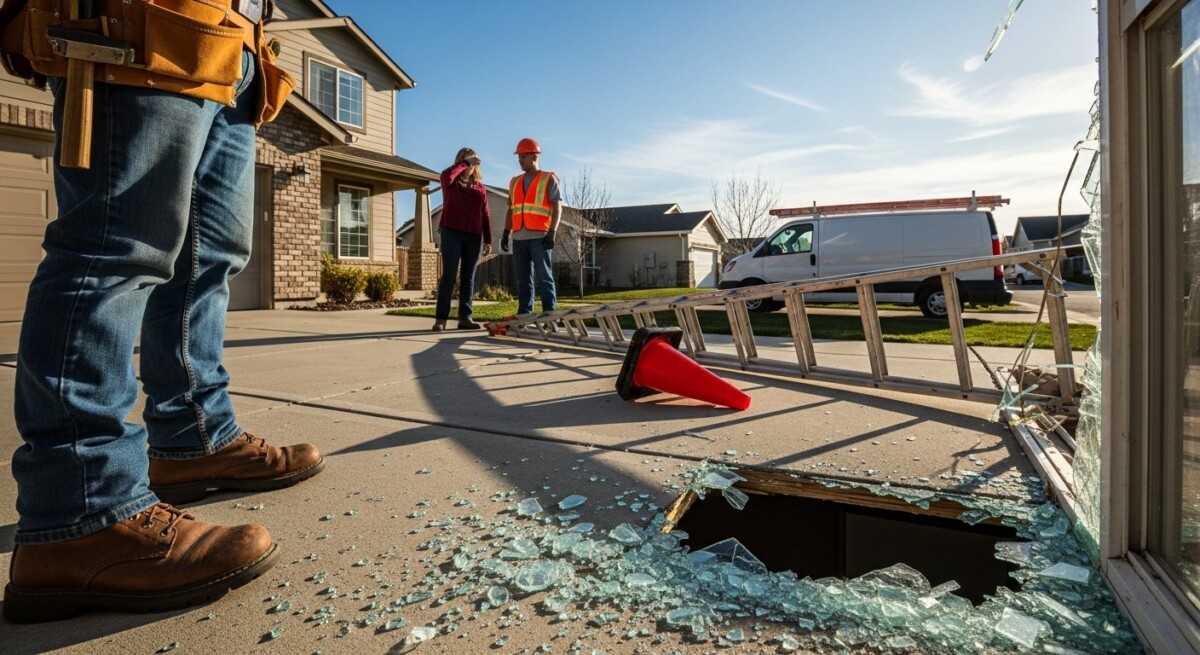
Why does this matter? If a contractor drops a heavy tool through your window, general liability pays for the repair. If a worker falls off a ladder and breaks an arm, workers’ compensation covers their medical bills,not your homeowner’s insurance. Without these protections, you could be held financially responsible.
Every home is vulnerable to this risk, but older homes and larger renovation projects present the highest stakes. A simple paint job carries less risk than a full structural remodel or a new roof installation. The larger and more complex the job, the more important it becomes to verify insurance.
What Types of Insurance Should a Contractor Have?
At a minimum, look for general liability insurance and workers’ compensation. Some contractors also carry professional liability (errors and omissions) insurance or builder’s risk coverage. Ask to see a certificate of insurance,a document that proves their policy is active and covers your project location.
Why This Matters for Your Home
Hiring uninsured contractors puts your home and finances directly at risk. If an uninsured worker gets hurt on your property, you could be sued for medical expenses and lost wages. Even if your homeowner’s insurance covers some claims, you’ll likely face higher premiums or a deductible that eats into your budget.
Property damage is another concern. Uninsured contractors often lack the resources to fix mistakes or pay for accidental damage. You might end up paying twice: once for the initial work and again to repair the damage. This is especially common with roofing, plumbing, and electrical projects where errors can lead to leaks, fires, or structural issues.
Beyond financial risk, uninsured work often means lower quality. Contractors who skip insurance often cut corners elsewhere,using cheaper materials, skipping permits, or rushing the job. Over time, this can reduce your home’s value and create safety hazards that affect your family’s comfort and well-being.
If you notice signs of this issue in your home, it may help to speak with a qualified contractor. Request a free quote or call to explore your repair or remodeling options.
Common Problems Homeowners Experience
Many homeowners only discover the importance of insurance after a problem arises. One common scenario: a contractor starts a bathroom remodel, cuts a pipe, and causes water damage to the floor below. Without insurance, the homeowner is left to cover the repair costs and the contractor disappears.
Another frequent issue involves injuries. A roofer slips on a wet shingle and breaks their leg. If the contractor lacks workers’ compensation, the injured worker may file a claim against the homeowner’s policy,or sue directly. This can lead to legal fees, settlement costs, and increased premiums for years.
Some homeowners also face problems with incomplete or substandard work. Uninsured contractors often operate without proper licenses or permits, meaning their work may not meet local building codes. This can cause delays when selling the house, as code violations must be fixed before closing.
- Water damage from improperly installed plumbing or roofing
- Structural cracks or settling from poor foundation work
- Electrical fires caused by unlicensed wiring
- Mold growth from unsealed bathrooms or basements
- Costly permit fines or forced tear-downs of unpermitted work
- Liability claims after a worker injury on your property
How Professionals Solve the Problem
Experienced contractors who carry proper insurance approach projects differently. They start with a thorough assessment of your home’s condition, identifying potential issues before work begins. This upfront inspection helps prevent surprises and keeps the project on schedule.
Here’s how a typical insured contractor handles a renovation or repair project:
- Initial consultation and inspection , They visit your home, assess the scope of work, and discuss your goals.
- Detailed written estimate , You receive a clear breakdown of costs, materials, timeline, and insurance verification.
- Permitting and planning , They pull necessary permits and ensure the work meets local building codes.
- Safe work practices , Crews follow safety protocols, use proper equipment, and protect your property with drop cloths and barriers.
- Quality control and cleanup , After completion, they inspect the work, fix any issues, and clean up thoroughly.
Professional work is safer and more reliable than DIY fixes because insured contractors have the training, experience, and resources to handle unexpected problems. They also carry the financial backing to make things right if something goes wrong,giving you confidence that your investment is protected.
A professional inspection can reveal hidden issues before they become expensive repairs. Compare contractor quotes here or call to discuss your project.
Warning Signs You Should Not Ignore
Spotting early warning signs can save you thousands of dollars and months of stress. Pay attention to changes in your home’s appearance, performance, or safety,especially after a recent project or storm. The earlier you act, the easier (and cheaper) the fix.
Some warning signs are obvious, like sagging ceilings or standing water. Others are subtle, such as a musty smell, higher energy bills, or cracks that slowly widen over time. If you notice any of these, don’t assume they’ll go away on their own. They often signal underlying problems that require professional attention.
- Water stains on ceilings or walls, especially after rain
- Unexplained increases in your utility bills
- Cracks in drywall, brick, or concrete that grow over time
- Doors or windows that stick or won’t close properly
- Musty odors or visible mold growth in basements or bathrooms
- Gaps around windows, doors, or rooflines that let in drafts
What Affects the Cost of Repairs or Installation
The cost of hiring an insured contractor varies depending on several factors. Understanding these can help you budget realistically and avoid sticker shock. The size and complexity of the project are the biggest drivers,a small bathroom refresh costs far less than a full kitchen gut-and-remodel.
Materials also play a major role. High-end finishes like quartz countertops or hardwood flooring cost more than basic laminates or tile. Labor rates vary by region, with urban areas typically charging more than rural ones. Accessibility matters too: a roof repair on a steep, multi-story house takes more time and safety equipment than a simple ranch-style home.
Older homes often require extra work, such as upgrading electrical systems or removing asbestos, which adds to the total cost. However, investing in a thorough, insured contractor from the start prevents costly callbacks and ensures the work lasts. In our guide on finding insured contractors near you for home projects, we explain how to compare estimates effectively.
Costs can vary depending on the condition of your home. The best way to know the price is to get a personalized estimate. Request free quotes from contractors or call today.
How to Choose the Right Contractor
Selecting the right contractor is one of the most important decisions you’ll make for your home. Start by asking for proof of insurance and verifying it with the insurance company. A legitimate contractor will provide this without hesitation. Next, check their license with your state or local licensing board.
Beyond credentials, look for experience with projects similar to yours. A contractor who specializes in bathroom remodels may not be the best choice for a new roof. Read online reviews on platforms like Google, Yelp, and the Better Business Bureau. Pay attention to how they handle complaints,responsive contractors are more likely to be reliable.
- Verify general liability and workers’ compensation insurance
- Check state and local licenses (if required in your area)
- Read recent customer reviews and ask for references
- Get at least three detailed written estimates to compare
- Confirm they have experience with your specific type of project
Long-Term Benefits of Professional Work
Hiring an insured contractor isn’t just about avoiding risk,it’s an investment in your home’s future. Professional work typically lasts longer, performs better, and requires fewer repairs over time. That means less stress, lower maintenance costs, and a home that feels safer and more comfortable.
Energy efficiency is another major benefit. Properly installed windows, insulation, and HVAC systems reduce energy waste and lower monthly bills. Roofing and siding installed by insured professionals also protect against weather damage, preventing leaks and drafts that can lead to mold or structural decay.
Finally, professionally completed work adds value to your home. When it’s time to sell, buyers and real estate agents look for evidence of permitted, insured work. A home with documented, professional renovations often sells faster and at a higher price. As we discuss in our article on why insured contractors for construction work protect your home, the peace of mind alone is worth the investment.
Frequently Asked Questions
What does it mean when a contractor is insured?
An insured contractor carries active insurance policies, typically general liability and workers’ compensation. General liability covers accidental damage to your property, while workers’ compensation covers medical costs if a worker is injured on your job. This protects you from being sued or paying out of pocket for accidents.
Do I need to check if a contractor has insurance?
Yes, you should always verify insurance before hiring any contractor. Ask for a certificate of insurance and confirm it’s current. You can also call the insurance company listed on the certificate to make sure the policy hasn’t lapsed. It takes just a few minutes and can save you thousands.
What happens if a contractor doesn’t have insurance and someone gets hurt?
If an uninsured worker is injured on your property, you may be held liable for their medical bills and lost wages. Your homeowner’s insurance might cover some costs, but you’ll likely face a deductible and possible premium increases. In serious cases, you could be sued directly.
Can I hire a contractor who is licensed but not insured?
It’s risky. A license shows the contractor has met basic requirements, but it doesn’t protect you from liability or property damage. Insurance provides financial protection that a license alone cannot. Always choose a contractor who is both licensed and insured.
How much more does it cost to hire an insured contractor?
Insured contractors may charge slightly more because they pay insurance premiums, but the difference is usually small,often 5,10% more. This extra cost is far less than the potential expense of an accident or lawsuit. In many cases, insured contractors also deliver higher quality work.
What should I do if a contractor refuses to show proof of insurance?
Do not hire them. A reputable contractor will gladly provide proof of insurance. If they refuse or make excuses, it’s a red flag. Move on to another contractor who is transparent about their coverage.
Does my homeowner’s insurance cover contractor mistakes?
Your homeowner’s policy may cover some accidental damage, but it typically excludes faulty workmanship or incomplete projects. Relying on your own insurance for contractor mistakes can also lead to higher premiums or non-renewal. The contractor’s insurance should be the primary coverage.
How often should I ask for updated insurance certificates?
Ask for a current certificate at the start of every project. If a project lasts more than a few months, request an updated certificate halfway through. Policies can lapse or change, so it’s smart to confirm coverage remains active throughout the job.
Protecting your home starts with making informed choices. When you hire an insured contractor, you’re not just paying for labor,you’re investing in safety, quality, and peace of mind. Request free quotes from top local contractors or call to compare your options today.