
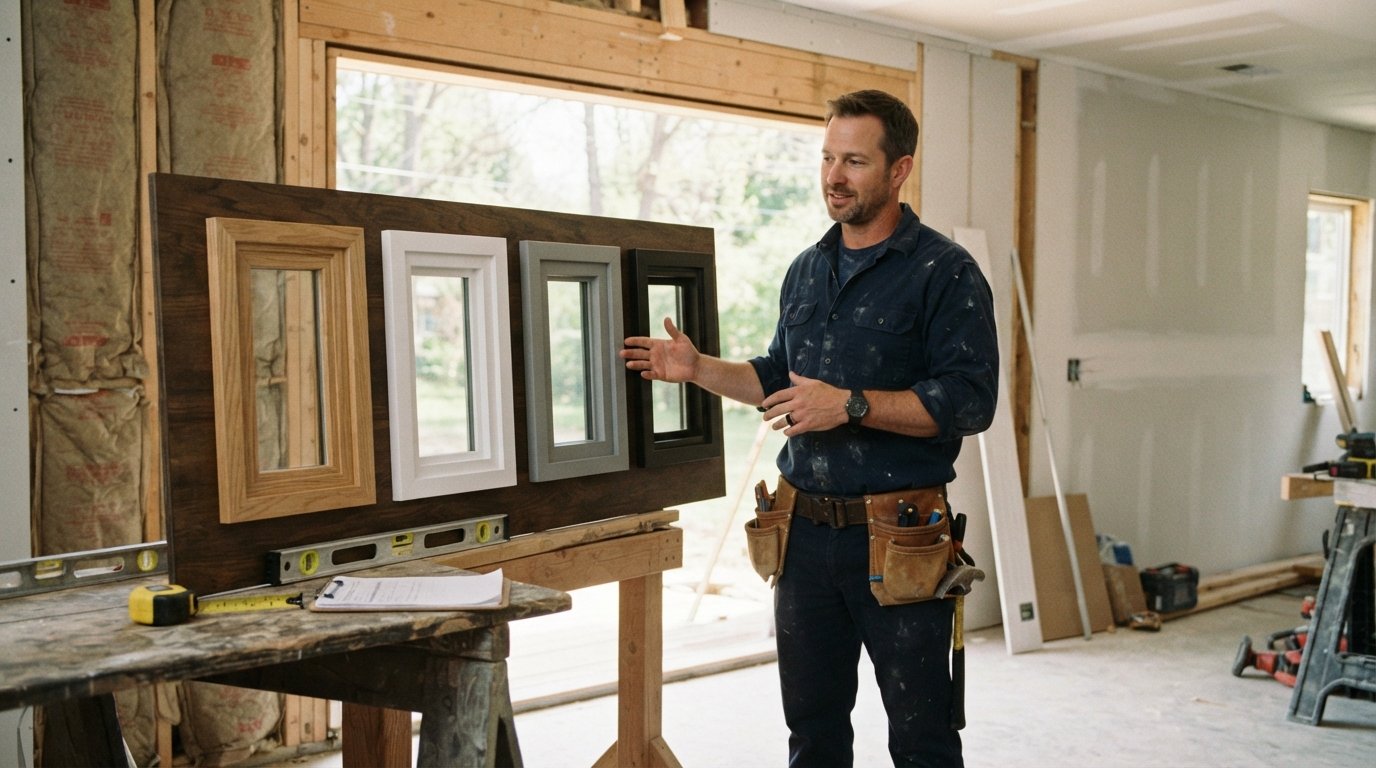
Window Frame Materials Comparison: Wood vs Vinyl vs Fiberglass vs Aluminum
Compare window frame materials: wood, vinyl, fiberglass, and aluminum. Find the best fit for your home. Call 8332111668 for expert guidance.

By Elena John
Learn more about Window Installation for guides, costs, and what to expect.
Compare Window Installation Pros Near You

Enter your ZIP code to compare top-rated local professionals and request free quotes.
Choosing the right window frame material is one of the most consequential decisions in a home renovation project. It affects energy efficiency, maintenance costs, curb appeal, and long-term durability. With so many options on the market, homeowners often find themselves weighing the classic warmth of wood against the modern resilience of vinyl, fiberglass, or aluminum. This window frame materials comparison of wood, vinyl, fiberglass, and aluminum will give you the clarity you need to make a confident choice for your home and your budget.
Whether you are replacing a single window or outfitting an entire new construction, the material you select will influence how your home performs for decades. Energy costs, painting schedules, structural demands, and even resale value all hinge on this decision. Below, we break down each material by cost, durability, maintenance, energy efficiency, aesthetics, and best-use scenarios. We also explain how to connect with pre-vetted local contractors who can help you compare quotes and install your new windows correctly.
Why Window Frame Material Matters More Than You Think
The frame is not just a decorative border around the glass. It is the structural skeleton that holds the window in place, seals out air and water, and determines how much heat transfers between indoors and outdoors. A poor frame material can undermine even the most expensive triple-pane glass. Conversely, a high-quality frame paired with decent glazing can deliver excellent energy performance and comfort.
Frame material also dictates how often you will need to paint, seal, or repair your windows. Wood requires periodic refinishing, while vinyl and fiberglass typically need only occasional cleaning. Aluminum is virtually maintenance-free but conducts heat and cold more readily than other options unless it includes a thermal break. Understanding these trade-offs before you buy prevents expensive surprises down the road.
Beyond performance, frame material shapes the architectural character of your home. Wood suits traditional and historic homes, while vinyl and aluminum fit modern and contemporary styles. Fiberglass offers a paintable surface that can mimic wood without the upkeep. Your choice should align with both your home's design language and your willingness to maintain it.
Wood Window Frames: Timeless Beauty With Real Maintenance
Wood has been used in window construction for centuries, and for good reason. It offers natural insulation, a warm appearance, and unmatched design flexibility. Wood frames can be painted or stained in virtually any color, and they accept custom shapes and sizes that other materials struggle to match. For historic homes or high-end custom builds, wood remains the gold standard for authenticity.
However, wood's beauty comes with responsibility. It swells and shrinks with humidity changes, which can lead to sticking, cracking, and gaps over time. Without regular painting or sealing, wood is vulnerable to rot, mold, and insect damage. Homeowners in rainy or humid climates should expect to refinish wood frames every few years, which adds both cost and labor to the ownership equation.
On the energy front, wood is a natural insulator, far outperforming aluminum without a thermal break. When paired with high-quality weatherstripping and glazing, wood frames can achieve excellent U-factors. The trade-off is price: wood windows typically cost more upfront than vinyl and often require professional installation to ensure proper sealing and flashing.
Best for: historic restorations, custom homes, homeowners who value natural materials and do not mind periodic maintenance.
Vinyl Window Frames: Affordable, Low-Maintenance, and Energy-Efficient
Vinyl, also known as PVC, has become the most popular window frame material in North America for good reason. It is affordable, easy to maintain, and offers solid thermal performance. Vinyl frames do not rot, peel, or require painting, making them an excellent choice for busy homeowners who want a reliable window without ongoing upkeep.
Modern vinyl windows often include multi-chambered profiles filled with insulation, which improves energy efficiency and reduces condensation. They are available in a range of colors and finishes, though darker colors can fade or warp in extreme heat unless the vinyl is specifically formulated for high sun exposure. Cheaper vinyl windows may become brittle over time, so quality matters.
The main drawbacks of vinyl are aesthetic and structural. Vinyl cannot be painted easily, and its bulky profiles may not suit historic or high-end architectural styles. It also has a lower structural strength than wood, fiberglass, or aluminum, which limits its use in very large window openings. For standard residential replacements, however, vinyl delivers outstanding value.
Best for: budget-conscious homeowners, standard-sized replacements, low-maintenance lifestyles, and energy-efficient upgrades.
If you are planning a larger exterior project alongside your window replacement, our guide on roofing materials comparison pros cons lifespan can help you coordinate materials and timelines for a cohesive result.
Fiberglass Window Frames: Strength, Stability, and Premium Performance
Fiberglass frames are made from glass fibers embedded in resin, creating a material that is exceptionally strong, dimensionally stable, and resistant to temperature extremes. Unlike vinyl, fiberglass does not expand or contract significantly with heat, which means it maintains a tight seal and smooth operation year after year. It also resists rot, rust, and corrosion, making it ideal for coastal and harsh climates.
Fiberglass can be painted to match any color scheme, and its profiles are often slimmer than vinyl, allowing more glass area and a more elegant appearance. It offers excellent energy efficiency, especially when combined with foam insulation inside the frame chambers. The material's durability means it can last decades with minimal maintenance, often outperforming both wood and vinyl in longevity.
The primary downside is cost. Fiberglass windows typically cost more than vinyl but less than high-end wood or aluminum-clad options. Installation requires precision because fiberglass is less forgiving of poor flashing or sealing than vinyl. When installed correctly, however, fiberglass delivers a premium combination of strength, efficiency, and low maintenance.
Best for: homeowners in extreme climates, coastal areas, high-end renovations, and anyone seeking long-term durability with minimal upkeep.
Aluminum Window Frames: Slim, Strong, and Modern
Aluminum frames are prized for their sleek, minimal profiles and exceptional structural strength. They can support very large glass panes with thin sightlines, making them a favorite for modern and contemporary architecture. Aluminum is also lightweight, resistant to rust, and requires virtually no maintenance beyond occasional cleaning.
The major drawback of aluminum is thermal conductivity. Without a thermal break (a barrier between the interior and exterior parts of the frame), aluminum transfers heat and cold rapidly, leading to condensation and higher energy bills. Thermally broken aluminum frames solve this problem by inserting a non-conductive material between the inner and outer frame, significantly improving efficiency.
Aluminum is also prone to denting and can feel cold to the touch in winter. It does not offer the natural insulation of wood or the foam-filled performance of premium vinyl and fiberglass. However, for large windows, sliding doors, and modern designs, aluminum remains a top choice when thermal performance is addressed.
Best for: modern architecture, large window openings, commercial-style residential projects, and mild climates where thermal transfer is less critical.
Side-by-Side Comparison: Cost, Durability, Maintenance, and Efficiency
To make the decision practical, here is a direct comparison of the four materials across the factors that matter most to homeowners.
- Cost: Vinyl is the most affordable, followed by aluminum, then fiberglass, with wood typically the most expensive (especially custom or clad wood).
- Durability: Fiberglass and aluminum lead in structural longevity; wood can last for decades with maintenance; vinyl has a shorter lifespan in extreme conditions.
- Maintenance: Vinyl, fiberglass, and aluminum require minimal upkeep; wood needs regular painting or sealing.
- Energy efficiency: Fiberglass and vinyl (with insulated chambers) perform best; wood is naturally insulating; aluminum needs a thermal break to compete.
- Aesthetics: Wood offers unmatched warmth and customization; fiberglass can mimic wood; vinyl is functional; aluminum is sleek and modern.
When you weigh these factors, the right choice depends on your climate, budget, design goals, and tolerance for maintenance. A homeowner in a historic district may prioritize wood, while a coastal resident may choose fiberglass for its resistance to salt and humidity. A budget-focused buyer in a mild climate may find vinyl or aluminum perfectly adequate.
It is also worth noting that installation quality can matter as much as material choice. Even the best fiberglass window will underperform if it is not flashed and sealed correctly. This is why hiring experienced, licensed contractors is essential. Platforms like Repairmen connect homeowners with vetted local professionals who specialize in window installation and can help you compare material options based on your specific home and climate.
How to Choose the Right Frame Material for Your Home
Start by assessing your climate. In hot, humid regions, vinyl and fiberglass resist moisture and warping better than wood. In cold climates, wood and fiberglass offer superior insulation, while thermally broken aluminum can also perform well. Coastal areas demand corrosion-resistant materials like fiberglass or aluminum.
Next, consider your home's architectural style. Wood and fiberglass can be painted or stained to match traditional trim, while vinyl and aluminum suit cleaner, more contemporary lines. If you live in a historic district, check local regulations before replacing wood windows with modern materials.
Finally, evaluate your budget and long-term plans. Vinyl offers the lowest upfront cost, but fiberglass may deliver better value over decades thanks to its durability and low maintenance. Wood appeals to buyers who value authenticity and are willing to invest in upkeep. Aluminum is ideal for large openings and modern designs when thermal performance is addressed.
To get accurate pricing and compare options, request free quotes from multiple local contractors. A professional can measure your windows, discuss material samples, and explain how each option performs in your specific environment. This hands-on guidance often reveals factors you might not have considered, such as structural requirements or HOA restrictions.
Installation and Hiring: Where Material Meets Craftsmanship
Even the most carefully chosen frame material can fail if installation is rushed or improper. Gaps in flashing, inadequate insulation, and poor sealing lead to drafts, water damage, and premature failure. That is why the contractor you hire matters as much as the material you select.
When evaluating contractors, ask about their experience with your chosen material. Fiberglass and aluminum require different handling than vinyl or wood. A crew that specializes in vinyl replacements may not be the best fit for a fiberglass installation that demands precise fitting and sealing. Request references and photos of similar projects.
Also confirm licensing, insurance, and warranty coverage. A reputable contractor will provide a written estimate that details materials, labor, timelines, and warranty terms. Avoid contractors who pressure you into a quick decision or refuse to put terms in writing. FreeQuotes.Contractors can help you gather multiple bids so you can compare not just price but also scope and professionalism.
Remember that the cheapest quote is not always the best value. A slightly higher bid from an experienced installer may save you thousands in repairs and energy costs over the life of your windows. Take the time to vet your options and ask questions.
Frequently Asked Questions About Window Frame Materials
Which window frame material is the most energy-efficient?
Fiberglass and insulated vinyl frames generally offer the best thermal performance, especially when combined with double or triple glazing. Wood is naturally insulating but requires maintenance to maintain its performance. Aluminum needs a thermal break to compete.
Are vinyl windows a good investment?
Yes, for many homeowners. Vinyl offers a strong balance of affordability, energy efficiency, and low maintenance. However, in extreme climates or for high-end architectural styles, fiberglass or wood may be a better long-term choice.
How long do window frames last?
Vinyl typically lasts 20 to 30 years, wood can last 30 or more with regular maintenance, fiberglass can exceed 50 years, and aluminum can last 30 to 40 years depending on quality and climate.
Can I paint vinyl or aluminum windows?
Aluminum can be painted with proper surface preparation. Vinyl is difficult to paint because paint does not adhere well and may peel. Some manufacturers offer factory-finished vinyl in various colors.
What is the best window frame material for cold climates?
Wood and fiberglass are excellent choices for cold climates due to their insulating properties. Thermally broken aluminum and high-performance vinyl can also work well when properly installed.
Choosing the right window frame material is a balance of performance, aesthetics, and budget. By understanding how wood, vinyl, fiberglass, and aluminum compare, you can make a decision that enhances your home's comfort, efficiency, and value for years to come. Take the time to gather quotes from qualified local contractors, and you will be well positioned to enjoy beautiful, functional windows that stand up to the elements.