
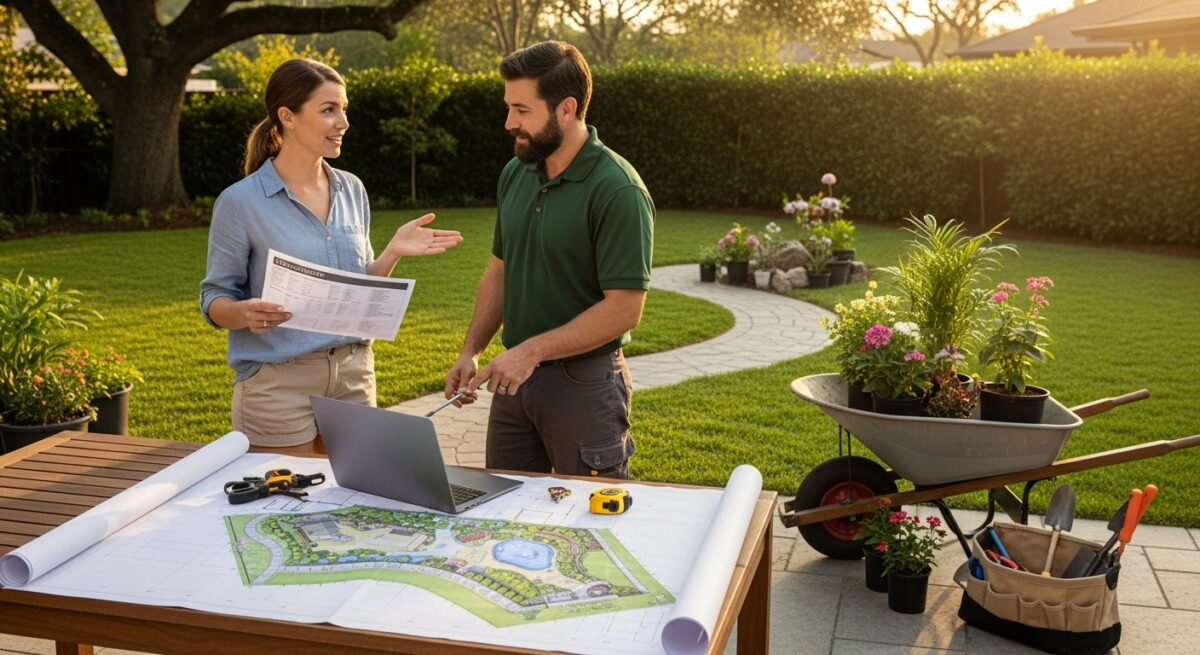
Understanding Yard Improvement Estimates for Homeowners
A clear yard improvement estimate is your first step to a beautiful outdoor space. Learn what to expect, how to compare quotes, and protect your budget.

By Elena John
Learn more about Outdoor Landscaping and Design for guides, costs, and what to expect.
Compare Outdoor Landscaping and Design Pros Near You

Enter your ZIP code to compare top-rated local professionals and request free quotes.
You have a vision for your perfect backyard,a cozy patio for summer evenings, a lush lawn for the kids to play, or a beautiful garden to enjoy. But before the first shovel hits the ground, you need a clear picture of the cost. Getting a reliable yard improvement estimate is the crucial first step that turns your dream into a manageable, budget-friendly plan, without any surprise bills.
Start your project right with a free, detailed estimate. Call 📞833-365-8755 or visit Get Your Estimate to speak with a specialist today.
What Is a Yard Improvement Estimate?
A yard improvement estimate is a detailed document provided by a landscaping or outdoor service professional. It outlines the projected costs for your specific project. Think of it as a roadmap for your budget and the project scope.
It’s more than just a single number. A good estimate breaks down the costs for materials, labor, equipment, and any other expenses. This transparency helps you understand exactly what you’re paying for and allows you to compare offers from different contractors fairly.
The Difference Between an Estimate and a Quote
It’s important to know that an “estimate” is typically a professional’s best calculation of costs, which can sometimes change slightly if unexpected issues arise. A “quote” or “bid” is often a fixed price for the job. Always ask a contractor which they are providing so you know what to expect.
Why a Detailed Estimate Matters for Homeowners
Investing in your yard is a significant decision. A thorough estimate protects your investment and your peace of mind. It prevents the all-too-common scenario where a project starts at one price and balloons halfway through due to “unforeseen” costs.
Having a clear estimate allows you to plan your finances effectively. You can decide if you want to phase the project, adjust materials to meet your budget, or proceed with confidence knowing the full scope. It also sets clear expectations between you and the contractor, serving as the foundation for a good working relationship. For a broader look at budgeting for home projects, our guide on home improvement estimates covers essential principles that apply indoors and out.
Without a proper estimate, you risk overspending, encountering conflicts with your contractor, and ending up with an unfinished or unsatisfactory yard. The time spent getting a solid estimate is an investment in the success of the entire project.
Ready to start your project on the right foot? Get a free, detailed yard improvement estimate today
Common Issues That Complicate Yard Estimates
Several factors can make estimating a yard project tricky. Understanding these can help you have better conversations with potential contractors.
One major issue is hidden or unknown site conditions. What’s underneath the surface? There could be old tree roots, poor drainage, rocky soil, or even buried debris. Until work begins, these can be hard to account for precisely. Another common challenge is material cost fluctuations. Prices for lumber, pavers, plants, and soil can vary seasonally and due to market supply chains.
Scope creep is another frequent culprit. This happens when the project gradually expands beyond the original plan,like deciding to add extra lighting or a larger patio area mid-way through. A detailed initial estimate helps control this.
- Poor Drainage or Grading: Water issues may not be visible until excavation starts.
- Soil Quality: Bad soil may need amendment or replacement, adding cost.
- Access Problems: A narrow side yard can make moving equipment and materials difficult and time-consuming.
- Existing Landscaping: Removing large trees or established shrubs adds labor and disposal fees.
How Professionals Create an Accurate Estimate
A reputable contractor follows a careful process to ensure their estimate is as accurate as possible. It starts with a thorough on-site consultation. They will walk your property, discuss your vision, and take measurements and photos.
Next, they assess the specific conditions of your yard. They’ll evaluate soil type, slope, sun exposure, and access points. They then develop a detailed plan, often with a sketch or design, and create a material list. They calculate quantities of sod, pavers, plants, and other supplies, and factor in the labor hours required for each phase of the job.
Finally, they compile everything into a clear, written document. This should include a line-item breakdown, a projected timeline, payment schedule, and terms and conditions. This meticulous approach is what separates a professional estimate from a guess. The same level of detail is crucial for indoor projects, as explained in our resource about understanding home improvement estimates.
Don’t settle for guesswork. Connect with a pro who provides transparent estimates.
Signs You Should Not Ignore in an Estimate
Not all estimates are created equal. Some red flags should make you think twice before signing an agreement.
Be wary of a quote that is significantly lower than all others. This often means the contractor is cutting corners, using subpar materials, or may hit you with change orders later. A vague estimate is another major warning sign. If it’s just one lump sum with no breakdown, you have no way of knowing how your money will be spent.
Always trust your instincts. If a contractor pressures you to sign immediately, refuses to put details in writing, or asks for a large cash-only deposit upfront, it’s best to walk away.
Start your project right with a free, detailed estimate. Call 📞833-365-8755 or visit Get Your Estimate to speak with a specialist today.
- Vague or Verbal-Only Estimates: Always insist on a detailed, written document.
- High Pressure Sales Tactics: A legitimate estimate gives you time to review.
- Large Upfront Payment Demands: A modest deposit is normal; paying most of the cost upfront is risky.
- No License or Insurance Information: This is non-negotiable for your protection.
Cost Factors and What Affects Your Pricing
Understanding what goes into the final number helps you make informed choices. The biggest factors are project size and complexity. A simple sod installation costs less per square foot than a multi-tiered patio with retaining walls and built-in lighting.
Material choices have a huge impact. Basic concrete is less expensive than natural flagstone. Economy-grade plants cost less than mature, specimen trees. Labor intensity is also key. Projects requiring skilled craftsmanship, like custom masonry or intricate irrigation systems, will cost more in labor than basic planting.
Other factors include your geographic location (costs vary by region), site accessibility, and permit fees. Remember, the cheapest option isn’t always the most cost-effective in the long run. Quality materials and skilled labor ensure your yard improvement lasts for years.
Get clarity on your investment. Request your personalized, itemized estimate online
How To Choose the Right Professional for the Job
Selecting the right contractor is as important as the estimate itself. Start by checking credentials. Verify they are licensed, insured, and have any necessary certifications. Look at their portfolio of completed work to see if their style matches your vision.
Read reviews and ask for references. Talk to past clients about their experience, specifically regarding how well the final project matched the initial estimate and budget. During consultations, ask detailed questions. A trustworthy professional will be happy to explain their process, timeline, and how they handle unexpected issues.
Finally, compare estimates carefully. Don’t just look at the bottom line; compare the specifics of what’s included in each line item. The most professional and thorough estimate, even if slightly higher, often provides the best value and least stress. This careful vetting process is a universal best practice, similar to the advice in our comprehensive guide to home improvement estimates.
Long-Term Benefits for Your Home and Property
A well-executed yard improvement does more than just look good. It significantly increases your property’s curb appeal and market value. An attractive, functional outdoor space is a major selling point.
Beyond financial value, it enhances your daily life. It creates a private oasis for relaxation, a safe play area for family, and an extension of your living space for entertaining. Proper landscaping with good drainage can also protect your home’s foundation from water damage.
Investing in quality work based on a sound estimate means your yard will be durable and easier to maintain. You’ll spend less time and money on fixes and more time enjoying your beautiful outdoor retreat for years to come.
Frequently Asked Questions About Yard Estimates
How long does it take to get a yard improvement estimate?
Most reputable contractors will want to see your property in person. After an initial call, they typically schedule a site visit within a few days. You can expect a written estimate 1-3 days after that consultation.
Should I get multiple estimates?
Yes, it’s highly recommended to get at least three detailed estimates. This allows you to compare pricing, scope, and professionalism. It gives you a clear sense of the fair market rate for your specific project.
Is a free estimate really free?
With reputable companies, yes. An initial consultation and estimate should not cost you anything. Be cautious of any contractor who charges a significant fee just to provide a basic estimate.
What should I have ready for the estimate appointment?
Have a list of your goals, ideas, and a rough budget in mind. Share any pictures or sketches you like. Also, be ready to point out utility lines, sprinkler systems, or any problem areas in your yard.
Can I negotiate the price on an estimate?
You can discuss options. Rather than asking for a lower price on the same plan, ask what modifications could reduce costs,like using different materials, phasing the project, or slightly reducing the scope.
What happens if costs go over the estimate?
This depends on the type of agreement. A fixed-price quote shouldn’t change unless you change the project scope. An estimate may have some flexibility. A professional will communicate any necessary changes and get your written approval before proceeding with extra costs.
Do estimates include cleanup and disposal?
A thorough estimate should always include site cleanup, debris removal, and disposal fees as a separate line item. Never assume it’s included; always ask to confirm.
How detailed should the estimate breakdown be?
Very detailed. Look for separate lines for demolition, materials (with types/quantities), labor, equipment rental, permit fees, and disposal. The more detail, the better you can understand and compare the value.
A clear, detailed yard improvement estimate is your blueprint for success. It transforms a vague idea into an actionable plan, protects your budget, and sets the stage for a smooth, professional project that enhances your home’s beauty and value for years to come. Taking the time to get it right from the start is the smartest first step any homeowner can take.
Start your project right with a free, detailed estimate. Call 📞833-365-8755 or visit Get Your Estimate to speak with a specialist today.
Learn more about Outdoor Landscaping and Design for guides, costs, and what to expect.
Compare Outdoor Landscaping and Design Pros Near You
Enter your ZIP code to compare top-rated local professionals and request free quotes.