Your Guide to Hiring a Breaker Panel Contractor
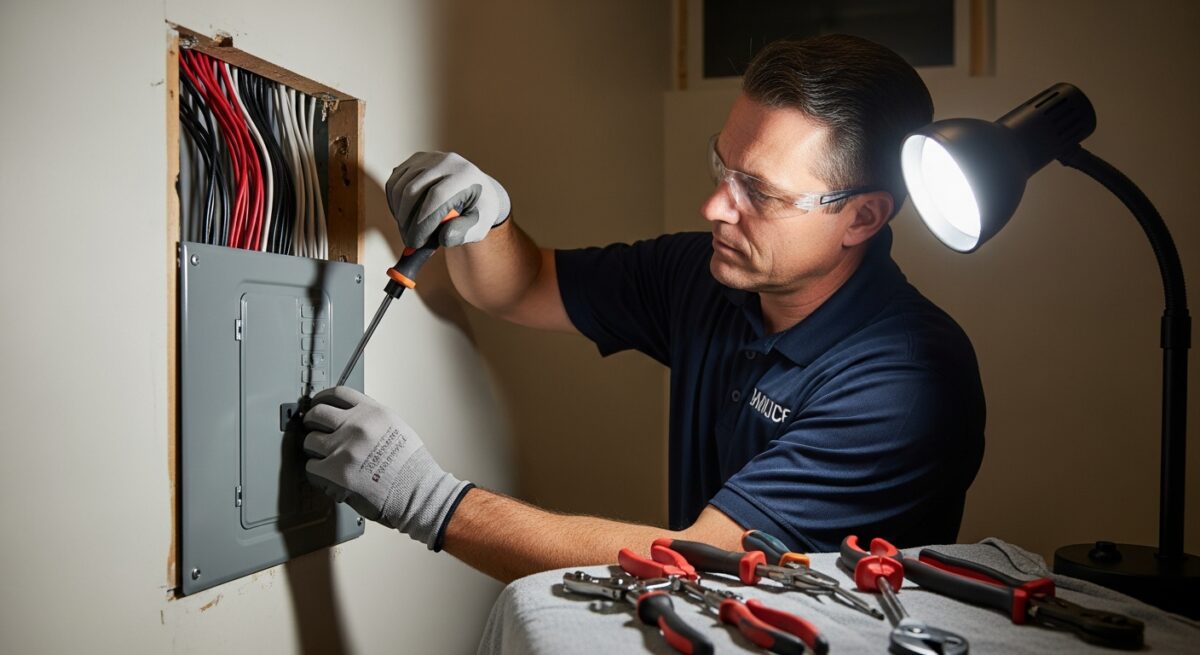
Your home’s breaker panel is the silent guardian of your entire electrical system. It’s the metal box, usually in your basement or garage, that controls and protects every circuit in your house. When it works perfectly, you don’t think about it. But when something goes wrong,flickering lights, frequent breaker trips, or the need for more power,finding the right breaker panel contractor becomes your most important home safety decision. This isn’t a job for a general handyman; it requires a licensed, specialized professional who understands the complex and potentially dangerous world of your home’s electrical heart.
What Is a Breaker Panel Contractor?
A breaker panel contractor is a licensed electrical professional who specializes in the installation, repair, replacement, and upgrading of electrical service panels. Think of them as the electrician who focuses on the central hub of your home’s power. They have the specific training and certifications to work safely with high-amperage service lines from the utility company and ensure your entire electrical system meets strict national and local safety codes.
Their expertise goes beyond just swapping out an old box. They assess your home’s entire electrical load, plan for future needs, and ensure the new panel integrates seamlessly and safely with your existing wiring. This is critical work that protects your family and your biggest investment,your home.
More Than Just an Electrician
While all breaker panel contractors are electricians, not all electricians specialize in panel work. A dedicated panel contractor has extensive experience with the specific challenges of service upgrades, complex wiring configurations, and navigating the permit and inspection process with your local building department. They are the experts you call for the big, foundational electrical projects.
Why It Matters for Homeowners
Your breaker panel is not something to take chances with. A faulty or outdated panel is a leading cause of electrical fires in homes. Hiring a qualified professional ensures the job is done correctly, with proper materials and techniques that keep your home safe for decades. It’s about peace of mind, knowing that the system protecting your appliances, electronics, and wiring is robust and reliable.
Beyond safety, a modern, properly sized panel unlocks your home’s potential. Are you adding a home office, an electric vehicle charger, or a gourmet kitchen? These upgrades demand more power. An undersized or outdated panel can’t handle that load, leading to constant breaker trips. A professional contractor can install a panel with the capacity to power your modern lifestyle safely and efficiently.
Call us now at (555) 123-4567 for a free, no-obligation assessment of your breaker panel. Let our licensed experts ensure your home’s electrical system is safe, up-to-code, and ready for anything.
Common Issues and Their Causes
Breaker panels can develop problems over time. Recognizing these issues is the first step toward a solution. One of the most frequent complaints is breakers that trip constantly, even under normal load. This is often a sign that your panel is overloaded. Your home’s electrical demand has simply outgrown the panel’s original capacity, a common issue in older homes.
Another serious concern is physical signs of trouble on the panel itself. This includes rust or corrosion inside the box (often from moisture), a burning smell, or the panel feeling warm or hot to the touch. These are red flags indicating failing components, loose connections, or overheating,all immediate fire hazards that require professional attention.
- Frequent Breaker Trips: Caused by overloaded circuits, a faulty breaker, or a short circuit.
- Buzzing or Crackling Sounds: Indicates loose wiring connections or arcing inside the panel.
- Breakers That Won’t Reset: Often points to a persistent short circuit or a completely failed breaker.
- Outdated Technology: Fuse boxes or very old breaker types (like Federal Pacific or Zinsco panels) are known safety hazards.
- Lack of Space: No open slots for new circuits, forcing unsafe use of tandem breakers or extension cords.
How Professionals Fix the Problem
A professional breaker panel contractor follows a meticulous, safety-first process. It always begins with a thorough evaluation. They will inspect your current panel, assess your home’s total electrical load, and discuss your current and future needs. This allows them to recommend the perfect solution, whether it’s a repair, a like-for-like replacement, or a full service upgrade to higher amperage (like going from 100 amps to 200 amps).
Once a plan is approved, they handle all the details. This includes pulling the necessary permits from your local municipality,a crucial step that ensures the work will be inspected and certified. On installation day, they will coordinate with the utility company to safely disconnect power, methodically transfer all circuits to the new panel, and ensure every connection is perfect. Finally, they arrange for the official inspection to close the permit, giving you documented proof that your electrical system is safe and code-compliant.
- Assessment & Planning: Evaluate needs, choose correct panel size and type.
- Permitting: Secure all required local building permits.
- Safe Installation: Utility disconnect, meticulous wiring, and mounting.
- Testing & Inspection: Full system test and coordination with building inspector.
Don’t risk a DIY disaster with your home’s main electrical panel. Contact our licensed panel specialists today at (555) 123-4567 for a safe, code-compliant installation you can trust.
Signs You Should Not Ignore
Some electrical issues are minor, but certain warning signs coming from your breaker panel demand immediate action from a professional. Ignoring them can put your home and family at serious risk. If you notice any of the following, it’s time to call a breaker panel contractor.
A persistent burning smell near the panel is a major red flag. This indicates overheating insulation or melting components. Similarly, any visible signs of damage like scorch marks, melted plastic on the breakers, or rust and corrosion are clear indicators of failure. Your senses are powerful tools,if something looks, smells, or sounds wrong, it probably is.
- You have a fuse box instead of a circuit breaker panel.
- Your lights dim or flicker when appliances turn on.
- The panel feels warm, makes buzzing/humming noises, or emits a burning odor.
- You see visible rust, corrosion, or burn marks on the panel or breakers.
- You need to use extension cords or power strips constantly because you’re out of outlets.
Cost Factors and What Affects Pricing
The cost of hiring a breaker panel contractor varies, and understanding the factors helps you budget wisely. The single biggest factor is the scope of work. A simple repair of a single breaker costs far less than a complete panel replacement, which is less than a full service upgrade that involves the utility company and new meter equipment.
The amperage and brand of the new panel also affect price. Upgrading from 100 to 200 amps provides more power but requires a larger panel and heavier-gauge wiring, increasing material and labor costs. Furthermore, local labor rates and permit fees vary by region. While price is important, remember you are investing in expertise, safety, and long-term reliability. The cheapest quote may not include proper permitting or use lower-quality materials.
Ready for a transparent, upfront quote? Dial (555) 123-4567 now to schedule an in-home consultation. We provide detailed, written estimates with no hidden fees, so you know exactly what to expect.
How To Choose the Right Professional or Service
Selecting the right contractor is as important as the decision to upgrade. Always, without exception, verify that the electrician is fully licensed and insured for electrical work in your state and locality. This protects you from liability and ensures they have the required training. Don’t hesitate to ask for proof of both license and insurance.
Look for a contractor who specializes in panel work and has strong, verifiable references or online reviews from past customers. They should provide a detailed, written estimate that breaks down costs for materials, labor, and permits. A reputable professional will also pull all necessary permits and schedule the required inspections,if they suggest skipping this to “save money,” it’s a major red flag.
Long-Term Benefits for Your Home
Investing in a professional breaker panel upgrade pays dividends for years to come. The foremost benefit is enhanced safety, dramatically reducing the risk of electrical fire and protecting your family and belongings. Modern panels also use advanced technology, like AFCI and GFCI breakers, that provide superior protection against arc faults and shocks compared to older models.
You’ll also gain reliability and convenience. Say goodbye to nuisance trips when using the microwave and vacuum simultaneously. Furthermore, you secure increased home value and marketability. A updated, permitted electrical service is a major selling point, assuring potential buyers that the home’s core systems are safe and modern. It’s an investment that protects, powers, and adds value to your entire home.
Frequently Asked Questions
How do I know if my breaker panel needs to be replaced?
Common signs include frequent breaker trips, a burning smell, visible rust or scorch marks, an old fuse box, or a panel that feels warm. If your home still has a 60 or 100-amp service or a known hazardous brand (like Federal Pacific), replacement is strongly recommended.
What is the difference between a panel repair and a full replacement?
A repair might fix a single faulty breaker or a loose connection. A full replacement involves installing a completely new panel box, which is necessary for upgrades, addressing widespread damage, or replacing outdated and unsafe equipment.
How long does a breaker panel upgrade take?
A standard panel replacement for an experienced contractor typically takes one full day. A more complex service upgrade (increasing amperage) may take 1-2 days, depending on utility coordination and the extent of new wiring required.
Will I need to update all my home’s wiring when I upgrade the panel?
Not necessarily. A professional can often connect your existing wiring to a new, modern panel. However, the inspection may reveal outdated wiring (like knob-and-tube) that needs to be updated for safety, which your contractor will discuss with you.
Do I need a permit to replace my electrical panel?
Yes, absolutely. Permits are legally required for this work. A reputable contractor will pull all necessary permits and schedule the required inspections to ensure the installation meets all safety codes.
Can I stay in my home during the panel replacement?
You can, but you will be without power for several hours during the core installation work. Planning for this inconvenience is important. Your contractor will give you a clear timeline so you can prepare.
What does “200-amp service” mean?
It refers to the maximum amount of electrical current your home’s main service can provide. Modern homes with multiple appliances, HVAC systems, and electronics typically require 200-amp service, whereas older homes may only have 100 or 60 amps.
Are there financing options available for this kind of project?
Many reputable electrical contractors offer financing options to help homeowners manage the cost of a necessary safety upgrade. Be sure to ask about available payment plans during your consultation.
Your home’s electrical panel is the foundation of safety and functionality for everything that powers your daily life. By understanding its importance, recognizing warning signs, and partnering with a qualified, licensed breaker panel contractor, you make a smart investment in your home’s security, efficiency, and value. Don’t wait for a small problem to become an emergency,take proactive steps to ensure your electrical system is safe, robust, and ready to serve your family for years to come.