How to Avoid Hidden Contractor Costs: A Homeowner Guide
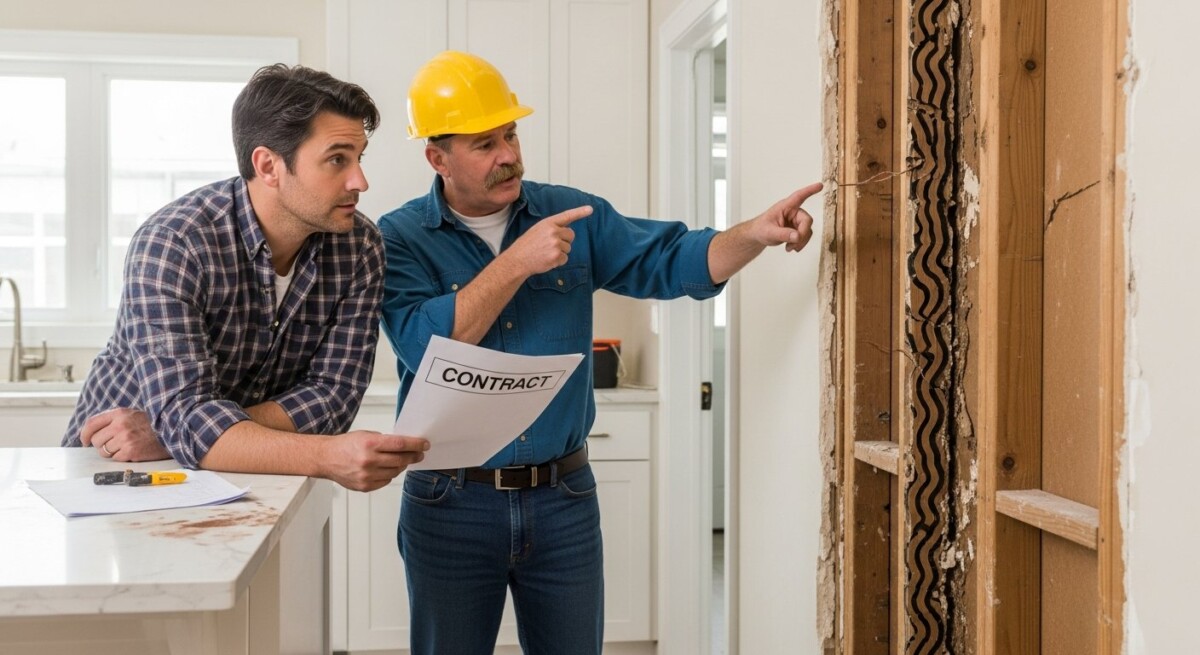
You finally decided to remodel your kitchen. The estimate looked fair. The contractor seemed trustworthy. But halfway through the project, you received a change order for an extra $2,000 because of “unforeseen structural issues.” A week later, another fee appeared for materials that weren’t in the original quote. By the end, your budget was blown, and your trust was shattered. This scenario is far too common. Understanding how to avoid hidden contractor costs is essential for any homeowner planning a renovation or repair.
Hidden costs can turn a manageable project into a financial headache. They often appear after work begins, leaving you with little choice but to pay or pause the project. Learning to spot the warning signs and asking the right questions upfront can save you thousands of dollars and countless hours of stress.
Understanding How to Avoid Hidden Contractor Costs
Hidden contractor costs are fees that are not clearly stated in your initial estimate or contract. They can include charges for materials, labor, permits, cleanup, or unexpected repairs that arise during the project. These costs often catch homeowners off guard because they are buried in vague language or simply omitted from the original bid.
These surprises happen for several reasons. Some contractors deliberately lowball an estimate to win the job, planning to add charges later. Others lack experience and fail to anticipate common issues like outdated wiring or water damage behind walls. In either case, the homeowner ends up paying more than expected.
Homes that are older or have a history of DIY repairs are especially vulnerable. If your home was built before 1990, there is a higher chance of encountering non-standard materials, outdated systems, or hidden damage. Our guide on avoiding hidden contractor costs walks through the most common pitfalls and how to protect your budget.
Why Estimates Often Miss Hidden Costs
A basic estimate typically covers visible work. It assumes walls are dry, wires are up to code, and pipes are in good shape. But once demolition starts, contractors often find problems that weren’t visible during a walkthrough. Mold, rot, corroded plumbing, and outdated electrical panels are common discoveries that add significant cost.
Why This Matters for Your Home
Ignoring the risk of hidden costs can lead to serious consequences. When your budget runs out mid-project, you may be forced to accept lower-quality materials, unfinished work, or even abandoned projects. This can reduce your home’s value and create safety hazards.
Safety risks are another major concern. If a contractor cuts corners to stay within a low initial bid, they might skip important steps like proper waterproofing or structural reinforcement. This can lead to mold growth, foundation issues, or even collapse over time. Your family’s safety depends on work being done correctly from the start.
Delaying necessary repairs also increases costs. A small leak behind a shower wall can turn into extensive rot that requires full wall replacement. What could have been a $500 fix becomes a $5,000 renovation. Acting early and hiring a professional who provides a transparent, detailed quote is the smartest way to protect your home and your wallet.
If you notice signs of this issue in your home, it may help to speak with a qualified contractor. Request a free quote or call 1-800-555-0199 to explore your repair or remodeling options.
Common Problems Homeowners Experience
Hidden costs appear in many forms. Some homeowners discover that their contractor charges extra for disposal of debris, even though they assumed it was included. Others find that the price of materials has increased since the estimate was written, and the contractor expects them to cover the difference.
Another frequent issue is the “time and materials” trap. A contractor may quote a flat fee for the project but later switch to hourly billing when unexpected work arises. Without a clear contract, you have little recourse. These problems are most common in projects that involve opening walls, moving plumbing, or upgrading electrical systems.
- Change orders for work that should have been included in the original scope
- Unexpected permit fees or inspection costs
- Charges for cleanup, dumpster rental, or disposal
- Price increases for materials after the contract is signed
- Fees for subcontractors that were not listed in the estimate
- Costs to repair damage caused by the contractor’s workers
How Professionals Solve the Problem
Experienced contractors prevent hidden costs by providing detailed, line-item estimates. They inspect the property thoroughly before quoting and include allowances for common surprises like drywall repair or electrical updates. A professional will also explain exactly what is and isn’t covered in the price.
The typical process for a reliable contractor includes several key steps. First, they perform a comprehensive site evaluation, often using tools like moisture meters or thermal cameras. Next, they create a written contract that specifies materials, labor, timeline, and payment schedule. Finally, they communicate regularly with the homeowner, providing updates and seeking approval before any additional work begins.
Professional work is almost always safer and more reliable than DIY fixes. Licensed contractors carry insurance that protects you if something goes wrong. They also know local building codes, which prevents costly rework later. In our detailed guide, we explain how vetting contractors saves money in the long run.
- Initial consultation and property inspection
- Detailed written estimate with line-item costs
- Signed contract with clear scope of work
- Permits obtained by the contractor
- Regular progress updates and change order approvals
- Final walkthrough and payment upon completion
A professional inspection can reveal hidden issues before they become expensive repairs. Compare contractor quotes here or call 1-800-555-0199 to discuss your project.
Warning Signs You Should Not Ignore
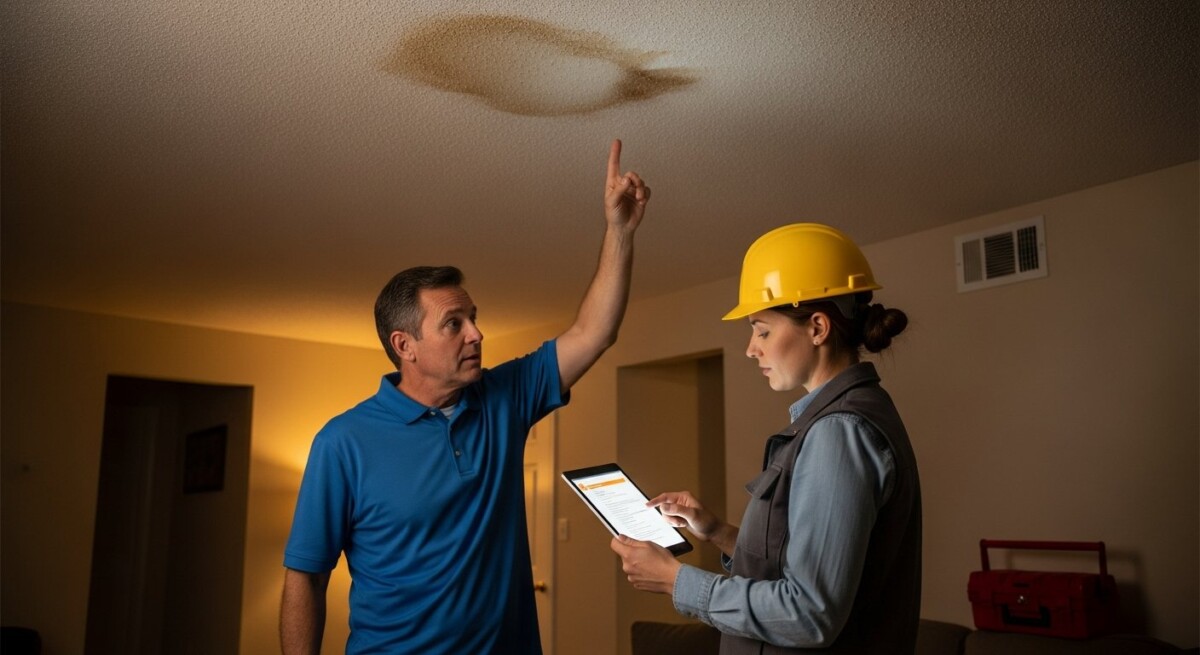
Your home often gives clues that hidden costs are lurking. Cracks in walls, musty odors, or water stains on ceilings suggest underlying problems that will surface during a renovation. If you notice these signs before hiring a contractor, you can address them in the initial estimate.
Ignoring these warning signs can lead to costly surprises. For example, a musty smell in the basement might indicate a slow leak that has caused mold behind drywall. If you hire a contractor to finish the basement without addressing the leak first, you will likely face mold remediation costs later.
Being proactive saves money. Before you sign a contract, ask the contractor to inspect areas that are prone to hidden issues. A thorough inspection of attics, crawl spaces, and exterior walls can uncover problems that would otherwise remain hidden until work begins.
- Water stains or discoloration on ceilings or walls
- Musty or damp odors in basements or bathrooms
- Cracks in foundation walls or uneven floors
- Outdated electrical panels or frequent breaker trips
- Old plumbing that shows signs of corrosion or leaks
- Windows or doors that stick, indicating foundation movement
What Affects the Cost of Repairs or Installation
Several factors influence the final price of a home improvement project. The size and complexity of the work are the most obvious. A full kitchen remodel will cost more than a simple cabinet refacing. But hidden factors can also drive up costs significantly.
Materials play a major role. Premium materials like quartz countertops or hardwood flooring cost more than budget options. However, the cheapest materials may not last, leading to higher maintenance costs over time. Labor rates vary by region and by the contractor’s experience level. Accessibility also matters,if your bathroom is on the third floor and has no elevator, expect higher labor charges.
The age of your home is another critical factor. Older homes often have non-standard sizes for windows, doors, or fixtures, requiring custom orders. They may also have outdated wiring or plumbing that must be brought up to code before any new work can begin. A professional contractor will factor these variables into a realistic estimate.
Costs can vary depending on the condition of your home. The best way to know the price is to get a personalized estimate. Request free quotes from contractors or call 1-800-555-0199 today.
How to Choose the Right Contractor
Selecting the right contractor is the most effective way to avoid hidden costs. A reputable contractor will be transparent about pricing, communicate clearly, and stand behind their work. Start by asking for recommendations from friends, family, or neighbors who have had similar work done.
Always verify that the contractor is licensed and insured. Licensing requirements vary by state, but a valid license indicates that the contractor has met basic standards. Insurance protects you if a worker is injured on your property or if the work causes damage. Without insurance, you could be held liable for medical bills or repair costs.
Getting multiple quotes is essential. Comparing at least three estimates helps you understand the market rate for your project and spot unusually low or high bids. A bid that is significantly lower than others may indicate that the contractor is cutting corners or planning to add hidden charges later.
- Check the contractor’s license and insurance coverage
- Read online reviews on platforms like Google, Yelp, or the Better Business Bureau
- Ask for and call at least three recent references
- Request a detailed, written estimate with line items for materials, labor, permits, and cleanup
- Confirm the contractor has experience with projects similar to yours
Long-Term Benefits of Professional Work
Investing in professional work pays off over time. A well-executed renovation increases your home’s resale value, making it easier to sell when the time comes. Buyers are willing to pay more for a home with updated kitchens, bathrooms, and energy-efficient systems that were installed by licensed professionals.
Safety is another long-term benefit. Professional contractors follow building codes and safety standards, reducing the risk of fire, electrical shock, or structural failure. You and your family can enjoy your home with peace of mind, knowing that the work was done correctly.
Energy efficiency is a major advantage of professional installations. Properly installed windows, insulation, and HVAC systems reduce your utility bills year after year. Over a decade, these savings can offset the initial cost of the project. Professional work also requires less maintenance, saving you time and money on future repairs.
Frequently Asked Questions
How can I avoid hidden costs when hiring a contractor?
Start by getting multiple written estimates that include a detailed scope of work. Ask each contractor to specify what is and isn’t included. Review the contract carefully before signing, and never pay the full amount upfront. A reputable contractor will allow you to pay in installments tied to project milestones.
What should be included in a contractor’s estimate?
A thorough estimate should list materials, labor, permit fees, cleanup, and disposal costs. It should also include a timeline and payment schedule. Avoid estimates that use vague terms like “supplies” or “miscellaneous” without explanation.
Why do some contractors charge less than others?
Lower bids may reflect lower-quality materials, less experienced workers, or a strategy to win the job and add charges later. Always compare the scope of work, not just the total price. A middle-range bid from a well-reviewed contractor is often the safest choice.
Is it normal for contractors to ask for a deposit?
Yes, but the deposit should be reasonable,typically 10% to 25% of the total cost. Never pay more than 50% upfront. In many states, contractors are legally limited in how much they can collect before starting work. Check your local laws.
What is a change order, and how can it affect my budget?
A change order is a written document that modifies the original contract. It adds or removes work and adjusts the price accordingly. Always require a signed change order before any extra work begins. This prevents disputes over unexpected charges.
How do I verify a contractor’s license and insurance?
Ask for their license number and insurance certificate. You can verify the license through your state’s contractor licensing board. For insurance, call the insurance company listed on the certificate to confirm the policy is active and covers the type of work you need.
What should I do if a contractor demands more money mid-project?
First, review your contract to see if the work is already included. If it is not, ask for a written change order explaining why the extra cost is necessary. You have the right to pause the project and get a second opinion before agreeing to additional charges.
Hidden contractor costs don’t have to derail your home improvement project. By understanding where these costs come from and how to spot them early, you can protect your budget and your peace of mind. The key is to do your homework before work begins: get multiple quotes, ask the right questions, and hire a contractor who values transparency. If you are planning a renovation or repair, start by comparing estimates from trusted professionals in your area. It is the simplest way to ensure your project stays on track and on budget.