What Happens When a Contractor Underbids Your Project
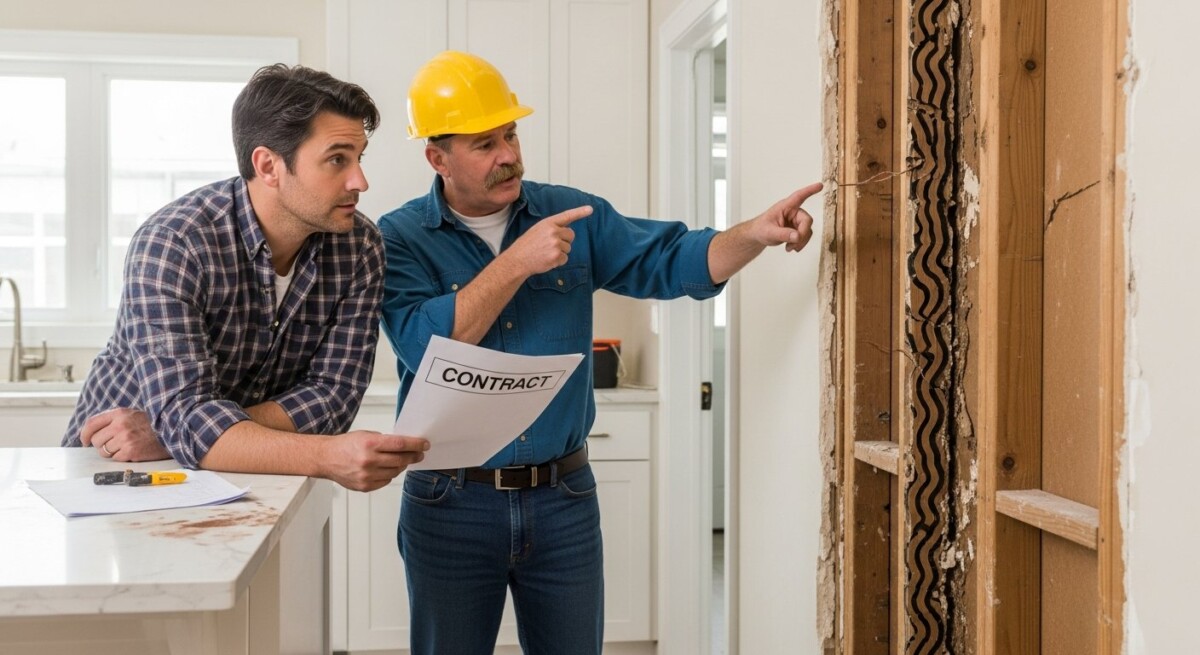
You finally decide to remodel your kitchen, finish the basement, or replace the driveway. You collect a few bids, and one contractor comes in significantly lower than the rest. It feels like a win,until the project starts falling apart. If you have ever wondered what happens if contractor underbids project, you are not alone. Many homeowners discover the hard way that a low bid often leads to hidden fees, unfinished work, or subpar materials. Understanding this issue early can save you thousands of dollars and months of stress.
Understanding What Happens If Contractor Underbids Project
A contractor underbids when they submit a price that is too low to cover the actual costs of labor, materials, permits, and overhead. This happens for several reasons. Some contractors make honest mistakes in estimating. Others intentionally lowball to win the job, planning to cut corners or ask for more money later.
Homes of any age or size can be affected, but older homes and complex renovations are especially vulnerable. When a contractor realizes they are losing money, they may rush the work, use cheaper materials, or abandon the project entirely. The result is almost always a lower-quality outcome that costs you more in the long run.
Why Underbidding Is So Common
The construction industry is competitive, and many contractors feel pressure to offer the lowest price. Unfortunately, this creates a race to the bottom where the homeowner suffers. In our guide on the best way to compare contractor bids for your home project, we explain how to spot unrealistic numbers before you sign a contract.
Why This Matters for Your Home
An underbid project rarely ends well. The most immediate impact is on your budget. Change orders, unexpected fees, and delays add up quickly. What started as a $15,000 bathroom remodel can balloon to $25,000 before the tile is even laid.
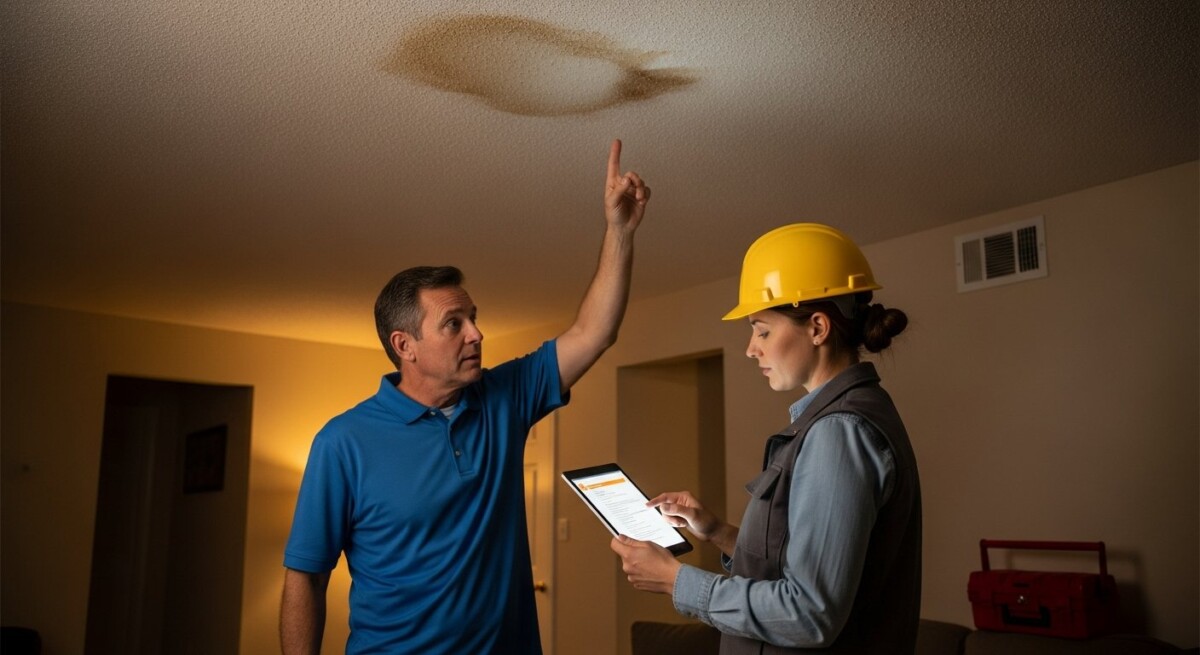
Beyond the financial hit, there are safety risks. A contractor cutting corners might skip critical structural work, use unapproved wiring, or install plumbing that leaks. These issues can lead to water damage, mold, or even fire hazards. Your property value also takes a hit when work is done poorly.
Delaying corrective repairs only makes things worse. A small leak becomes a rotted subfloor. A poorly framed wall can lead to sagging ceilings. Addressing the problem early with a qualified professional is always the smarter move.
If you notice signs of this issue in your home, it may help to speak with a qualified contractor. Request a free quote or call to explore your repair or remodeling options.
Common Problems Homeowners Experience
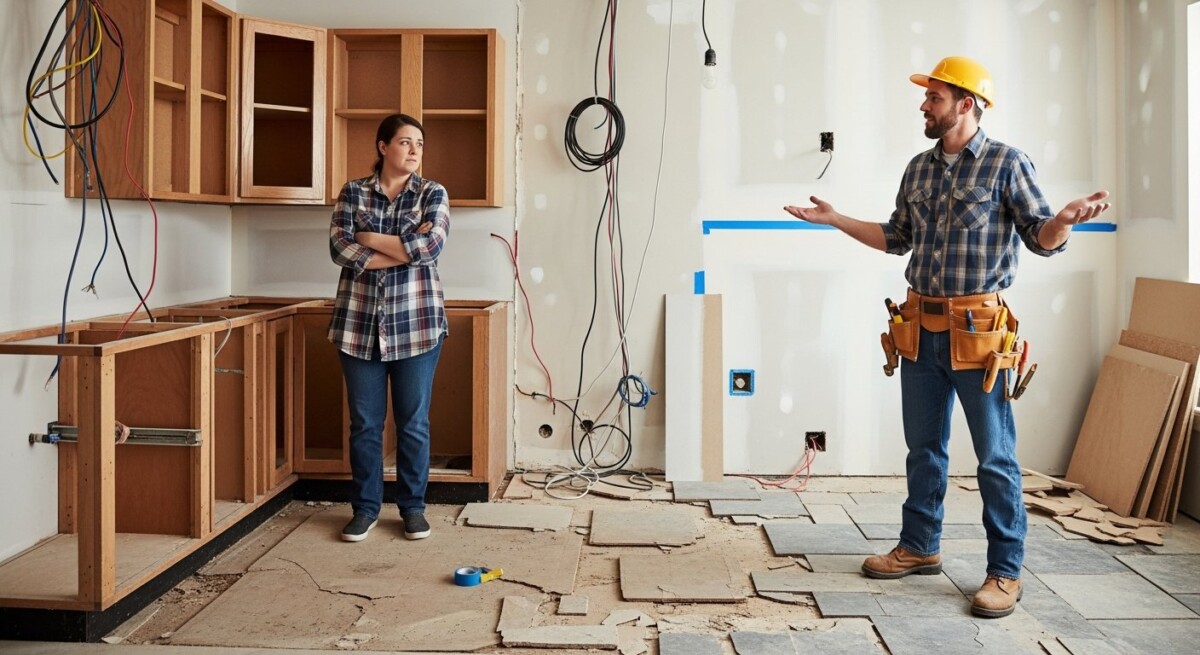
Homeowners who accept an underbid often face a cascade of problems. The work may start strong, but quality drops quickly as the contractor tries to cut costs. You might notice uneven paint, crooked cabinets, or gaps in flooring.
Other common issues include unfinished punch-list items, missing permits, and subcontractors who have not been paid. In some cases, the contractor simply stops showing up. You are left with a half-finished project and no easy way to get your money back.
- Visible damage like cracked drywall, uneven surfaces, or poor paint lines
- Performance problems such as doors that do not close or windows that leak
- Structural concerns including sagging beams or improperly supported walls
- Use of cheap materials that wear out quickly or do not match specifications
- Missing or expired permits that create issues when you sell your home
- Unpaid subcontractors who may place a lien on your property
How Professionals Solve the Problem
Experienced contractors know how to avoid the traps of underbidding. They start with a thorough inspection of your home and a detailed scope of work. Every material, labor hour, and permit is accounted for before a price is given.
When a professional takes over a project that was underbid by someone else, they first assess what has been done and what still needs to be completed. They may need to tear out shoddy work and start fresh. While this sounds frustrating, it is often the only way to ensure safety and quality.
- Conduct a full inspection of the existing work and identify code violations
- Create a detailed repair plan with itemized costs for materials and labor
- Pull necessary permits and schedule inspections with local authorities
- Complete the work using quality materials and skilled tradespeople
- Perform a final walkthrough to ensure everything meets your expectations
Professional work is safer and more reliable than DIY fixes or trusting a low bid. A qualified contractor stands behind their work with warranties and guarantees. For more insights, read our article on what happens when a contractor underbids your project.
A professional inspection can reveal hidden issues before they become expensive repairs. Compare contractor quotes here or call to discuss your project.
Warning Signs You Should Not Ignore
You do not need to be a construction expert to spot the early signs of an underbid project. If your contractor asks for large upfront payments, changes the scope verbally without written updates, or uses materials that differ from the original proposal, pay attention.
Other red flags include a crew that seems disorganized, work that falls behind schedule without explanation, or a contractor who is difficult to reach. Trust your gut. If something feels off, it probably is.
- Contractor asks for more than 30% down before work begins
- Materials delivered do not match what was specified in the contract
- Work stops for several days with no communication
- Subcontractors tell you they have not been paid
- Permits are not posted on site or the contractor avoids discussing them
- The final price keeps creeping up with vague “unforeseen” charges
What Affects the Cost of Repairs or Installation
If you need to fix a project that was underbid, several factors influence the final cost. The size of the repair matters most. A small bathroom redo is cheaper than a whole-house renovation. Materials also drive the price,solid hardwood costs more than laminate, and custom cabinetry is pricier than stock options.
Labor costs vary by region and the complexity of the work. Accessibility is another factor. A second-floor bathroom is harder to work on than a ground-floor powder room. Older homes may contain outdated wiring, lead paint, or asbestos, which require special handling and increase the bill.
Costs can vary depending on the condition of your home. The best way to know the price is to get a personalized estimate. Request free quotes from contractors or call today.
How to Choose the Right Contractor
Choosing the right contractor is the single most important step in any home project. Do not base your decision solely on price. Instead, look for a contractor who takes the time to understand your needs and provides a detailed, written estimate.
Ask for references and check online reviews. A reputable contractor will have a history of satisfied customers and completed projects. They should also carry general liability insurance and workers’ compensation coverage to protect you in case of an accident.
- Verify the contractor’s license with your state or local licensing board
- Ask for proof of insurance and call the provider to confirm coverage
- Read customer reviews on Google, Yelp, and the Better Business Bureau
- Get at least three detailed estimates before making a decision
- Confirm the contractor has experience with projects similar to yours
For more help, check out our guide on how to select the best contractor bid for your home project.
Long-Term Benefits of Professional Work
Investing in professional work pays off over time. A properly completed renovation or repair lasts longer and performs better. Your home is safer, more comfortable, and more energy-efficient. Professional work also adds to your property’s resale value.
When you hire a qualified contractor, you get peace of mind. You know the work meets local building codes and industry standards. You also have a clear warranty in case something goes wrong. Avoiding the underbid trap means fewer headaches and a better outcome for your home and family.
Ultimately, the goal is to enjoy your home without worrying about hidden problems. Professional contractors help you get there efficiently and safely.
What is a contractor underbid?
A contractor underbid occurs when the price quoted for a project is too low to cover the actual costs. This can happen due to an honest mistake or intentional deception. Homeowners often discover the issue when unexpected charges appear or work quality declines.
Can a contractor ask for more money after underbidding?
Yes, many contractors who underbid will request additional funds through change orders. They may claim that unforeseen issues arose, but often the low bid was unrealistic from the start. Always get a detailed contract that limits price increases.
How do I know if a bid is too low?
Compare multiple quotes for the same scope of work. If one bid is 30% or more below the others, it is a red flag. Ask the contractor to explain how they arrived at that number and verify that all materials and labor are included.
What should I do if my contractor underbid and wants to stop work?
First, review your contract to understand your rights. You may need to hire a new contractor to complete the job. Document everything, including photos of unfinished work and copies of all communications. A lawyer can advise you on legal options.
Is it ever safe to accept a low bid?
It can be safe if the contractor has strong references, a detailed scope of work, and a solid reputation. Low bids from established companies are sometimes due to efficient processes or bulk material discounts. Always verify before signing.
How do I find a reliable contractor?
Use a platform like FreeQuotes.Contractors to connect with pre-vetted professionals. Check licenses, insurance, and online reviews. Get multiple quotes and ask for references from recent jobs similar to yours.
What happens if my contractor walks off the job?
You may need to file a complaint with your state licensing board and pursue legal action. A new contractor can assess the incomplete work and provide a finish bid. Act quickly to prevent further damage or theft of materials.
Can underbidding affect my home’s resale value?
Yes, poor workmanship from an underbid project can lower your home’s value. Buyers and home inspectors will notice issues like uneven floors, leaking fixtures, or unpermitted work. Professional repairs restore value and marketability.
Understanding what happens if contractor underbids project helps you make smarter decisions for your home. The best way to protect yourself is to compare multiple quotes, check credentials, and trust your instincts. Do not let a low price trick you into a costly mistake. Reach out to qualified contractors, ask the right questions, and move forward with confidence.