How to Reduce Home Renovation Costs: Smart Tips for Homeowners

You finally decide to remodel your outdated kitchen or finish the basement. You start browsing tiles and cabinets online, dreaming of the final result. Then the first contractor quote arrives, and your excitement turns to shock. The price is thousands more than you expected. You wonder if there is a way to achieve your vision without draining your savings. This scenario happens to countless homeowners every year. The good news is that you do not have to sacrifice quality to stay within your budget. Learning how to reduce home renovation costs starts with understanding where your money goes and making smarter decisions from day one.
Understanding How to Reduce Home Renovation Costs
Reducing home renovation costs is about more than just picking the cheapest materials. It involves strategic planning, knowing when to hire a pro, and avoiding common financial traps. Many homeowners overspend because they skip the research phase or rush into a project without a clear budget. The result is often change orders, delays, and unexpected expenses that pile up quickly.
Cost overruns happen for several reasons: hidden structural issues, poor material choices, or hiring the wrong contractor. Older homes, especially those built before 1980, often hide surprises like outdated wiring, asbestos, or rotten wood. Newer homes can also present challenges if previous renovations were done without permits. Any home can benefit from a cost-conscious approach, but older properties typically require extra attention during planning.
Why This Matters for Your Home
Ignoring the financial side of a renovation can lead to serious consequences. When you run out of money mid-project, you may be forced to stop work or use inferior materials. This can compromise the safety and durability of your home. For example, cutting corners on waterproofing in a bathroom can lead to mold growth and structural damage within months.
Beyond safety, unfinished or poorly executed renovations reduce your property’s value. A half-finished basement or a kitchen with mismatched cabinets is a red flag for future buyers. Comfort also suffers. Drafty windows, inefficient insulation, or a poorly laid floor make daily life less enjoyable. The longer you delay addressing these issues properly, the more expensive they become. Small leaks turn into major plumbing repairs. Minor cracks in concrete become foundation problems. Acting early and wisely saves you money in the long run.
If you notice signs of this issue in your home, it may help to speak with a qualified contractor. Request a free quote or call to explore your repair or remodeling options.
Common Problems Homeowners Experience
Homeowners often encounter the same types of budget-busting problems during renovations. One of the most common is discovering hidden damage after demolition begins. You open a wall to update electrical wiring and find termite damage or mold. Suddenly, you need to pay for pest control and structural repairs before you can move forward.
Another frequent issue is scope creep. You start with a simple plan to replace flooring, then decide to upgrade the trim, then the baseboards, and soon you are repainting the entire room. Each change adds cost and time. Many homeowners also underestimate labor expenses, especially for specialized trades like plumbing or electrical work. Without a detailed contract, these costs can balloon unexpectedly.
- Hidden water damage behind walls or under floors
- Outdated electrical systems that require full rewiring
- Asbestos or lead paint discovered during demolition
- Structural issues like sagging beams or foundation cracks
- Permit delays that push back the project timeline
- Material price increases between quote and purchase
How Professionals Solve the Problem
Experienced contractors bring more than tools to your project,they bring knowledge that prevents costly mistakes. A professional starts with a thorough inspection to identify potential issues before work begins. They can spot signs of water damage, poor ventilation, or structural weakness that an untrained eye would miss. This upfront assessment helps you plan for real costs instead of being blindsided later.
Contractors also have established relationships with suppliers. They often get discounts on materials that are not available to the general public. This alone can reduce your overall expenses by 10 to 20 percent. Additionally, professionals handle permits and inspections correctly the first time. Failing a permit inspection because of DIY work can lead to fines and expensive rework. Hiring a pro protects your investment and keeps the project on track.
- Initial consultation and inspection: The contractor visits your home, assesses the space, and discusses your goals and budget.
- Detailed estimate: You receive a written proposal that breaks down materials, labor, permits, and timeline.
- Planning and material ordering: The contractor orders materials, schedules subcontractors, and secures necessary permits.
- Demolition and preparation: Old materials are removed carefully to avoid damaging adjacent structures.
- Installation or construction: Skilled trades complete the work following building codes and manufacturer specifications.
- Final inspection and cleanup: The contractor ensures everything meets code, cleans the worksite, and walks you through the finished project.
A professional inspection can reveal hidden issues before they become expensive repairs. Compare contractor quotes here or call to discuss your project.
Warning Signs You Should Not Ignore
Your home often gives you clues that a renovation is needed,or that costs are about to rise. Pay attention to these signals so you can address problems early. For instance, a musty smell in the basement usually indicates moisture intrusion. Ignoring it now means paying for mold remediation and new drywall later. Similarly, cracks in your foundation or walls may seem cosmetic, but they can signal structural movement that worsens over time.
Early action is your best defense against escalating expenses. A small leak under the sink, if fixed promptly, costs a plumber a few hundred dollars. Let it sit for six months, and you could be replacing cabinets, flooring, and subflooring for thousands. The same principle applies to roofing, windows, and HVAC systems. Regular inspections catch small problems before they become major projects.
- Water stains on ceilings or walls
- Peeling paint or wallpaper near windows or doors
- Drafts or uneven temperatures between rooms
- Strange smells from drains, walls, or the attic
- Visible mold or mildew in bathrooms or basements
- Doors or windows that stick or do not close properly
What Affects the Cost of Repairs or Installation
Several factors influence how much you will pay for a renovation. The size of the project is the most obvious. A full kitchen remodel costs more than replacing countertops and hardware. However, even within similar projects, prices vary widely based on material choices. Solid quartz countertops cost significantly more than laminate, for example. Labor rates also differ by region and trade. Electricians and plumbers typically charge higher hourly rates than painters or drywall installers.
Accessibility of the work area matters too. A bathroom on the third floor with narrow stairways will cost more to renovate than a first-floor powder room. The age and condition of your home play a role as well. Older homes may require specialty materials or extra labor to match existing styles. Permits, disposal fees, and unexpected structural repairs can add 10 to 30 percent to your total cost. The only way to know your specific price is to get a personalized estimate from a local contractor.
Costs can vary depending on the condition of your home. The best way to know the price is to get a personalized estimate. Request free quotes from contractors or call today.
How to Choose the Right Contractor
Selecting the right contractor is one of the most important decisions you will make during a renovation. A good contractor saves you money by completing the job on time and on budget. A bad contractor can cost you thousands in delays, shoddy work, and legal fees. Start by asking for recommendations from friends, family, or neighbors who have recently completed similar projects. Online reviews on platforms like Google and Angi provide additional insight into a contractor’s reputation.
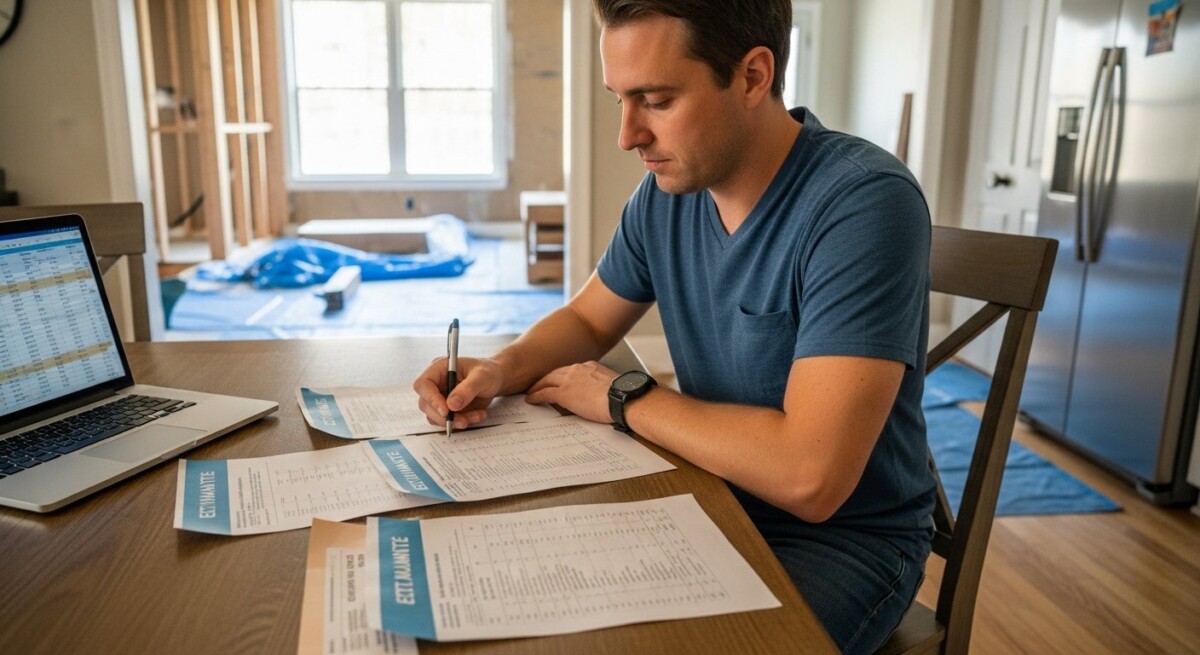
Always verify that a contractor is licensed and insured. A license shows they meet state requirements, and insurance protects you if someone is injured on your property. Ask for at least three detailed written estimates. Compare not just the total price, but the scope of work, materials specified, and payment schedule. Avoid contractors who demand large upfront payments or cash-only deals. A trustworthy professional will be transparent about costs and happy to answer your questions.
- Check for a valid contractor license and liability insurance
- Read online reviews and ask for references from recent clients
- Request itemized estimates that list materials, labor, and permit costs
- Compare at least three quotes before making a decision
- Confirm the contractor has experience with your specific type of project
Long-Term Benefits of Professional Work
Investing in professional renovation work pays off for years to come. Quality installations last longer and require fewer repairs. A properly installed roof, for example, protects your home for 20 to 30 years. A DIY roof might save money upfront but could leak within five years, costing you far more in water damage. Professional contractors also follow building codes, which keeps your home safe and helps you pass inspections when you sell.
Energy efficiency is another major benefit. Professional window installation, insulation upgrades, and HVAC replacements reduce your monthly utility bills. Over time, these savings offset the initial cost of the renovation. Additionally, a well-executed remodel increases your home’s resale value. Kitchens, bathrooms, and finished basements consistently offer the highest return on investment. When you hire a pro, you protect your property, your comfort, and your financial future.
Can I save money by doing some of the work myself?
Yes, but only if you have the right skills and tools. Tasks like painting, demolition, and landscaping are often safe for DIY. However, electrical, plumbing, and structural work should be left to licensed professionals. Mistakes in these areas can cause safety hazards and cost more to fix than hiring a pro initially.
How many quotes should I get before hiring a contractor?
Get at least three written quotes from different contractors. This gives you a clear picture of the market rate and helps you spot unusually high or low bids. Be wary of quotes that are significantly lower than others,they may indicate subpar materials or inexperience.
What is the most expensive part of a kitchen renovation?
Cabinetry and countertops typically account for the largest portion of a kitchen remodel budget. Custom cabinets and natural stone surfaces are the most costly options. You can save by choosing semi-custom or stock cabinets and laminate or quartz countertops instead.
Should I renovate before selling my home?
It depends on your market and the condition of your home. Minor upgrades like fresh paint, new flooring, and updated fixtures often yield a good return. Major remodels may not recoup their full cost if you plan to sell within a year. Consult a real estate agent for advice tailored to your area.
How can I avoid unexpected costs during a renovation?
Set aside a contingency fund of 10 to 20 percent of your total budget. This covers surprises like hidden damage or material price increases. Also, get a detailed contract that specifies what is included and what is not, so you avoid change orders.
Is it cheaper to remodel or rebuild?
Remodeling is almost always cheaper than rebuilding from scratch. However, if your home has extensive structural damage or you want to change the floor plan dramatically, rebuilding may be more cost-effective in the long run. Get quotes for both options to compare.
What permits do I need for a home renovation?
Permit requirements vary by location and project scope. Most structural changes, electrical work, plumbing, and additions require permits. Your contractor should handle the permit process. Never skip permits,unpermitted work can lead to fines and complicate a future home sale.
How long does a typical bathroom renovation take?
A full bathroom remodel usually takes 3 to 6 weeks, depending on the size and complexity. Simple updates like replacing a vanity and toilet may take only a few days. Discuss the timeline with your contractor before signing a contract.
Renovating your home is a significant investment, but it does not have to break the bank. By planning carefully, recognizing warning signs early, and working with qualified professionals, you can achieve the home you want without financial stress. The key is to compare options and get multiple quotes before making any commitments. Request free contractor quotes today to see how affordable your dream renovation can be.