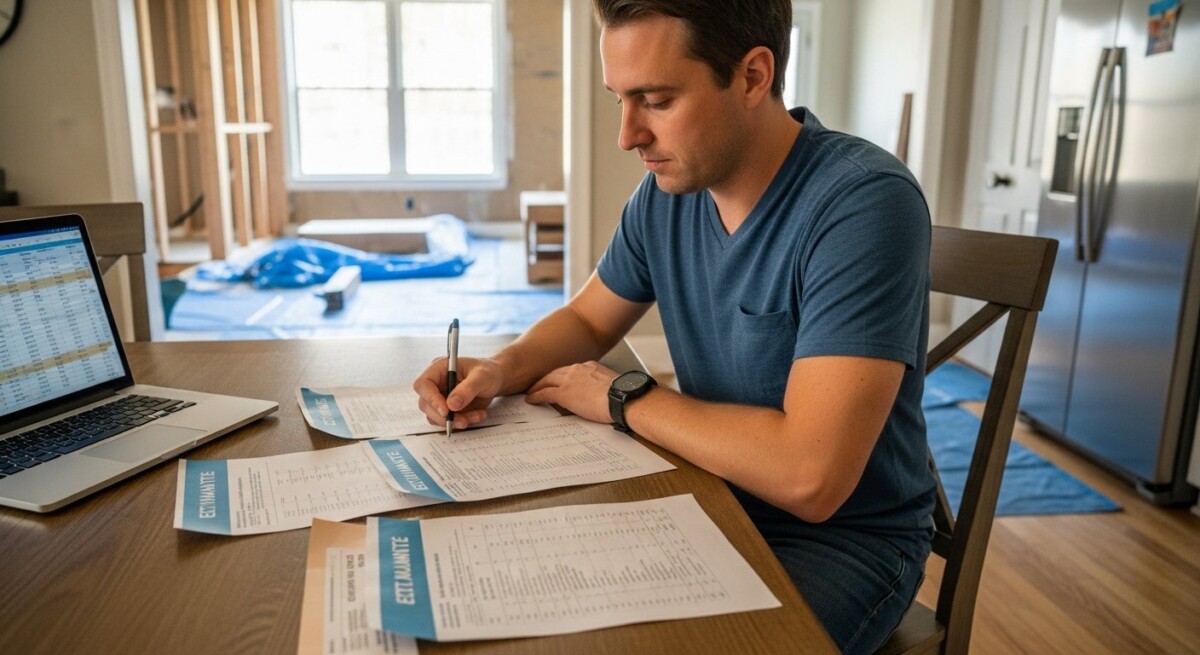
Home Renovation Budget Planner: A Practical Guide for Homeowners
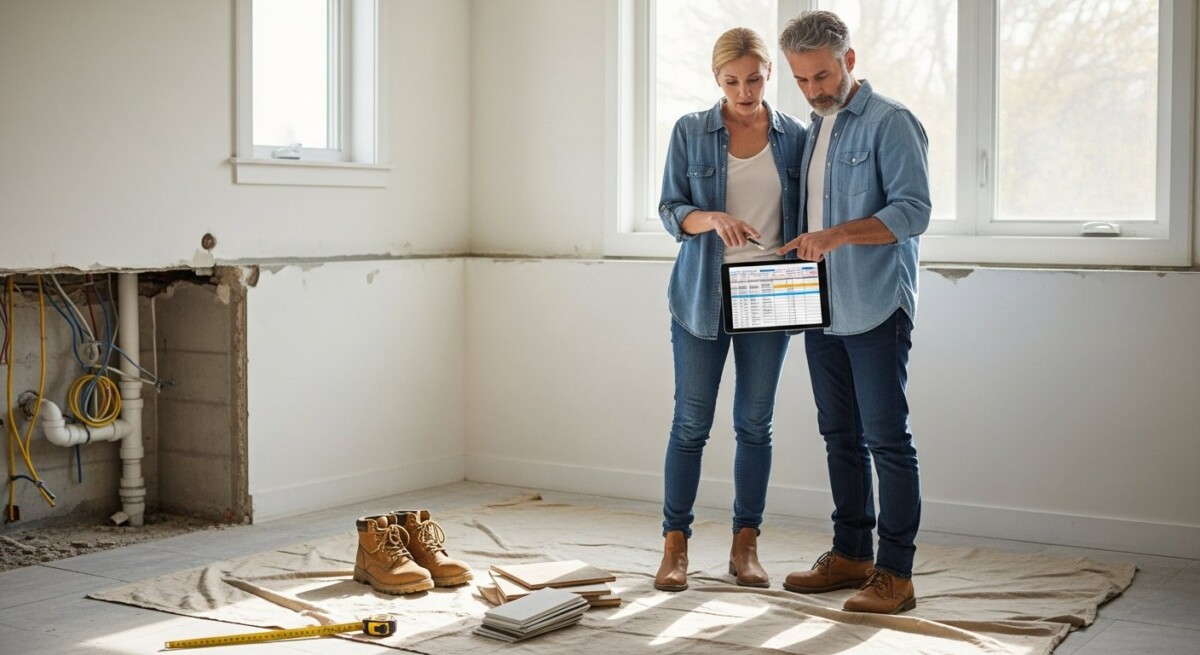
You finally decide to remodel your outdated kitchen or finish the basement. The excitement quickly fades when you start adding up material costs, labor, and unexpected surprises behind the walls. Without a home renovation budget planner, even a small project can spiral into financial stress and unfinished work. Many homeowners discover this problem only after they have already signed a contract and materials are being delivered. Ignoring proper budget planning can lead to project delays, cost overruns, and even safety hazards if corners are cut to save money.
Understanding home renovation budget planner
A home renovation budget planner is simply a tool or method you use to estimate, track, and control all costs related to your remodeling project. It helps you break down expenses like materials, labor, permits, and contingency funds so you do not run out of money halfway through the job. Think of it as a roadmap that keeps your project on track financially.
Why do so many homeowners skip this step? Often, they underestimate how many line items a renovation involves. Paint, flooring, fixtures, demolition, disposal, and unexpected structural issues all add up quickly. Homes older than 20 years are especially prone to hidden problems like outdated wiring or water damage that can blow a budget wide open.
Why a written plan matters more than a mental estimate
A mental estimate often misses key costs like dumpster rentals, temporary housing if you cannot live in the home, or upgraded electrical panels. Writing everything down forces you to research real prices and talk to contractors early. This simple step can save you thousands of dollars and weeks of stress.
Why This Matters for Your Home
Your home is likely your biggest investment. A poorly planned renovation can actually decrease its value if you overspend on features that do not appeal to future buyers. More importantly, running out of money mid-project often leads to rushed work or unfinished rooms, which creates safety risks like exposed wiring or unstable flooring.
Comfort also takes a hit. If your budget runs dry, you might end up living in a construction zone for months longer than expected. The longer you delay proper planning, the more you risk paying for emergency repairs later. For example, a small leak found during a bathroom remodel can turn into mold remediation if you cannot afford to fix it immediately.
If you notice signs of this issue in your home, it may help to speak with a qualified contractor. Request a free quote or call to explore your repair or remodeling options.
Common Problems Homeowners Experience
Without a solid home renovation budget planner, most homeowners face the same frustrating issues. They either underestimate the total cost or forget to include critical steps like permits and disposal fees. This often leads to project delays while you scramble for extra cash.
Another common problem is choosing cheap materials to stay within budget, only to replace them a few years later. This false economy ends up costing more in the long run. Some homeowners also discover that their contractor’s quote did not include everything, leading to surprise charges mid-project.
- Underestimating labor costs for skilled trades like plumbing or electrical work
- Forgetting permit fees, which can range from a few hundred to several thousand dollars
- Ignoring the cost of temporary housing or storage if the area becomes unusable
- Skipping a contingency fund of 10,20% for unexpected issues like mold or rot
- Choosing low-quality materials that fail quickly and need replacement
- Not comparing multiple contractor quotes, leading to overpaying for work
How Professionals Solve the Problem
Experienced contractors use a structured approach to budgeting that protects both you and them. They start with a detailed walkthrough of your home to identify potential hidden issues before giving you a price. This upfront inspection reduces the chance of surprise costs later.
Professionals also break down every expense in a written estimate, including materials, labor, permits, cleanup, and a timeline. They know which products hold up best in your climate and can recommend cost-effective alternatives without sacrificing quality. Hiring a pro is often safer and more reliable than DIY because they carry insurance and know local building codes.
- Inspect the area thoroughly to spot hidden damage or code violations
- Create a detailed scope of work with specific materials and finishes
- Provide a written estimate with line-item costs and a payment schedule
- Order materials in advance to avoid price increases or shortages
- Manage the project timeline to minimize disruption to your daily life
A professional inspection can reveal hidden issues before they become expensive repairs. Compare contractor quotes here or call to discuss your project.
Warning Signs You Should Not Ignore
Your home often gives you clues that a renovation budget is about to blow up. If you notice cracks in walls, doors that stick, or floors that slope, these could indicate structural issues that will add cost to any remodel. Ignoring these signs now means paying more later when the problem gets worse.
Pay attention to how your home performs day to day. Frequent circuit breaker trips suggest outdated wiring that will need upgrading during any electrical work. Musty smells or water stains point to moisture problems that require remediation before you can install new flooring or cabinets.
- Cracks in foundation walls or ceilings that grow over time
- Doors or windows that stick or do not close properly
- Water stains on ceilings, walls, or floors near plumbing fixtures
- Musty odors or visible mold growth in basements or bathrooms
- Circuit breakers that trip frequently when using normal appliances
- Previous DIY repairs that look sloppy or use mismatched materials
What Affects the Cost of Repairs or Installation
The size of your project is the biggest factor in cost. A full kitchen remodel will obviously cost more than a bathroom refresh, but even within the same room, the square footage plays a role. Labor rates vary by region, with major cities typically charging more than rural areas.
Material choices also drive the price up or down. Custom cabinetry, natural stone countertops, and high-end fixtures cost significantly more than stock options. The accessibility of the work area matters too,a basement with low ceilings or a tight crawl space takes longer and costs more to work in.
Costs can vary depending on the condition of your home. The best way to know the price is to get a personalized estimate. Request free quotes from contractors or call today.
How to Choose the Right Contractor
Finding a trustworthy contractor is just as important as planning your budget. A good contractor will help you stay on track financially by offering realistic estimates and clear communication. Start by asking friends or neighbors for recommendations, then verify licenses and insurance online.
Always get at least three detailed quotes for your project. Compare not just the total price but what is included in each estimate. The cheapest option is not always the best if they leave out important steps like permits or cleanup. Read online reviews and ask for references from past clients who had similar projects.
- Verify the contractor’s license and liability insurance before signing anything
- Read recent reviews on Google, Yelp, or the Better Business Bureau
- Ask for a written estimate that breaks down materials, labor, and timeline
- Compare at least three quotes to understand the market rate for your project
- Confirm the contractor has experience with projects similar to yours
Long-Term Benefits of Professional Work
Investing in professional remodeling pays off in several ways over time. First, the work is safer because it meets local building codes and passes inspections. This protects your family from hazards like electrical fires or structural failures.
Professional work also lasts longer. Skilled contractors use proper techniques and quality materials that resist wear and tear, saving you from frequent repairs. Energy-efficient upgrades like new windows or insulation lower your utility bills every month. Plus, a well-done renovation adds resale value when you decide to sell your home.
Finally, professional work reduces future maintenance. A properly waterproofed basement or a correctly installed roof means fewer leaks and less stress for you. In our guide on flooring upgrade cost estimator, we explain how to budget for one of the most popular remodeling projects. For a broader view, the average cost of home renovation projects guide gives you a helpful starting point.
Frequently Asked Questions
How much should I set aside for a renovation contingency fund?
Most experts recommend setting aside 10 to 20 percent of your total budget for unexpected issues. Older homes or projects involving plumbing and electrical work often need the higher end of that range. This fund covers surprises like rotted wood or outdated wiring that only become visible once walls are opened.
What is the best free home renovation budget planner tool?
Simple spreadsheet templates work well for most homeowners because they are free and customizable. You can also use online budgeting apps that sync with your bank account to track spending. The best tool is the one you actually use consistently throughout your project.
Should I get quotes before or after I design my renovation?
Get preliminary quotes early in the design phase so you know what is realistic for your budget. This prevents you from falling in love with a design you cannot afford. After you narrow down your choices, get detailed quotes from multiple contractors before making a final decision.
How do I know if a contractor’s estimate is fair?
Compare at least three estimates for the same scope of work to see the average price in your area. Look at what is included in each estimate,some contractors may leave out permits or cleanup to appear cheaper. Check online reviews and ask for references to confirm the contractor’s reputation.
Can I save money by acting as my own general contractor?
Acting as your own general contractor can save you 10 to 20 percent on labor, but it comes with significant risk. You are responsible for scheduling trades, ordering materials, and dealing with problems that arise. This approach works best for experienced DIYers with flexible schedules and strong project management skills.
What are the most common budget overruns in home renovations?
Hidden structural problems like rot, mold, or outdated electrical systems are the top cause of budget overruns. Material price increases and change orders mid-project also add costs quickly. Planning ahead and having a contingency fund helps you handle these surprises without stress.
How long does a typical home renovation take from start to finish?
A small bathroom remodel usually takes 3 to 6 weeks, while a full kitchen or basement finish can take 8 to 16 weeks. Delays often happen due to material backorders or unexpected structural repairs. A professional contractor will give you a realistic timeline based on your specific project.
Do I need permits for my renovation, and how much do they cost?
Most structural, electrical, plumbing, and major remodeling projects require permits from your local building department. Permit fees vary widely, from a few hundred dollars to several thousand depending on the project scope. A reputable contractor will handle the permitting process and include the cost in their estimate.
Planning your home renovation budget carefully is the single best way to avoid stress, delays, and financial strain. Start by listing every expense you can think of, add a 15 percent contingency, and get multiple contractor quotes before breaking ground. The more you plan now, the smoother your project will go,and the more you will love your finished home.