Negotiate Construction Project Pricing for Your Home

You finally saved up for that kitchen remodel or bathroom renovation. You call a few contractors, receive their bids, and stare at the numbers. One quote is five thousand dollars higher than another. Panic sets in. You wonder if you are being overcharged or if the low bid means shoddy work. This moment,staring at a stack of estimates,is exactly where most homeowners learn they need to negotiate construction project pricing without sounding cheap or desperate.
The problem is that most people have no idea what a fair price looks like. They either accept the first bid out of fear or haggle aggressively and risk damaging the relationship before work begins. Ignoring this confusion often leads to overpaying by thousands or hiring an unqualified crew who cuts corners. Your home is your largest investment. Learning how to discuss pricing with confidence protects your budget and your property.
This guide walks you through practical steps to negotiate construction project pricing effectively. You will understand what drives costs, how to compare bids fairly, and when to ask for adjustments. The goal is simple: help you get quality work at a price that feels right.
Understanding how to negotiate construction project pricing
Negotiating construction pricing is not about demanding a discount. It is about having an informed conversation. You present your budget, ask clarifying questions, and work with the contractor to find a scope of work that fits both parties. This approach builds trust rather than friction.
Pricing varies because every home is different. Age of the structure, local permit fees, material availability, and the complexity of the job all play a role. A contractor bidding on a 1950s ranch might factor in unexpected wiring issues, while another might assume everything is modern. Those assumptions show up in the numbers. Homes with older systems or unique architectural features typically see wider price swings between bids.
The most affected homeowners are those who rush. When you need a repair done quickly,say a leaking roof or a broken water heater,you lose leverage. Contractors sense urgency and price accordingly. Planning ahead gives you the upper hand. If you can wait a few weeks, you have room to compare and discuss options.
Why comparing bids is the foundation of negotiation
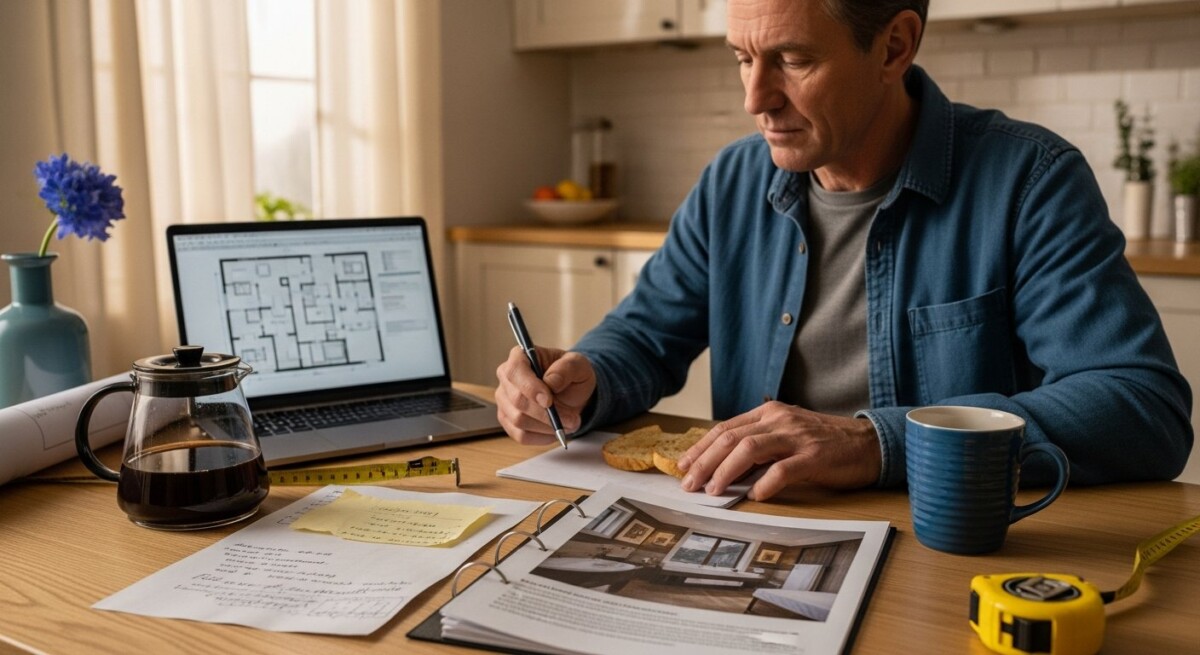
You cannot negotiate effectively without data. Collect at least three written estimates from licensed, insured contractors. Lay them side by side and look for differences in materials, labor hours, and warranty terms. A bid that is significantly lower may exclude important line items like demolition or dumpster fees. A higher bid may include premium materials or extended warranties. Understanding these differences allows you to negotiate on specifics rather than the total number.
Why This Matters for Your Home
Your home is more than a roof over your head. It is a financial asset that should appreciate over time. Overpaying for a project eats into that equity. Underpaying often leads to shoddy work that decreases property value. Either way, your family’s comfort and safety hang in the balance.
Poorly negotiated projects can lead to contractor disputes, unfinished work, or legal headaches. A verbal handshake might feel friendly, but it leaves you unprotected when something goes wrong. Written contracts and clear pricing protect both sides. Taking the time to negotiate properly reduces the chance of costly change orders mid-project.
Delaying a necessary renovation because you are afraid of the price only makes things worse. Small leaks become structural damage. Outdated wiring becomes a fire hazard. The longer you wait, the more expensive the fix becomes. Learning to negotiate helps you move forward with confidence rather than paralysis.
If you notice signs of this issue in your home, it may help to speak with a qualified contractor. Request a free quote or call +1 (855) 466-3947 to explore your repair or remodeling options.
Common Problems Homeowners Experience
Most homeowners encounter the same frustrations when trying to negotiate construction pricing. They feel outmatched by contractors who use industry jargon. They worry that asking for a lower price will offend the professional. They also struggle to know which line items are negotiable and which are fixed costs like permits or materials.
Another common issue is the emotional rollercoaster of bids. One contractor gives a price that seems too good to be true. Another quotes double for the same square footage. Without a clear understanding of scope, homeowners default to picking the middle number,which is rarely the best strategy. This guesswork often results in paying for things you do not need or missing out on quality upgrades that would have added value.
Here are the typical problems homeowners face when trying to negotiate construction pricing:
- Unclear scope of work , Bids that describe work in vague terms make comparison impossible.
- Hidden fees , Permit costs, disposal fees, and travel charges sometimes appear only after signing.
- Pressure tactics , “This price is only good for 24 hours” is a common sales technique.
- Material markups , Some contractors inflate material costs by 20,30 percent.
- Change order surprises , Mid-project additions that were not in the original bid balloon the final bill.
- Lack of backup information , Contractors who cannot explain why a line item costs what it does are often hiding something.
How Professionals Solve the Problem
Experienced contractors expect you to ask questions. They know that educated homeowners are easier to work with because both sides understand the expectations. A professional will break down their estimate into clear categories: labor, materials, permits, and overhead. They will explain why certain materials cost more and offer alternatives that fit your budget.
When you negotiate respectfully, a good contractor will often work with you. They might suggest phasing the project to spread out costs, using a different tile or flooring option, or handling a small part of the demolition yourself to save labor hours. These compromises keep the project moving without sacrificing quality.
Here is a typical process professionals follow when negotiating a fair price with a homeowner:
- Initial consultation , The contractor visits your home, measures the space, and discusses your goals.
- Detailed written estimate , You receive a line-item breakdown of all costs and the timeline.
- Review meeting , You and the contractor sit down to go over each line, and you ask questions.
- Scope adjustments , You decide together where to flex,perhaps choosing a mid-grade countertop instead of premium.
- Final signed contract , All agreed-upon changes are documented, and the price is locked.
Professional work is safer and more reliable than DIY fixes because contractors carry insurance, pull permits, and guarantee their labor. If something goes wrong, you have recourse. That peace of mind is worth the investment.
A professional inspection can reveal hidden issues before they become expensive repairs. Compare contractor quotes here or call +1 (855) 466-3947 to discuss your project.
Warning Signs You Should Not Ignore
Your home often sends signals that a project is overdue. Ignoring these signs because you dread the negotiation process is a costly mistake. Early detection gives you time to shop around and negotiate from a position of calm rather than emergency.
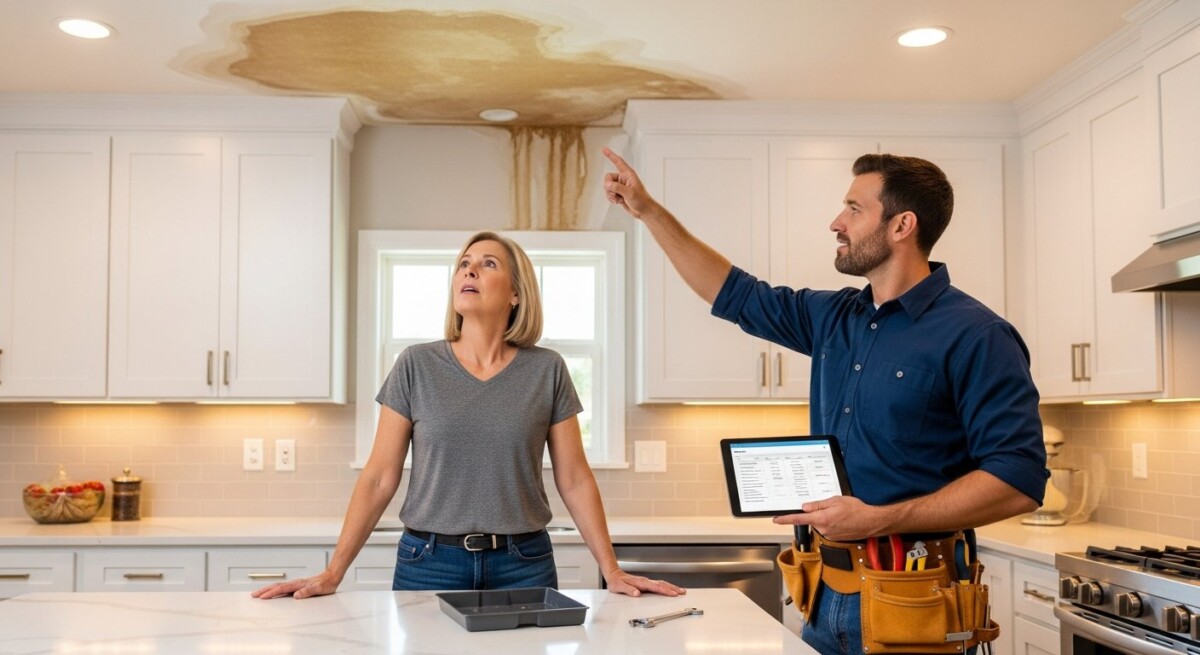
Pay attention to things like water stains on ceilings, cracks in foundation walls, or windows that stick. These small issues often indicate bigger problems behind the walls. A contractor who sees these early can give you a fair price before the damage spreads. Waiting until the roof leaks into your living room forces you to accept whatever price the first available contractor offers.
Here are warning signs that suggest you should start negotiating for repairs now:
- Water stains or peeling paint , Usually signals a leak that will worsen over time.
- Drafts or high energy bills , Indicates poor insulation or aging windows that need replacement.
- Cracked or uneven flooring , Could mean foundation settling or moisture damage underneath.
- Outdated electrical panels , A safety hazard that insurance companies may flag.
- Mold or musty odors , Suggests hidden moisture that compromises indoor air quality.
- Gaps around doors and windows , Lets in pests and drafts, reducing comfort and efficiency.
What Affects the Cost of Repairs or Installation
Several factors influence what you will pay for a construction project. Knowing these helps you understand why bids differ and where you have room to negotiate. Size matters most. A 200-square-foot bathroom remodel costs far less than a 400-square-foot master bath, even if both use the same fixtures.
Materials are another major variable. Custom cabinetry, natural stone countertops, and imported tile carry premium prices. You can negotiate by asking for material-grade alternatives that look similar but cost less. Labor rates also vary by region and season. Contractors in high-demand areas charge more, and prices often rise during spring and summer when everyone wants renovations done.
Accessibility plays a role too. A second-story bathroom with no exterior access requires more effort to haul materials up stairs. That extra labor shows up in the bid. Older homes may have non-standard pipe sizes or outdated wiring that requires special handling. These factors are not negotiable in the sense that the contractor must cover the cost, but they help you understand why one bid is higher than another.
Costs can vary depending on the condition of your home. The best way to know the price is to get a personalized estimate. Request free quotes from contractors or call +1 (855) 466-3947 today.
How to Choose the Right Contractor
Selecting the right contractor is just as important as negotiating the price. A low bid from an unlicensed operator can cost you more in the long run. Take time to vet each candidate before you start negotiating. Ask for references and actually call them. Look for recent projects similar to yours in size and scope.
Trust your gut during the initial meeting. Does the contractor listen to your concerns? Do they explain things clearly without talking down to you? A good relationship makes the negotiation process smoother because both parties feel respected. If a contractor gets defensive when you ask about pricing, that is a red flag.
Here are tips for choosing a contractor you can negotiate with confidently:
- Verify licensing and insurance , Ask for proof of general liability and workers’ compensation coverage.
- Read recent reviews , Focus on comments about communication, timeliness, and sticking to the budget.
- Request detailed estimates , Avoid bids that lump everything into one number without explanation.
- Compare at least three quotes , This gives you a market range and leverage to negotiate.
- Confirm experience with your project type , A deck builder may not be the best choice for a kitchen renovation.
Long-Term Benefits of Professional Work
Investing in professional work pays off for years. Quality materials and skilled installation mean fewer repairs down the road. Your home stays safer because electrical, plumbing, and structural work meets code. Energy-efficient windows and insulation lower your monthly bills. Each of these benefits adds to your home’s resale value when it comes time to sell.
Professional contractors also stand behind their work. If something fails within the warranty period, they come back to fix it at no extra charge. That guarantee is something you cannot get from a handyman or a DIY approach. Knowing that your family is protected from faulty wiring or a leaking roof brings peace of mind that no discount can replace.
Finally, working with a professional saves you time. A contractor manages permits, schedules inspections, coordinates subcontractors, and handles unexpected issues. You focus on your daily life instead of managing a construction site. That convenience alone is often worth the cost.
What is the best way to negotiate with a contractor?
The best way is to be prepared. Collect multiple bids, understand the scope, and ask specific questions about material grades and labor hours. Approach the conversation as a collaboration, not a confrontation. Contractors are more willing to adjust pricing when they see you are reasonable and informed.
Can I negotiate the price of materials?
Yes, but indirectly. Ask if the contractor can source materials at a lower cost or if you can purchase certain items yourself. Be aware that some contractors add a markup on materials to cover their procurement time. You can negotiate this markup percentage down if you ask politely.
Is it rude to ask for a discount on a construction bid?
It depends on how you ask. Instead of saying “Can you give me a discount?” try “I’d like to stay under X amount. Can we adjust the scope or materials to get closer to that number?” This frames the request as a problem-solving conversation rather than a demand.
How do I know if a bid is too high?
Compare it to at least two other bids for the same scope of work. If one bid is 30 percent higher than the others, ask that contractor to explain the difference. They may be using higher-quality materials or including services the others left out. If they cannot justify the price, it is probably too high.
Should I negotiate before or after signing?
Always negotiate before signing. Once the contract is signed, you lose leverage. Verbal promises made after signing are hard to enforce. Get every agreed-upon change in writing before you commit.
What if the contractor refuses to negotiate?
That is their right. Not all contractors are willing to adjust pricing, especially if they have plenty of work. If you cannot reach an agreement, thank them for their time and move on to the next bid. There is always another qualified professional who will work with you.
Can I negotiate payment terms instead of the total price?
Absolutely. If the total price is firm, ask about a payment schedule that works better for your cash flow. Some contractors will accept a deposit followed by progress payments rather than a large upfront payment. This reduces your financial risk and makes the project more manageable.
Do contractors expect negotiation?
Many do, especially on larger projects. They build a small margin into their bids knowing that some homeowners will ask for adjustments. That does not mean they will give away profit, but they are usually open to discussing ways to meet your budget.
Negotiating construction project pricing does not have to be stressful. When you approach it with knowledge and respect, you build a partnership with your contractor that leads to better results. Your home deserves quality work, and you deserve a fair price. Start by gathering multiple quotes, asking the right questions, and trusting the process. The effort you invest now will save you money and headaches for years to come.