
Master Your Project With a Construction Estimate Request Form
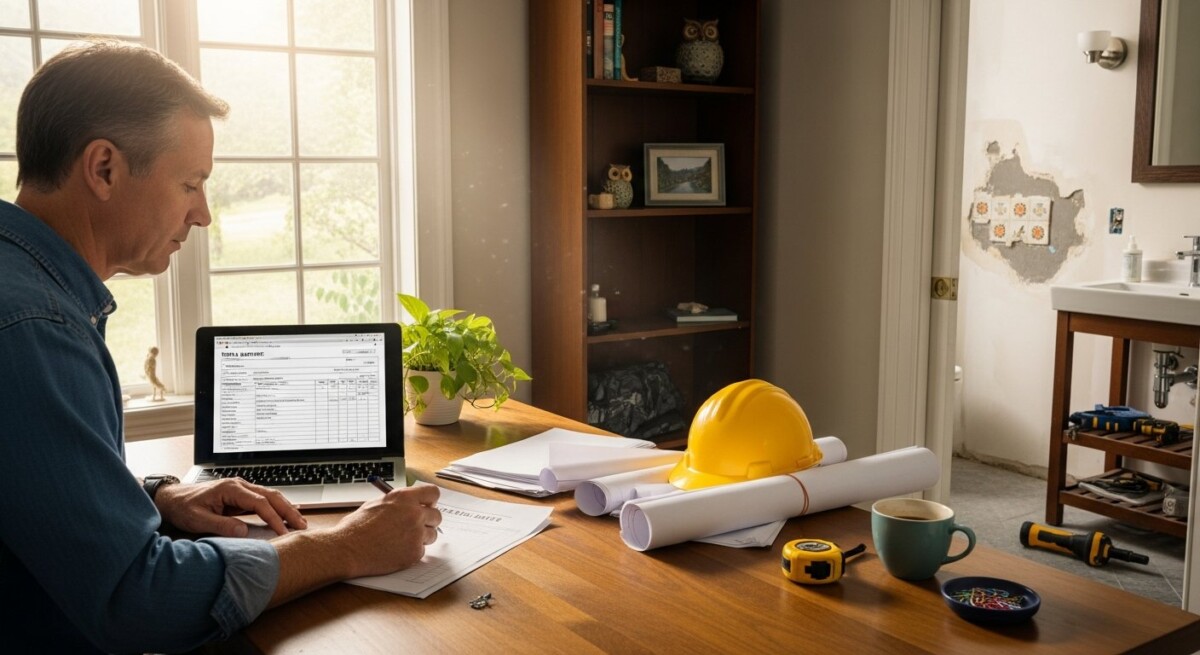
Starting a home renovation or repair project can feel overwhelming, especially when you are unsure about the costs involved. Many homeowners make the mistake of relying on a single verbal quote or a handwritten estimate that lacks detail. This often leads to budget overruns, scope disputes, and frustration with contractors. A well-structured construction estimate request form changes this dynamic entirely. It gives you a standardized way to collect bids from multiple contractors, compare apples to apples, and make an informed decision before committing to a project.
Whether you are planning a bathroom remodel, a new roof, or a basement finish, the quality of your project starts with the clarity of your request. A vague request invites vague responses. By using a detailed form, you signal to contractors that you are a serious, prepared client. This guide will walk you through every aspect of creating and using a construction estimate request form effectively. You will learn what to include, how to evaluate responses, and how to avoid common pitfalls that cost homeowners time and money.
Why a Standardized Request Form Matters
A construction estimate request form is more than just a list of questions. It is a communication tool that aligns expectations between you and the contractor. When you provide the same detailed information to every bidder, you eliminate guesswork. Contractors can price your project accurately because they understand the full scope. This reduces the chance of change orders later, which are a primary source of budget overruns.
Without a standard form, you might receive one bid that includes materials and labor, another that excludes permits, and a third that leaves out cleanup costs. Comparing these bids is nearly impossible. A good form forces every contractor to address the same categories, making your comparison fair and thorough. For a deeper look at why estimates shift after work begins, read our guide on Why Construction Estimates Change: A Homeowner’s Guide.
Essential Components of an Effective Request Form
To get accurate bids, your form must cover several critical areas. Below are the core sections you should include. Each section serves a specific purpose in helping contractors price the job correctly.
Project Details and Scope of Work
Start with the basics: your name, property address, and contact information. Then describe the project in clear, measurable terms. Avoid vague language like “update the kitchen.” Instead, specify “replace 20 linear feet of upper and lower cabinets with solid wood shaker style, install quartz countertops with a single undermount sink, and replace all backsplash tile with 3×6 subway tile.” The more specific you are, the more accurate the bids will be.
Include the approximate square footage of the area, the number of rooms involved, and any structural changes you plan to make. If you have drawings or sketches, mention that they are available upon request or attach them to the form. This level of detail shows contractors you have done your homework.
Materials and Finish Specifications
This section is where many homeowners fall short. Contractors need to know the quality level you expect. Are you looking for builder-grade materials or premium selections? Specify brands, model numbers, or a price range per unit for items like flooring, countertops, fixtures, and appliances. If you are open to substitutions, state that clearly. Otherwise, contractors may assume the lowest-cost option.
Include a line for material sourcing. Will you supply any materials yourself, such as a special light fixture or tile? If so, list those items and note that the bid should cover installation only. This prevents double billing and confusion later.
Timeline and Scheduling Constraints
Every contractor needs to know your desired start date and completion deadline. If you have a hard deadline, such as a holiday or a new baby arriving, state it. Also note any scheduling constraints. For example, if you need the work done in phases or if you cannot have noise on weekends, include that. This helps contractors assess whether they can fit your job into their schedule.
Ask contractors to provide a preliminary timeline in their response. A realistic timeline shows they understand the scope and have planned the workflow.
Permits and Inspections
Permit requirements vary by location and project type. Your form should ask whether the contractor will pull permits or if that responsibility falls on you. In most cases, the contractor handles permits as part of the job. However, some homeowners choose to pull permits themselves to save money. Be aware that this can create liability if something goes wrong. Clarify this point in your request so every bid includes or excludes permit fees consistently.
How to Distribute Your Request Form Effectively
Once your construction estimate request form is ready, you need to get it into the hands of qualified contractors. A common mistake is sending the form to too many contractors or to unlicensed operators. Instead, target three to five reputable contractors who specialize in your type of project. Check their licenses, insurance, and online reviews before sending the form.
You can distribute the form via email, through a contractor matching service, or by uploading it to a project management platform. If you use a service like FreeQuotes.Contractors, your form becomes part of a structured request that contractors respond to directly. This saves you time and ensures every bidder has the same information. For best practices on using such a tool, see our article on How to Use a Construction Estimate Request Form the Right Way.
When you send the form, give contractors a clear deadline for responses. A typical window is seven to ten business days. This gives them enough time to review the details and calculate a price without feeling rushed. Follow up with a polite reminder two days before the deadline.
Evaluating and Comparing the Bids You Receive
When the bids come in, resist the urge to choose the lowest price immediately. Instead, lay all the responses side by side and compare them using your form as a checklist. Look for completeness first. Did every contractor address every line item? If a bid is missing details, that may indicate a lack of thoroughness or an attempt to hide costs.
Next, examine the pricing structure. Some contractors provide a lump sum, while others break down costs by labor, materials, overhead, and profit. A detailed breakdown is more transparent and easier to compare. Pay attention to allowances for items like fixtures or tile that you have not yet selected. If the allowance seems low, ask whether the contractor can adjust it.
Finally, consider the contractor’s notes and assumptions. Did they note any exclusions? For example, a roofer might exclude dumpster rental or old shingle removal. These exclusions can add hundreds or thousands of dollars to your final bill. Use your form to verify that all bidders included the same scope. If you find discrepancies, ask for clarification before making a decision.
Common Mistakes to Avoid When Using a Request Form
Even with a great form, mistakes happen. Here are the most common pitfalls and how to avoid them:
- Skipping the site visit. A form cannot replace a physical walkthrough. Always invite contractors to see the space before they submit a final bid. This allows them to note conditions like access issues, structural quirks, or existing damage that could affect pricing.
- Leaving out payment terms. Your form should ask about payment schedules. Avoid contractors who demand full payment upfront. A typical schedule includes a small deposit, progress payments, and a final payment upon completion and inspection.
- Ignoring warranty information. Ask about warranties on both materials and workmanship. A contractor who stands behind their work will offer at least a one-year warranty. Include this question in your form so you can compare warranty terms across bids.
- Failing to verify insurance. Every contractor should carry general liability insurance and workers’ compensation. Request a certificate of insurance before work begins. Your form should include a checkbox confirming that the contractor will provide this documentation.
- Not reading the fine print. Some contracts include arbitration clauses or lien waiver conditions. Review the terms carefully. If something is unclear, ask the contractor to explain it in writing.
By avoiding these mistakes, you set the stage for a smoother project. A good form catches many of these issues before you sign a contract, saving you stress and money. To understand why estimates sometimes change even with careful planning, read Why Construction Estimates Change and What Homeowners Should Know.
Digital Tools to Streamline the Process
Paper forms work, but digital tools make the process faster and more organized. Many homeowners now use online platforms that allow them to create a construction estimate request form once and send it to multiple contractors with a single click. These platforms often include features like automatic follow-up reminders, bid comparison charts, and secure messaging.
FreeQuotes.Contractors offers a free service that matches your project details with local, pre-vetted contractors. When you submit your request through the platform, contractors receive a standardized form that captures all the essential information. This eliminates the back-and-forth of email and phone calls. You get multiple bids in a consistent format, making comparison straightforward.
Using a digital platform also creates a paper trail. All communication, bids, and documents are stored in one place. If a dispute arises later, you have a clear record of what was promised. This is especially valuable for larger projects where details can get lost over weeks or months of work.
Building Long-Term Relationships With Contractors
A construction estimate request form is not just for a single project. When you use it consistently, you build a reputation as a professional, organized client. Contractors appreciate clarity and respect for their time. They are more likely to prioritize your job, offer better pricing, and provide honest advice when they know you are prepared.
After your project is complete, keep your form and the winning bid on file. If you need future work, you can reach out to the same contractor with a new form. This continuity saves time and builds trust. Many contractors offer repeat client discounts or priority scheduling to clients who use structured request processes.
Even if you are not planning a project right now, having a blank construction estimate request form ready is a smart move. You never know when a pipe might burst or a storm might damage your roof. When an emergency strikes, you will already have the tool you need to get fast, accurate bids.
A well-designed form gives you control over your home improvement project from the very first step. It transforms a chaotic, stressful process into an organized, transparent one. By taking the time to create a thorough request, you protect your budget, your timeline, and your peace of mind.