
Why Hire Insured Contractors for Construction Work?
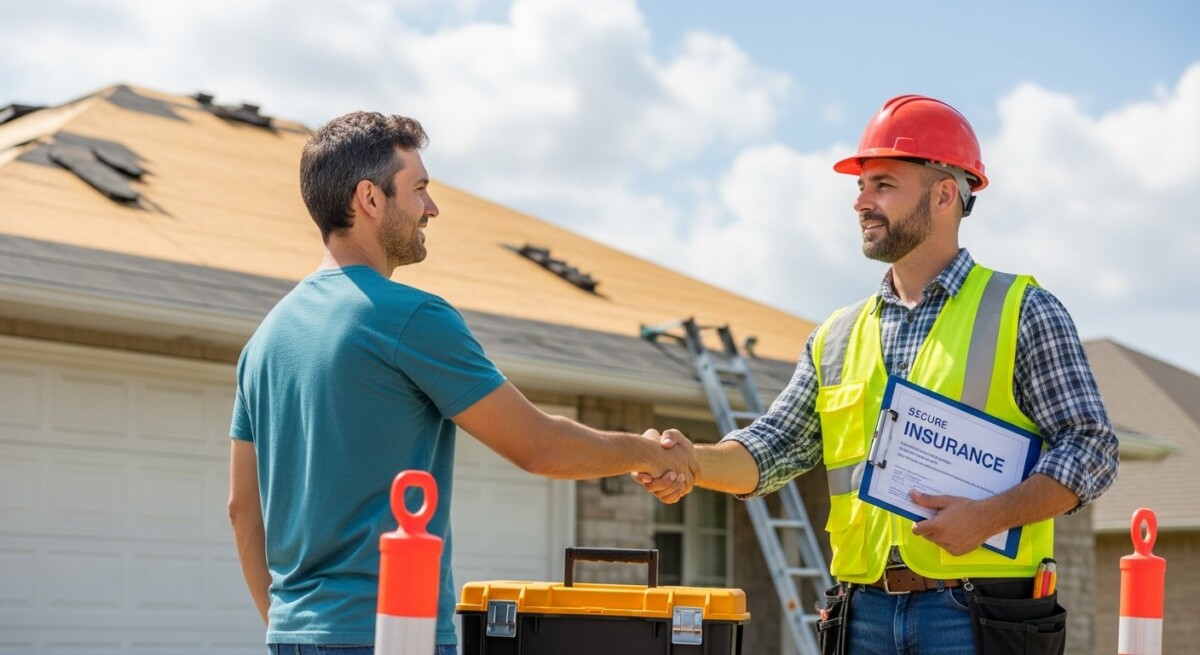
Every homeowner dreams of a smooth renovation, a sturdy new roof, or a bathroom that finally works the way it should. But that dream can turn into a nightmare when a contractor’s mistake leads to property damage, an injury on your property, or shoddy work that leaves you with nothing but a bill. The single most effective way to protect yourself is to hire only insured contractors for construction work. Insurance is not just a piece of paper. It is a safety net that shields your home, your savings, and your peace of mind.
Why Insurance Matters for Construction Projects
Construction work involves risks. A carpenter’s hammer can slip and break a window. A roofer can fall off a ladder. A plumber can accidentally rupture a hidden pipe. When something goes wrong, the cost of repair or medical bills can easily reach thousands of dollars. Without proper insurance, you the homeowner can be held financially responsible. That is why verifying insurance before signing a contract is not optional. It is a critical step in protecting your investment.
Insured contractors carry policies that cover common risks. General liability insurance pays for damage to your property and covers legal fees if someone is injured on the job. Workers’ compensation insurance covers medical costs and lost wages for employees who get hurt. Professional liability insurance (also called errors and omissions insurance) covers mistakes in design or advice. When you hire insured contractors for construction work, you pass those risks to the insurance company instead of shouldering them yourself.
In our guide on why insured contractors protect your home, we explain how a single claim can wipe out a family’s savings. The same risks apply whether you are remodeling a kitchen or building a deck. Do not assume a contractor is insured just because they say so. Ask for proof and understand what the policy covers.
Types of Insurance Your Contractor Should Carry
Not all insurance policies are the same. A contractor who carries only a basic general liability policy may still leave gaps in coverage. Below are the key types of insurance you should look for when vetting a contractor.
- General Liability Insurance , Covers property damage, bodily injury, and legal defense costs. This is the minimum requirement for any construction project.
- Workers’ Compensation Insurance , Required in most states if the contractor has employees. It pays for medical care and lost wages if a worker is hurt on your property.
- Professional Liability Insurance , Important for contractors who provide design, consulting, or project management. It covers errors in plans or advice.
- Builder’s Risk Insurance , Protects materials and equipment during construction. Some homeowners buy this separately for large projects.
- Auto Liability Insurance , Covers damage from contractor vehicles on your property. This is often overlooked but can be critical if a truck hits your garage.
Each policy has limits and exclusions. For example, a general liability policy may exclude damage caused by faulty workmanship. That is why it is wise to ask for a certificate of insurance and read the key coverage details. When you use a platform like FreeQuotes.Contractors, you can request quotes from contractors who have been pre-screened for basic insurance requirements, saving you time and guesswork.
How to Verify a Contractor’s Insurance Coverage
Verifying insurance is straightforward if you know what to ask for. Request a certificate of insurance (COI) directly from the contractor. The COI should list the policy number, effective dates, coverage limits, and the insurer’s contact information. Do not rely on a photocopy or a verbal assurance. Call the insurance company to confirm the policy is active and that the contractor is the named insured.
You can also ask the contractor to add you as an additional insured on their general liability policy. This step ensures that if a claim arises, your homeowner’s insurance is not the first line of defense. Many contractors routinely add additional insureds at no extra cost. If they hesitate or refuse, consider it a red flag.
Another important step is to check for lapses in coverage. Contracts that last several months can have gaps if the contractor lets their policy expire. Request updated COIs every 60 to 90 days during a long project. If you are unsure about any details, consult a legal professional or your own insurance agent. For a deeper look at how to compare contractor credentials, read our article on insured contractors for construction work.
The Risks of Hiring an Uninsured Contractor
Hiring an uninsured or underinsured contractor can expose you to significant financial liability. Consider the following scenarios:
- A worker falls from a ladder and breaks their leg. Without workers’ compensation, the injured worker may sue you directly. Medical bills and lost wages could exceed $100,000.
- A subcontractor accidentally sets fire to your garage while welding. General liability insurance would cover the damage. Without it, you pay out of pocket or file a claim on your homeowner’s policy, risking rate increases or non-renewal.
- A contractor installs windows incorrectly, causing water damage and mold. If they have no professional liability insurance, you may have no recourse to recover repair costs.
These are not rare events. According to industry data, one in ten construction projects involves a claim or lawsuit. The cost to the homeowner can be devastating, especially when the uninsured contractor disappears or declares bankruptcy. Insured contractors for construction work eliminate most of these risks because the insurance company backs their work. It also signals that the contractor is reputable and financially stable enough to afford premiums.
How FreeQuotes.Contractors Helps You Find Insured Contractors
Finding insured contractors can be time-consuming. You have to research companies, ask for certificates, verify coverage, and then compare quotes. FreeQuotes.Contractors simplifies the entire process. The platform connects you with local contractors who have been pre-screened for licensing and insurance requirements. Instead of calling dozens of contractors, you submit one request and receive multiple competitive quotes from vetted professionals.
Every contractor on the platform is required to provide proof of insurance before they are listed. You can view coverage details and request additional documentation directly through the platform. This eliminates the risk of hiring someone who is uninsured or carries inadequate limits. For homeowners who want to streamline their search, our guide on finding insured contractors near you provides step-by-step advice that complements the platform’s tools.
Using FreeQuotes.Contractors also gives you leverage during negotiations. Because you have multiple quotes in hand, you can compare not just prices but also the quality of coverage each contractor offers. Some contractors may have higher liability limits or additional endorsements that provide extra protection. You can choose the best value rather than the cheapest bid. The platform is free for homeowners, and there is no obligation to hire any contractor you are matched with.
What to Do If You Are Already in a Contract Without Insurance
If you have already signed a contract with a contractor who is not insured, do not panic. Some states allow you to cancel the contract within a certain period if the contractor failed to disclose their insurance status. Check your local laws and the contract’s cancellation terms. You may also be able to require the contractor to obtain insurance before starting work. If they refuse, consider terminating the agreement and finding a new contractor.
Another option is to purchase builder’s risk insurance or a short-term umbrella policy that covers contractor-related incidents. This is a stopgap measure until you can switch to an insured contractor. In any case, document everything: communications, contract terms, and any promises about insurance. If a loss occurs, consult an attorney who specializes in construction law.
Protecting your home starts before the first nail is driven. By making insured contractors for construction work your standard requirement, you avoid unnecessary risk and invest in a project that is built on trust and accountability. Use FreeQuotes.Contractors to find, compare, and hire insured professionals who take their responsibilities seriously.