Average Home Addition Cost Per Square Foot: A Homeowner’s Guide
You’ve finally decided to add that extra bedroom, expand the kitchen, or build a sunroom. The excitement of gaining more space is real,until you start wondering about the price tag. One of the first questions every homeowner asks is, “What is the average home addition cost per square foot?” It seems like a simple number, but the truth is that costs vary wildly depending on your home’s layout, your local market, and the type of addition you want. Without a clear understanding, you risk underestimating the budget, delaying the project, or settling for a contractor who cuts corners.
The problem is that many homeowners discover the real cost only after they’ve already started planning,or worse, after construction begins. Unexpected expenses like foundation work, permit fees, and electrical upgrades can quickly turn a dream project into a financial headache. If you ignore the true cost per square foot, you might end up with an unfinished addition or a structure that doesn’t meet building codes. That’s why learning about average home addition costs and how to get accurate quotes is essential before you break ground.
Understanding Average Home Addition Cost Per Square Foot
Simply put, the average home addition cost per square foot is the price you pay for each square foot of new living space. This figure includes materials, labor, permits, and sometimes design fees. Nationally, homeowners typically spend between $80 and $200 per square foot for a basic addition, but that range can climb to $300 or more for high-end finishes or complex structural work. The exact number depends on where you live, the type of room you’re adding, and whether you’re finishing a basement, building a second story, or extending a first floor.
Why does this happen? Because every addition is unique. A simple ground-floor bedroom with standard finishes costs less than a two-story addition with a master suite and custom cabinetry. Older homes often require more structural reinforcement, while newer homes may have simpler utility hookups. Homes in regions with high labor costs,like the Northeast or West Coast,naturally see higher per-square-foot prices. Understanding these variables helps you set a realistic budget and avoid sticker shock later.
Which Homes Are Most Affected?
Homes with limited lot space, complex rooflines, or outdated electrical and plumbing systems tend to see higher per-square-foot costs. If your home is on a concrete slab rather than a crawlspace, foundation work may add expense. Similarly, adding a second story involves more engineering and safety considerations than a first-floor bump-out. Knowing your home’s specific challenges is the first step toward an accurate estimate.
Why This Matters for Your Home
Ignoring the true cost of an addition can lead to serious consequences. The most obvious is financial strain,running out of money mid-project means you might have to pause construction or settle for lower-quality materials. But there are other risks too. An addition that isn’t properly permitted or inspected can lead to safety hazards like electrical fires or structural collapse. It can also lower your home’s resale value if the work doesn’t meet local codes.
Beyond safety, comfort is a major concern. A poorly planned addition might not be properly insulated or climate-controlled, leaving you with a room that’s too hot in summer and too cold in winter. Over time, moisture issues from improper sealing can lead to mold and rot, which are expensive to fix. The longer you delay addressing these factors, the more you’ll pay in repairs,and the less you’ll enjoy your new space.
If you notice signs of this issue in your home, it may help to speak with a qualified contractor. Request a free quote or call to explore your repair or remodeling options.
Common Problems Homeowners Experience
Most homeowners start their addition journey with a clear vision,but they quickly run into challenges that blow the budget. One of the most common issues is discovering that the existing foundation or framing isn’t strong enough to support the new space. This often requires expensive reinforcement work that wasn’t in the original plan. Another frequent problem is underestimating the cost of permits and inspections, which can add hundreds or thousands of dollars to the total.
Other homeowners find that their contractor’s quote was too low because it didn’t include hidden costs like temporary housing, debris removal, or landscaping restoration. And sometimes, the issue is simply that the homeowner chose the wrong type of addition for their needs,for example, building a second story when a ground-floor addition would have been more cost-effective. Below are some of the most common problems:
- Unexpected foundation or structural repairs that increase per-square-foot costs
- Permit and inspection fees that weren’t included in the initial estimate
- Difficulty matching existing roofing, siding, or flooring materials
- Electrical or plumbing upgrades required to support the new space
- Delays caused by weather, material shortages, or contractor scheduling
- Poor insulation or ventilation that leads to energy inefficiency
How Professionals Solve the Problem
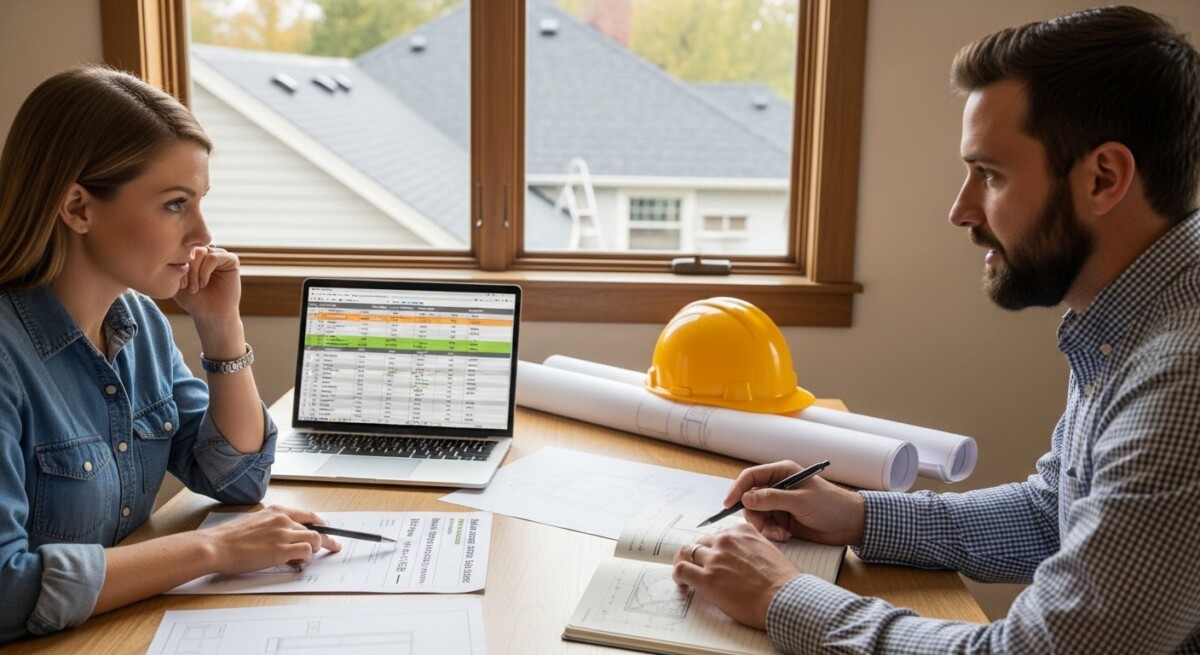
Experienced contractors approach home additions with a systematic process that minimizes surprises. They start with a thorough site evaluation, including checking the foundation, roof structure, and utility connections. This allows them to identify potential issues before construction begins, so you can adjust the budget or design accordingly. Professionals also handle all permit applications and inspections, ensuring your addition meets local codes and passes final approval.
The typical process for a professional home addition follows these steps:
- Initial consultation and site assessment , The contractor visits your home, measures the space, and discusses your goals.
- Design and planning , An architect or designer creates blueprints, and the contractor provides a detailed cost estimate.
- Permitting , The contractor submits plans to the local building department and obtains necessary permits.
- Demolition and site preparation , The work area is cleared, and any existing structures are removed.
- Foundation and framing , New footings, slabs, or floor joists are installed, followed by wall and roof framing.
- Rough-in work , Electrical, plumbing, and HVAC systems are installed before walls are closed.
- Finishing , Drywall, flooring, trim, paint, and fixtures are added to complete the space.
- Final inspection , The contractor schedules a final inspection to ensure everything is up to code.
Hiring a professional is safer and more reliable than tackling a DIY addition. Even experienced DIYers often miss critical steps like load calculations or proper waterproofing, which can lead to costly failures. Professionals carry insurance, warranties, and the expertise to handle unexpected problems quickly.
A professional inspection can reveal hidden issues before they become expensive repairs. Compare contractor quotes here or call to discuss your project.
Warning Signs You Should Not Ignore
Before you start planning an addition, there are warning signs that your home may not be ready for the project,or that you need to adjust your budget. For example, if your home has an older foundation with visible cracks, you’ll likely need to reinforce it before adding any weight. Similarly, if your electrical panel is outdated, you may need a costly upgrade to handle additional lighting and outlets. Ignoring these signs can turn a simple addition into a major structural overhaul.
Other red flags include moisture problems in your basement or crawlspace, uneven floors that suggest settling, or a roof that’s nearing the end of its lifespan. If you notice any of these issues, it’s best to address them before starting an addition,otherwise, you’ll be paying for both the repair and the new construction. Early action can prevent larger problems and save you thousands in the long run. Here are warning signs to watch for:
- Cracks in the foundation or walls near the planned addition area
- Frequent circuit breaker trips or flickering lights
- Musty odors or visible mold in the basement or crawlspace
- Roof leaks or missing shingles that indicate an aging roof
- Uneven or sagging floors in the existing home
- High energy bills that suggest poor insulation or air leaks
What Affects the Cost of Repairs or Installation
The cost of a home addition isn’t just about square footage,it’s influenced by several key factors. The size of the addition is the most obvious: a 200-square-foot room will cost less than a 500-square-foot one, but the per-square-foot price often decreases slightly for larger projects because fixed costs like permits and site prep are spread out. However, the type of addition matters more. A ground-floor addition is generally cheaper than a second-story addition because it requires less structural reinforcement and scaffolding.
Materials also play a huge role. Standard vinyl windows and laminate flooring will keep costs down, while custom wood windows, stone veneer, and hardwood flooring can double the per-square-foot price. Labor costs vary by region,city contractors charge more than rural ones,and the accessibility of your work area matters too. If the addition is in a tight backyard that’s hard to reach with equipment, expect higher labor charges. Finally, the age of your home can increase costs if you need to update wiring, plumbing, or insulation to meet current codes.
Costs can vary depending on the condition of your home. The best way to know the price is to get a personalized estimate. Request free quotes from contractors or call today.
How to Choose the Right Contractor
Selecting the right contractor is one of the most important decisions you’ll make for your addition. A good contractor will provide a detailed written estimate, communicate clearly, and have a track record of completing similar projects on time and on budget. Start by asking for recommendations from friends or neighbors who have recently built additions. Then, interview at least three contractors and compare their quotes,but don’t automatically choose the lowest bid. A low price may mean the contractor is cutting corners or hasn’t accounted for all costs.
Here are practical tips for choosing a reliable contractor:
- Check licenses and insurance , Verify that the contractor is licensed in your state and carries general liability and workers’ compensation insurance.
- Read customer reviews , Look at Google, Yelp, and the Better Business Bureau for honest feedback from past clients.
- Ask for a detailed estimate , The quote should break down costs for materials, labor, permits, and any subcontractor fees.
- Compare multiple quotes , Getting at least three estimates helps you understand the market rate and spot outliers.
- Confirm experience with similar projects , Ask if they’ve built the same type of addition before (e.g., second story, basement finish, or kitchen bump-out).
Once you’ve chosen a contractor, get everything in writing,including the scope of work, payment schedule, and warranty terms. A clear contract protects both you and the contractor and reduces the risk of disputes later.
Long-Term Benefits of Professional Work
Investing in a professionally built home addition pays off in many ways beyond just having more space. First, professional work is safer. Licensed contractors follow building codes that ensure your addition is structurally sound, properly wired, and free from fire hazards. This peace of mind is invaluable, especially if you plan to live in the home for many years or sell it later. Second, professional additions are more durable. Quality materials and expert installation mean fewer repairs and less maintenance over time.
Energy efficiency is another major benefit. A well-insulated addition with energy-efficient windows and doors can lower your heating and cooling bills, offsetting some of the construction costs. And when it’s time to sell, a professionally built addition adds real value to your home,often recouping 50% to 80% of the project cost, according to real estate experts. Finally, a professional job reduces future maintenance. No more patching drywall cracks, fixing leaks, or dealing with drafts. You get a space that works perfectly for your family, right from day one.
How much does a home addition cost per square foot in 2025?
In 2025, the national average for a basic home addition ranges from $80 to $200 per square foot, but high-end finishes and complex structural work can push it to $300 or more. The exact cost depends on your location, the addition type, and material choices. To get an accurate figure, request personalized quotes from local contractors who can assess your specific home.
What is the cheapest type of home addition?
The cheapest home addition is typically a ground-floor bump-out that doesn’t require major foundation work or roof changes. A sunroom or simple bedroom addition on a concrete slab often costs the least per square foot. Finishing an existing basement or attic is also budget-friendly since the structure is already in place.
Does the cost per square foot include permits and labor?
Yes, most contractor quotes include permits, labor, and materials in the per-square-foot price. However, always ask for a detailed breakdown to confirm what’s included. Some contractors may exclude permit fees or site preparation, so reading the fine print is essential.
How can I lower the average cost per square foot for an addition?
You can lower costs by choosing a simpler design, using standard materials, and keeping the addition on the first floor. Getting multiple quotes and scheduling the project during the off-season (fall or winter) may also reduce labor rates. Avoid major structural changes like altering the roofline or moving load-bearing walls.
Is it cheaper to add a second story or build out?
Building out (ground-floor addition) is almost always cheaper than adding a second story. Second-story additions require expensive structural reinforcement, scaffolding, and sometimes a new roof. Ground-floor additions are simpler, faster, and typically cost 30% to 50% less per square foot.
How long does a typical home addition take?
A typical home addition takes 2 to 4 months from start to finish, depending on size and complexity. Simple ground-floor additions may take 6 to 8 weeks, while second-story additions or those with custom finishes can take 4 to 6 months. Weather and permit approvals can also cause delays.
Do I need a permit for a home addition?
Yes, most home additions require a building permit from your local municipality. Permits ensure the work meets safety codes and zoning laws. Your contractor should handle the permit application, but you should confirm this before signing a contract. Working without a permit can lead to fines and issues when selling your home.
What is the best way to find a reliable contractor for an addition?
The best way is to use a reputable platform like FreeQuotes.Contractors, which connects you with pre-vetted local contractors. You can also ask for referrals from friends, check online reviews, and interview multiple contractors. Always verify licenses, insurance, and references before making a decision.
Planning a home addition is an exciting step, but it’s also a major financial commitment. By understanding the average home addition cost per square foot and the factors that influence it, you can set a realistic budget and avoid costly surprises. The key is to start early, do your research, and work with experienced professionals who can guide you through the process. Don’t let uncertainty hold you back,compare contractor quotes today and take the first step toward the home you’ve always wanted.