Average Roofing Project Cost: A Homeowner’s Guide to Budgeting
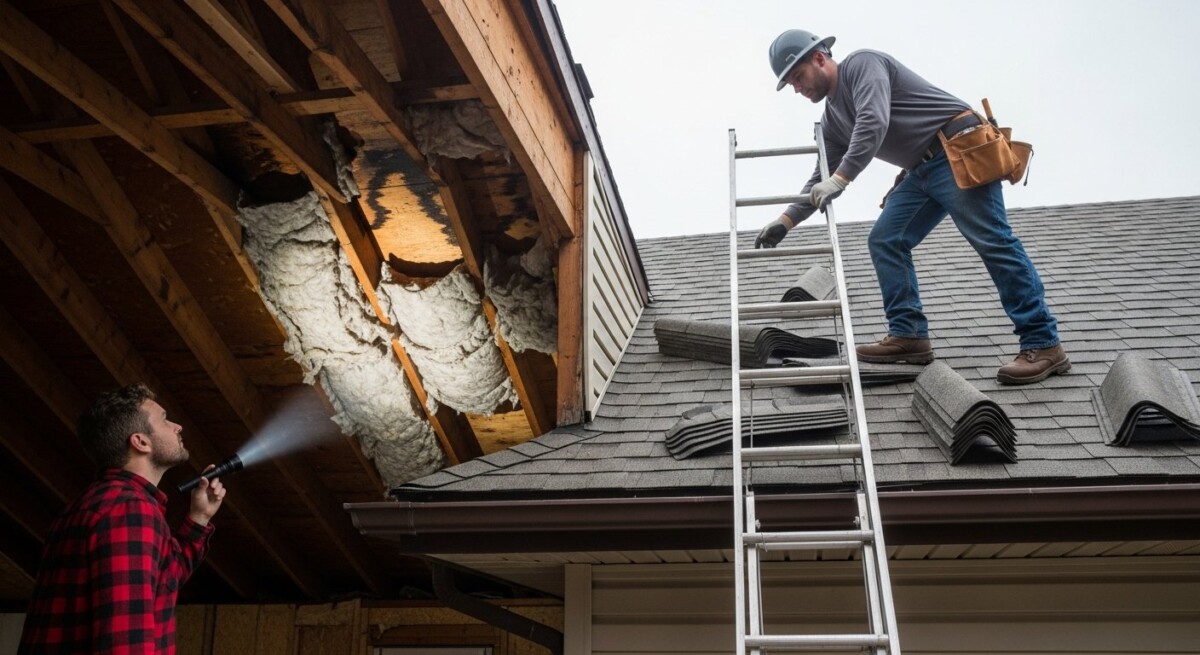
You notice a small water stain on the ceiling after a heavy rain. At first, it seems minor,maybe just a bit of condensation. But a few weeks later, the stain grows, and you spot a damp patch in the attic. That’s when the worry sets in: How much will it cost to fix the roof? The average roofing project cost can vary widely, but understanding what drives the price helps you make a smart decision before the problem gets worse. Ignoring early signs can turn a manageable repair into an expensive emergency.
Understanding Average Roofing Project Cost
The average roofing project cost refers to the total amount homeowners typically pay for roof repairs or full replacements. This figure includes materials, labor, permits, and disposal of old roofing. Costs range from a few hundred dollars for a minor patch to over $10,000 for a complete tear-off and new installation, depending on your home’s size, roof pitch, and location.
Most homeowners discover they need roof work after a leak, storm damage, or during a home inspection for a sale. Older homes with asphalt shingles are especially prone to wear after 15,20 years. Flat roofs, metal roofs, and tile roofs each have different cost profiles, so knowing your roofing type is the first step in budgeting.
Why This Matters for Your Home
Delaying roof repairs can lead to serious consequences. Water intrusion damages insulation, wooden rafters, and drywall, often requiring expensive interior repairs. Mold growth from trapped moisture poses health risks for your family. A neglected roof also reduces your home’s energy efficiency, causing higher heating and cooling bills.
Safety is another concern. Loose shingles or compromised flashing can create hazards during storms or even cause parts of the roof to collapse under heavy snow. Addressing issues early protects your property and preserves resale value. As we explain in our guide on how contractors calculate project cost for homeowners, professional assessments help you plan ahead and avoid surprise expenses.
If you notice signs of this issue in your home, it may help to speak with a qualified contractor. Request a free quote or call to explore your repair or remodeling options.
Common Problems Homeowners Experience
Roofing issues often start subtly. A missing shingle, a small leak near a chimney, or granules collecting in gutters can all signal trouble. Over time, these small problems compound, leading to widespread damage.
- Missing, cracked, or curled shingles
- Water stains on ceilings or walls
- Daylight visible through roof boards in the attic
- Mold or moss growth on roof surfaces
- Sagging areas on the roofline
- Increased energy bills due to poor insulation
These problems affect homes of all ages, but older roofs and those in storm-prone regions are most vulnerable. Acting quickly prevents minor fixes from turning into full replacements.
How Professionals Solve the Problem
Experienced contractors follow a systematic process to address roofing issues. They start with a thorough inspection to identify the root cause,whether it’s damaged flashing, worn shingles, or poor ventilation. Then they provide a detailed estimate explaining the work needed and the expected average roofing project cost.
- Inspect and diagnose the problem, including checking attic ventilation and insulation.
- Remove damaged materials safely, following local building codes.
- Repair or replace underlayment, flashing, and shingles with high-quality materials.
- Clean up debris and perform a final inspection to ensure watertight sealing.
Professional work is safer and more reliable than DIY fixes. Roofing involves heights, heavy materials, and specialized tools. A contractor carries insurance and warranties, giving you peace of mind that the job is done right.
A professional inspection can reveal hidden issues before they become expensive repairs. Compare contractor quotes here or call to discuss your project.
Warning Signs You Should Not Ignore
Your roof gives clear signals when it needs attention. Catching these signs early can save you thousands of dollars and prevent interior damage. Walk around your property after a storm and check your attic regularly for any changes.
- Water stains or peeling paint on ceilings near the roofline
- Curled, cracked, or missing shingles visible from the ground
- Granules from shingles collecting in gutters or downspouts
- Daylight coming through roof boards in the attic
- Sagging or dips in the roofline
- Mold, mildew, or a musty smell in the attic
If you spot any of these, schedule an inspection promptly. Early intervention lets you address a small leak rather than replacing an entire roof section.
What Affects the Cost of Repairs or Installation
The average roofing project cost depends on several factors unique to your home. Understanding these helps you compare quotes and make informed decisions. For a deeper look at pricing, see our article on average painting project cost, which covers similar budgeting principles for home improvement.
- Roof size and pitch: Larger roofs and steeper slopes require more materials and labor, increasing costs.
- Materials: Asphalt shingles are the most affordable, while metal, tile, or slate cost more but last longer.
- Labor rates: These vary by region and contractor experience. Urban areas often have higher rates.
- Accessibility: Difficult-to-reach roofs or those with multiple stories add time and safety equipment costs.
- Extent of damage: A small patch costs far less than a full tear-off and replacement.
- Permits and disposal fees: Local regulations may require permits, and old material removal adds to the total.
Costs can vary depending on the condition of your home. The best way to know the price is to get a personalized estimate. Request free quotes from contractors or call today.
How to Choose the Right Contractor
Selecting a qualified contractor is as important as the repair itself. A good contractor provides a clear timeline, transparent pricing, and quality workmanship. Take time to vet candidates before signing a contract.
- Verify licenses and insurance, including liability and workers’ compensation.
- Read online reviews on platforms like Google, Yelp, or the Better Business Bureau.
- Ask for a detailed written estimate that breaks down materials, labor, and timeline.
- Compare at least three quotes to understand the market range for your project.
- Confirm the contractor has experience with your specific roofing material.
Don’t choose based solely on the lowest price. A slightly higher bid often includes better materials, warranties, and project management that save money over time.
Long-Term Benefits of Professional Work
Investing in professional roofing repairs or replacement pays off in multiple ways. A properly installed roof protects your home for decades, reducing the need for frequent fixes. Quality materials and installation improve energy efficiency, lowering your monthly utility bills.
A new or repaired roof also boosts your home’s curb appeal and resale value. Many buyers consider the roof’s condition a top priority during a home inspection. Professional work comes with warranties that cover both materials and labor, giving you financial protection against future issues.
By addressing problems early and hiring experienced contractors, you avoid the stress and cost of emergency repairs. The average roofing project cost becomes a worthwhile investment in your home’s safety, comfort, and long-term value.
How much does a roof repair cost on average?
A typical roof repair costs between $300 and $1,500, depending on the damage’s extent and location. Minor fixes like replacing a few shingles are on the lower end, while repairing flashing or a small leak can cost more. Get a professional inspection for an accurate estimate.
What is the average cost to replace a roof on a 2,000-square-foot home?
For a 2,000-square-foot home, the average roof replacement costs between $5,000 and $12,000. Asphalt shingles are the most common and affordable option, while metal or tile roofs push the price higher. Your location and roof complexity also affect the total.
Does homeowners insurance cover roof replacement?
Homeowners insurance typically covers roof replacement if the damage is caused by a covered peril like a storm, fire, or vandalism. Wear and tear or lack of maintenance are usually excluded. Review your policy and file a claim promptly after storm damage.
How long does a roof replacement take?
A standard roof replacement takes one to three days, depending on the roof size, pitch, and weather conditions. Complex roofs with multiple angles or materials may take longer. Your contractor will provide a timeline during the estimate.
Can I repair a roof myself to save money?
DIY roof repairs can be dangerous and may void warranties. Without proper training, you risk missing underlying issues or causing further damage. Hiring a licensed contractor ensures safety, code compliance, and long-term reliability.
What is the most durable roofing material?
Metal, slate, and tile are among the most durable roofing materials, lasting 50 years or more. Asphalt shingles are less expensive but typically last 15,30 years. Your choice should balance budget, climate, and aesthetic preferences.
How do I know if I need a repair or a full replacement?
A professional inspection can determine whether a repair suffices or a full replacement is needed. Signs like widespread shingle damage, multiple leaks, or a roof over 20 years old often point to replacement. A contractor will explain the options and costs.
What should I look for in a roofing estimate?
A good estimate includes a detailed breakdown of materials, labor, permit fees, disposal costs, and a timeline. It should also specify warranty terms for both materials and workmanship. Compare multiple estimates to ensure you’re getting fair pricing.
Your roof is one of the most critical parts of your home’s structure. Understanding the average roofing project cost and acting early can save you from costly water damage and safety risks. Before starting any project, compare quotes from licensed contractors to find the best value for your budget.