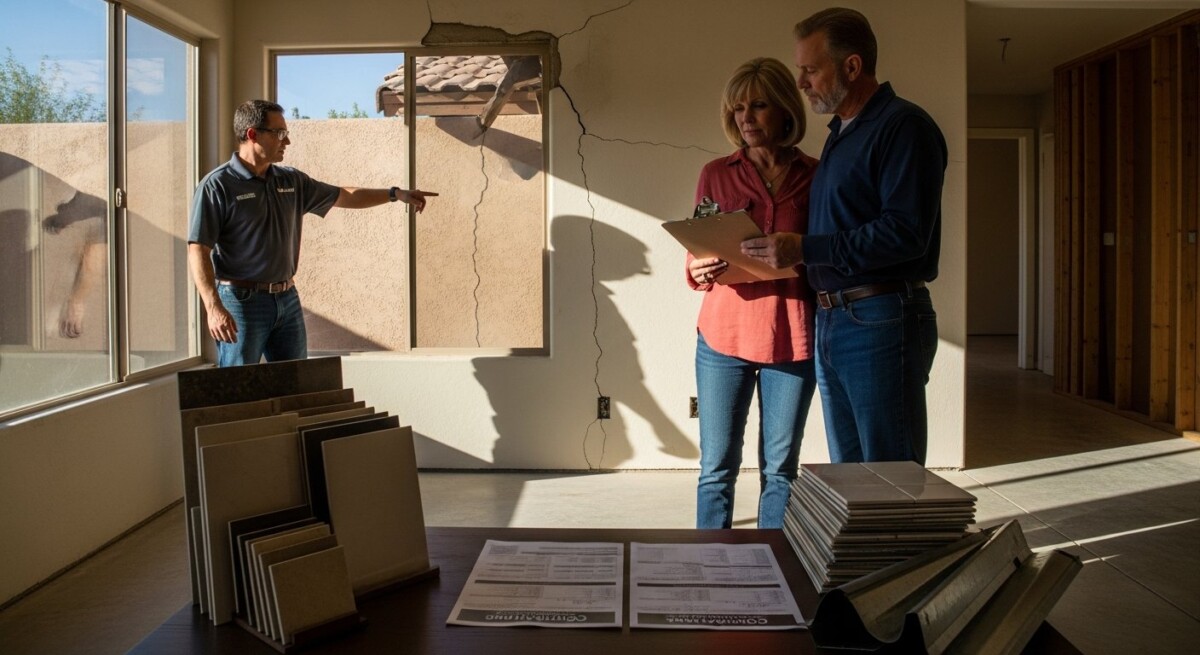
Best Contractors for Home Renovation Projects: A Homeowner’s Guide
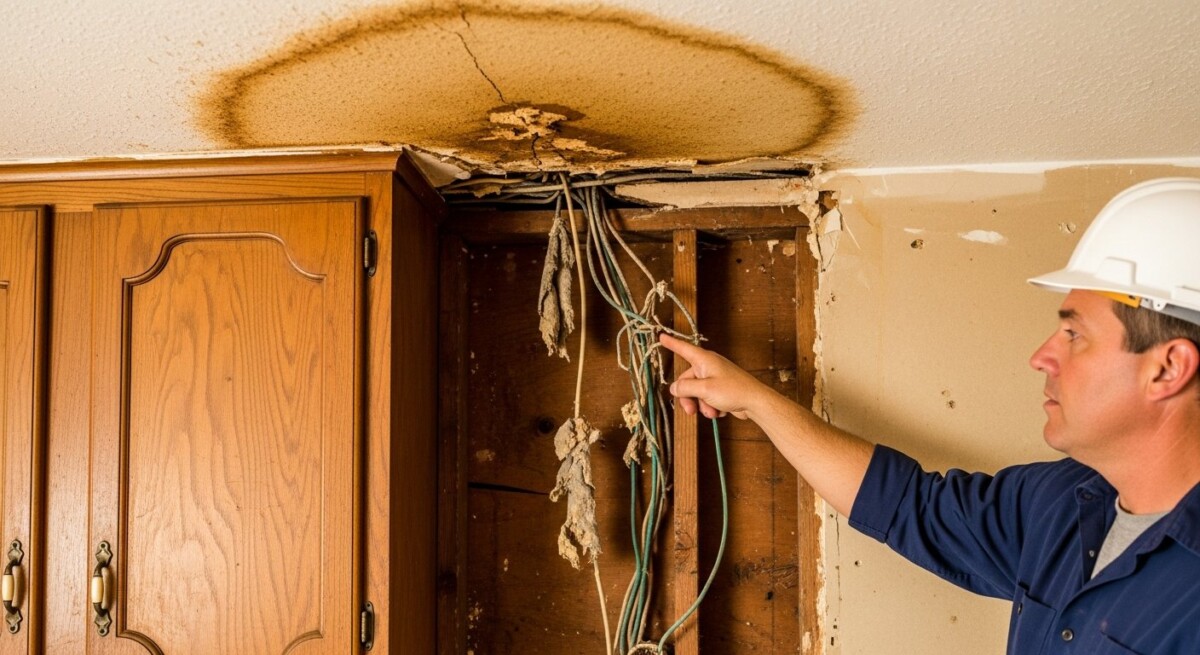
You walk into your kitchen one morning and notice a small water stain on the ceiling. A few weeks later, that stain has grown, and you can hear a drip behind the wall. Or maybe you’ve been putting off that bathroom remodel because the thought of finding the right help feels overwhelming. If any of this sounds familiar, you are not alone. Many homeowners discover hidden issues only when they become impossible to ignore. Finding the best contractors for home renovation projects is the first step to turning a stressful situation into a smooth, successful upgrade.
Understanding Best Contractors for Home Renovation Projects
When we talk about the best contractors for home renovation projects, we mean licensed, insured professionals who have a proven track record of delivering quality work on time and on budget. These are not handymen who do a little bit of everything. They specialize in specific areas like kitchen remodels, bathroom renovations, basement finishing, or whole-house updates.
Why does this matter? Because home renovation involves complex systems,plumbing, electrical, structural framing, and insulation. A generalist may miss critical details that a specialist would catch. Homes built before 1980, for instance, often have outdated wiring or non-load-bearing walls that need careful evaluation. The right contractor understands these nuances and plans accordingly.
Which Homes Need the Best Contractors?
Every home can benefit from a skilled contractor, but older homes and homes with previous DIY work are most at risk. If you own a property that has had multiple owners or unpermitted additions, hiring a top-tier contractor ensures the work meets current building codes and safety standards.
Why This Matters for Your Home
Ignoring the need for a qualified contractor can lead to costly property damage. A poorly installed shower pan, for example, can rot subflooring and cause mold growth that spreads into walls. What starts as a $2,000 repair can quickly become a $15,000 remediation project.
Safety is another major concern. Faulty electrical work or improperly supported beams can create hazards for your family. And let’s not forget comfort,a renovation done right improves your home’s energy efficiency, noise reduction, and overall livability. Delaying action only increases these risks and costs over time.
If you notice signs of this issue in your home, it may help to speak with a qualified contractor. Request a free quote or call to explore your repair or remodeling options.
Common Problems Homeowners Experience
Homeowners often encounter the same handful of problems when tackling renovation projects. These issues usually appear gradually and can worsen if not addressed promptly.
- Water damage from leaky pipes, roofs, or windows that leads to rot and mold.
- Outdated electrical systems that can’t handle modern appliances or cause frequent breaker trips.
- Cracked or uneven floors that signal foundation settling or subfloor damage.
- Drafty rooms and high energy bills due to poor insulation or old windows.
- Outdated layouts with wasted space or poor traffic flow that reduce home value.
- Permit and code violations from previous unlicensed work that complicate selling your home.
Each of these problems has a solution, but the fix often requires specialized knowledge. A contractor who has seen these issues hundreds of times can diagnose the root cause and recommend the most effective repair.
How Professionals Solve the Problem
Experienced contractors follow a systematic approach that protects your home and delivers lasting results. They begin with a thorough inspection to identify all underlying issues, not just the visible ones. This prevents surprises once the work starts.
- Assessment and planning: The contractor measures the space, checks for structural or mechanical issues, and discusses your goals and budget.
- Design and material selection: They help you choose durable materials that fit your style and budget, often at trade discounts you cannot access on your own.
- Permitting and scheduling: The contractor pulls necessary permits and creates a timeline that minimizes disruption to your daily life.
- Professional execution: Skilled tradespeople complete the work using proper techniques and safety protocols.
- Final inspection and cleanup: The contractor ensures everything meets code and your expectations, then cleans the job site thoroughly.
Professional work is safer and more reliable than DIY fixes because contractors carry insurance, warranties, and the expertise to handle unexpected complications. In our guide on renegotiating a contractor contract, we explain how to protect yourself if changes arise during the project.
A professional inspection can reveal hidden issues before they become expensive repairs. Compare contractor quotes here or call to discuss your project.
Warning Signs You Should Not Ignore
Your home often gives you clues that a renovation project is overdue. Paying attention to these signs can save you thousands of dollars and a lot of stress. Early action almost always means lower costs and fewer disruptions.
- Water stains or peeling paint on ceilings or walls, indicating a leak behind the surface.
- Musty odors or visible mold, which suggest moisture issues that can affect your health.
- Cracks in drywall or tile that grow over time, hinting at foundation movement or structural stress.
- Doors or windows that stick or won’t close properly, often a sign of shifting framing.
- Flickering lights or warm outlets, which point to outdated or overloaded electrical wiring.
- High utility bills that keep climbing despite normal usage, signaling poor insulation or inefficient systems.
If you see any of these signs, don’t wait. A contractor can assess the severity and recommend the most cost-effective solution. The longer you delay, the more extensive,and expensive,the repair becomes.
What Affects the Cost of Repairs or Installation
Renovation costs vary widely based on several factors. Understanding these can help you budget realistically and avoid sticker shock when you receive estimates.
The size of the project is the biggest driver. A full kitchen remodel costs more than a bathroom refresh because of the square footage, cabinetry, and appliances involved. Material choices also play a major role,custom tile and quartz countertops cost more than stock laminate and ceramic. Labor costs depend on your region and the complexity of the work. Accessible projects on the ground floor are cheaper than those requiring scaffolding or work in tight crawl spaces. Finally, older homes often require additional structural or electrical upgrades to meet modern codes, which adds to the total.
Costs can vary depending on the condition of your home. The best way to know the price is to get a personalized estimate. Request free quotes from contractors or call today.
How to Choose the Right Contractor
Selecting the best contractor for your project doesn’t have to be intimidating. With a little research and the right questions, you can find a professional who delivers quality work and clear communication.
- Check licenses and insurance: Verify that the contractor is licensed in your state and carries general liability and workers’ compensation insurance.
- Read customer reviews: Look for recent reviews on Google, Yelp, or the Better Business Bureau. Pay attention to how the contractor handles complaints.
- Ask for detailed estimates: A good estimate breaks down material costs, labor, permits, and timeline. Avoid vague quotes that leave room for surprise charges.
- Compare multiple quotes: Get at least three estimates from different contractors. This helps you understand the market rate and spot outliers.
- Confirm experience with similar projects: Ask for photos or references from projects like yours. A contractor who specializes in kitchens may not be the best fit for a foundation repair.
If you’re unsure about contract terms, read our article on fixed price vs variable contracts to understand which option protects you best.
Long-Term Benefits of Professional Work
Investing in a professional contractor pays off for years to come. The quality of workmanship directly affects your home’s safety, comfort, and resale value. A well-executed renovation can last 20 years or more with minimal maintenance.
Energy efficiency is another major benefit. Professional contractors seal air leaks, install proper insulation, and choose energy-efficient windows and appliances that lower your monthly bills. They also use materials that stand up to wear and tear, reducing the need for future repairs. And when it comes time to sell, a professionally renovated home commands a higher price and sells faster than one with DIY or outdated finishes.
For a deeper dive into budgeting, check out our guide on the average cost of home renovation projects. It helps you plan financially and avoid overspending.
Frequently Asked Questions
How do I find the best contractors for home renovation projects near me?
Start by asking friends and neighbors for recommendations, then verify credentials online. Use platforms like FreeQuotes.Contractors to compare multiple pre-vetted contractors in your area. Always check licenses, insurance, and recent reviews before scheduling a consultation.
What is the difference between a contractor and a handyman?
A contractor is licensed and insured to handle large, complex projects like room additions, kitchen remodels, or structural changes. A handyman is best for small repairs like fixing a leaky faucet or patching drywall. For major renovations, always hire a contractor to ensure the work meets building codes.
How much does a typical home renovation cost?
Costs vary widely by project type and size. A minor bathroom remodel might cost $5,000,$15,000, while a full kitchen renovation can range from $20,000 to $60,000 or more. Get at least three quotes to understand the pricing in your market.
Do I need permits for a home renovation?
Most structural, electrical, and plumbing work requires permits. Your contractor should handle the permitting process as part of the project. Unpermitted work can lead to fines and complications when you sell your home.
How long does a home renovation usually take?
Timelines depend on the project scope. A bathroom renovation typically takes 2,4 weeks, while a whole-house remodel can take 3,6 months. Your contractor should provide a detailed schedule before work begins.
What should I look for in a contractor’s estimate?
A detailed estimate includes material costs, labor, permit fees, a payment schedule, and a clear timeline. Avoid estimates that are significantly lower than others,they often cut corners or add hidden charges later.
Can I stay in my home during a renovation?
It depends on the project. Minor renovations like a single bathroom or kitchen update are often manageable if you have alternative cooking or bathing facilities. Major whole-home renovations may require you to move out temporarily for safety and convenience.
How do I avoid contractor scams?
Never pay the full amount upfront. Use a payment schedule tied to project milestones. Verify the contractor’s license and insurance, read reviews, and get everything in writing. If a deal seems too good to be true, it probably is.
Your home is one of your biggest investments, and the best way to protect it is by working with qualified professionals. Whether you need a small repair or a full renovation, the right contractor can save you time, money, and stress. Compare contractor quotes today to find the best fit for your project and budget.