
Contractor Damaged My Property: Evidence for Your Claim
Contractor damaged your property? Learn how to gather evidence for an insurance claim and maximize your recovery.
By Adnan Nazir
Find Local Pros Near You

Enter your ZIP code to compare top-rated local professionals and request free quotes.
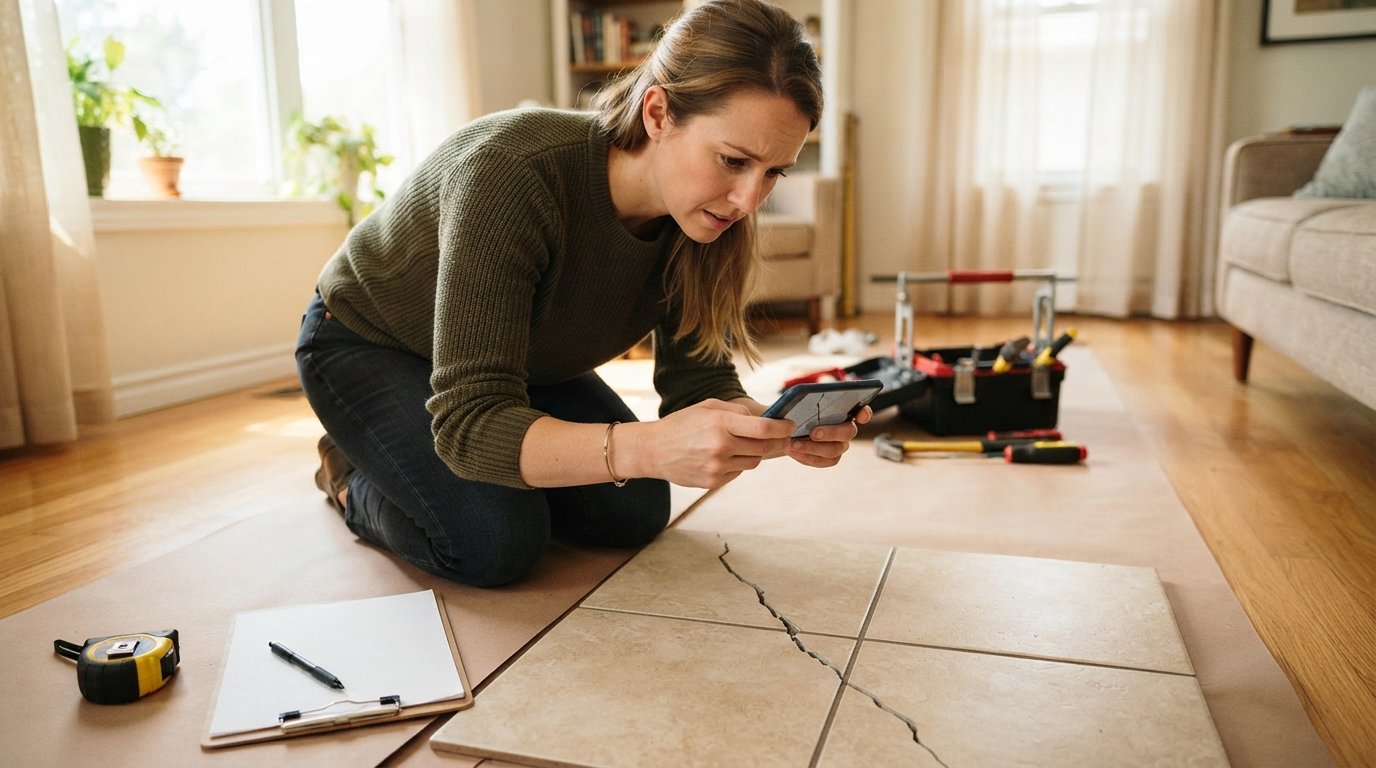
You hired a contractor to improve your home, and now you are staring at cracked tile, a scratched floor, or a broken window that was not there before. The frustration is real, and so is the financial risk if you cannot prove who caused the damage. When a contractor damages your property, the burden of proof falls on you. Without solid evidence, your insurance claim can stall, your payout can shrink, and you may end up covering repairs out of pocket. This guide walks you through exactly how to document damage, file a claim, and protect your recovery.
Why Evidence Matters When a Contractor Damages Your Property
Insurance companies do not pay claims based on emotion or verbal assurances. They pay based on documentation. When you file a claim for contractor damage, the adjuster will ask three questions: What happened, when did it happen, and who is responsible? Your evidence must answer all three. If you cannot show the before and after condition of your property, the insurer may deny the claim or offer a settlement that covers only a fraction of your losses.
Contractors often carry their own liability insurance, but that does not mean their insurer will accept fault without a fight. Your documentation becomes the foundation of your case, whether you are negotiating with the contractor, their insurer, or your own homeowner's policy. The stronger your evidence, the more leverage you have to get the repairs done correctly and on time.
There is also a practical timeline issue. Most homeowner insurance policies require you to report damage promptly. If you wait weeks to document the issue, the insurer may argue that the damage occurred later or was pre-existing. Start collecting evidence the moment you notice the problem.
How to Document Contractor Damage: A Step-by-Step Framework
Documentation is not just about snapping a few photos. It is about building a clear, chronological, and irrefutable record. Follow this sequence to capture everything you need.
- Photograph and video the damage immediately. Take wide shots that show the damage in context, then close-ups that reveal details. Use good lighting and avoid filters. If the damage is in a hard-to-reach area, use a flashlight or a selfie stick to get clear angles.
- Write a detailed description. Note the date, time, and location of each damaged item. Describe what the area looked like before the contractor started, what it looks like now, and how the damage affects your use of the space.
- Collect witness statements. If family members, neighbors, or other workers saw the damage occur or noticed it soon after, ask them to write down what they observed. Signed and dated statements carry more weight.
- Gather contracts and communication. Pull together your written agreement, text messages, emails, and any change orders. These documents establish the scope of work and can prove the contractor was responsible for the area where damage occurred.
- Get a professional assessment. Hire an independent licensed inspector or contractor to evaluate the damage and provide a written repair estimate. This third-party opinion strengthens your claim and gives the insurer a concrete number to work with.
Once you have this evidence, organize it in a folder (digital or physical) with a clear index. Label each photo with the date and a brief description. This makes it easy for the adjuster to follow your story and see the extent of the damage.
If you are unsure how to proceed, our guide on steps to get contractor damage fixed provides a broader roadmap for resolving disputes and getting repairs completed.
What Types of Evidence Are Most Persuasive to Insurers
Not all evidence is equally convincing. Insurance adjusters see hundreds of claims, and they are trained to spot inconsistencies. The most persuasive evidence is objective, timestamped, and corroborated by third parties.
Photos and videos are the cornerstone of any property damage claim. They provide an immediate visual record. However, they must be clear and contextual. A close-up of a crack means little without a wider shot showing which wall or fixture it is on. If possible, include a common object (like a ruler or a coin) in the frame to show scale.
Written estimates from licensed professionals are also highly persuasive. An adjuster is more likely to approve a claim when a qualified third party has assessed the damage and provided a repair cost. Keep in mind that the insurer may send its own adjuster, but your independent estimate gives you a baseline for negotiation.
Witness statements can tip the scales in a close case. If a neighbor saw the contractor drop a ladder on your roof or a plumber's helper accidentally crack a sink, their testimony adds credibility. Get these statements in writing and include contact information.
Finally, do not overlook the power of a paper trail. Contracts, invoices, and emails show the timeline and scope of work. If the contractor acknowledged the damage in a text message or email, that is a goldmine. Save everything.
Common Mistakes Homeowners Make When Filing a Claim
Even with good intentions, many homeowners inadvertently weaken their claims. Avoid these common pitfalls.
- Waiting too long to document. Damage can worsen, and memories fade. Report and document immediately.
- Cleaning up or repairing before documenting. Never fix the damage until you have thorough evidence. The insurer needs to see the original condition.
- Accepting a verbal promise from the contractor. A handshake agreement to fix the damage is not enforceable. Get everything in writing.
- Failing to notify your insurer promptly. Most policies have a deadline for reporting claims. Missing it can void your coverage.
- Not getting a second opinion. The contractor's insurance adjuster works for the contractor, not you. An independent estimate protects your interests.
Another mistake is assuming your homeowner's policy will cover everything. Many policies exclude damage caused by contractors or cover it only under certain conditions. Read your policy carefully, and if you are unsure, consult a public adjuster or an attorney who specializes in property claims.
If you need to find a reliable professional to repair the damage or provide an independent assessment, you can find vetted local repairmen who can help you get accurate estimates and complete the work correctly.
How to File an Insurance Claim for Contractor Damage
Filing a claim is a process, not a single phone call. Here is how to navigate it effectively.
First, notify your insurer as soon as you have basic documentation. You do not need every piece of evidence to open a claim, but you should have enough to describe the damage and its cause. The insurer will assign a claim number and may schedule an inspection.
Next, submit your evidence package. This includes your photos, videos, written descriptions, witness statements, and professional estimates. Keep copies for yourself. Send everything via a trackable method (email with read receipt or certified mail) so you can prove the insurer received it.
Be prepared for the adjuster's visit. Walk them through the damage, point out the evidence, and answer questions honestly. Do not exaggerate, but do not downplay the severity either. If the adjuster makes an offer on the spot, you are not obligated to accept it. Take time to review it against your estimates.
If the claim is denied or the payout is too low, you have options. You can request a reconsideration, file a complaint with your state's insurance department, or hire a public adjuster to negotiate on your behalf. In some cases, legal action may be necessary, but that is usually a last resort.
When to Involve the Contractor's Insurance or Legal Action
Your homeowner's policy may cover the damage, but that does not absolve the contractor of responsibility. If the contractor was negligent, their liability insurance should pay. However, contractors may resist filing a claim to avoid premium increases. You may need to pressure them.
Start by sending a formal demand letter to the contractor, outlining the damage, the evidence, and the amount you are seeking. Give them a reasonable deadline to respond. If they ignore you or refuse to pay, contact their insurance company directly. You can usually find the insurer's information on the contractor's certificate of insurance, which they should have provided before work began.
If the contractor is unlicensed or uninsured, your options narrow. You may need to rely on your own insurance and then pursue the contractor in small claims court. This is why it is critical to hire only licensed, insured professionals. Platforms like FreeQuotes.Contractors can connect you with pre-vetted contractors who carry proper insurance, reducing your risk.
Legal action should be a last resort, but it is sometimes necessary. Consult an attorney who specializes in construction defects or insurance disputes. They can advise you on the strength of your case and the potential costs.
Protecting Yourself Before and After Contractor Damage
The best way to avoid the nightmare of contractor damage is to prevent it. Before hiring anyone, verify their license, insurance, and references. Get everything in writing, including the scope of work, timeline, and payment schedule. Take before photos of your entire home, not just the work area. This creates a baseline for comparison.
During the project, check in regularly. If you see something that looks wrong, speak up immediately. Do not wait until the job is done. Early intervention can prevent small issues from becoming major damage.
After the work is complete, do a final walkthrough with the contractor. Note any damage or incomplete work in writing and have both parties sign. If damage is discovered later, you have a record of the condition at completion.
If damage does occur, act fast. Document everything, notify your insurer, and seek professional estimates. The more organized and thorough you are, the better your chances of a fair settlement.
Remember that you do not have to navigate this alone. FreeQuotes.Contractors offers free quote requests and educational resources to help you find reliable contractors for repairs and renovations. Whether you need to fix damage or start a new project, getting multiple quotes from vetted professionals is the smartest first step.
Find Local Pros Near You
Enter your ZIP code to compare top-rated local professionals and request free quotes.