
Contractor Damaged Your Property? Document It Right
When a contractor damages your property documentation is your strongest tool. Learn how to capture evidence, notify the right parties, and protect your claim.

By Elena John
Learn more about Home Inspection for guides, costs, and what to expect.
Compare Home Inspection Pros Near You

Enter your ZIP code to compare top-rated local professionals and request free quotes.
The moment you notice a cracked tile, a dented wall, or a shattered window that was not there before your contractor started work, your heart sinks. You hired a professional to improve your home, not to add another problem to your to-do list. In that instant, your focus shifts from the project timeline to a single urgent question: how do I prove what happened and get it fixed without paying out of pocket? The answer lies in meticulous documentation, and the steps you take in the first few hours can make or break your claim. Whether the damage is minor or catastrophic, treating the situation like a formal case from the very beginning is the smartest move you can make.
This guide walks you through exactly what to do when contractor damages your property documentation becomes the central task of your day. We will cover how to capture evidence, notify the right parties, and build a file that holds up under scrutiny. By the end, you will have a clear roadmap to protect your home and your wallet.
Start With Immediate Visual Evidence
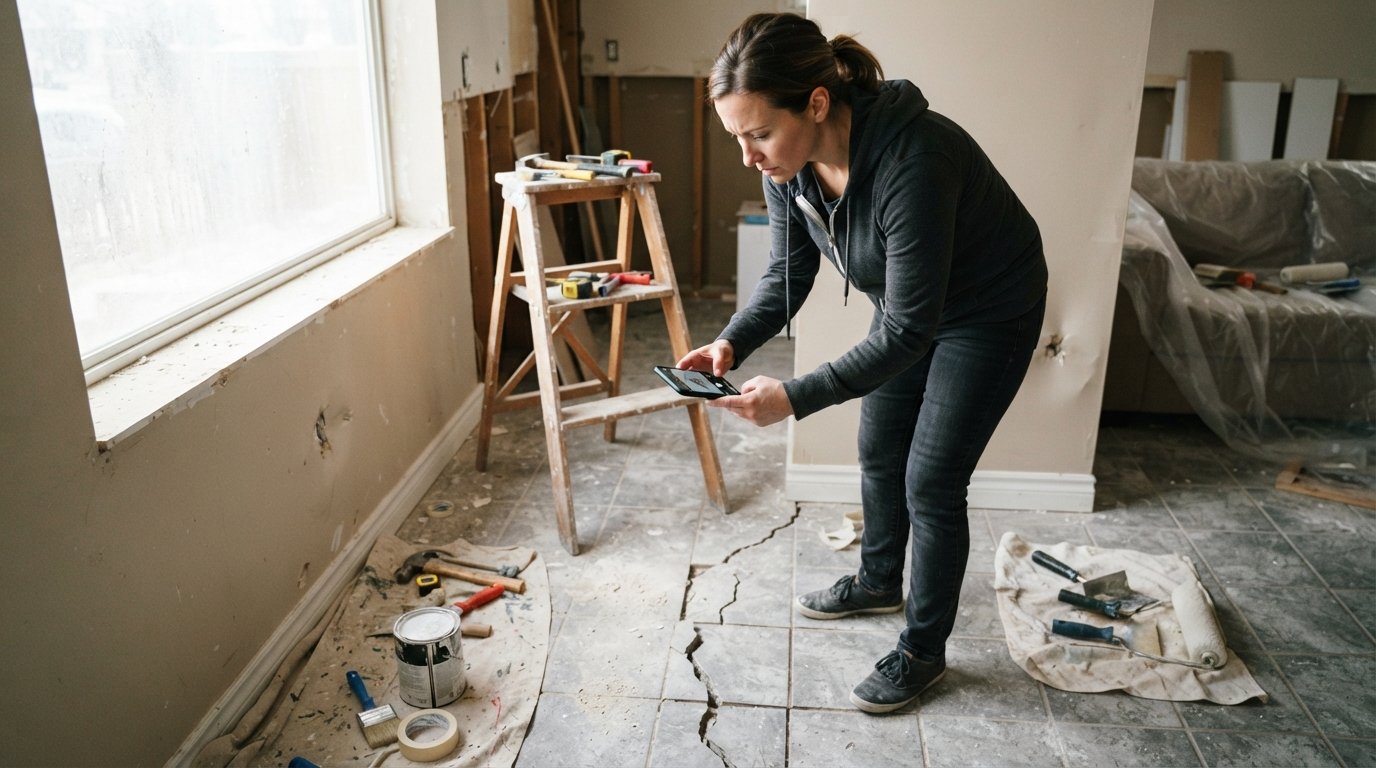
Before you call anyone, before you send a single text message, grab your phone or a camera. Visual proof is the foundation of any property damage claim, and the sooner you capture it, the harder it is for anyone to dispute. Walk through the affected area slowly and take wide shots that show the damage in context, then move closer for detailed images. If you have a video mode, use it to pan across the scene and narrate what you see, including the date and time. This creates a timestamped record that is difficult to challenge.
Do not clean up or repair anything yet, even if it is tempting. If a contractor accidentally knocks over a can of paint on your hardwood floor, leave the splatter exactly as it is until you have photographed it from multiple angles. Moving or fixing the damage before documenting it can weaken your position because the other side may argue that the damage was pre-existing or not as severe as you claim. Your goal is to freeze the scene in time so that later, when emotions have cooled and memories have faded, you have an unalterable record.
As you take photos, pay attention to these key elements:
- Wide shots that show the damaged area in relation to the rest of the room or exterior.
- Close-ups that capture texture, color, and any debris or broken pieces.
- Photos of any surrounding areas that were not damaged, to establish a baseline.
- Images of any tools, materials, or equipment left behind by the crew.
- A picture of the contractor's vehicle or signage if it is still on site.
Once you have your images, back them up immediately to cloud storage or email them to yourself. Phones get lost, dropped, or stolen, and you do not want to rely on a single device. If you have a printer, print a few key photos and write the date and a brief description on the back. This physical copy can be invaluable if you need to hand something to an insurance adjuster or a small claims court clerk.
Create a Written Record of the Incident
Photographs tell part of the story, but a written narrative fills in the gaps. Sit down within a few hours of discovering the damage and write a detailed account of what happened. Include the date and time you noticed the damage, the names of any workers who were present, and a description of the work being performed at the time. Be specific about what was damaged and how you believe it occurred, but stick to facts rather than assumptions. For example, instead of writing "the contractor was careless," write "I observed a worker carrying a ladder through the hallway and heard a loud crash; later I found a large dent in the drywall."
Your written record should also include a list of any conversations you have had with the contractor or their employees about the damage. Note the date, time, and who said what. If you spoke in person, follow up with an email summarizing the conversation and ask the other party to confirm receipt. This creates a paper trail that can be used later if the contractor denies making certain statements. Keep your tone professional and factual; you are building a case, not venting frustration.
If you have a home inventory or a recent appraisal, pull it out and compare the current condition of your property to what was previously documented. This can help you establish the pre-damage value of items that were destroyed. For larger items like appliances or furniture, gather any receipts or warranty documents you have on file. The more evidence you can assemble, the stronger your position will be when you seek compensation.
Notify Your Contractor in Writing
Verbal complaints often go nowhere. To protect your rights, you need to put your contractor on formal notice as soon as possible. Send a written notification, preferably via email so you have a timestamped copy, and also consider sending a certified letter if the damage is significant. In your message, describe the damage, attach your photos, and request a response within a specific timeframe, such as 48 hours. State clearly that you expect the contractor to repair or pay for the damage, and that you are documenting everything for potential legal or insurance action.
Keep your communication calm and businesslike. Avoid threats or insults, which can escalate the situation and make the contractor defensive. Instead, focus on the facts and your desired outcome. If the contractor responds with a reasonable offer to fix the damage, get that offer in writing before any work begins. If they deny responsibility or refuse to respond, you have a record of their noncompliance that will be useful later.
At this stage, it also helps to understand the broader landscape of contractor disputes. For a deeper dive into handling conflicts, including when to involve third parties, see our guide on what to do when a contractor damages your property. That resource expands on negotiation tactics and legal options if the contractor refuses to cooperate.
Document the Financial Impact
Property damage is not just about broken things; it is also about the money you will have to spend to make things right. Start gathering estimates for repairs from licensed professionals who are not affiliated with the contractor who caused the damage. Get at least two or three written quotes that detail the scope of work and the cost. These estimates serve as evidence of your financial loss and will be required by your insurance company or a court if you pursue a claim.
If the damage has made part of your home unusable, such as a bathroom that cannot be used because of a broken toilet, you may also be entitled to compensation for additional living expenses or loss of use. Keep receipts for any hotels, meals, or other costs you incur as a direct result of the damage. Even if you do not end up filing a claim, having this documentation ensures you do not leave money on the table.
For major damage, consider hiring a public adjuster or a property damage appraiser. These professionals can help you quantify your loss and negotiate with insurers. Their fees are often a percentage of the final settlement, so you pay nothing upfront. Before hiring anyone, check their credentials and ask for references. A good adjuster will work for you, not the insurance company, and can level the playing field if the insurer tries to lowball your claim.
Involve Your Insurance Company and Other Professionals
Your homeowner's insurance policy may cover damage caused by a contractor, depending on the circumstances and your policy terms. Contact your insurer as soon as you have gathered your evidence and estimates. Be honest and thorough; withholding information can jeopardize your claim. An adjuster will likely visit your home to assess the damage, and you should be present to point out everything you have documented. Keep a copy of every document you send to the insurer and note the name of every person you speak with.
If the contractor was licensed and insured, their liability insurance may also come into play. Ask for a copy of their certificate of insurance and file a claim directly with their carrier if they refuse to cooperate. In some cases, your own insurer will pay for the repairs and then seek reimbursement from the contractor's insurer, a process known as subrogation. Either way, your documentation is the key that unlocks the process.
For situations where the damage is extensive or the contractor is unresponsive, you may need to consult an attorney who specializes in construction law. Many offer free initial consultations, and they can advise you on whether to sue, file a complaint with a licensing board, or pursue arbitration. If you need to find a reliable professional to repair the damage, platforms like Repairmen connect homeowners with vetted local service providers across the United States, making it easier to get multiple quotes and choose the right pro for the job. This can be especially helpful when you need to move quickly to mitigate further damage.
Build a Master Documentation File
As you collect photos, receipts, emails, and estimates, organize everything into a single master file, either physical or digital. Use a folder system with clear labels such as "Photos," "Correspondence," "Estimates," and "Legal." If you are working digitally, consider scanning paper documents and saving them as PDFs. Create a cover sheet that summarizes the incident, lists all parties involved, and provides a timeline of events. This master file will be your go-to resource if you need to present your case to an insurer, a mediator, or a judge.
Update the file regularly as new information comes in. If you have a phone call with the contractor, write a memo and add it to the file. If you receive a repair estimate, file it immediately. The more complete your record, the more credible you will appear. Remember that memory is fallible, but documents are not. In a dispute, the person with the best paperwork often wins.
Finally, do not underestimate the power of a simple timeline. Create a chronological list of every significant event, from the day you hired the contractor to the present. Include dates, times, and a brief description of what happened. This timeline can be invaluable for keeping your own thoughts organized and for helping others understand the sequence of events quickly. It also highlights any gaps or inconsistencies in the contractor's story.
Protect Yourself From Future Issues
Once the immediate crisis is under control, take steps to prevent similar problems on future projects. Before hiring any contractor, always verify their license, insurance, and references. Ask for a certificate of insurance and call the insurer to confirm it is active. A little due diligence upfront can save you from a documentation nightmare later. Additionally, consider adding a clause to your contract that specifically addresses property damage and requires the contractor to carry adequate liability coverage.
Keep a close eye on the work as it progresses. Take photos at the start of the project and at regular intervals. This baseline documentation makes it easier to prove that any damage occurred during the contractor's work rather than before. If you notice something amiss, address it immediately with the contractor in writing. Early intervention often prevents small issues from becoming major disputes.
When you are ready to hire a new contractor, using a service like FreeQuotes.Contractors can help you find pre-vetted professionals in your area. You can request free, no-obligation quotes and compare them side by side, reducing the risk of hiring someone who is not qualified or insured. The platform also offers educational resources on contractor selection and project planning, which can help you avoid common pitfalls.
The steps you take in the aftermath of contractor damage are critical. By documenting everything thoroughly, communicating in writing, and involving the right professionals, you can protect your home and your financial interests. Do not wait for the contractor to do the right thing; take control of the situation and build a case that leaves no room for doubt.