
Contractor Quote vs Estimate: Know the Difference
Learn the crucial difference between a contractor quote and an estimate to protect your budget and ensure a smooth home project.

By Elena John
Learn more about Exterior Painting for guides, costs, and what to expect.
Compare Exterior Painting Pros Near You

Enter your ZIP code to compare top-rated local professionals and request free quotes.
You’ve finally decided to tackle that kitchen remodel or fix that leaky roof. You call a few contractors, and one says they’ll send an “estimate,” while another promises a “quote.” They sound like the same thing, so you assume the prices are set. But then, halfway through the project, you get a bill that’s hundreds or even thousands more than you expected. This frustrating and costly surprise happens to homeowners every day, all because of a simple misunderstanding between two common terms.
Understanding Contractor Quote vs Estimate
In the world of home improvement, “estimate” and “quote” are not interchangeable. Understanding the difference is your first line of defense against budget overruns and stressful disagreements. It all comes down to the level of commitment and the precision of the price.
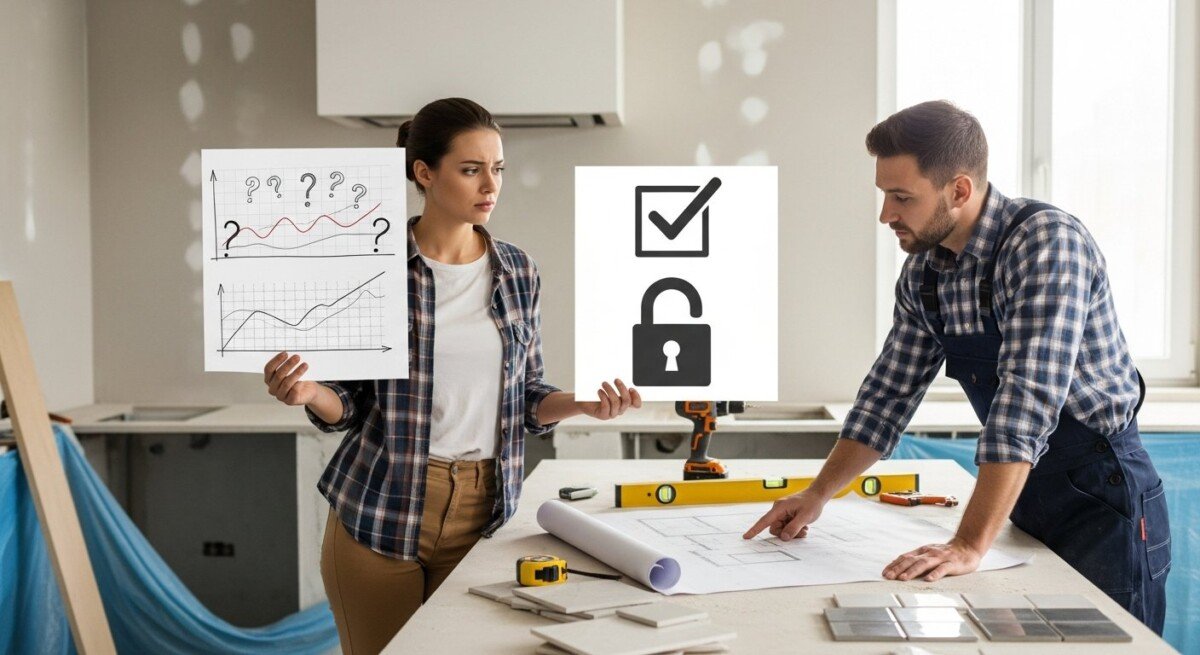
An estimate is an educated guess. It’s a contractor’s best approximation of what a project might cost based on a preliminary look. Think of it as a ballpark figure. A quote, however, is a formal offer and a fixed price. It’s a detailed, binding agreement that outlines the exact scope of work and the total cost you will pay.
This distinction matters because the language used sets expectations. If you sign a contract based on an estimate, the final price can change. If you have a signed quote, the price is locked in, barring any changes you request to the original plan.
Why This Matters for Your Home
Mixing up a quote and an estimate can directly impact your wallet and your peace of mind. Starting a project with only an estimate is like beginning a road trip with a rough idea of the distance but no clear map. Unexpected costs for materials, labor, or unforeseen problems can pop up, leaving you to cover the difference.
This isn’t just about money. A project that balloons in cost can stall halfway through, leaving your home in disarray. More importantly, if a contractor is working with a vague estimate, they might be tempted to cut corners on materials or workmanship to stay near that initial number, potentially compromising the safety, durability, and value of the work done on your home.
If you notice signs of this issue in your home, it may help to speak with a qualified contractor. Request a free quote or call to explore your repair or remodeling options.
Common Problems Homeowners Experience
The confusion between quotes and estimates leads to several predictable problems. Homeowners often feel blindsided by additional invoices or face difficult conversations with contractors about why the price increased. The project’s timeline can also stretch out if funding runs short, turning a weeks-long renovation into a months-long headache.
These issues typically stem from a lack of detailed documentation. When the agreement is vague, it’s hard to hold anyone accountable for the final outcome or cost. This is why knowing what to ask for from the start is so crucial for a smooth project.
- Sticker Shock: Receiving a final bill that is significantly higher than the initial number discussed.
- Scope Creep: The project gradually expands, with small “add-ons” that weren’t in the original plan but add up in cost.
- Material Swaps: Being told the initially specified materials are unavailable or more expensive, forcing a change that affects price and quality.
- Unforeseen Charges: Discovering fees for permits, waste disposal, or extra labor that weren’t mentioned upfront.
- Project Stalls: Work stops because the budget from the estimate has been exhausted before completion.
- Conflict with the Contractor: Disagreements over what was promised versus what is being delivered, damaging the working relationship.
How Professionals Solve the Problem
A reputable contractor solves this problem through transparency and detailed planning. They know that a clear, fixed-price quote protects both you and them. It establishes trust and sets the foundation for a successful partnership where everyone knows what to expect.
The process begins with a thorough assessment. A professional won’t just give a number over the phone. They will visit your home, take measurements, ask detailed questions about your goals, and identify potential challenges. This diligence is what transforms a guess into a guarantee.
- Detailed Consultation: The contractor visits your home to understand the full scope of the project, your preferences, and any hidden issues.
- Precise Specification: They document every detail,brands, model numbers, quantities of materials, and the exact work to be done.
- Fixed-Price Calculation: Using the specifications, they calculate the exact cost of materials, labor, permits, and profit margin to create a binding quote.
- Clear Contract: The quote is presented in a written contract that you both sign, making it a legally binding agreement for the set price.
A professional inspection can reveal hidden issues before they become expensive repairs. Compare contractor quotes here or call to discuss your project.
Warning Signs You Should Not Ignore
When talking to contractors, their language can signal whether you’re getting a firm quote or a loose estimate. Paying attention to these signs can save you from future hassle. A contractor who is vague or hesitant to put details in writing may not have the experience or intent to stick to a budget.
Ignoring these red flags can lead to the common problems we discussed. It’s always better to clarify terms upfront than to deal with disputes when your home is torn apart and your savings are on the line. Early, clear communication is the key to prevention.
- The contractor gives a price over the phone without seeing the project.
- They use phrases like “probably around,” “in the ballpark of,” or “it shouldn’t be more than.”
- They are reluctant to provide a detailed, written breakdown of costs.
- The document you receive is labeled “Estimate” but you are asked to sign it as a contract.
- They cannot explain what is and, importantly, what is NOT included in the price.
- They pressure you to start work immediately, discouraging you from getting other quotes.
What Affects the Cost of Repairs or Installation
Understanding what goes into a price helps you appreciate the value of a detailed quote. The final number isn’t arbitrary; it’s the sum of many factors a professional considers. This is why two quotes for the same project can vary,each contractor may assess materials, timelines, and challenges differently.
The age and condition of your home are major factors. An older home might have outdated wiring, plumbing, or structural issues that need to be addressed before new work can begin. These “unseen” conditions are often the reason estimates balloon, which is why a thorough inspection is part of creating a reliable, fixed quote.
Costs can vary depending on the condition of your home. The best way to know the price is to get a personalized estimate. Request free quotes from contractors or call today.
How to Choose the Right Contractor
Choosing a contractor is about more than just the lowest price. It’s about finding a communicator who values clarity as much as craftsmanship. The way a contractor handles the quoting process is a window into how they will handle your entire project.
Your goal is to find a partner who sees your project through from a detailed plan to a finished product you love. This starts with them taking the time to understand your vision and translating it into a clear, actionable, and fixed-price plan.
- Ask for a Detailed Quote, Not an Estimate: Be clear from the start that you are comparing fixed-price quotes.
- Verify Credentials: Check for a valid license, insurance, and bonding to protect yourself from liability.
- Read Reviews and Ask for References: Look for feedback about their reliability, communication, and adherence to budget.
- Compare Apples to Apples: When reviewing multiple quotes, ensure they include the same materials, scope, and timeline.
- Trust Your Instincts: Choose someone who communicates clearly, answers your questions patiently, and makes you feel confident.
Long-Term Benefits of Professional Work
Investing in a professional who provides a proper quote pays dividends long after the project is complete. You’re not just paying for a service; you’re investing in the safety, efficiency, and value of your home. Quality workmanship with the right materials lasts longer, performs better, and requires less maintenance.
This professional approach directly protects your home’s value. A well-documented, permitted, and professionally completed project is an asset. Should you ever sell your home, you can provide potential buyers with the details of the work, giving them confidence and potentially increasing your sale price. It turns a cost into an investment.
What is the main difference between a quote and an estimate?
An estimate is an approximate guess of the project cost and can change. A quote is a fixed, binding price for a specified scope of work. You should always aim to get a detailed quote before signing any contract.
Is a contractor legally bound to an estimate?
No, an estimate is not typically a legally binding price. It is a non-binding approximation. A contractor is only legally obligated to a fixed price if you have both signed a contract based on a formal quote.
Should I get multiple quotes for a home project?
Yes, it is highly recommended to get at least three detailed quotes from different contractors. This allows you to compare not only price but also the proposed approach, materials, and timeline, ensuring you get the best value and find a contractor you trust.
What should a detailed contractor quote include?
A proper quote should include a breakdown of material costs (types, brands, quantities), labor costs, a project timeline, payment schedule, and a clear description of the work to be done. It should also state what is NOT included to avoid surprises.
Can a contractor change a quote after it’s given?
Once a quote is accepted and signed as a contract, the price is fixed. The only reason for a change should be if you, the homeowner, request a change to the original scope of work described in the quote, which would then require a formal change order.
Why are some quotes free and others charge a fee?
Most reputable contractors provide free quotes for standard projects as part of earning your business. A fee might be charged for extremely complex designs or consultations that require significant architectural or engineering work upfront. Always ask about fees before proceeding.
Navigating a home improvement project is complex, but understanding the simple difference between a quote and an estimate empowers you to take control. By insisting on clear, fixed-price quotes and comparing your options, you protect your budget, your home, and your peace of mind. Don’t let confusion lead to cost overruns,start your next project on solid ground by gathering detailed quotes from trusted professionals.
Learn more about Exterior Painting for guides, costs, and what to expect.
Compare Exterior Painting Pros Near You
Enter your ZIP code to compare top-rated local professionals and request free quotes.