
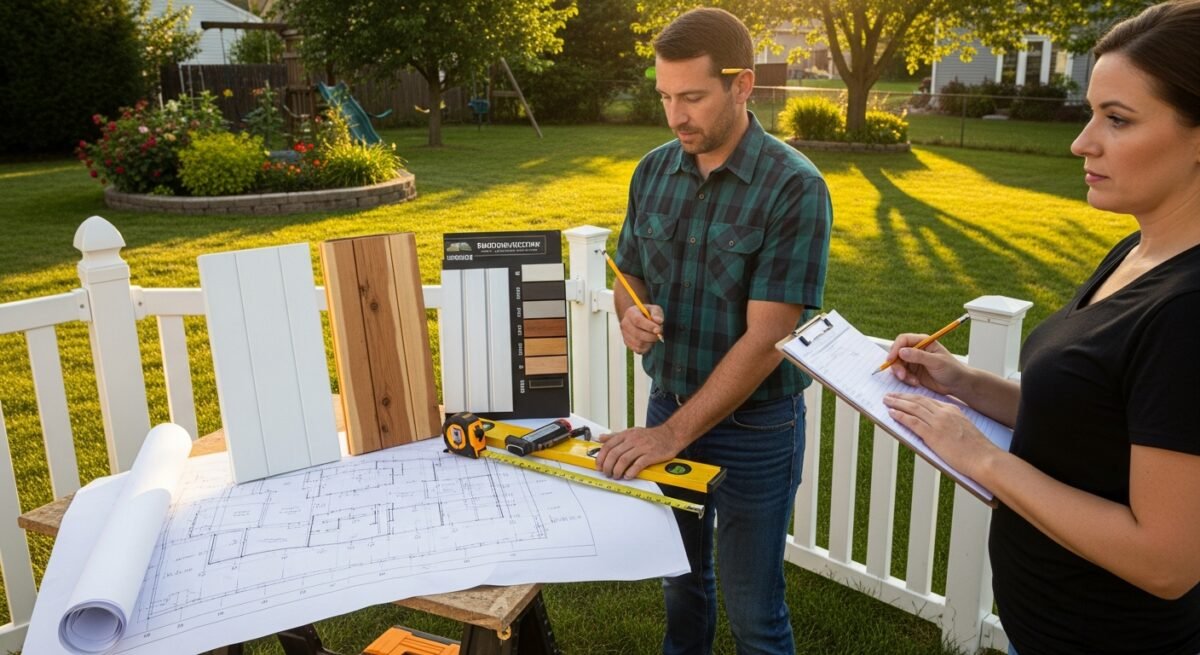
Understanding Your Fence Replacement Estimate
A clear fence replacement estimate is your key to a successful project. Learn what to look for, cost factors, and how to choose the right professional for a durable, beautiful fence.

By Elena John
Learn more about Fence and Gate Installation for guides, costs, and what to expect.
Compare Fence and Gate Installation Pros Near You

Enter your ZIP code to compare top-rated local professionals and request free quotes.
Thinking about replacing your fence can feel overwhelming. You know you need a new one, but when you start looking into costs, you’re met with a jumble of numbers, materials, and labor fees. That initial quote or estimate can be confusing, leaving you wondering if you’re getting a fair price and what exactly you’re paying for. A clear, detailed fence replacement estimate is your roadmap to a successful project, and knowing how to read it is the first step to a beautiful, durable fence that protects your home and fits your budget.
Call 📞833-365-8755 or visit Get Your Estimate for a free, no-obligation site visit and a transparent, written estimate.
What Is a Fence Replacement Estimate?
A fence replacement estimate is more than just a simple price guess. It’s a professional assessment and a written document that outlines the projected costs for your specific project. Think of it as a blueprint for your investment. A good estimate breaks down all the elements that contribute to the final price, giving you transparency and confidence before any work begins.
This document is typically provided by a fencing contractor after they’ve evaluated your property, discussed your needs, and taken precise measurements. It serves as a mutual understanding between you and the professional, detailing the scope of work, materials to be used, labor, and any additional costs. It’s your key tool for comparing different contractors and making an informed decision.
Key Components of a Good Estimate
A thorough estimate should include several clear sections. It will list the linear footage of the fence, the type of material (like wood, vinyl, or aluminum), the style of panels or posts, and the cost of gates. It should also itemize labor, site preparation (like old fence removal), permits if needed, and a projected timeline for completion.
Why a Detailed Estimate Matters for Homeowners
Getting a detailed, written estimate protects you, your home, and your wallet. It prevents unpleasant surprises when the final bill arrives. Without a clear estimate, you might agree to a vague “ballpark” figure, only to discover later that essential items like post caps, decorative elements, or hauling away debris were considered “extras.” This can lead to budget overruns and frustration.
A proper estimate also allows you to compare apples to apples when seeking multiple bids. If one contractor gives a single lump sum and another provides a line-item breakdown, it’s nearly impossible to know who is offering the better value. The detailed estimate empowers you to ask smart questions and ensures everyone is on the same page about the project’s expectations from day one.
Common Issues with Fences and Their Causes
Fences face constant wear from weather, time, and use. Understanding why your current fence is failing helps you make better choices for the replacement. Often, problems start at the base, where wood posts meet the soil. Moisture is the primary enemy, leading to rot and instability that compromise the entire structure.
Other issues include warping or cracking of panels from sun exposure and extreme temperature swings, loose pickets or rails from failing fasteners, and rust on metal components. Sometimes, the problem isn’t just age; it can be improper initial installation, like using posts that were too short or set in poorly drained soil.
- Rotting Wood Posts: Caused by ground contact moisture and lack of proper drainage or treatment.
- Warping and Splitting: Due to prolonged sun exposure, rain, and seasonal expansion/contraction.
- Leaning or Sagging Sections: Often from frost heave, soil erosion, or rotten post foundations.
- Rust on Hardware and Metal Fences: Results from scratches in protective coatings and exposure to rain.
How Professionals Approach Fence Replacement
A professional fence replacement is a systematic process that ensures longevity and aesthetics. It begins with a thorough consultation and site evaluation, where the contractor measures, checks for utility lines, and discusses your goals. This step is crucial for creating an accurate estimate.
The actual installation follows a careful sequence. First, the old fence is safely removed, and debris is cleared. Next, new post holes are dug to the correct depth and diameter, often below the frost line for stability. Posts are set in concrete for a rock-solid foundation. Once the posts are perfectly aligned and plumb, rails and pickets (or panels) are securely attached. Finally, gates are hung and adjusted for smooth operation, and the site is cleaned up.
Signs You Should Not Ignore
Your fence will often tell you when it’s nearing the end of its life. While a fresh coat of paint or stain might hide some flaws temporarily, certain signs indicate that repair is no longer cost-effective and replacement is the smarter long-term investment. Ignoring these signs can lead to a complete collapse, which could damage landscaping or, worse, injure someone.
Pay close attention to the overall structure. If more than 20-30% of the fence is damaged, replacement is usually more economical than piecemeal repairs. Also, consider the safety and security risks a compromised fence poses to children, pets, and your property.
Call 📞833-365-8755 or visit Get Your Estimate for a free, no-obligation site visit and a transparent, written estimate.
- Multiple posts are wobbly, rotten, or leaning significantly.
- Extensive wood rot or splintering across many panels and rails.
- Your fence frequently needs repairs for loose pickets, broken rails, or latch issues.
- Severe warping, buckling, or rust that affects structural integrity.
- The fence is no longer performing its core function of providing privacy, security, or containment.
Cost Factors and What Affects Your Pricing
The cost of a new fence isn’t a one-size-fits-all number. Several key factors directly influence your estimate’s bottom line. The most significant is material choice. Pressure-treated pine is generally the most budget-friendly, while cedar, composite, vinyl, and ornamental aluminum or steel increase in price but offer different benefits in durability and maintenance.
Beyond materials, the linear footage of your fence is the primary driver of cost. The height and style also matter—a tall, shadowbox privacy fence uses more material than a short, simple ranch rail. Labor costs vary based on terrain; a sloped or rocky yard is more challenging to work on than a flat, clear one. Don’t forget to factor in the cost of removing and disposing of the old fence, any necessary permits, and adding gates, which are more complex to install than standard sections.
How To Choose the Right Fencing Professional
Selecting the right contractor is as important as choosing the right materials. Start by looking for licensed, insured professionals with strong local reputations. Read online reviews and ask for references to see examples of their past work. A trustworthy contractor will be happy to provide this information.
Always get at least three written, itemized estimates. This allows you to compare not just the total price, but the quality of materials specified, the scope of work, and the warranty offered. Be wary of quotes that seem drastically lower than others—this can be a red flag for subpar materials, inexperienced labor, or hidden costs. Choose a communicator who listens to your needs, answers your questions clearly, and provides a detailed contract.
Long-Term Benefits for Your Home
Investing in a properly installed, high-quality fence replacement delivers lasting value. It immediately boosts your home’s curb appeal and can significantly increase its market value. A new fence enhances your daily life by creating a safe, private outdoor living space for family gatherings, play, and relaxation.
Beyond enjoyment, it provides peace of mind through improved security and clear property boundaries. Choosing a durable, low-maintenance material saves you countless hours and dollars on painting, staining, and repairs over the next 15-20 years. In short, a good fence is not just an expense; it’s a long-term asset that protects and beautifies your property.
Frequently Asked Questions
How long does a fence replacement typically take?
For an average residential property, professional installation usually takes 1 to 3 days. The timeline depends on the fence’s length, material, terrain complexity, and weather conditions. A detailed estimate should include a projected schedule.
Do I need a permit to replace my fence?
In most municipalities, yes. Permit requirements vary by location and often depend on fence height and placement. A reputable fencing contractor will typically handle the permit application process for you as part of the project.
What is the most durable, low-maintenance fencing material?
Vinyl and aluminum fences are top contenders for durability and low upkeep. They resist rot, insects, and rust, and never need painting. Composite fencing is also highly durable and requires minimal maintenance compared to wood.
How deep should fence posts be set?
Posts should generally be set at least 2 feet deep for a 6-foot fence, and often deeper—to about one-third of the post’s total length. In colder climates, setting them below the frost line (often 3-4 feet) is crucial to prevent heaving.
Can I replace my fence in sections?
While possible, it’s often not recommended for a uniformly old fence. Replacing in sections can lead to mismatched aesthetics and may not address foundational issues. A full replacement ensures structural integrity and a consistent, new appearance.
What’s the difference between an estimate and a quote?
An estimate is a professional projection of costs and can sometimes change slightly if conditions change. A quote or bid is typically a fixed-price offer. Always clarify which you are receiving and ensure the final price is documented in a contract.
Does a new fence increase property value?
Yes, a well-constructed, attractive fence is a desirable feature for homebuyers. It enhances curb appeal, defines the property, and adds functional outdoor space, which can provide a strong return on investment when you sell your home.
Understanding your fence replacement estimate is the foundation of a successful project. It transforms a vague home improvement idea into a clear, actionable plan. By knowing what to look for, asking the right questions, and choosing a professional who values transparency, you can invest in your home’s future with confidence. A new fence is more than a boundary; it’s an upgrade to your daily life and a lasting addition to your property’s value.
Call 📞833-365-8755 or visit Get Your Estimate for a free, no-obligation site visit and a transparent, written estimate.
Learn more about Fence and Gate Installation for guides, costs, and what to expect.
Compare Fence and Gate Installation Pros Near You
Enter your ZIP code to compare top-rated local professionals and request free quotes.