
How Long Home Renovation Projects Usually Take
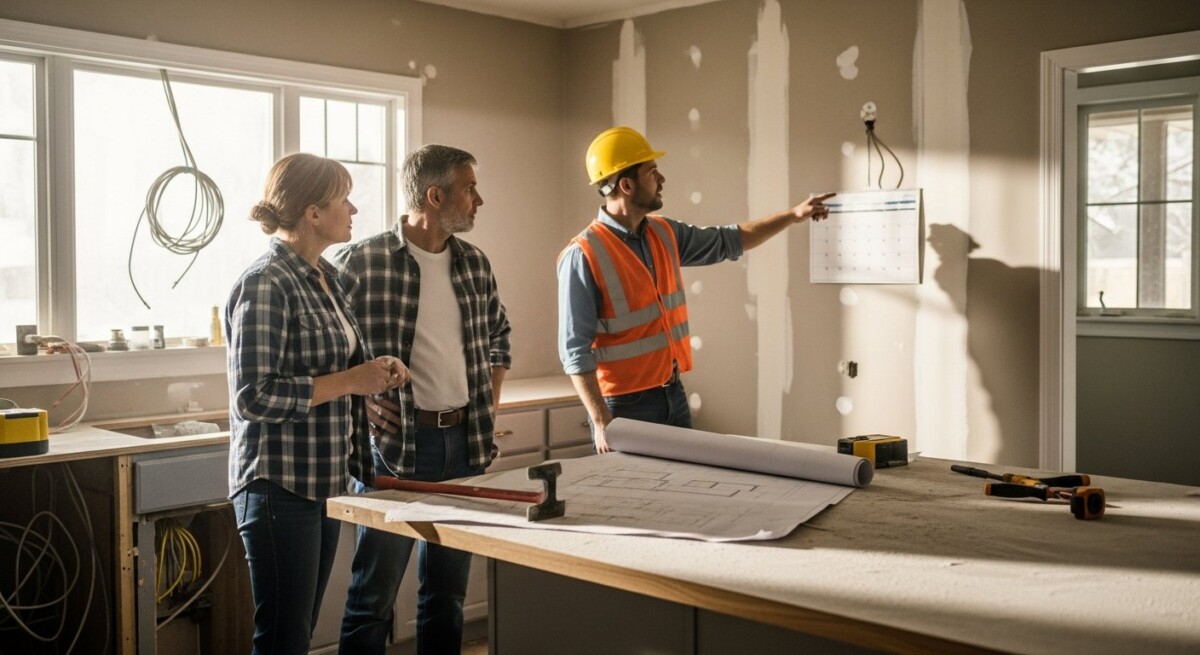
You finally decide to update that outdated kitchen or finish the basement. You call a few contractors, pick a design, and then the question hits: how long will this actually take? Many homeowners discover that renovation timelines are rarely straightforward. A “two-week bathroom remodel” can stretch into two months when hidden problems like water damage or outdated wiring surface. If you’re planning a renovation, understanding realistic timelines can save you frustration, money, and a lot of stress.
This guide walks through how long home renovation projects usually take for common rooms and repairs. We’ll explain why delays happen, what warning signs to watch for, and how professional contractors keep your project on track. Whether you’re remodeling one room or your whole house, knowing the timeline helps you plan better and avoid costly surprises.
Understanding how long home renovation projects usually take
Renovation timelines vary widely based on the project’s scope, the home’s condition, and the contractor’s schedule. A simple cosmetic update,like painting a living room or replacing a faucet,might take only a few days. But a full gut renovation of a kitchen or bathroom typically takes several weeks to months.
Most projects follow a similar rhythm: demolition, rough-in work (plumbing, electrical, HVAC), inspections, drywall, finishes, and final touches. Each phase depends on the one before it, so a delay in early stages ripples through the entire timeline. Older homes often reveal surprises like knob-and-tube wiring or asbestos tiles, which can add days or weeks while specialists remediate the issue.
In our article on the average cost of home renovation projects, we break down how budget and timeline are closely linked. Homes built before 1980 are more likely to have hidden problems that extend the schedule.
Why This Matters for Your Home
Ignoring realistic timelines can lead to more than just inconvenience. When a project runs long, you may face extended living disruptions, storage costs for your belongings, and even temporary housing expenses. More importantly, rushing a renovation to meet an unrealistic deadline often results in poor workmanship or safety shortcuts.
Property damage is another risk. A delayed roof repair can allow water to seep into walls and ceilings, leading to mold and structural rot. Similarly, putting off a bathroom remodel with a slow leak can cause floor joists to weaken. The longer you wait, the more expensive the fix becomes.
If you notice signs of this issue in your home, it may help to speak with a qualified contractor. Request a free quote or call to explore your repair or remodeling options.
Common Problems Homeowners Experience
Homeowners often underestimate how much work is involved in a renovation. They see TV shows where a kitchen is transformed in a weekend, but real-life projects involve permits, material lead times, and coordinating multiple trades. These factors can add weeks to the original estimate.
Another frequent issue is discovering hidden damage after demolition begins. Water stains behind tiles, termite-damaged studs, or outdated electrical panels all require extra time and money to fix. If you’re working with a fixed budget, these discoveries can force you to pause the project while you secure additional funds.
Common timeline-related problems include:
- Unrealistic initial estimates , Contractors who promise short timelines may be cutting corners or overbooking jobs.
- Material delays , Custom cabinets, specialty tiles, or back-ordered fixtures can hold up installation for weeks.
- Permit holdups , Depending on your municipality, permit approval can take 2,8 weeks.
- Weather impacts , Exterior projects like roofing or siding are often delayed by rain or extreme temperatures.
- Subcontractor scheduling , Electricians, plumbers, and painters may not be available when you need them.
- Scope creep , Adding “small” extras during the project (like moving a wall or upgrading fixtures) extends the timeline significantly.
How Professionals Solve the Problem
Experienced contractors build realistic timelines based on past projects and local conditions. They factor in permit wait times, material lead times, and buffer days for unexpected issues. A professional will also inspect your home thoroughly before giving a timeline, so surprises are less likely.
Here’s how a typical professional renovation process unfolds:
- Initial consultation and inspection , The contractor walks through your home, checks for hidden problems, and discusses your goals.
- Detailed quote and timeline , You receive a written estimate with a phased schedule and payment milestones.
- Permits and material ordering , The contractor pulls necessary permits and orders materials before work starts.
- Demolition and rough-in , Old materials are removed; plumbing, electrical, and HVAC are roughed in and inspected.
- Insulation, drywall, and finishes , Walls are closed up, painted, and flooring or tile is installed.
- Final trim, fixtures, and cleanup , Cabinets, countertops, lighting, and hardware go in, followed by a thorough cleaning.
Professional work is safer and more reliable than DIY because contractors carry insurance, follow building codes, and have relationships with suppliers who prioritize their orders. They also handle the coordination so you don’t have to manage multiple trades yourself.
A professional inspection can reveal hidden issues before they become expensive repairs. Compare contractor quotes here or call to discuss your project.
Warning Signs You Should Not Ignore
Before you start a renovation, look for signs that your home may have hidden problems that could delay your project. Early detection allows you to plan for extra time and budget.
Watch for these warning signs:
- Water stains on ceilings or walls , Indicates active leaks that must be repaired before remodeling.
- Musty odors or visible mold , Suggests moisture issues that require remediation, adding days to the schedule.
- Flickering lights or warm outlets , Points to outdated or overloaded wiring that needs an electrician.
- Cracks in walls or foundation , Could signal structural movement that demands engineering review.
- Bouncy floors or sticking doors , Often means floor joists or framing needs reinforcement.
- Old plumbing (galvanized pipes or lead) , May need full replacement, which adds significant time and cost.
Addressing these issues early,before demolition,keeps your project timeline shorter and more predictable. Ignoring them often leads to work stoppages and change orders that inflate both time and cost.
What Affects the Cost of Repairs or Installation
Several factors influence both the timeline and the cost of a renovation. Understanding these helps you set realistic expectations and avoid budget overruns.
The size of the project is the biggest driver. A half-bathroom refresh costs less and takes less time than a full master bathroom with new plumbing and custom tile. Materials also play a role: stock cabinets ship faster than custom ones, and standard tiles are more readily available than imported stone.
Labor costs vary by region and trade. Skilled trades like electricians and plumbers typically charge more per hour than general laborers. Accessibility matters too,a second-floor bathroom where materials must be carried up narrow stairs takes longer than a ground-floor renovation with direct access. Older homes often require more time because their systems don’t meet modern codes.
For a deeper look at how costs break down, read our home renovation cost breakdown guide, which explains where your money goes and how to budget for unexpected expenses.
Costs can vary depending on the condition of your home. The best way to know the price is to get a personalized estimate. Request free quotes from contractors or call today.
How to Choose the Right Contractor
Selecting the right contractor is one of the most important decisions you’ll make. A good contractor keeps your project on time, on budget, and stress-free. A poor choice can lead to delays, subpar work, and legal headaches.
Tips for choosing a contractor:
- Check licenses and insurance , Verify that the contractor is licensed in your state and carries general liability and workers’ compensation insurance.
- Read customer reviews , Look for recent reviews on Google, Yelp, and the Better Business Bureau. Pay attention to comments about communication and timeliness.
- Ask for detailed estimates , A good estimate breaks down materials, labor, permits, and contingencies. Avoid vague quotes that say “TBD.”
- Compare multiple quotes , Get at least three quotes to understand the market rate and gauge each contractor’s professionalism.
- Confirm experience with similar projects , Ask to see photos of past work that matches your project type and size.
Taking time to vet contractors upfront pays off in a smoother renovation experience. A reputable contractor will also be transparent about how long home renovation projects usually take for your specific situation.
Long-Term Benefits of Professional Work
Investing in professional renovation pays dividends for years. Quality materials and skilled installation last longer, require fewer repairs, and perform better than rushed or DIY work. For example, a properly installed roof or HVAC system operates more efficiently, lowering your utility bills.
Safety is another major benefit. Professionals ensure that electrical systems are up to code, plumbing is leak-free, and structural changes are sound. This protects your family and prevents future hazards like fires or collapses.
Finally, a well-executed renovation increases your home’s resale value. Kitchens, bathrooms, and finished basements consistently offer high returns. Buyers are willing to pay more for a home that has been updated professionally, with permits and warranties in place. If you’re planning to sell in the next few years, professional work is a smart investment.
For guidance on choosing cost-effective materials without sacrificing quality, check our home renovation material cost guide.
How long does a kitchen renovation usually take?
A full kitchen remodel typically takes 6 to 12 weeks. This includes demolition, rough-in work, cabinet installation, countertops, appliances, and finishing touches. Cosmetic updates like refacing cabinets or replacing countertops can take 2 to 4 weeks.
How long does a bathroom remodel take?
A standard bathroom renovation usually takes 3 to 6 weeks. Simple updates like new fixtures, tile, and paint can be done in 2 to 3 weeks, while a full gut remodel with relocated plumbing may take 6 to 8 weeks.
What is the longest part of a home renovation?
Custom cabinetry and countertop fabrication often take the longest, with lead times of 4 to 8 weeks. Permits and inspections can also add 2 to 4 weeks, depending on your local building department.
Can a renovation be completed in a weekend?
Only very small projects like painting a room, replacing a backsplash, or installing new hardware can be done in a weekend. Most renovations require multiple trades and drying times for paint, glue, and grout, so they take much longer.
How can I speed up my renovation timeline?
To speed things up, order materials early, avoid making changes after work starts, and choose a contractor who has a dedicated team rather than subbing out all the work. Also, schedule your project during the contractor’s slower season (typically winter).
What causes the most delays in home renovations?
The most common delays are material backorders, unexpected structural issues, and permit holdups. Poor communication between the homeowner and contractor also causes slowdowns when decisions take too long.
Do I need a permit for a home renovation?
Most structural, electrical, plumbing, and HVAC work requires a permit. Cosmetic changes like painting or flooring usually do not. Your contractor should handle permit applications for you.
How do I know if a contractor’s timeline is realistic?
Ask for a written schedule that breaks the project into phases with specific start and end dates. Compare it with industry averages for your type of project. If the timeline seems too short, ask how they handle potential delays.
Planning a home renovation doesn’t have to be overwhelming. By understanding how long home renovation projects usually take and what factors affect the timeline, you can set realistic expectations and avoid costly surprises. Whether you’re updating a single room or tackling a whole-house remodel, the smartest first step is to get professional advice and compare quotes from multiple contractors. This gives you a clear picture of costs, timelines, and options,so you can move forward with confidence.