How to Evaluate Remodeling Proposals for Your Home

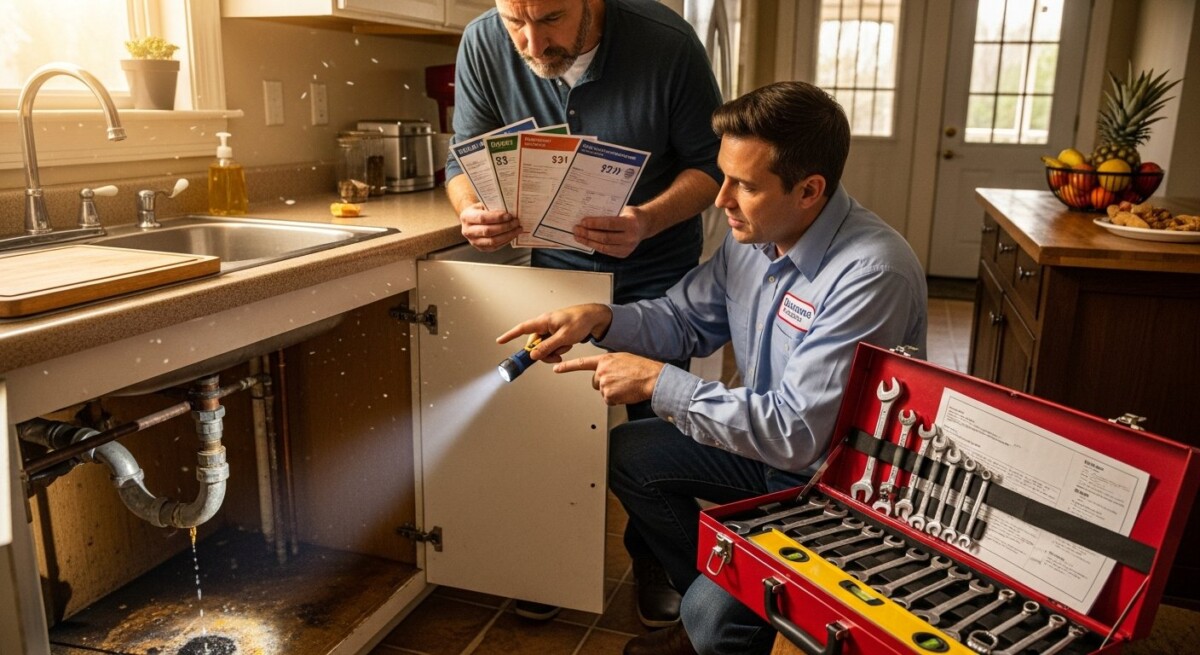
You’ve decided to remodel your kitchen or finally finish that basement. You’ve talked to a few contractors, and now you have three different proposals sitting on your kitchen table. One is much cheaper, one is packed with details you don’t understand, and one is somewhere in the middle. Staring at them, you feel a knot in your stomach. How do you know which one is fair, which one is thorough, and which one will actually deliver the beautiful, durable space you’re dreaming of? Choosing the wrong proposal can lead to budget blowouts, endless delays, and subpar work that haunts you for years. Learning how to evaluate remodeling proposals is the most critical step in protecting your investment and your peace of mind.
Understanding How to Evaluate Remodeling Proposals
Evaluating a remodeling proposal is more than just comparing bottom-line prices. It’s the process of carefully reviewing and comparing the detailed plans, materials, costs, and timelines that contractors provide before starting work on your home. Think of it as a blueprint for your project’s success, outlining not just what will be done, but how, when, and for how much.
This step is crucial because a good proposal creates clarity and sets expectations for everyone involved. It transforms a vague idea into a concrete plan. Without a solid evaluation, you risk misunderstandings, unexpected costs, and frustration for both you and your contractor.
Every homeowner planning a renovation needs to master this skill. Whether you’re updating a single bathroom or undertaking a whole-house remodel, the principles of a thorough proposal review remain the same. It’s your primary tool for ensuring you get what you pay for.
The Difference Between an Estimate and a Proposal
It’s important to distinguish between a quick estimate and a formal proposal. An estimate is often a rough, ballpark figure given verbally or in a brief email. A proposal, also called a quote or a bid, is a detailed, written document that should be the basis of your contract. Always insist on a detailed written proposal before making any decisions or signing any agreements.
Why This Matters for Your Home
Your home is likely your largest financial asset and your personal sanctuary. A remodeling project represents a significant investment of your money, time, and trust. Evaluating proposals poorly can jeopardize that investment in very real ways. Choosing based on price alone often leads to cutting corners on materials or workmanship.
This can result in problems that surface months or years later,leaks behind new walls, improperly installed flooring that buckles, or electrical work that isn’t to code. These issues aren’t just annoying; they can pose safety risks, cause extensive property damage, and ultimately cost far more to fix than if the job had been done correctly the first time.
A well-evaluated proposal acts as your shield. It ensures the project scope is clear, the materials are specified, and the timeline is agreed upon. This protects your home’s value, your family’s safety, and your financial well-being. It turns a potentially stressful experience into a smooth, predictable process.
If you notice signs of this issue in your home, it may help to speak with a qualified contractor. Request a free quote or call to explore your repair or remodeling options.
Common Problems Homeowners Experience
When proposals are vague or incomplete, homeowners open the door to a host of frustrating and expensive problems. The most common issue is the dreaded “change order,” which is an extra charge for something not included in the original proposal. While some changes are unavoidable, many stem from a lack of detail at the outset.
You might think you’re comparing apples to apples, but without detailed specifications, you could be looking at apples, oranges, and a plastic fruit bowl. One contractor might quote for builder-grade materials while another includes premium options, making a direct price comparison meaningless and misleading.
These unclear proposals lead to strained relationships, stalled projects, and budgets spiraling out of control. The stress of managing constant surprises can overshadow the excitement of your new space.
- Vague or missing descriptions of work, leading to assumptions and disagreements.
- Unspecified materials (e.g., “install tile” instead of specifying the brand, series, and size).
- Hidden costs and fees buried in fine print or not listed at all.
- Unrealistic timelines that don’t account for material lead times or project complexity.
- No clear payment schedule, or one that demands too much money upfront.
- Lack of information about the contractor’s license, insurance, and warranty.
How Professionals Solve the Problem
A reputable contractor doesn’t view a detailed proposal as extra work; they see it as essential communication. Their goal is to provide such clarity that there are no surprises for either party. They build their reputation on successful projects that run smoothly from start to finish, and a thorough proposal is the foundation of that success.
Professional contractors use proposals to demonstrate their expertise and organizational skills. They walk you through each line item, explain why certain materials or methods are recommended, and answer all your questions before a single hammer is swung. This process builds trust and establishes a partnership for your project.
Here is the typical process a professional follows to create a reliable proposal:
- Initial Consultation & Site Visit: They thoroughly assess your space, discuss your vision, and identify potential challenges.
- Detailed Scope Development: They document every single task required, from demolition to final cleanup.
- Material Specification: They list exact products (brand, model, color, grade) to be used, often with allowances for your selection.
- Labor & Timeline Estimation: They calculate the man-hours needed and create a realistic project schedule.
- Final Proposal Assembly: They compile everything into a clear, organized document with a total price, payment schedule, and terms.
A professional inspection can reveal hidden issues before they become expensive repairs. Compare contractor quotes here or call to discuss your project.
Warning Signs You Should Not Ignore
When reviewing a proposal, certain red flags should make you pause and ask more questions. These warning signs often indicate a contractor who may be disorganized, inexperienced, or intentionally vague to win the job with a low price that will inevitably rise.
Ignoring these signs is a gamble with your home and your money. What seems like a good deal upfront can quickly become a financial sinkhole filled with stress and disappointment. Protecting yourself starts with recognizing these common proposal pitfalls.
Trust your instincts. If a proposal feels off, seems too good to be true, or leaves you with more questions than answers, it’s a sign to look deeper or move on to another contractor.
- The proposal is just a bottom-line price on a piece of letterhead with no itemization.
- The contractor pressures you to sign immediately, often with a “today-only” discount.
- They request a large down payment (more than 10-15%) before any work begins.
- Key details are missing, like brand names for materials or a start/completion date.
- The contractor is hesitant to provide references or proof of insurance and licensing.
- The timeline seems unusually short compared to other quotes you’ve received.
What Affects the Cost of Repairs or Installation
Understanding what drives the cost in a remodeling proposal helps you make sense of the numbers. The price isn’t arbitrary; it’s a sum of many factors. A higher quote might reflect better materials, more experienced labor, or a more comprehensive scope of work that others omitted.
Material choices have a massive impact. The difference between stock cabinets and custom-built, solid-wood cabinets is significant. Similarly, the grade of flooring, the type of countertop, and the quality of plumbing fixtures all swing the budget. Labor costs vary based on the complexity of the work, local wage rates, and the contractor’s overhead and profit margin.
Other factors include the age and condition of your home (older homes often have hidden surprises), the project’s accessibility, necessary permits and fees, and the project timeline. A rushed job often costs more due to overtime labor or expedited material shipping.
Costs can vary depending on the condition of your home. The best way to know the price is to get a personalized estimate. Request free quotes from contractors or call today.
How to Choose the Right Contractor
The proposal is a reflection of the contractor. A clear, detailed, and professional document usually comes from a clear, detailed, and professional business. Your evaluation shouldn’t stop at the paper; it should extend to the person or team behind it.
Your goal is to find a partner you can communicate with easily, who listens to your concerns, and who demonstrates integrity from the first meeting. The right contractor will make you feel confident, not confused or pressured. They view the proposal as the first step in a successful collaboration.
Use these tips to vet contractors during the proposal stage:
- Verify Credentials: Always check for a valid state license and general liability insurance. Ask for proof.
- Read Reviews & Ask for References: Check online platforms and ask for 2-3 past client references. Call them and ask about their experience.
- Insist on Detail: Never accept a vague proposal. The more detail, the better protected you are.
- Compare Apples to Apples: Line up similar proposals side-by-side. Look for differences in scope, materials, and timelines, not just price.
- Meet the Team: If possible, meet the project manager or foreman who will be on-site daily. Good communication is key.
Long-Term Benefits of Professional Work
Investing the time to properly evaluate proposals and choose a qualified professional pays dividends long after the project is complete. Quality workmanship and materials stand the test of time, meaning you won’t face costly repairs or premature replacements in a few years.
A well-executed remodel enhances your daily life through improved functionality, comfort, and beauty. It also strengthens the structural integrity and systems of your home, contributing to its safety and longevity. This careful approach protects and increases your home’s market value, ensuring a strong return on your investment.
Perhaps the greatest benefit is peace of mind. Knowing that the work was done correctly, to code, and with quality materials allows you to simply enjoy your new space. You avoid the nagging worry of hidden problems and can trust that your home is a secure and valuable asset for your family.
How Do I Know if a Proposal Price Is Fair?
Fairness is determined by the value offered, not just the lowest number. A fair price accurately reflects the scope of work, quality of materials, professional labor, and the contractor’s expertise. Get at least three detailed proposals for comparison. If one is drastically lower, it often means critical items are missing or inferior products are being used.
What Should Be Included in a Remodeling Proposal?
A comprehensive proposal should include: a detailed project description and scope of work, exact material specifications (brand, model, quantity), a line-item cost breakdown, a project timeline with start/end dates, a clear payment schedule, information about permits and who pulls them, proof of license and insurance, and the terms of the warranty.
Is It Okay to Negotiate on a Proposal?
Yes, but focus on value, not just price. You can discuss adjusting the scope (removing a non-essential item), exploring different material options at other price points, or adjusting the project timeline. Be wary of a contractor who easily agrees to slash their price without changing the scope,this may indicate their initial price was inflated or they plan to cut corners.
How Much Should I Pay Upfront?
A standard upfront payment is 10-15% of the total project cost to secure the contract and schedule the work. This shows your commitment. Payments should then be tied to completed milestones (e.g., 25% after demolition, 25% after rough-in inspections). Never pay the full amount upfront.
What if I Find a Hidden Problem After Work Starts?
This is common, especially in older homes. A professional proposal will often include a clause about “unforeseen conditions” or “change orders.” The key is how it’s handled. A good contractor will immediately stop, document the issue, provide you with options and a cost estimate to fix it, and get your written approval before proceeding.
How Long Is a Proposal Valid?
Proposals typically have a validity period, often 30-60 days. This is because material costs and labor availability can change. The expiration date should be clearly stated on the document. If you need more time, communicate with the contractor; they may extend the validity or issue an updated quote.
Taking the time to thoroughly evaluate remodeling proposals is the single most powerful thing you can do to ensure a successful home renovation. It transforms you from a passive customer into an informed project partner. By understanding what to look for and what questions to ask, you protect your investment, your home, and your sanity. Don’t let the excitement of a new space rush you into a decision you might regret. Start your project on solid ground by carefully comparing detailed quotes from qualified professionals.