
How to Handle Contractor Disputes: A Practical Homeowner Guide
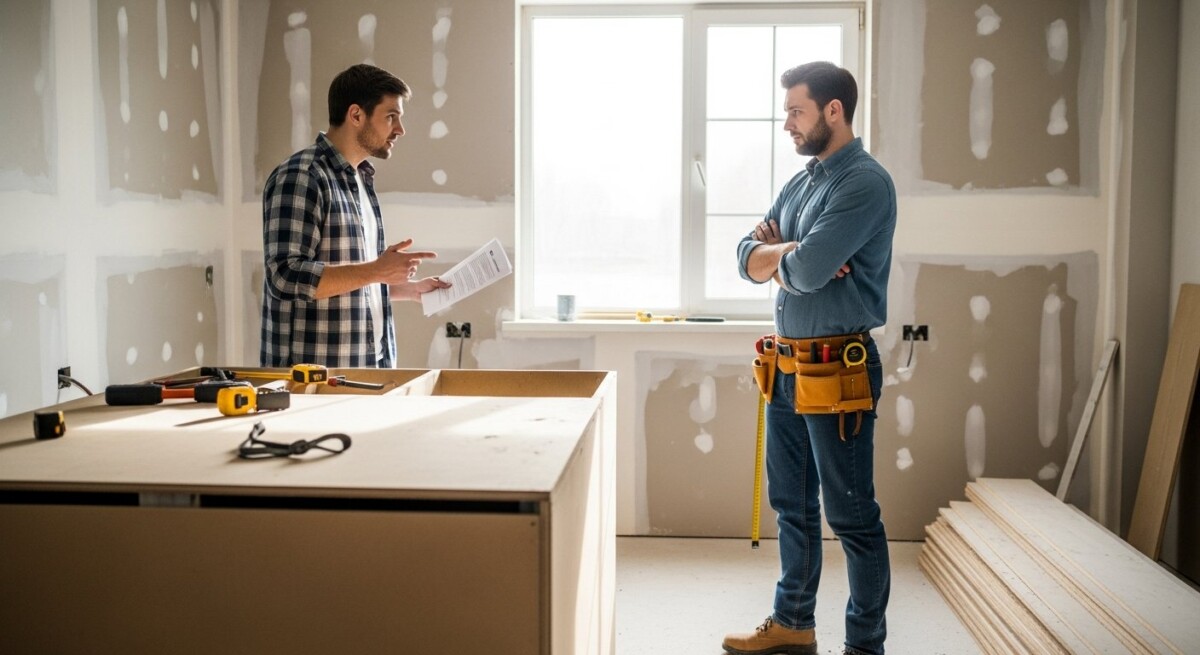
You hired a contractor to remodel your kitchen, replace the roof, or finish the basement. The work started strong, but now the timeline has slipped, the quality looks off, or the bill is higher than expected. You feel stuck between wanting the job done right and not knowing how to fix the situation. This is exactly when you need to know how to handle contractor disputes before they drain your budget and damage your home.
Contractor disputes happen more often than most homeowners realize. They can start small,a missed deadline or a miscommunication about materials,and quickly escalate into costly legal battles or unfinished projects. If you ignore the early signs, you risk serious property damage, safety hazards, and thousands of dollars in unexpected repairs. The good news is that most disputes can be resolved or prevented entirely with the right approach.
Learning how to handle contractor disputes does not require a law degree. It simply means understanding your rights, communicating clearly, and knowing when to bring in a fresh set of eyes. Whether you are in the middle of a disagreement or want to avoid one altogether, this guide will walk you through practical steps to protect your home and your wallet.
Understanding how to handle contractor disputes
A contractor dispute is any disagreement between you and the professional you hired about the scope, quality, timeline, or cost of a home improvement project. These disputes can arise from vague contracts, unexpected site conditions, or simple miscommunication. They are most common in large projects like basement finishing, bathroom renovations, and roofing replacements where multiple trades are involved.
Disputes affect homes of all ages and sizes, but they happen more frequently when homeowners rush into hiring without comparing quotes or verifying credentials. When you understand how to handle contractor disputes early, you can often resolve issues with a conversation rather than a lawsuit. The key is to catch problems before they become entrenched.
For many homeowners, the first sign of trouble is a change order that was never discussed or a bill that includes unexpected fees. These moments test your ability to stay calm and assertive. The best approach is to pause work, review your contract, and schedule a face-to-face meeting with the contractor to clarify expectations.
Why This Matters for Your Home
Ignoring a contractor dispute does not make it go away. In fact, it usually makes things worse. Unresolved disagreements often lead to shoddy workmanship, incomplete installations, or materials that fail prematurely. Over time, this can cause structural damage, water intrusion, or unsafe electrical conditions that put your family at risk.
The financial impact is just as serious. A small dispute over a $500 change order can snowball into $10,000 in corrective work if the contractor walks off the job or uses substandard materials to cut costs. Your home’s value also takes a hit when potential buyers see signs of unfinished or poorly executed renovations.
If you notice signs of this issue in your home, it may help to speak with a qualified contractor. Request a free quote or call to explore your repair or remodeling options.
Common Problems Homeowners Experience
Contractor disputes show up in many forms, but a few patterns are especially common. Homeowners often report that work stops for weeks without explanation, or that the finished result does not match what was promised. Others discover that permits were never pulled or that subcontractors were not paid, leading to liens on the property.
These problems are frustrating because they disrupt your daily life and erode trust. You may feel like you have no control, but understanding how to handle contractor disputes gives you the tools to take charge again. Recognizing the most frequent issues is the first step toward a solution.
- Scope creep , The project expands beyond the original agreement without clear pricing or approval.
- Poor workmanship , Visible defects like uneven tiles, crooked drywall, or leaky plumbing.
- Unapproved change orders , The contractor adds work or materials without discussing the cost first.
- Delays and missed deadlines , The project drags on far past the agreed completion date.
- Payment disputes , The contractor demands more money than the contract states or requests full payment before work is done.
- Substandard materials , The contractor uses cheaper products than what was specified in the contract.
How Professionals Solve the Problem
Experienced contractors know that clear communication and detailed contracts prevent most disputes. When a disagreement does arise, they follow a structured process to resolve it fairly. This usually starts with a site visit to assess the work, followed by a written summary of the issue and proposed solutions.
If you are already in a dispute, bringing in a different contractor for a second opinion can clarify what is reasonable. A professional inspector or estimator can document the problem and give you an unbiased report. This evidence is invaluable if you need to negotiate with the original contractor or pursue legal action.
- Document everything , Take photos, save emails, and keep all receipts and contracts.
- Communicate in writing , Send a clear letter or email outlining the issue and what you want done.
- Request a mediation session , Many disputes can be resolved with a neutral third party present.
- Get a professional inspection , A licensed contractor can assess the work and provide a written report.
- Compare new quotes , If the original contractor cannot fix the issue, get estimates from other professionals.
A professional inspection can reveal hidden issues before they become expensive repairs. Compare contractor quotes here or call to discuss your project.
Warning Signs You Should Not Ignore
Most contractor disputes give off clear warning signs long before they explode. Paying attention to these red flags can save you months of stress and thousands of dollars. Trust your gut,if something feels off, it probably is.
Early action is your best defense. When you spot a warning sign, pause the project and address it immediately. Waiting will only give the problem time to grow, and it may become harder to prove what went wrong later. Knowing how to handle contractor disputes means acting early, not waiting until the job is finished.
- The contractor asks for a large upfront payment or demands cash only.
- Work stops for several days without a valid reason or communication.
- The contractor refuses to provide a written contract or change orders.
- Subcontractors or suppliers call you asking for payment.
- The finished work looks noticeably different from what you approved.
- The contractor becomes defensive or avoids your calls and messages.
What Affects the Cost of Repairs or Installation
The cost of resolving a contractor dispute varies widely depending on the scope of the problem. A simple miscommunication about paint color might cost nothing to fix, while a structural issue caused by poor framing could run into the tens of thousands. The age of your home also matters,older homes often have hidden conditions that complicate repairs.
Other factors include the size of the project, the materials needed to redo the work, and how accessible the work area is. If the contractor already installed drywall over faulty wiring, for example, the repair cost will include demolition and disposal fees. Getting multiple quotes helps you understand what a fair price looks like and gives you leverage in negotiations.
Costs can vary depending on the condition of your home. The best way to know the price is to get a personalized estimate. Request free quotes from contractors or call today.
How to Choose the Right Contractor
Selecting a reliable contractor from the start is the most effective way to avoid disputes. Take your time during the hiring process and do not settle for the first quote you receive. A thorough vetting process separates trustworthy professionals from those who cut corners.
When you compare multiple contractors, you gain a clear picture of fair pricing and realistic timelines. This knowledge also helps you spot red flags early. For example, if one bid is dramatically lower than the others, ask why. The cheapest option is not always the best value, especially when it comes to your home.
- Verify the contractor’s license and insurance before signing anything.
- Read online reviews and ask for references from recent clients.
- Request a detailed written estimate that breaks down labor, materials, and permits.
- Compare at least three quotes to understand the market rate for your project.
- Ask about their experience with projects similar to yours, especially if it involves basement finishing or specialized work.
For more guidance on vetting professionals, see our guide on How to Handle Contractor Disputes: A Homeowner’s Guide.
Long-Term Benefits of Professional Work
When you resolve a dispute and get the project finished by a qualified professional, the benefits extend far beyond the immediate repair. Professional work lasts longer, performs better, and adds real value to your home. You also gain peace of mind knowing that the job was done right and up to code.
Energy efficiency often improves after a professional installation, especially with projects like roofing, windows, or HVAC. This translates into lower utility bills and a more comfortable home year-round. Over time, the cost of professional work pays for itself through reduced maintenance and fewer emergency repairs.
Finally, a well-executed project increases your home’s resale value. Buyers are more confident when they see permits, warranties, and clean workmanship. Investing in quality now protects your biggest asset for years to come.
What should I do if my contractor stops responding?
Send a written notice via certified mail or email with a clear deadline for them to respond. If they still do not reply, contact your state’s contractor licensing board to file a complaint. You may also need to hire a new contractor to complete the work. In our guide on How to Handle Contractor Disputes: A Homeowner’s Guide, we explain the steps to take when communication breaks down.
Can I fire a contractor mid-project?
Yes, but you must follow the termination clause in your contract. Typically, you need to provide written notice and pay for work completed so far. Document the reasons for termination with photos and written evidence. A new contractor can then assess the project and give you a quote to finish it.
How do I dispute a contractor’s invoice?
First, review your contract to see what was agreed upon. Write a detailed letter explaining which charges you dispute and why. Offer to meet in person or schedule a mediation. If the contractor refuses to adjust the invoice, you may need to withhold payment until the issue is resolved or seek legal advice.
What if the contractor did not pull permits?
Unpermitted work can cause serious problems when you sell your home or file an insurance claim. Contact your local building department to find out what permits are needed. You may need to hire a new contractor to obtain retroactive permits and inspect the work. This is a common issue that we cover in our How to Handle Contractor Disputes: A Homeowner’s Guide.
Should I pay a contractor before the work is complete?
No, avoid paying the full amount upfront. A standard payment schedule includes a small deposit to start, progress payments as milestones are met, and a final payment after you approve the finished work. Never pay cash or sign over a check without a clear receipt.
How can I avoid contractor disputes in the first place?
Start by getting three written quotes and checking each contractor’s license and insurance. Write a detailed contract that includes the scope of work, materials, timeline, and payment schedule. Communicate regularly and address small concerns before they grow into major disputes.
What is mediation and does it work for contractor disputes?
Mediation is a voluntary process where a neutral third party helps both sides reach an agreement. It is usually faster and cheaper than going to court. Many homeowner,contractor disputes are resolved in one or two mediation sessions, especially when both parties are willing to compromise.
Do I need a lawyer for a contractor dispute?
Not always. Many disputes can be resolved through direct communication, mediation, or arbitration. However, if the amount in dispute is large or if there is a potential lien on your home, consulting a construction attorney is wise. Many lawyers offer free initial consultations to help you understand your options.
Contractor disputes are stressful, but they do not have to ruin your project or your home. By learning how to handle contractor disputes early, you protect your investment and keep your renovation on track. The most important step is to act quickly, document everything, and seek professional advice when needed. Before you hire anyone for your next project, take the time to compare contractor quotes and choose a professional who values clear communication and quality work.