
How to Hire a Historic Preservation Contractor
Find a qualified historic preservation contractor with our vetting guide. Call (833)-211-1668 for expert help.
By Adnan Nazir
Learn more about Home Remodeling for guides, costs, and what to expect.
Compare Home Remodeling Pros Near You

Enter your ZIP code to compare top-rated local professionals and request free quotes.
Hiring a contractor for a historic home is not the same as hiring one for a modern build. The stakes are higher: one wrong move can damage irreplaceable features, void preservation easements, or violate local historic district rules. Whether you own a Victorian, a mid-century modern gem, or a simple 1920s bungalow, you need a professional who understands old-house anatomy, period-appropriate materials, and the regulatory landscape. This guide walks you through how to hire a historic preservation contractor who will treat your property with the care it deserves.
Why Historic Preservation Contractors Are Different
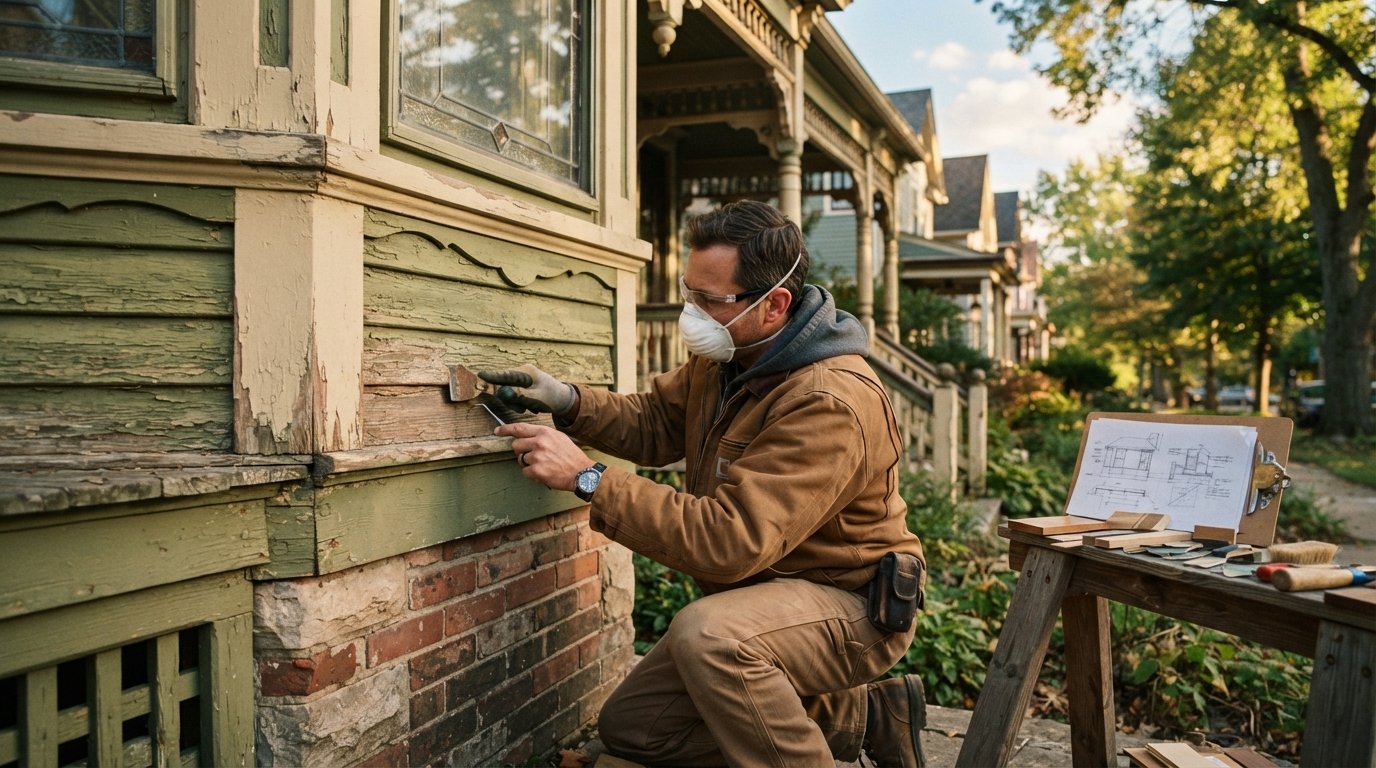
Historic preservation contractors specialize in the conservation and restoration of older buildings. They combine general contracting skills with specialized knowledge of historic materials, construction methods, and architectural styles. Unlike a standard remodeler, a preservation contractor approaches a project with a conservation mindset: the goal is to repair and retain original fabric whenever possible, not to replace it with modern equivalents.
This distinction matters because historic homes often contain materials that are no longer common, such as old-growth wood, lime plaster, horsehair insulation, and lead-based paint. Improper handling can cause irreversible damage. For example, using modern abrasive methods to clean brick can destroy the fired surface, and installing modern sealants on historic masonry can trap moisture and cause spalling. A qualified preservation contractor knows these pitfalls and selects methods that are gentle and reversible.
Moreover, historic properties may be subject to preservation easements, local design review, or state and federal tax credit programs. Working with a contractor who understands these requirements can save you from costly mistakes and help you qualify for financial incentives. In short, the right contractor protects both your home's integrity and your investment.
Credentials and Experience to Look For
When vetting a preservation contractor, start with their credentials and track record. Formal training and certifications signal a commitment to best practices. Look for these key indicators:
- Preservation-specific certifications: Certifications from organizations like the Preservation Trades Network, the National Trust for Historic Preservation, or state-level historic preservation offices demonstrate specialized training.
- Experience with your building type and era: A contractor who has restored several 19th-century masonry buildings may not be the right fit for a mid-century modern home with experimental materials.
- Portfolio of documented historic work: Ask for before-and-after photos, project descriptions, and references from owners of similar properties.
- Knowledge of the Secretary of the Interior's Standards: These federal standards guide appropriate treatment of historic properties. A qualified contractor should be familiar with them and able to explain how they apply to your project.
Beyond credentials, evaluate their approach to problem-solving. A good preservation contractor will propose minimally invasive solutions and explain why certain methods are preferred. They should be comfortable working with traditional materials like lime mortar, linseed oil paint, and hand-crafted joinery. If a contractor suggests replacing historic windows with vinyl or covering original hardwood floors with laminate, that is a red flag.
How Local Historic District Rules Affect Your Project
If your home is in a locally designated historic district, your project likely requires review by a historic preservation commission or architectural review board. These bodies evaluate proposed changes for compatibility with the district's character. The process can add time and complexity, so it is essential to hire a contractor who has navigated it before.
Start by contacting your local preservation office to understand what work requires a certificate of appropriateness or design review. Even minor changes like window replacements, roof material changes, or fence installations may need approval. A seasoned preservation contractor will know the local requirements and can help prepare the application, often with drawings and material samples. They should also be able to attend hearings with you if needed.
Keep in mind that work done without proper permits can result in fines, forced reversals, and difficulty selling your home. A contractor who dismisses these rules or suggests skipping permits is not someone you want on a historic property. Instead, look for a professional who embraces the process and can advocate for your project while respecting the district's guidelines.
Sourcing Period-Appropriate Materials and Techniques
One of the biggest challenges in historic preservation is finding materials that match the original in composition, appearance, and performance. Modern substitutes often look out of place and can cause damage. For instance, using Portland cement mortar on a soft historic brick can lead to spalling and cracking, while lime mortar allows the masonry to breathe and flex.
Ask potential contractors how they source materials. Do they have relationships with salvage yards, specialty suppliers, or craftspeople who can replicate historic profiles? Can they mill custom wood siding to match existing dimensions? Are they experienced with traditional techniques like repointing with lime mortar, plastering with gypsum or lime, and repairing rather than replacing wood windows?
A knowledgeable contractor will also discuss the importance of compatibility testing. Before applying any new material, they should test it on a small, inconspicuous area to ensure it adheres properly and does not cause adverse reactions. This level of care is a hallmark of true preservation work. If a contractor cannot explain how they will source or match materials, consider it a warning sign.
Red Flags When Hiring a Historic Preservation Contractor
Not every contractor who claims preservation experience is qualified. Watch for these warning signs during your interviews and reference checks:
- Lack of documented historic projects: They cannot provide references or photos of completed preservation work.
- Proposals that replace rather than repair: They recommend tearing out original features instead of restoring them.
- Unfamiliarity with local regulations: They seem unaware of historic district rules or permit requirements.
- Use of modern materials without justification: They suggest vinyl windows, cement-based mortar, or other incompatible materials without explaining why.
- Pressure to skip permits or design review: They encourage you to bypass legal requirements to save time.
Additionally, be wary of contractors who cannot explain the Secretary of the Interior's Standards or who dismiss preservation concerns as overly cautious. Historic homes require a delicate touch, and a contractor who lacks respect for original fabric is likely to cause more harm than good. Trust your instincts: if a contractor seems eager to modernize rather than preserve, keep looking.
How to Vet and Interview Preservation Contractors
Once you have a shortlist of candidates, schedule interviews and ask detailed questions. Use a structured approach to compare their qualifications and approaches. Here is a step-by-step framework:
- Verify licenses and insurance: Ensure they hold a valid contractor license and carry general liability and workers' compensation insurance.
- Ask for preservation-specific references: Speak with past clients who own historic homes similar to yours.
- Request a written scope of work: A detailed scope should outline methods, materials, and sequencing. For guidance on what to expect, see our article on what is a detailed scope of work for contractors.
- Discuss their approach to challenges: Ask how they handle unforeseen conditions like hidden water damage or structural issues common in old homes.
- Check for ongoing education: Do they attend preservation workshops or belong to professional organizations?
During the interview, pay attention to how they communicate. A good preservation contractor will listen to your concerns, explain their reasoning, and offer options. They should be transparent about costs and timelines, and they should be willing to work collaboratively with you, your architect, and local preservation officials. If they are evasive or dismissive, that is a red flag.
Finally, ask for a sample contract and review it carefully. It should include a detailed scope, payment schedule, change order process, and warranty terms. Avoid contractors who demand large upfront payments or who are unwilling to put everything in writing.
Cost Considerations and Getting Quotes
Historic preservation work often costs more than standard renovations due to specialized labor, custom materials, and additional planning time. However, the investment pays off in preserving your home's value and architectural integrity. To get accurate quotes, provide contractors with as much information as possible: photos, any historic structure reports, and a clear description of your goals.
When comparing bids, do not automatically choose the lowest price. A significantly lower bid may indicate a lack of experience or a plan to cut corners. Instead, evaluate each proposal for completeness, quality of materials, and adherence to preservation standards. Ask each contractor to break down costs for labor, materials, permits, and contingencies.
If your home is in a historic district, factor in the cost of design review and potential delays. Some contractors may include permit expediting in their services. Also, investigate financial incentives: federal historic preservation tax credits (for income-producing properties) and state or local programs may help offset costs. A knowledgeable contractor can point you toward these resources.
To streamline the process of finding qualified professionals, consider using a platform like Contractor.Homes, which connects homeowners with pre-vetted local contractors for a variety of projects. While not all contractors specialize in preservation, you can use such services to gather initial quotes and then vet for preservation experience.
Final Steps Before You Sign
Before signing a contract, confirm that all details are in writing. The contract should specify the scope of work, materials to be used, project timeline, payment schedule, and warranty. It should also include provisions for change orders and dispute resolution. Make sure you understand who is responsible for obtaining permits and scheduling inspections.
Ask for a certificate of insurance and verify it with the insurer. Check that the contractor is in good standing with your state's licensing board. If the project involves hazardous materials like lead paint or asbestos, confirm that the contractor is certified to handle them safely. Historic homes often contain these materials, and improper handling can pose health risks and legal liabilities.
Finally, establish a communication plan. Regular meetings and progress updates will help keep the project on track. A reliable preservation contractor will welcome your involvement and keep you informed every step of the way.
Hiring a historic preservation contractor requires diligence, but the effort is worthwhile. By focusing on credentials, experience, and a preservation-minded approach, you can protect your historic home and ensure that your project honors its unique character for generations to come.
Learn more about Home Remodeling for guides, costs, and what to expect.
Compare Home Remodeling Pros Near You
Enter your ZIP code to compare top-rated local professionals and request free quotes.