How to Negotiate a Contractor Estimate for Your Home
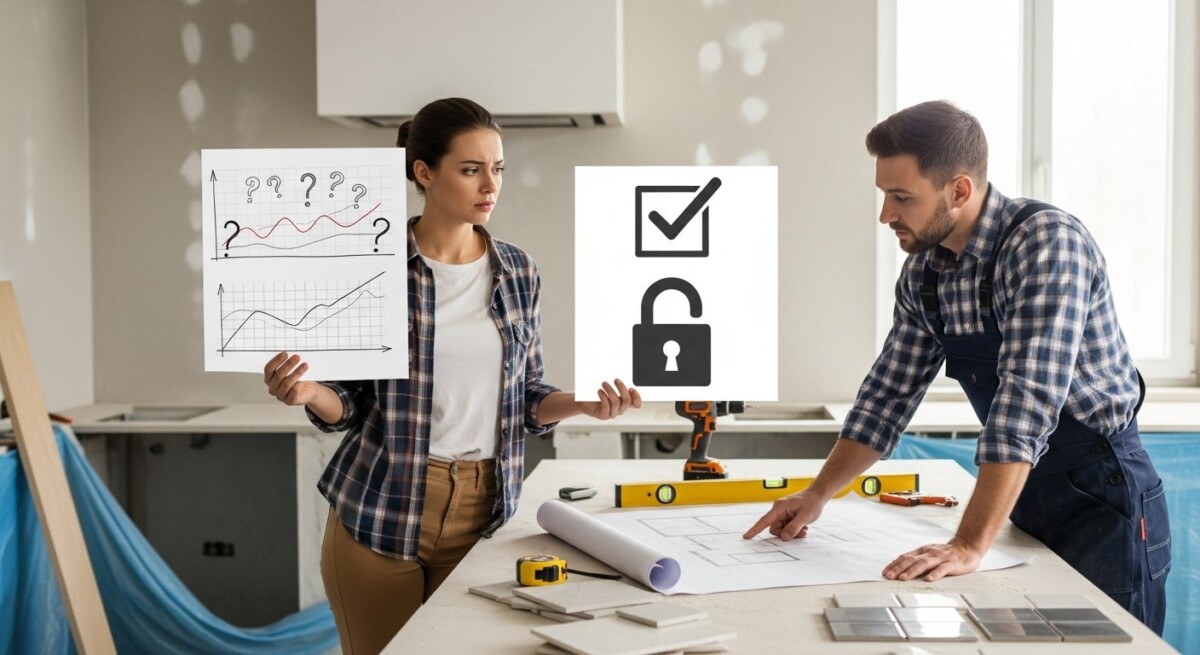
You’ve finally decided to tackle that kitchen remodel or fix that persistent leak in the basement. You’ve done your research, found a few contractors, and now you’re staring at an estimate that makes your heart skip a beat. The number seems high, and you’re left wondering: Is this fair? Can I afford this? More importantly, can I negotiate this contractor estimate? This moment is familiar to countless homeowners. Ignoring the project isn’t an option, as delays can turn small issues into costly, extensive repairs. But blindly accepting the first number can strain your budget. Learning how to negotiate a contractor estimate is a crucial skill that protects your wallet and ensures you get quality work for your home.
Understanding Contractor Estimates
A contractor estimate is more than just a final price. It’s a detailed proposal outlining the scope of work, materials, labor, timeline, and costs for your project. Think of it as a roadmap for your renovation or repair.
These estimates can vary widely between contractors. Differences arise from their business overhead, preferred material brands, crew experience, and even their current workload. Understanding what’s in the estimate is the first step to a productive conversation.
What’s in a Good Estimate?
A thorough estimate breaks down costs line by line. You should see specific material types and quantities, labor hours, costs for permits, waste disposal, and a clear payment schedule. This transparency is what allows for meaningful negotiation, as you can discuss individual elements rather than just the bottom line.
Why This Matters for Your Home
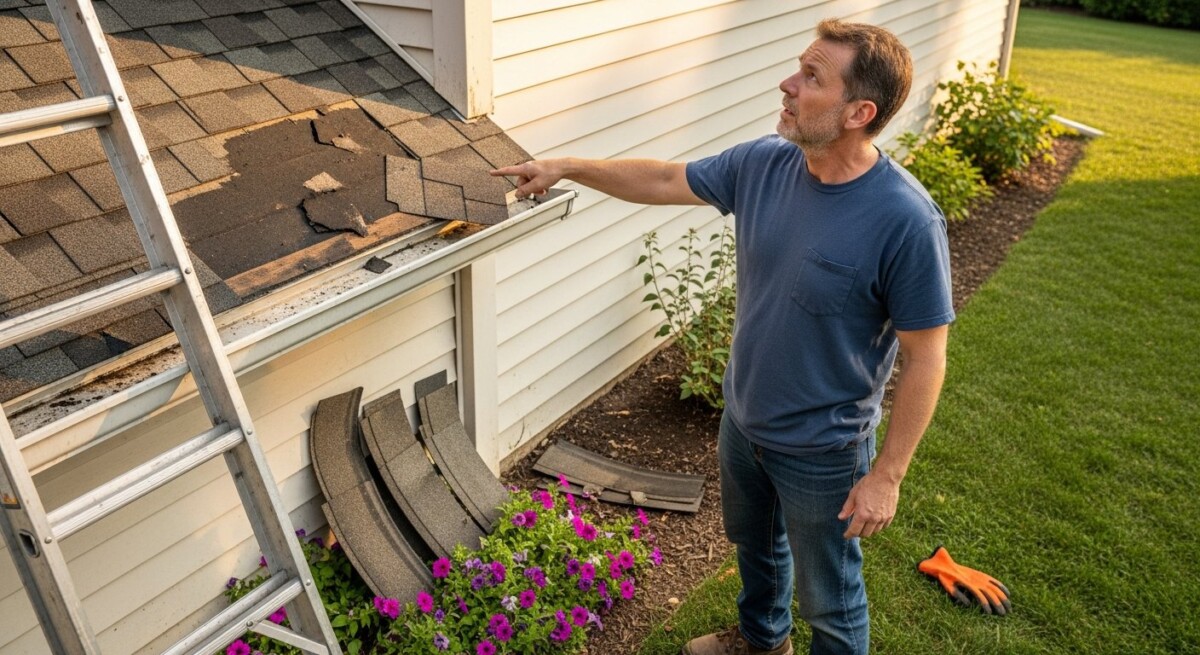
Getting your project done right the first time is an investment in your home’s safety, functionality, and value. A poorly executed job, whether due to cutting too many corners or hiring an unqualified contractor to save money, can lead to bigger problems down the road.
Water damage from a bad plumbing install, electrical hazards from shoddy wiring, or structural issues from improper framing are expensive and dangerous to fix. A fair negotiation process helps you secure a qualified professional who will do durable, safe work, ultimately protecting your largest asset.
If you notice signs of this issue in your home, it may help to speak with a qualified contractor. Request a free quote or call to explore your repair or remodeling options.
Common Problems Homeowners Experience
When reviewing estimates, homeowners often face confusion and frustration. The documents can be complex, with industry terms and lump-sum figures that make comparison difficult. You might feel you’re comparing apples to oranges.
Another common issue is “scope creep”,unexpected costs that appear once the project begins because the original estimate was vague. A detailed estimate acts as a contract to prevent this. Common challenges include:
- Receiving a single total price with no itemized breakdown.
- Unclear specifications on material quality or brand.
- Vague timelines or undefined project milestones.
- Hidden fees for permits, dumpsters, or unforeseen conditions.
- Pressure to sign immediately with a “today-only” discount.
- Large upfront payment demands before any work begins.
How Professionals Solve the Problem
A reputable contractor views the estimate as the foundation for a successful partnership. Their goal is to provide a clear, fair price for quality work. They solve the problem of uncertainty by detailing every aspect of the job.
Professional contractors follow a systematic process to create accurate estimates. This often involves an on-site visit, careful measurements, and assessing existing conditions. Their experience allows them to foresee potential challenges and factor them in, reducing surprises.
- Consultation & Site Visit: They inspect the area, discuss your vision, and identify any hidden issues.
- Detailed Scope Development: They draft a precise list of every task, from demolition to final cleanup.
- Material & Labor Calculation: They specify products and calculate the crew time needed.
- Proposal Presentation: They present the itemized estimate and are prepared to explain each cost.
- Contract Finalization: Once agreed, the estimate becomes a binding contract with clear terms.
A professional inspection can reveal hidden issues before they become expensive repairs. Compare contractor quotes here or call to discuss your project.
Warning Signs You Should Not Ignore
Some red flags in an estimate aren’t about negotiation,they’re about avoiding a bad contractor. Spotting these early can save you from significant hassle, financial loss, and subpar work.
Ignoring these signs can lead to projects that go over budget, never get finished, or require costly re-dos. Trust your instincts; if something feels off during the estimate phase, it likely won’t improve during the project.
- The contractor is reluctant to put anything in writing or provide details.
- They ask for cash-only payments or the entire sum upfront.
- They cannot provide proof of license, insurance, or local references.
- The price seems drastically lower than all other bids, which often indicates inexperience or planned use of inferior materials.
- They pressure you to sign immediately.
- The estimate lacks a clear start and completion date.
What Affects the Cost of Repairs or Installation
Many factors influence a contractor’s price. Understanding these helps you negotiate from a place of knowledge rather than just asking for a blanket discount. It shows the contractor you’re informed and reasonable.
Key cost drivers include the quality of materials (builder-grade vs. premium), the complexity of the work (simple replacement vs. custom design), and the condition of your home. Older homes often have unforeseen issues like outdated wiring or plumbing that must be addressed to meet code.
Costs can vary depending on the condition of your home. The best way to know the price is to get a personalized estimate. Request free quotes from contractors or call today.
How to Choose the Right Contractor
Negotiation starts with choosing the right person to negotiate with. Look for a contractor who communicates clearly, listens to your concerns, and respects your budget. The cheapest option is rarely the best value in the long run.
Your goal is to find a balance of fair price, proven quality, and professional rapport. You’ll be working with this person for weeks or months, so trust and communication are as important as the numbers. For a deeper dive into this process, our guide on understanding contractor estimates for homeowners breaks down what to look for.
- Get Multiple Estimates: Always get at least three detailed bids to understand the market rate for your project.
- Verify Credentials: Check their license, insurance, and bonding status with your local licensing board.
- Read Reviews & Ask for References: Look at recent online reviews and ask to speak to past clients about their experience.
- Compare Apples to Apples: Ensure each estimate includes the same scope, materials, and timeline for a fair comparison.
- Assess Communication: Choose someone who answers questions patiently and proactively communicates.
Long-Term Benefits of Professional Work
Investing in a properly estimated and executed project pays dividends for years. Quality workmanship with good materials lasts longer, performs better, and requires less maintenance. This saves you money and stress over time.
Beyond durability, professional work enhances your home’s safety and efficiency. Proper insulation, wiring, and plumbing prevent hazards and can lower utility bills. It also significantly boosts your home’s resale value and appeal, offering a strong return on your investment when you decide to sell.
How Long Does a Typical Home Renovation Take?
Timelines vary greatly by project scope. A bathroom remodel might take 2-4 weeks, while a full kitchen renovation could take 6-12 weeks. Your contractor’s estimate should include a projected schedule with key milestones. Weather, material availability, and unforeseen structural issues can cause delays, so a buffer is often included.
What Should I Do if I Find a Problem After Work Starts?
Immediately communicate your concern to the contractor in writing. Refer to the detailed scope in your contract. A reputable professional will address legitimate issues to ensure your satisfaction. If it’s a true unforeseen condition (like rotten wood behind a wall), they should provide a change order detailing the added cost and time before proceeding.
Is it Okay to Negotiate the Payment Schedule?
Yes, this is a common and often effective point of negotiation. Avoid contractors who demand more than 10-15% upfront. A typical schedule might be 10% at signing, 30% after materials are delivered, 30% at a major milestone, 25% upon substantial completion, and the final 5% after a final walkthrough. This keeps the project moving and aligns contractor incentives with your satisfaction.
Can I Save Money by Supplying My Own Materials?
Sometimes, but proceed with caution. Contractors often get trade discounts you don’t, and they warranty materials they supply. If you supply materials, they may not warranty the installation against material defects. Discuss this option upfront; if agreed, ensure the estimate clearly states you are responsible for material cost, delivery, and any shortages.
What’s the Difference Between an Estimate and a Quote?
In practice, these terms are often used interchangeably. However, an “estimate” can sometimes be a preliminary, approximate price, while a “quote” or “bid” is typically a fixed price for a defined scope. Always clarify which you are receiving. The key is to get a fixed-price bid for a detailed scope before signing a contract.
How Many Contractor Estimates Should I Get?
Three is the standard recommendation. It gives you a good sense of the price range and different approaches to your project. Getting more than five can become overwhelming and time-consuming for both you and the contractors. Focus on quality bids over quantity. For more on comparing these bids effectively, see our resource on understanding contractor estimates for your home renovation.
What if All the Estimates Are Too High?
First, reassess your project scope. Can you phase the work? Are there alternative, less expensive materials that still meet your needs? Discuss these options with the contractors. You can also ask if there are slower times of the year when their pricing might be more flexible. Never choose a dangerously low bid just to fit a budget.
Are There Regional Differences in Contractor Pricing?
Absolutely. Labor and material costs vary by city and state. A project in a major metropolitan area will typically cost more than in a rural town. Local building codes and permit fees also affect price. It’s crucial to compare estimates from contractors familiar with your specific area, as outlined in our post about understanding contractor estimates in Chicago, Illinois.
Negotiating a contractor estimate isn’t about winning a battle; it’s about starting a successful partnership for your home project. By being prepared, asking informed questions, and focusing on value over just the lowest price, you can secure a fair deal for quality work. Addressing repairs and renovations proactively with a trusted professional safeguards your home, your budget, and your peace of mind. Take the next step by comparing detailed quotes from qualified contractors in your area.