
Labor Cost vs Material Cost Explained for Homeowners
A clear explanation of labor cost vs material cost for homeowners planning repairs or remodels. Learn what drives project pricing and how to invest wisely.

By Elena John
Learn more about Exterior Painting for guides, costs, and what to expect.
Compare Exterior Painting Pros Near You

Enter your ZIP code to compare top-rated local professionals and request free quotes.
You’re planning a kitchen remodel or need a new roof, and you start getting quotes. The numbers can be surprising, and it’s hard to tell if you’re paying for high-quality materials or skilled craftsmanship. Many homeowners feel a bit of sticker shock when they see a contractor’s estimate, wondering why the price is so high when they’ve priced out the cabinets or tiles themselves at the home improvement store. This gap in understanding often comes down to one key factor: the balance between labor cost and material cost.
Understanding Labor Cost vs Material Cost Explained
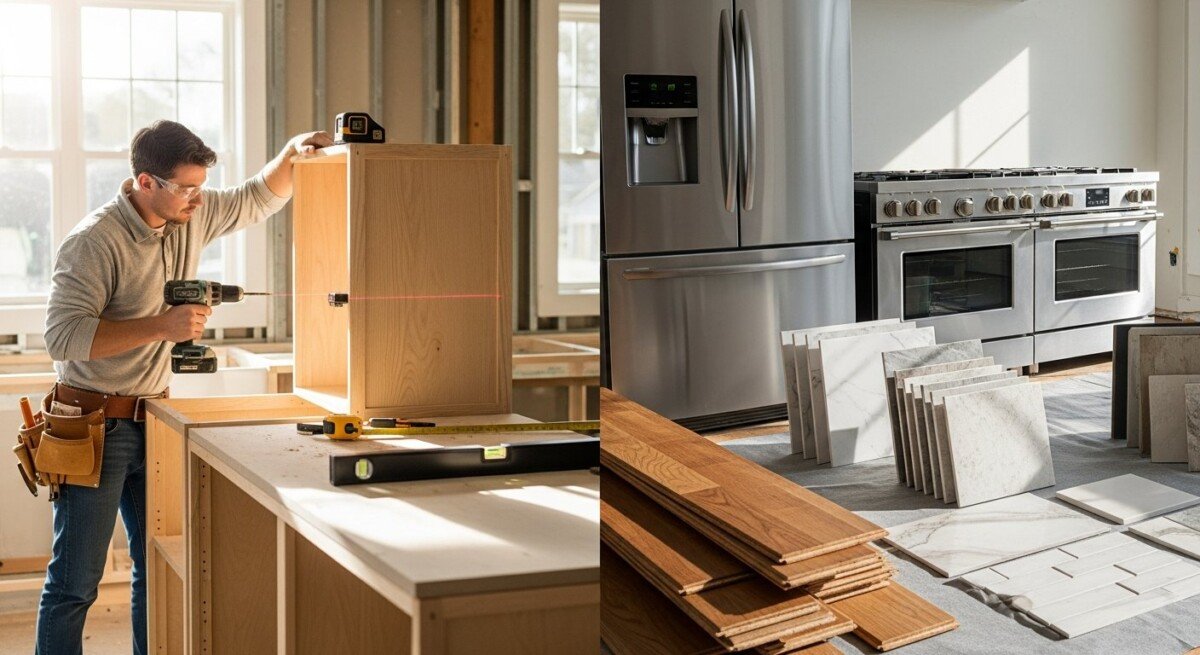
In simple terms, your project’s total price is made up of two main parts: what you pay for the physical stuff (materials) and what you pay for the skilled work to install or build it (labor). Materials are the tangible items,lumber, shingles, drywall, fixtures, and paint. Labor is the expertise, time, and effort of the professionals who transform those materials into your finished project.
This balance isn’t always 50/50. For some projects, like a basic paint job, materials might be a bigger chunk. For others, like intricate tile work or complex electrical upgrades, skilled labor is the primary investment. Understanding this split helps you see the true value in a quote, moving beyond just the price of parts to appreciate the skill required for a lasting result.
Why Labor Often Costs More Than You Think
It’s easy to look at an hourly rate and think it’s high. But that rate isn’t just paying for the time a worker is in your home. It covers their years of training, specialized tools, insurance, licenses, and the overhead of running a legitimate business. A professional brings problem-solving experience you can’t buy at a store, which is why their labor is a valuable investment in getting the job done right the first time.
Why This Matters for Your Home
Getting this balance wrong can lead to real problems. If you focus solely on finding the cheapest materials, you might hire a contractor who cuts corners on labor to hit your budget, resulting in poor installation that fails prematurely. Conversely, paying premium prices doesn’t automatically mean you’re getting premium labor if the contractor isn’t qualified.
The right balance protects your home’s safety, functionality, and value. Properly installed roofing materials keep your home dry. Correctly wired electrical systems prevent fire hazards. Quality craftsmanship ensures your beautiful new bathroom won’t have leaking showers or cracked tiles in a year. It’s the combination of good materials installed by skilled professionals that creates a durable, valuable improvement.
If you notice signs of this issue in your home, it may help to speak with a qualified contractor. Request a free quote or call to explore your repair or remodeling options.
Common Problems Homeowners Experience
When the labor-material balance is off, homeowners often face frustrating and costly outcomes. You might invest in high-end windows only to have them installed poorly, leading to drafts and water damage that ruin the frames and your walls. Or, you might choose a contractor with a rock-bottom bid who uses substandard materials that look okay at first but wear out or break quickly.
These problems often stem from not understanding what you’re actually paying for. A detailed estimate that breaks down costs helps you make an informed decision. For a deeper look at how to read these estimates, our guide on Understanding Contractor Cost Estimates for Homeowners walks you through each section.
- Visible Damage Soon After Completion: Cracks, leaks, or failures in new work.
- Performance Issues: New systems that are inefficient, like an HVAC that doesn’t heat evenly.
- Safety Hazards: Improper electrical or structural work that creates risk.
- Voided Warranties: Manufacturer warranties often require professional installation.
- Decreased Home Value: Poor workmanship is a red flag for future buyers.
- Constant Callbacks: Needing the contractor to return repeatedly to fix problems.
How Professionals Solve the Problem
A reputable contractor approaches your project with a holistic view, ensuring the materials selected are appropriate for the job and that their team has the specific skills to install them correctly. They don’t just sell hours and products; they provide a solution based on experience. They know which materials work best in your climate and for your home’s structure, and they have the proven methods to install them for maximum longevity.
Their process is designed to deliver value and avoid the common pitfalls of mismatched costs. It typically follows a clear, professional sequence.
- Comprehensive Assessment: They inspect the project area, identify underlying issues (like rot or faulty wiring), and factor that into the plan.
- Detailed Planning & Material Selection: They help you choose materials that offer the best balance of quality, aesthetics, and budget, and they account for all needed supplies.
- Skilled Execution: Their trained crew performs the work efficiently and correctly, adhering to building codes and best practices.
- Quality Assurance & Cleanup: They inspect their own work, ensure everything functions perfectly, and leave your site clean.
A professional inspection can reveal hidden issues before they become expensive repairs. Compare contractor quotes here or call to discuss your project.
Warning Signs You Should Not Ignore
Sometimes, problems from a past project’s poor labor-material balance show up later. Being able to spot these signs can help you address issues before they cause major damage. If you see these warning signs, it’s a signal that the work may not have been done correctly, regardless of how much was spent on the materials themselves.
Acting early on these signs can save you thousands. A small leak from a poorly installed window can lead to mold and structural rot. A slightly unlevel floor could indicate a more serious foundational problem that was not properly addressed during a renovation.
- Doors or windows that stick or won’t close properly after installation.
- Visible gaps, uneven seams, or sloppy caulking around new fixtures or trim.
- Water stains or moisture near newly tiled areas, windows, or roofs.
- Electrical outlets or switches that are warm to the touch or circuits that frequently trip.
- New floors that are squeaky, uneven, or have gaps.
- Paint that peels, cracks, or bubbles soon after a room is painted.
What Affects the Cost of Repairs or Installation
Several key factors influence where your money goes in a project’s budget. The size and scope are obvious,a whole-house remodel costs more than a bathroom update. But other elements significantly impact the labor vs. material ratio. The complexity of the work is a major labor driver. Intricate custom cabinetry requires more skilled craftsmanship hours than installing pre-fabricated units.
Your home’s age and condition also play a huge role. Older homes often have surprises like outdated wiring, plumbing, or structural adjustments that need to be made, which increases labor time. The accessibility of the work area matters, too; a roof with a steep pitch or a basement with a narrow entrance requires more labor-intensive, careful work. For specialized projects, the costs can be very distinct. You can learn more about the factors in a complete guide to deck replacement cost, which breaks down material choices and labor considerations.
Costs can vary depending on the condition of your home. The best way to know the price is to get a personalized estimate. Request free quotes from contractors or call today.
How to Choose the Right Contractor
Selecting the right professional is the most important step in ensuring your project costs are well-spent. A trustworthy contractor will be transparent about the labor-material breakdown and justify their pricing with experience and quality guarantees. They view the estimate as a partnership document, not just a bill.
Your goal is to find someone who provides value, not just the lowest price. This means evaluating their reputation, process, and communication as much as the numbers on the quote.
- Verify Licenses & Insurance: Always ask for proof of current liability insurance and worker’s compensation, and check their state licensing.
- Read Reviews & Ask for References: Look at feedback on multiple platforms and ask to speak to past clients with similar projects.
- Request Detailed, Written Estimates: A good estimate itemizes major cost categories, including materials and labor, so you can compare apples to apples.
- Compare Multiple Quotes: Get at least three detailed estimates. A price that’s drastically lower than others is often a red flag.
- Ask About Experience: Ensure they have specific, recent experience with projects like yours.
Long-Term Benefits of Professional Work
Investing in the right balance of quality materials and skilled labor pays dividends for years. The most immediate benefit is peace of mind knowing the work is safe and built to last. This professional standard protects your family and your largest financial asset,your home.
Over time, this investment translates into real financial benefits. Proper installation maximizes energy efficiency, lowering utility bills. Durable workmanship means fewer repairs and callbacks. When it comes time to sell, professionally completed projects significantly boost your home’s value and marketability, as buyers and inspectors can recognize quality work. This is especially true for critical structural elements; understanding the value of a professional assessment is clear when you read about foundation inspection cost and its importance.
FAQs
How Much Does Labor Typically Cost?
Labor costs vary widely by trade, region, and project complexity. There’s no single percentage, but as a general rule, labor can range from 40% to 60% of the total project cost for many remodeling jobs. Highly skilled trades like plumbing or electrical often command higher labor rates due to their specialized training and licensing requirements.
Can I Save Money by Buying My Own Materials?
Sometimes, but it’s not always advisable. Contractors often get trade discounts you can’t access, and they know which brands are reliable. If you supply materials, they may not warranty the installation, and you’re responsible for delays, incorrect orders, or shortages. It’s best to discuss this option upfront.
Why Are Some Contractor Quotes So Much Higher Than Others?
Large price differences usually reflect different scopes of work, material quality, or the contractor’s overhead (like insurance and skilled employees). A very low quote might exclude necessary steps, use lower-grade materials, or be from a less experienced contractor. The detailed estimate reveals these differences.
Is It Cheaper to Do a Project All at Once or in Phases?
It’s almost always more cost-effective to do related work all at once. Labor costs are more efficient when crews are mobilized once, and you avoid paying repeated setup/cleanup fees. Phasing can also lead to mismatched work or difficulty integrating systems later.
What Should I Do If I Think I Was Overcharged for Labor?
First, review your signed contract and detailed estimate. If something was not performed as specified, discuss it calmly with the contractor. If you cannot resolve it, contact your local consumer protection agency or state licensing board for the trade in question.
How Can I Tell If a Contractor Is Inflating Material Costs?
Ask for a list of specified materials (brand, model, grade) in the estimate. You can research approximate retail prices online. Reputable contractors will mark up materials to cover handling, delivery, and procurement time, but it should be reasonable and transparent.
Does a Higher Labor Cost Always Mean Better Quality?
Not always, but consistently, the lowest labor cost is a risk. Higher labor costs should correlate with demonstrable benefits: more experience, specialized skills, better warranties, and a thorough process. Your job is to verify that the value matches the price.
What Questions Should I Ask About Labor in an Estimate?
Ask: “Is this a fixed price or time-and-materials quote?” “How many workers are included, and what are their skill levels?” “What is the estimated timeline in workdays?” “Are permits, cleanup, and final inspection included in the labor cost?”
Understanding the balance between labor and material costs empowers you to make smarter decisions for your home projects. It shifts the focus from just the bottom line to the value and longevity you’re receiving. By recognizing the importance of skilled labor and quality materials, you can invest in repairs and remodels that protect your home, enhance your comfort, and build lasting value. The next step is to gather clear, detailed information. Comparing quotes from qualified, local contractors is the most practical way to see this balance in action for your specific project and make a confident choice.
Learn more about Exterior Painting for guides, costs, and what to expect.
Compare Exterior Painting Pros Near You
Enter your ZIP code to compare top-rated local professionals and request free quotes.