
Siding Durability and Maintenance: 2026 Comparison
Compare siding materials durability and maintenance side by side, from vinyl to fiber cement. Call 8332111668 to get free local contractor quotes.

By Elena John
Learn more about Siding Installation for guides, costs, and what to expect.
Compare Siding Installation Pros Near You

Enter your ZIP code to compare top-rated local professionals and request free quotes.
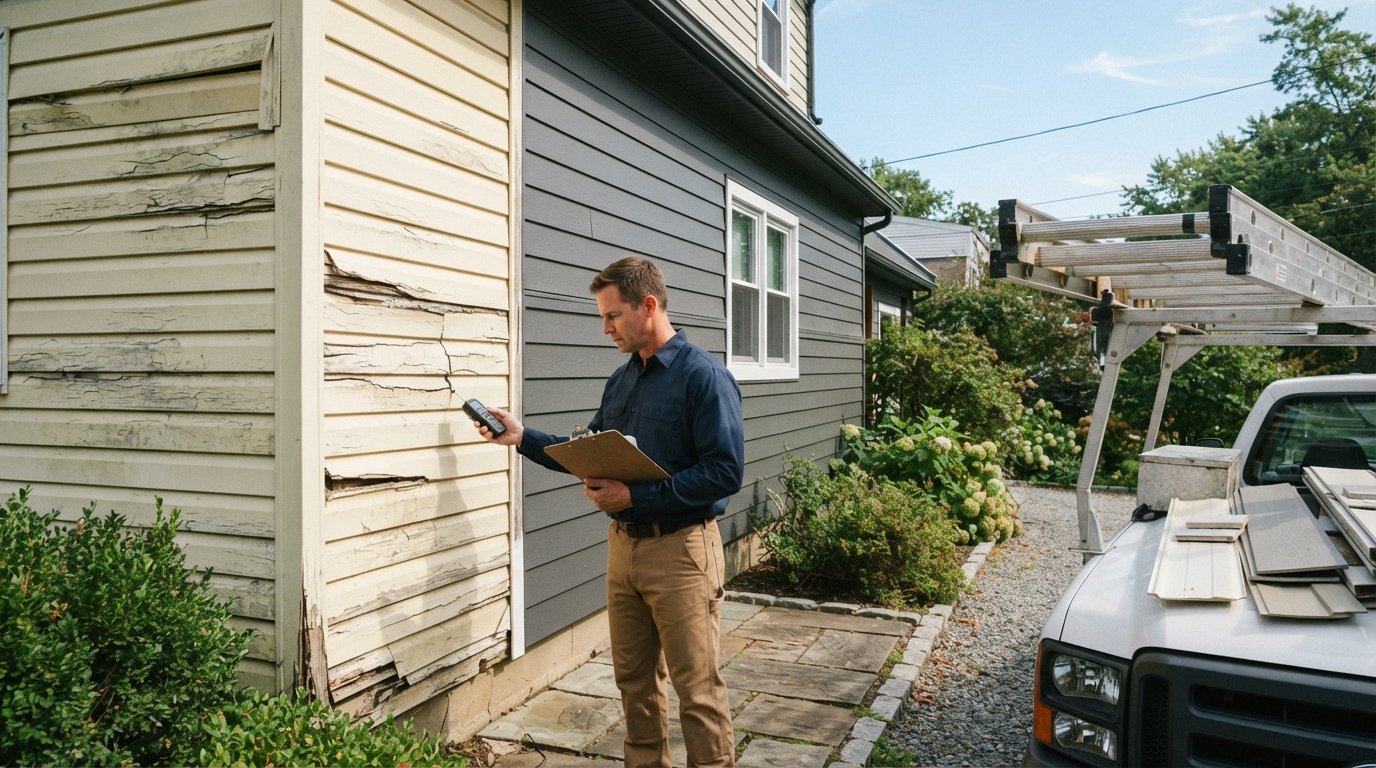
Your siding takes a beating every year: driving rain, hail, summer heat, winter freeze-thaw cycles, and relentless UV exposure. When it fails, you are not just looking at an ugly exterior. You are looking at water intrusion, rotting sheathing, mold, and repair bills that can run into the thousands. That is why the smartest homeowners do not shop for siding by color alone. They compare durability and long-term maintenance costs side by side, then match the material to their climate, budget, and how long they plan to stay in the home. This guide breaks down how the major siding materials actually perform over 20, 30, and 50 years, what each one demands in upkeep, and how to avoid overpaying for a product that will not last. If you are ready to line up local pros, start by requesting free quotes from vetted contractors in your area.
How to Judge Siding Durability: The Metrics That Matter
Durability is not a single number. Two siding products can both claim a 50-year lifespan while behaving very differently in the real world. Before comparing materials, understand the four measurements that separate marketing claims from actual performance.
Impact resistance. This measures how well the material survives hail, flying debris, and accidental strikes from ladders or lawn equipment. Vinyl can crack in extreme cold when struck, while fiber cement and engineered wood absorb impact far better. If you live in a hail-prone state like Texas, Colorado, or Kansas, impact resistance should be near the top of your list. Your insurer may even price your policy around it.
Moisture and rot resistance. Water is the number one enemy of any exterior cladding. Materials that absorb water, such as traditional wood, are vulnerable to rot, mold, and insect damage unless they are meticulously sealed. Materials that shed water, such as vinyl, metal, and fiber cement, resist rot inherently. The catch is that water can still get behind any siding through failed caulk, flashing, or trim, so installation quality matters as much as the product itself.
UV and thermal stability. Sun exposure fades paint, warps vinyl, and degrades cheap finishes. Dark-colored vinyl in a hot climate is especially prone to heat distortion. Fiber cement and engineered wood hold paint longer, and metal finishes are engineered to resist chalking and fading for decades.
Wind and fire ratings. Wind ratings tell you how much sustained wind the panels can handle before panels loosen or tear away. Fire ratings matter enormously in wildfire zones, where noncombustible materials like fiber cement, metal, and brick veneer can be the difference between a scorched yard and a lost home.
Once you understand these four metrics, the material comparison becomes far less abstract. You can look at a product spec sheet and immediately see where it will excel and where it will struggle in your specific climate.
Material by Material: Durability and Maintenance Compared
Each siding material occupies a different spot on the durability-versus-maintenance spectrum. Some are nearly maintenance-free but have shorter lifespans. Others last generations but demand periodic attention. Here is how the major options stack up.
Vinyl Siding
Vinyl is the most common siding in North America for good reason: it is affordable, it never needs painting, and it cleans up with a garden hose and mild soap. A quality vinyl panel installed correctly can last 20 to 30 years, and some premium lines push past 40 years. It resists rot, insects, and moisture by nature.
Its weaknesses are heat and impact. In extreme cold, vinyl becomes brittle and can crack when struck. In extreme heat, dark colors can warp or buckle if the panels were installed too tightly. Cheap, thin vinyl (often under 0.040 inches thick) fades, flexes, and fails far sooner than thicker architectural-grade panels. Maintenance is minimal, but you should inspect for loose panels, cracked pieces, and caulk failure around openings once a year.
Fiber Cement Siding
Fiber cement, made from cement, sand, and cellulose fibers, is the durability heavyweight among mid-priced options. It resists rot, termites, and fire, and it holds paint significantly longer than wood. A well-installed fiber cement system can last 30 to 50 years, and manufacturers typically back it with 30-year warranties.
The tradeoff is maintenance rhythm. Fiber cement needs repainting every 10 to 15 years, and because it is heavy, installation requires specialized labor and careful fastening. If moisture gets behind improperly flashed fiber cement, the material itself survives, but the wall assembly behind it can suffer. Budget for occasional caulk renewal and repainting, and you will get decades of service.
Engineered Wood Siding
Engineered wood, sometimes called composite or OSB-based siding, blends wood fibers with resins and waxes to create a product that looks like real wood but resists moisture far better. It lasts roughly 20 to 30 years and takes paint well. It is lighter than fiber cement and easier to install.
However, engineered wood is not immune to water. If the factory finish is compromised and moisture penetrates the edges, the material can swell and delaminate. It also needs repainting every 8 to 12 years. Homeowners in very wet climates should weigh this carefully against fiber cement or vinyl.
Wood Siding
Real wood, including cedar, redwood, and pine, remains the gold standard for curb appeal. Cedar and redwood naturally resist rot and insects, and a well-maintained wood exterior can last 30 to 50 years or more. It is also the most maintenance-intensive option on this list.
Wood needs staining or painting every 3 to 7 years, depending on climate and sun exposure. It is vulnerable to moisture, termites, and woodpeckers. If you love the look and do not mind the upkeep, wood rewards you with unmatched character. If you want to minimize weekend chores, it is the wrong choice.
Metal Siding
Aluminum and steel siding are lightweight, fire-resistant, and essentially impervious to rot and insects. A quality metal system can last 40 to 70 years with minimal attention. Modern finishes resist fading and chalking far better than the metal siding of decades past.
Metal dents. Hail and stray baseballs leave permanent marks, and deep dents can be difficult to repair invisibly. It also expands and contracts with temperature swings, which puts stress on fasteners and seams over time. Maintenance is mostly limited to washing and touching up scratches before they corrode.
Brick and Stone Veneer
Masonry veneer is the longest-lasting option available, with a lifespan exceeding 100 years in many cases. It is fireproof, rot-proof, and insect-proof, and it never needs painting. It also costs the most upfront and requires a structural assessment, since the wall may need additional support.
Maintenance is limited to repointing mortar joints every few decades and addressing any cracks that let water in. For homeowners who plan to stay in the house for the rest of their lives, masonry can be the lowest total-cost-of-ownership choice despite the sticker shock.
Comparing Lifespan and Maintenance at a Glance
Numbers make the tradeoffs concrete. The table below summarizes typical performance expectations for mid-grade products installed by competent contractors in a mixed climate. Your results will vary with local weather, sun exposure, and installation quality.
- Vinyl: 20 to 40 years; wash annually, inspect for cracks; repaint never.
- Fiber cement: 30 to 50 years; repaint every 10 to 15 years; recaulk as needed.
- Engineered wood: 20 to 30 years; repaint every 8 to 12 years; watch for edge swelling.
- Wood (cedar/redwood): 30 to 50 years; stain or paint every 3 to 7 years; treat for insects.
- Metal: 40 to 70 years; wash annually, touch up scratches; repair dents.
- Brick/stone veneer: 100+ years; repoint mortar every 25 to 30 years.
Notice the pattern: the materials that demand the most maintenance often deliver the longest lifespans, and the materials with the least upkeep often have shorter service windows. The right answer depends on whether you value your weekends or your long-term budget more. Many homeowners split the difference with fiber cement, which pairs a long lifespan with a manageable repaint cycle.
One more factor deserves attention: insurance. In hail-prone and wildfire-prone regions, insurers increasingly ask about siding material when pricing policies. Impact-resistant and noncombustible cladding can reduce premiums or keep you eligible for coverage, which effectively subsidizes part of the upfront cost.
Climate and Installation: The Hidden Durability Variables
The same vinyl siding that performs beautifully in Seattle can fail prematurely in Phoenix. The same wood siding that thrives in Vermont can rot in coastal Louisiana. Climate should drive your material shortlist before price does.
In hot, sunny climates, prioritize UV stability and heat resistance. Fiber cement, metal, and high-grade engineered wood outperform thin vinyl. In cold climates, impact resistance matters because vinyl becomes brittle; fiber cement and engineered wood handle freeze-thaw cycles better. In wet, humid climates, rot and mold resistance are paramount, which favors vinyl, fiber cement, and metal over wood. In wildfire zones, noncombustible materials such as fiber cement, metal, and masonry are the responsible choice.
Installation quality is the variable homeowners underestimate most. Even premium fiber cement will fail if it is nailed tight to the sheathing, if flashing around windows is sloppy, or if the contractor skips the rainscreen gap that lets the wall breathe. Poor installation voids warranties and accelerates every failure mode described above. This is why vetting your contractor matters as much as choosing your material.
When you compare bids, ask each contractor how they handle flashing details, what underlayment they use, and whether they follow manufacturer installation specifications. A contractor who cannot answer those questions clearly is a risk, no matter how attractive the price. If you want a structured approach to evaluating bids, the guide on how to choose a siding contractor walks through the exact questions to ask before you sign.
Also confirm licensing, insurance, and warranty terms in writing. A material warranty covers the product; a labor warranty covers the installation. You want both, and you want them transferable if you sell the home.
Cost, ROI, and Choosing the Right Balance
Durability and maintenance only matter in the context of cost. Vinyl is the cheapest upfront, typically installed for a fraction of what fiber cement or masonry costs. Fiber cement sits in the middle. Engineered wood is comparable to fiber cement in some markets but can undercut it. Metal and masonry top the range.
But upfront price is only part of the equation. Add up repainting, staining, repairs, and eventual replacement over 30 years, and the rankings shift. Vinyl may need full replacement once in that window. Fiber cement may need two repaints but no replacement. Wood may need five or six stain cycles plus rot repairs. Masonry may need nothing but a repointing job. When you run the numbers, mid-range and premium materials often close much of the gap with the cheapest option.
Resale value matters too. Fiber cement and engineered wood consistently rank among the top exterior remodeling projects for cost recovered at resale, and masonry veneer signals long-term quality to buyers. Vinyl recovers a solid share of its cost but reads as a budget choice in higher-end neighborhoods.
Here is a practical decision framework you can apply in five steps:
- Define your climate risks: hail, wildfire, humidity, freeze-thaw, or intense sun.
- Set a realistic budget that includes installation, not just materials.
- Estimate your holding period: under 10 years, 10 to 20 years, or forever.
- Match the material to all three factors above, not just price.
- Collect at least three itemized quotes from licensed local contractors.
Step five is where most projects succeed or fail. Competitive bids give you a real market price, expose outliers, and give you leverage to negotiate scope and warranty terms. It also protects you from the classic mistake of accepting the first number you hear. For repairs and smaller exterior work, platforms like Repairmen connect homeowners with vetted local pros across the country, which is useful when you need a targeted fix rather than a full re-side.
Finally, think about maintenance honestly. If you will not repaint wood every five years, do not buy wood. If you want to hose down your siding once a year and forget about it, vinyl or metal fits your life. If you want a once-a-decade project and a 50-year wall, fiber cement is the sweet spot for most American homes.
The best siding decision is the one that matches your climate, your budget, and your willingness to maintain it. Compare materials on durability and maintenance first, get multiple itemized quotes from licensed local contractors, and verify installation details in writing. Do that, and your new siding will protect your home for decades instead of becoming next year's repair bill.