
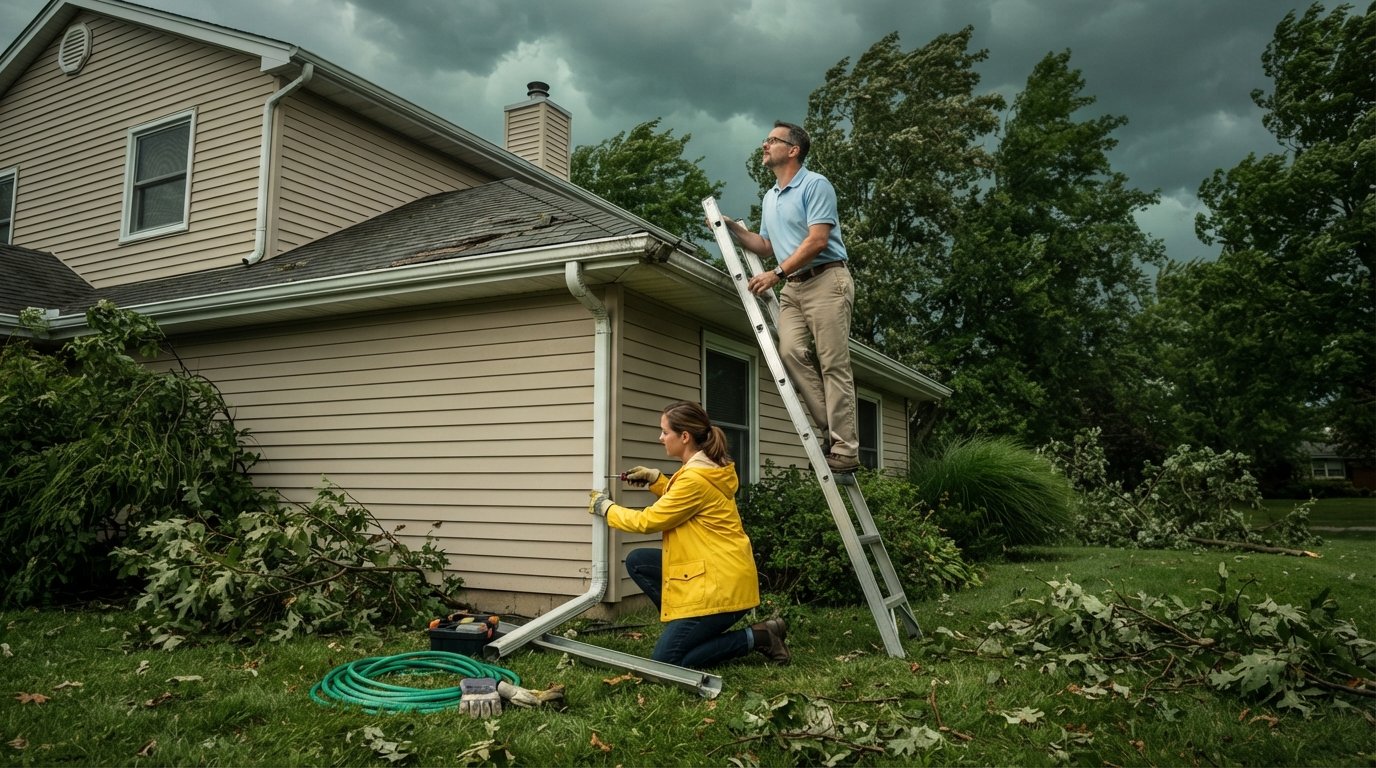
Protecting Your Home from Summer Storm Damage: A Homeowner's Guide
Protect your home from summer storm damage with our guide. Call (833)-211-1668 for expert assistance and free quotes.

By Olivia Owens
Learn more about Roof Inspection for guides, costs, and what to expect.
Compare Roof Inspection Pros Near You

Enter your ZIP code to compare independent local professionals and request free quotes.
Summer storms can strike with little warning, turning a calm afternoon into a chaotic scramble to protect your home. From hail and high winds to torrential rain and lightning, the threats are real and varied. But here is the good news: you do not have to wait for the storm to pass to take action. With a proactive plan, you can significantly reduce your risk of costly damage and make the recovery process smoother if the worst happens. This guide walks you through the essential steps for protecting your home from summer storm damage, from pre-season inspections to post-storm recovery, and explains how to connect with independent local providers when repairs are needed.
Why Summer Storms Demand a Proactive Approach
Summer storms are not just a nuisance; they are a leading cause of home insurance claims. High winds can tear off shingles, send tree limbs crashing through windows, and turn loose outdoor items into projectiles. Heavy rain can overwhelm gutters and cause basement flooding, while hail can dent siding and destroy roofs. The cumulative effect of these forces means that even a moderate storm can cause thousands of dollars in damage.
The key to minimizing that damage is preparation. By taking steps before the storm season begins, you can strengthen your home's defenses and address vulnerabilities that might otherwise go unnoticed. This proactive approach not only protects your property but also gives you peace of mind. And if damage does occur, having a plan in place helps you respond quickly and effectively, reducing further harm and streamlining the insurance claims process.
Pre-Season Inspections: Your First Line of Defense
Before the first storm clouds gather, conduct a thorough inspection of your home's exterior. This is the foundation of protecting your home from summer storm damage. Start from the ground up and work your way to the roof, paying close attention to areas that are commonly weakened by weather over time.
Roof: Look for missing, loose, or damaged shingles. Check flashing around chimneys and vents for gaps. If you are not comfortable on a ladder, use binoculars from the ground or hire a professional for a roof inspection. A well-maintained roof is your home's primary shield against rain and wind.
Gutters and downspouts: Clear debris from gutters and ensure downspouts direct water away from the foundation. Clogged gutters can cause water to back up under the roof edge, leading to rot and interior leaks. Consider installing gutter guards to reduce future maintenance.
Trees and landscaping: Trim dead branches and remove trees that are too close to the house. High winds can turn weak limbs into dangerous missiles. Also, check that grading slopes away from the foundation to prevent water pooling.
Drainage and sump pump: Test your sump pump by pouring water into the pit to ensure it activates. Clear any debris from exterior drains and consider a backup power source for the pump in case of outages.
For a comprehensive seasonal checklist that covers these tasks and more, see our summer home maintenance checklist.
Protecting Windows, Doors, and Garage Doors
Windows and doors are often the weakest points in a home's envelope during a storm. Flying debris can shatter glass, and wind-driven rain can force its way through even small gaps. Upgrading to impact-resistant windows or installing storm shutters provides a strong barrier. If a full upgrade is not in the budget, consider plywood panels pre-cut to fit your windows, stored and ready to install when a storm warning is issued.
Doors should be checked for proper seals and weatherstripping. Garage doors are particularly vulnerable to wind damage; reinforce them with a bracing kit if they are not rated for high winds. Also, ensure that all exterior doors have deadbolts and that sliding doors have secondary locks to prevent them from being forced open.
Documenting Your Home for Insurance
Before a storm hits, take time to document your home's condition. This step is crucial for a smooth insurance claim. Walk through each room and photograph or video all belongings, noting serial numbers and values. Keep receipts for major purchases. Store this documentation in a safe place, such as a fireproof safe or cloud storage.
Also, review your insurance policy to understand what is covered and what your deductible is. Standard homeowners policies typically cover wind and hail damage, but flood damage requires a separate policy. Knowing your coverage helps you make informed decisions about repairs and upgrades.
First Steps After Storm Damage
After the storm passes, safety comes first. Avoid downed power lines and check for gas leaks. If your home is unsafe, evacuate and call for help. Once it is safe, assess the damage from the ground, taking photos and videos for your insurance claim. Do not climb on the roof or enter flooded areas without proper gear.
Prevent further damage by tarping broken windows, covering roof leaks, and removing water from flooded areas. Keep receipts for any temporary repairs, as these may be reimbursable. Contact your insurance company promptly to report the damage and start the claims process.
Requesting Quotes for Repairs
When it is time to repair storm damage, you will want to compare quotes from independent local providers. FreeQuotes.Contractors is a free matching and referral service that connects homeowners with independent local providers for services including roofing, windows, gutters, and more. The platform offers educational content and a free quote request system to help you compare bids. You can also visit Contractor.Homes for additional resources and to connect with independent local providers. Remember, FreeQuotes.Contractors does not perform the work itself; it simply connects you with professionals who do.
When requesting quotes, be clear about the scope of work and ask for detailed estimates. Compare at least three quotes to ensure you are getting a fair price. Check references and ask for proof of insurance from any provider you consider hiring.
Building a Storm-Resilient Home
Beyond immediate repairs, consider long-term upgrades that make your home more resilient to future storms. Impact-resistant roofing materials, reinforced garage doors, and proper drainage systems can reduce damage and may even lower your insurance premiums. Landscaping with wind-resistant plants and maintaining trees can also protect your property.
By taking these steps for protecting your home from summer storm damage, you can face the season with confidence. Preparation and quick action are your best tools. For more guidance on home maintenance and finding independent local providers, explore our resources and request free quotes today.