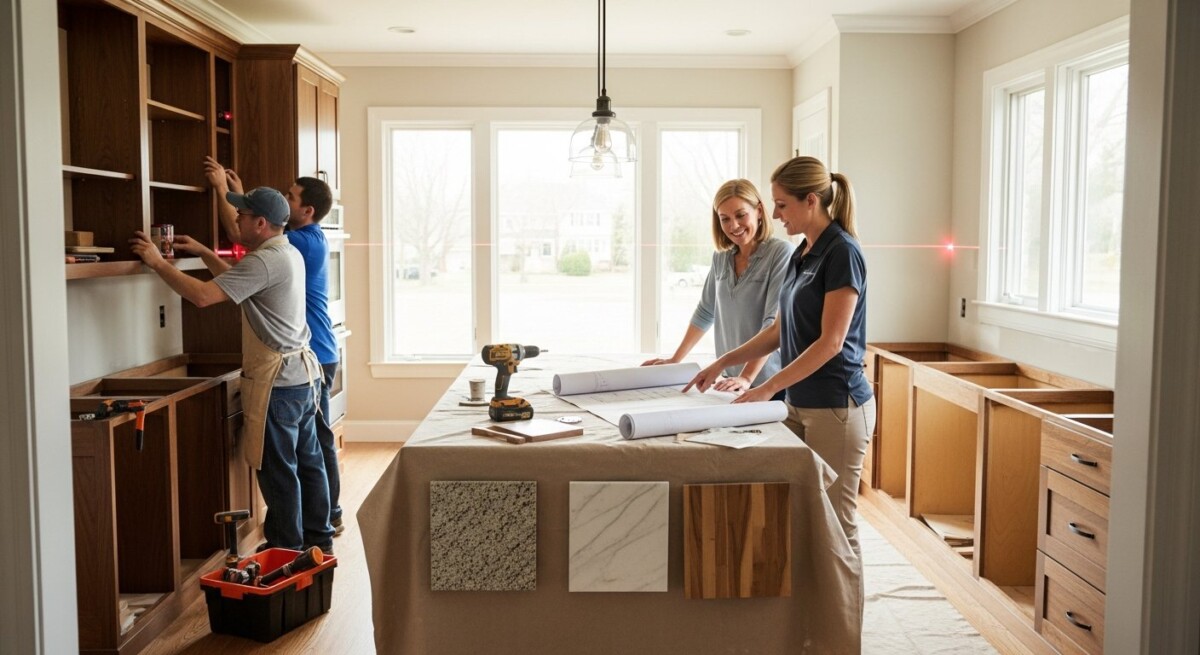
Understanding Contractor Estimates for Your Home Renovation
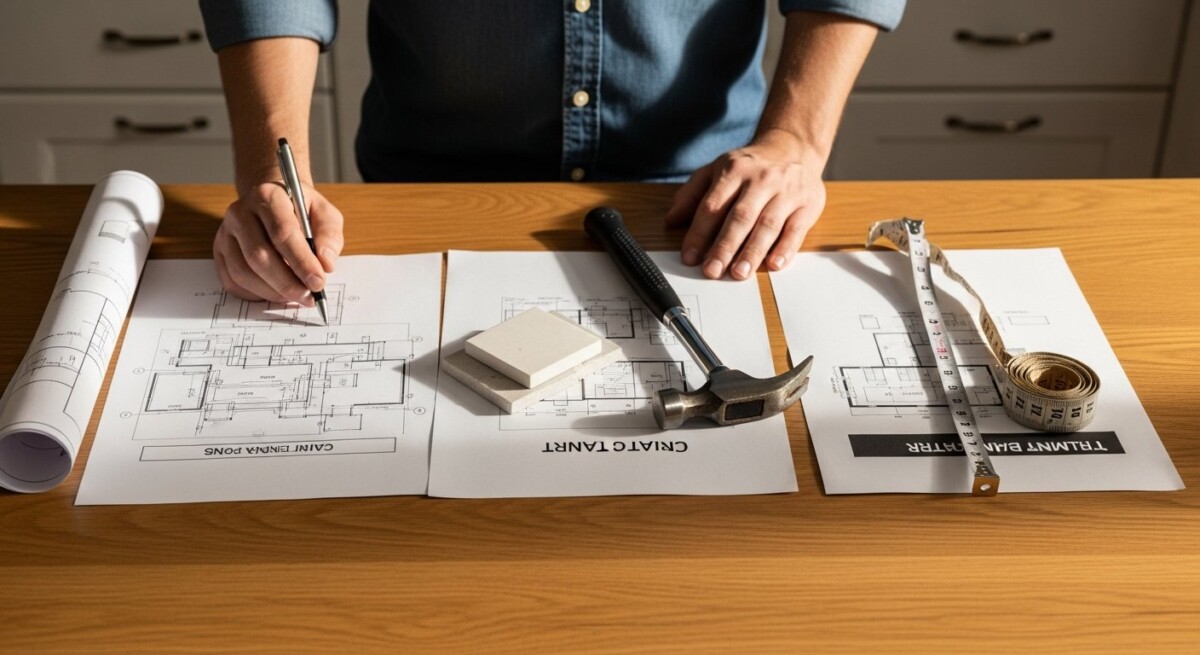
You’ve finally decided to tackle that kitchen remodel or add that much-needed bathroom. You start calling contractors, and soon, a stack of estimates lands in your inbox. One quote is surprisingly low, another is shockingly high, and the rest are somewhere in between, but they all seem to list different materials and timelines. It’s confusing, and the fear of overpaying or hiring the wrong person can make you want to put the whole project on hold. But ignoring clear estimates or choosing based solely on the lowest price can lead to stressful delays, unexpected costs, and work that doesn’t meet your expectations.
Understanding Home Renovation Contractor Estimates
A home renovation contractor estimate is much more than just a price tag. It’s a detailed proposal that outlines what the project will entail, what materials will be used, how long it will take, and how much it will cost. Think of it as a roadmap for your renovation.
This document exists to protect both you and the contractor. It ensures everyone is on the same page before a single hammer is swung. A thorough estimate transforms a vague idea into a clear, actionable plan, preventing misunderstandings that can derail a project and strain your budget.
The Difference Between an Estimate and a Quote
While often used interchangeably, there can be a subtle difference. An estimate is typically a professional’s best guess at the project cost based on a preliminary assessment. A quote, or a firm quote, is a fixed price for the defined scope of work. A good contractor will specify which they are providing, giving you clarity on potential cost flexibility.
Why This Matters for Your Home
Getting clear, detailed estimates is the single most important step in protecting your investment. Your home is likely your most valuable asset, and a renovation is a significant financial undertaking. A vague or incomplete estimate leaves you vulnerable to cost overruns, subpar workmanship, and project scope creep.
Without a solid estimate, you risk compromising on safety, quality, and the long-term durability of the work. What starts as a simple bathroom update could uncover hidden water damage or faulty wiring, turning a planned expense into a financial emergency if not properly accounted for upfront.
If you notice signs of this issue in your home, it may help to speak with a qualified contractor. Request a free quote or call to explore your repair or remodeling options.
Common Problems Homeowners Experience
Navigating contractor estimates can be fraught with pitfalls. Many homeowners feel overwhelmed by the process and unsure of what they’re really comparing. This uncertainty can lead to poor decisions that cost time, money, and peace of mind.
The most frequent issues stem from estimates that lack detail. When items are vaguely described or omitted, it creates room for “change orders” later,additional charges for work the contractor claims wasn’t in the original agreement. This is where budgets balloon and frustration builds.
- The “Too Good to Be True” Lowball: An estimate significantly lower than others often means cutting corners on materials, labor, or necessary steps.
- The Vague Scope of Work: Descriptions like “update kitchen” instead of listing specific tasks (demo, plumbing, electrical, cabinet installation, etc.).
- Missing Material Specifications: Listing “flooring” instead of the brand, grade, and square footage of the specific tile or hardwood.
- Unclear Payment Schedule: Requests for large upfront deposits before any work begins, which can be a red flag.
- Omitted Permits and Fees: Failing to include the cost and responsibility for pulling required building permits.
- No Timeline or Milestones: An estimate without a projected start date, completion date, or key project phases.
How Professionals Solve the Problem
A reputable contractor approaches an estimate as the foundation for a successful partnership. They take the time to understand your vision, assess your space thoroughly, and document every aspect of the project. This professional diligence is what you’re investing in.
Their process is designed to eliminate surprises. By identifying potential challenges early,like outdated wiring behind a wall or a sloping floor,they can factor solutions into the initial plan and cost, not present them as emergencies later. This systematic approach saves you from the stress and cost of mid-project discoveries.
- Initial Consultation: They listen to your goals, assess the project area, and discuss your budget and preferences.
- Detailed Measurement & Inspection: They take precise measurements and look for underlying issues that could affect the project.
- Scope of Work Development: They draft a line-by-line list of every task, from demolition to final cleanup.
- Material Selection & Pricing: They specify product brands, models, quantities, and costs, often providing samples.
- Labor & Timeline Projection: They calculate labor hours, crew needs, and a realistic schedule with milestones.
- Final Proposal Assembly: They compile everything into a clear, comprehensive estimate for your review.
A professional inspection can reveal hidden issues before they become expensive repairs. Compare contractor quotes here or call to discuss your project.
Warning Signs You Should Not Ignore
When reviewing an estimate, certain omissions or phrases should give you pause. These warning signs often indicate a contractor who may be disorganized, inexperienced, or intentionally leaving room to increase the price later. Trust your instincts,if something feels off, it probably is.
Paying attention to these details upfront can prevent a nightmare renovation. It’s far easier to address concerns on paper than to resolve disputes when your home is torn apart and your life is disrupted.
- Pressure to Sign Immediately: Legitimate contractors give you time to review and compare.
- No Physical Business Address or License Number: Always verify their license and insurance are current.
- Cash-Only Discounts: This can be a tactic to avoid taxes and may void any warranty.
- Extremely Large Deposit Request: A typical deposit is 10-30% of the total project cost, not 50% or more.
- Unwillingness to Put Everything in Writing: Any verbal promises are meaningless without being in the contract.
- Vague or Missing Warranty Information: The estimate should clearly state what is guaranteed and for how long.
What Affects the Cost of Repairs or Installation
Understanding what drives the numbers on an estimate helps you make sense of the quotes you receive. Costs are rarely arbitrary; they reflect the complexity, quality, and conditions of your specific project. Two identical-looking bathroom remodels can have vastly different prices based on what’s behind the walls.
The age and condition of your home are major factors. Older homes often require more preparatory work, like updating electrical systems to meet code or repairing structural elements, which adds to the project scope and cost. A clear estimate will break these items out separately.
- Project Scope & Size: A full-gut remodel costs more than a cosmetic update. Square footage directly impacts material and labor.
- Material Quality & Selection: Custom cabinetry, natural stone countertops, and high-end fixtures cost more than stock or builder-grade options.
- Labor Intensity & Skill: Complex tile patterns, custom woodwork, or structural changes require specialized, higher-cost labor.
- Site Accessibility & Conditions: A third-floor bathroom or a home with narrow hallways can complicate material delivery and work.
- Permits & Inspections: Costs for permits, plan reviews, and required inspections vary by municipality and project type.
- Contingency Allowance: A good estimate includes a small percentage (e.g., 10%) for unforeseen issues, which is a sign of honest planning.
Costs can vary depending on the condition of your home. The best way to know the price is to get a personalized estimate. Request free quotes from contractors or call today.
How to Choose the Right Contractor
The estimate is a reflection of the contractor. A clear, thorough, and professional document usually comes from a clear, thorough, and professional business. Your goal is to find a partner you can trust to be in your home and manage a significant part of your life for weeks or months.
Don’t just compare the bottom-line number. Compare the depth of detail, the clarity of communication, and the feeling you get during your interactions. The right contractor will educate you, answer questions patiently, and make you feel confident in their ability to deliver.
- Verify Licenses, Insurance, and Bonding: This is non-negotiable for your protection against liability and poor work.
- Read Reviews and Ask for References: Talk to past clients and ask about their experience, especially regarding budget and communication.
- Compare “Apples to Apples” Estimates: Ensure each estimate includes the same scope, materials, and timeline for a fair comparison.
- Meet the Team: If possible, meet the project lead or foreman who will be on-site daily.
- Trust Your Communication Comfort: Choose someone who listens, explains things clearly, and responds promptly.
Long-Term Benefits of Professional Work
Investing in a professional contractor who provides a detailed estimate pays dividends long after the project is complete. Quality workmanship with proper materials stands the test of time, reducing the need for costly repairs or premature replacements. It’s an investment in the daily comfort and future value of your home.
Beyond durability, professional work enhances safety and efficiency. Correctly installed electrical systems prevent fire hazards, proper plumbing prevents leaks and water damage, and quality insulation improves energy efficiency, lowering your utility bills for years to come.
Finally, a well-executed renovation significantly boosts your home’s market value and appeal. Should you ever decide to sell, documented professional renovations are a major selling point that assures potential buyers of the home’s condition, often yielding a strong return on your initial investment.
How long does it take to get an estimate?
For small projects, you might get a quote on the spot or within a day. For larger renovations like kitchens or additions, a reputable contractor will need a few days to a week to conduct a thorough assessment, develop detailed plans, and research material costs before providing a comprehensive estimate.
Should I always choose the lowest estimate?
Not necessarily. The lowest estimate may exclude necessary work, use inferior materials, or be based on inaccurate measurements. It’s crucial to compare the scope and quality specified in each estimate. Often, the middle-priced option from a highly-recommended contractor offers the best balance of value and reliability.
What should be included in a contractor’s estimate?
A complete estimate should include the contractor’s contact and license info, a detailed scope of work, brand names and quantities of all materials, labor costs, a project timeline with milestones, payment schedule, total cost, and information on warranties, permits, and how change orders will be handled.
Is a deposit always required?
Yes, most contractors require a deposit to secure your project date and order materials. This is standard, but it should be reasonable,typically between 10% and 30% of the total project cost. Be wary of any contractor who demands 50% or more upfront.
Can I negotiate a contractor’s estimate?
You can discuss options that might lower costs, such as adjusting the project scope, using different materials, or scheduling the work during a slower season. However, negotiating solely on price can pressure a contractor to cut corners. Focus on value and clarity rather than just driving the number down.
What is a “change order” and how does it affect cost?
A change order is a written amendment to the original contract for any addition, deletion, or alteration in the work. It will detail the change in scope, cost, and timeline. While some changes are unavoidable, a very detailed initial estimate minimizes the need for them.
How do I know if a contractor is properly insured?
Ask for a copy of their Certificate of Insurance (COI), which should show both liability insurance and workers’ compensation coverage. You can also call the insurance company listed on the certificate to verify the policy is active. Never hire a contractor who cannot provide this proof.
What happens if I find a problem after the work is done?
This is why warranties matter. A professional estimate and contract should outline the warranty period for both materials and workmanship. Contact the contractor immediately to document the issue. A reputable professional will stand by their work and make reasonable repairs under the terms of the warranty.
Taking the time to understand and compare home renovation contractor estimates is the most powerful step you can take to ensure a successful project. It transforms uncertainty into a clear plan, protects your budget from hidden surprises, and helps you build a trusting relationship with a professional who will care for your home. By addressing the details upfront and choosing a partner based on thoroughness and transparency, you invest not just in a renovation, but in the long-term comfort, safety, and value of your home. Start by gathering a few detailed estimates,it’s the smartest first move any homeowner can make.