Understanding Your Water Heater Installation Estimate
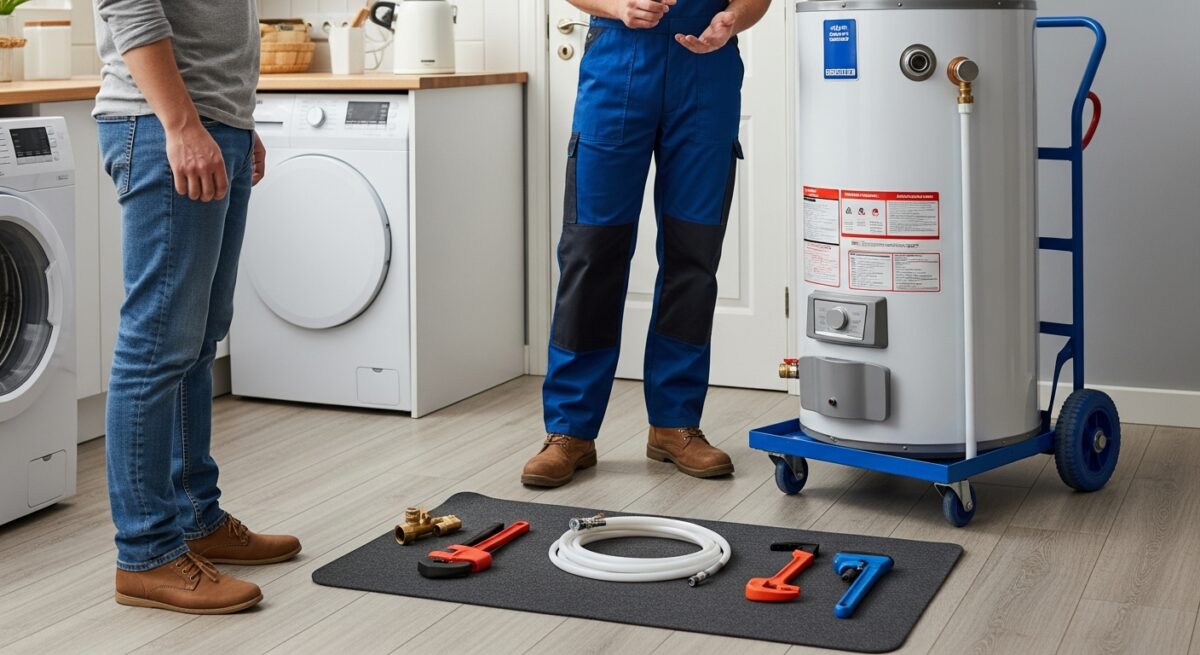
You’ve decided it’s time for a new water heater, or maybe your old one has made the decision for you. The next step is getting a clear, fair estimate for the installation. For most homeowners, this document can feel confusing, filled with technical terms and line items that are hard to compare. A good estimate shouldn’t be a mystery. It should be a roadmap that explains exactly what you’re paying for, giving you confidence in your investment and the professional you choose to hire.
What Is a Water Heater Installation Estimate?
A water heater installation estimate is a detailed breakdown of the projected costs for your specific project. It’s more than just a single number. Think of it as a blueprint for the job, outlining the labor, materials, timeline, and any potential variables that could affect the final price.
A professional estimate protects both you and the contractor. It sets clear expectations, so there are no surprises when the work is done. It should list every component, from the new unit itself to the pipes, valves, and permits required for a safe, code-compliant installation.
The Difference Between an Estimate and a Quote
While often used interchangeably, there’s a key difference. An estimate is a professional’s best calculation of costs based on the initial assessment. A quote or bid is typically a fixed price for the job. Your estimate may note that the final price could change if unforeseen issues are discovered during the installation, much like the process detailed in our guide on understanding your concrete installation estimate.
Why a Detailed Estimate Matters for Homeowners
Getting a thorough, written estimate is the single most important step in planning your water heater installation. It’s your primary tool for making an informed decision. Without it, you’re left guessing about the true scope of the work and your total financial commitment.
A clear estimate helps you avoid hidden fees and budget overruns. It allows you to compare offers from different contractors on an apples-to-apples basis. Most importantly, it ensures the technician has thoroughly evaluated your home’s setup,your plumbing, electrical, gas lines, and space constraints,to recommend the right solution.
Ready for a transparent, no-obligation estimate on your new water heater? Call us today at (555) 123-4567 or visit our website to schedule your free, in-home assessment.
Common Issues That Affect Installation Estimates
No two homes are alike, and the condition of your existing setup can significantly impact the installation complexity and cost. A professional will inspect for these common issues before providing your final estimate.
Older homes often present challenges that require additional labor and materials. The existing plumbing may not match the new unit’s connections, or the location might not meet current safety codes. These factors aren’t always visible until the old heater is removed, which is why a contingency for unforeseen work is sometimes included.
- Code Upgrades: Building codes change. Your old installation might be grandfathered in, but a new one must meet today’s stricter standards for safety, which can require new venting, expansion tanks, or drain pans.
- Access and Location: A water heater tucked in a tight closet or basement corner is harder to remove and replace, adding labor time.
- System Compatibility: Switching from a tank-style to a tankless model, or from electric to gas, involves major plumbing and possibly electrical work.
How Professionals Calculate Your Estimate
A reputable contractor follows a systematic process to build your estimate. It starts with an on-site visit to assess your needs and your home’s specific conditions. This hands-on evaluation is crucial for accuracy.
The technician will first determine the correct size and type of water heater for your household. They’ll then inspect the installation site, checking the fuel source, venting, water lines, and drainage. They note everything needed for a proper install, from the unit and connectors to the sealants and safety straps.
- Assessment: Evaluate the old unit, home layout, and local codes.
- Material List: Specify the new water heater model and all ancillary parts.
- Labor Calculation: Estimate the time for removal, installation, testing, and cleanup.
- Final Review: Compile costs, add any permits or fees, and present the detailed estimate to you.
Don’t navigate this process alone. For a precise estimate from experienced, licensed professionals, give us a call at (555) 123-4567. We’ll explain every line item so you feel completely confident.
Signs You Should Not Ignore
Sometimes, you can’t wait for a planned upgrade. Certain warning signs indicate your water heater is failing and needs immediate replacement. Ignoring these can lead to property damage or a complete lack of hot water.
If you notice rusty water coming only from your hot taps, it often means the inside of your tank is corroding. Persistent leaks around the base are a major red flag; tanks can fail catastrophically. A rumbling or popping noise is sediment buildup, which drastically reduces efficiency and can overheat the tank.
- Water is rusty or has a metallic smell.
- Puddles or consistent moisture around the heater’s base.
- Lukewarm water that never gets truly hot.
- Unusual noises like rumbling, banging, or popping.
- Water that takes much longer to reheat than before.
Cost Factors and What Affects Pricing
Understanding what goes into the price helps you evaluate estimates intelligently. The largest cost is usually the water heater unit itself, but labor, materials, and site preparation make up a significant portion.
The type of heater you choose has the biggest impact. Standard tank models are generally the most affordable upfront, while high-efficiency tankless or heat pump models cost more for the unit but can save on energy bills. Labor costs vary by region and the job’s complexity. Just as with exterior projects, the specifics of your home’s setup are key, similar to the variables considered in a vinyl siding installation estimate.
Other factors include necessary upgrades to meet code (like new copper piping or a seismic strap), the cost of disposing of the old unit, and local permit fees. A trustworthy estimate will list these items separately.
Want to understand exactly what your project will cost? Contact us at (555) 123-4567 for a free, in-home consultation and a detailed, written estimate you can trust.
How To Choose the Right Professional
Your estimate is only as good as the company providing it. Choosing a qualified, reputable installer is just as important as the estimate details. Look for a contractor who is licensed, insured, and has strong local reviews.
A true professional will ask detailed questions about your hot water usage and will perform an on-site inspection before giving any numbers. They should be willing to walk you through every part of the estimate and explain why each item is necessary. Be wary of anyone who gives a firm price over the phone without seeing your setup.
- Verify state and local licensing for plumbers or contractors.
- Ask for proof of insurance (liability and worker’s compensation).
- Read online reviews and ask for references.
- Choose someone who provides a detailed, written estimate,not just a verbal guess.
Long-Term Benefits for Your Home
Investing in a proper water heater installation pays off for years. A correctly sized and installed unit provides reliable hot water, operates efficiently to keep utility bills in check, and ensures the safety of your home and family.
Modern water heaters are far more energy-efficient than models from even ten years ago. A professional installation maximizes that efficiency and extends the lifespan of the unit. It also prevents future problems like leaks or gas issues, protecting your home from water damage and giving you invaluable peace of mind. Proper planning, as with any major home project like the ones outlined in our guide to concrete installation estimates, ensures your investment is sound.
Frequently Asked Questions
How long does a water heater installation typically take?
A standard, straightforward replacement of a tank water heater usually takes 2 to 4 hours. More complex jobs, like switching to a tankless system or relocating the unit, can take a full day or more.
What should a water heater installation estimate include?
A good estimate includes the cost of the new unit, all necessary parts (pipes, valves, fittings), labor, permit fees, old unit disposal, and sales tax. It should also note any potential additional costs for unforeseen issues.
Is it worth getting multiple estimates?
Yes, getting at least three estimates is wise. It allows you to compare not only the price but also the proposed equipment, the scope of work, and your comfort level with each contractor. The cheapest option isn’t always the best value.
Can I install a water heater myself to save money?
We strongly advise against DIY installation. Water heaters involve high-pressure water, electricity, or gas. Improper installation can lead to leaks, carbon monoxide poisoning, or even explosion. It also voids the manufacturer’s warranty and may not meet local codes.
What size water heater do I need?
Size is based on your home’s peak hot water demand (number of bathrooms, occupants, and appliances). A professional will calculate this using your first-hour rating (for tanks) or flow rate (for tankless) to ensure you have enough hot water.
Are there financing options for a new water heater?
Many reputable installation companies offer financing plans. This can make a more efficient, reliable unit affordable by spreading the cost over manageable monthly payments. Ask your estimator about available options.
How long do new water heaters last?
With proper installation and maintenance, a standard tank water heater lasts 8-12 years. Tankless and heat pump models can last 15-20 years. The quality of the installation directly impacts its lifespan.
What is the most energy-efficient type of water heater?
Heat pump water heaters (hybrid models) are typically the most efficient for most climates, followed by condensing gas tankless models. The best choice depends on your local fuel costs, climate, and household usage.
A clear, detailed water heater installation estimate is your first step toward reliable hot water and long-term peace of mind. By understanding what goes into it and choosing a trusted professional, you can ensure your home’s comfort and safety for years to come.