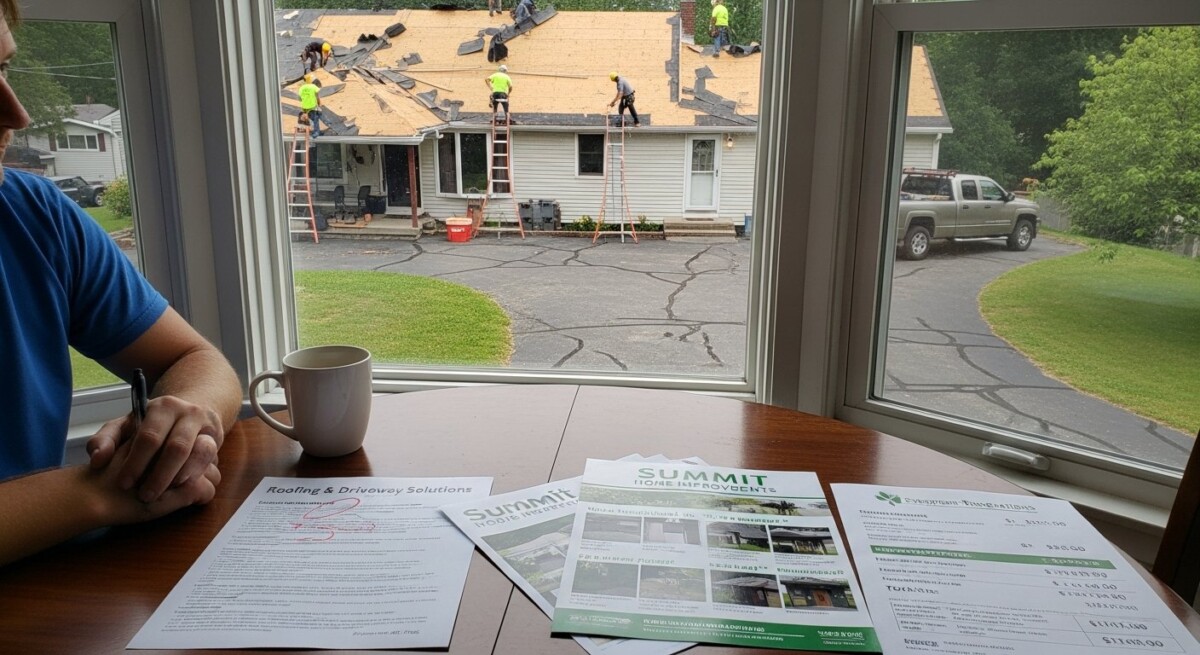
What Increases Home Renovation Cost and How to Control It
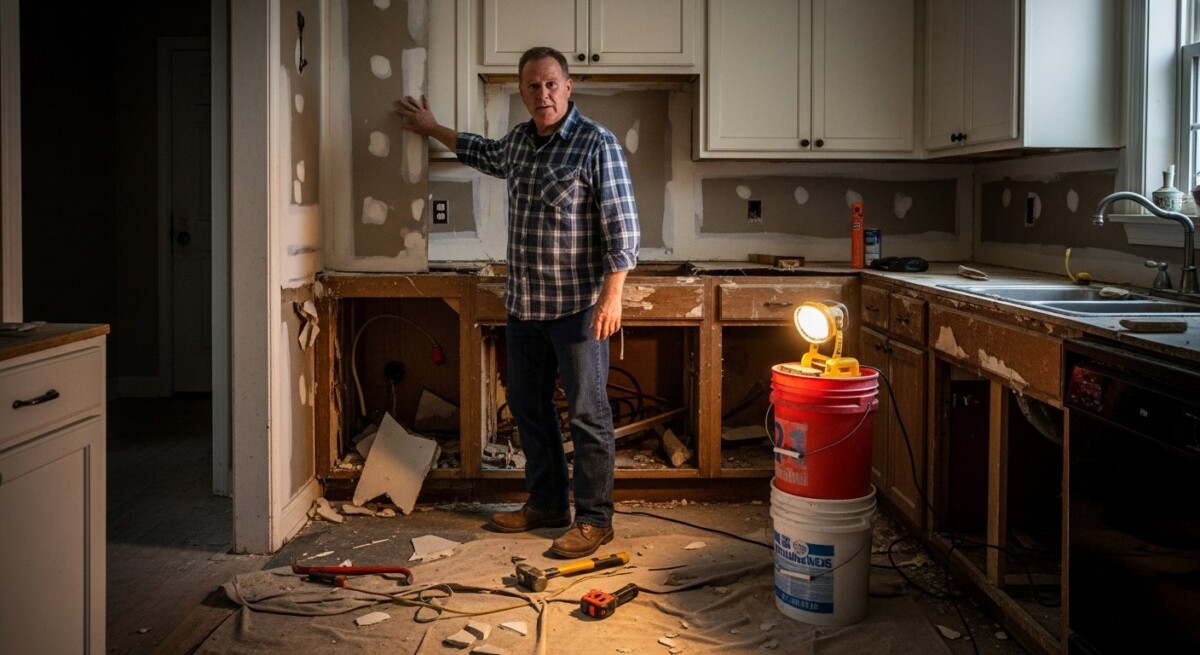
Imagine this: You finally decide to remodel your outdated kitchen. You have a budget in mind, a vision board saved on your phone, and a weekend cleared on your calendar. But as you start peeling back the old backsplash, you discover water damage behind the cabinets. Suddenly, your straightforward update turns into a full-scale repair project. If this sounds familiar, you are not alone. Many homeowners discover that hidden factors,not just fancy finishes,are what increases home renovation cost. The good news is that understanding these factors early can help you stay in control, protect your investment, and avoid unpleasant surprises. In this guide, we will walk through the real reasons costs climb, how to spot warning signs, and why working with a professional contractor often saves you money in the long run.
Understanding What Increases Home Renovation Cost
Renovation costs go up for many reasons, but they usually fall into three categories: hidden damage, outdated systems, and scope creep. Hidden damage includes things like mold, rot, or pest infestations that only become visible once walls or floors are opened. Outdated systems refer to old plumbing, electrical wiring, or HVAC that no longer meet modern codes. Scope creep happens when a small change snowballs into a larger project, such as deciding to relocate a wall after the demolition has already started.
Homes that are more than 30 years old often face the biggest cost surprises. Older homes may have asbestos, lead paint, or galvanized pipes that require special handling and disposal. Even newer homes can have issues if previous renovations were done without permits or used substandard materials. The age and history of your home directly affect what increases home renovation cost.
Another major driver is labor and material availability. If you are remodeling during a peak season or in an area with high demand, contractors may charge more. Supply chain delays can also push prices up for items like flooring, cabinets, or fixtures. Understanding these factors helps you plan a realistic budget from the start.
Why This Matters for Your Home
Ignoring what increases home renovation cost can lead to serious consequences. Water damage that goes unrepaired can rot floor joists and weaken your home’s structure. Old wiring can create fire hazards. Poor insulation or drafty windows drive up your energy bills month after month. What starts as a small cosmetic update can quickly become a safety issue if underlying problems are ignored.
Delaying necessary repairs also hurts your home’s resale value. Buyers today expect a home that is move-in ready. If an inspection reveals hidden problems, you may have to lower your asking price or pay for repairs out of pocket. Acting early,and understanding the true scope of work,protects both your family’s safety and your financial investment.
Finally, comfort matters. A home with drafts, uneven temperatures, or persistent odors is not a pleasant place to live. Addressing the root causes of renovation cost increases,like poor ventilation or aging windows,makes your home more comfortable and enjoyable every day.
If you notice signs of this issue in your home, it may help to speak with a qualified contractor. Request a free quote or call to explore your repair or remodeling options.
Common Problems Homeowners Experience
When homeowners begin a renovation, they often encounter problems that were not visible during the initial walkthrough. For example, peeling paint may hide damp drywall, or a squeaky floor might signal a sagging joist. These discoveries are stressful because they add unexpected time and money to the project.
Another common issue is finding that old materials,like single-pane windows or outdated insulation,do not meet current energy codes. Upgrading to meet code is not optional; it is required for safety and efficiency. This can add thousands to your budget, especially if you are doing a whole-house remodel.
Here are some of the most frequent problems that drive up renovation costs:
- Water damage behind walls, under sinks, or around windows
- Mold or mildew growth in basements, attics, or bathrooms
- Outdated or unsafe electrical panels and wiring
- Old plumbing with corrosion, leaks, or lead pipes
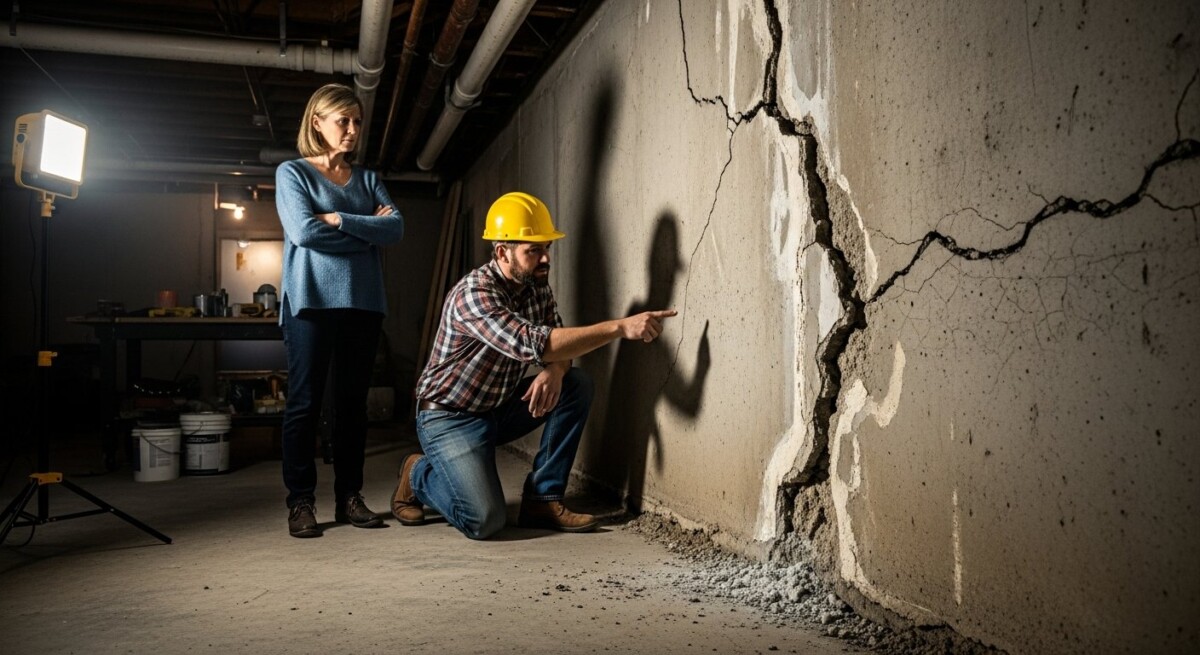
- Structural issues like cracked foundations or sagging beams
- Aging HVAC systems that require replacement or major repairs
How Professionals Solve the Problem
Experienced contractors know exactly where to look for hidden issues and how to address them efficiently. They start with a thorough inspection, often using tools like moisture meters and thermal cameras to detect problems behind walls. This upfront assessment helps create an accurate estimate and prevents surprises midway through the job.
Once the issues are identified, professionals follow a systematic process to resolve them. Here is a typical step-by-step approach:
- Inspection and diagnosis: The contractor evaluates the home’s condition and identifies all problem areas.
- Planning and permits: They create a detailed plan, secure necessary permits, and order materials.
- Demolition and preparation: Old materials are removed safely, with proper disposal of hazardous substances like asbestos.
- Repair or replacement: Damaged systems are fixed or replaced with modern, code-compliant materials.
- Finishing and quality check: The space is finished, and a final inspection ensures everything meets standards.
Hiring a professional is often safer and more reliable than tackling these issues yourself. DIY mistakes can worsen damage, create safety hazards, or void insurance coverage. Contractors carry liability insurance and warranties, giving you peace of mind that the work is done right the first time. In our guide on how contractors price home renovation projects, we explain how they factor in labor, materials, and permits to give you a fair estimate.
A professional inspection can reveal hidden issues before they become expensive repairs. Compare contractor quotes here or call to discuss your project.
Warning Signs You Should Not Ignore
Your home often gives you clues that a renovation may cost more than expected. Paying attention early can help you budget properly and avoid emergency repairs. For instance, if you notice that your energy bills have been climbing for months, it could mean your insulation or windows are failing.
Similarly, strange smells, persistent drafts, or discolored walls are red flags that something is wrong behind the surface. Ignoring these signs usually leads to more damage,and higher costs,down the road.
Here are warning signs that suggest repairs may be needed:
- Water stains on ceilings, walls, or floors
- Musty odors in basements or bathrooms
- Drafts around windows or doors
- Flickering lights or frequently tripped breakers
- Cracks in walls, ceilings, or foundations
- Warped or bouncy floors
What Affects the Cost of Repairs or Installation
Several factors influence how much you will pay for a renovation. The size of the project is the most obvious,a full kitchen remodel costs more than a partial update. But even within the same room, the scope matters. Replacing cabinets and countertops is cheaper than moving plumbing and electrical lines.
Materials also play a big role. Custom cabinetry, natural stone countertops, and specialty tiles cost more than stock options. Labor rates vary by region and season. If your home is difficult to access,for example, a third-floor bathroom with no elevator,the job may take longer and cost more. Finally, older homes often require more prep work to bring them up to modern standards.
Costs can vary depending on the condition of your home. The best way to know the price is to get a personalized estimate. Request free quotes from contractors or call today.
How to Choose the Right Contractor
Choosing the right contractor is just as important as understanding what increases home renovation cost. A good contractor will give you a clear, detailed estimate and explain every line item. They will also be transparent about potential challenges and how they plan to handle them.
Start by asking for recommendations from friends or neighbors. Then, interview at least three contractors before making a decision. Avoid the cheapest bid if it seems too good to be true,it often means corners will be cut. Instead, focus on value: fair pricing, clear communication, and a solid reputation.
Here are tips to help you choose wisely:
- Check licenses and insurance: Verify that the contractor is licensed in your state and carries liability and workers’ compensation insurance.
- Read customer reviews: Look for recent reviews on Google, Yelp, or the Better Business Bureau.
- Ask for detailed estimates: A good estimate breaks down labor, materials, permits, and timeline.
- Compare multiple quotes: Getting at least three quotes helps you understand the market rate for your project.
- Confirm experience: Ask if they have handled similar projects, especially if your home is older or has unique features.
Long-Term Benefits of Professional Work
Investing in professional renovation work pays off in many ways. First, safety improves dramatically. Upgraded wiring, plumbing, and structural elements reduce the risk of fires, leaks, and collapses. You and your family can enjoy your home with confidence.
Second, professional work lasts longer. Materials are installed correctly, with proper waterproofing, insulation, and ventilation. This means fewer repairs and lower maintenance costs over time. Energy-efficient upgrades also lower your monthly utility bills, putting money back in your pocket.
Finally, a well-executed renovation adds significant value to your home. When it comes time to sell, you can command a higher price because buyers know the work was done right. For a closer look at timelines, check out our article on how long home renovation projects usually take so you can plan accordingly.
Frequently Asked Questions
What is the biggest factor that increases home renovation cost?
The biggest factor is usually hidden damage. Once walls are opened, contractors often find water damage, mold, or outdated wiring that must be fixed before the renovation can continue. These unexpected repairs can add thousands to the final bill.
How can I avoid surprise costs during a renovation?
Hire a contractor who performs a thorough pre-renovation inspection. Using moisture meters and thermal cameras, they can detect hidden problems before work begins. This allows you to budget for all necessary repairs upfront.
Does the age of my home affect renovation costs?
Yes. Older homes often have outdated systems, hazardous materials like asbestos, and structural issues that require specialized handling. These factors increase both labor and material costs compared to newer homes.
Why do contractor quotes vary so much for the same project?
Quotes vary based on the contractor’s overhead, experience, and the quality of materials they plan to use. It is also possible that one contractor identified hidden issues that another missed. Always compare detailed estimates, not just the bottom line.
Is it cheaper to renovate in the off-season?
Often, yes. Many contractors offer lower rates during slower months like late fall or winter. However, availability may be limited, and weather can delay outdoor projects. Plan ahead and ask about seasonal discounts.
Can I save money by doing some of the work myself?
You can save on labor for simple tasks like painting or demolition, but be cautious. Mistakes with plumbing, electrical, or structural work can be expensive to fix and may violate building codes. Leave complex work to professionals.
How do I know if a contractor is trustworthy?
Check their license, insurance, and references. Read online reviews and ask for a written contract that includes a detailed scope of work, payment schedule, and timeline. Trustworthy contractors are transparent and communicative.
What should I include in my renovation budget besides labor and materials?
Set aside 10,20% of your total budget for unexpected costs. Also budget for permits, design fees, temporary housing if needed, and disposal of old materials. A contingency fund helps you handle surprises without stress.
Understanding what increases home renovation cost is the first step to a successful project. By knowing the common pitfalls, recognizing warning signs early, and working with qualified professionals, you can protect your home, your budget, and your peace of mind. Before you start any renovation, take the time to compare contractor quotes,it is the smartest way to find fair pricing and quality work. Your home deserves the best care, and you deserve a renovation that stays on track from start to finish.