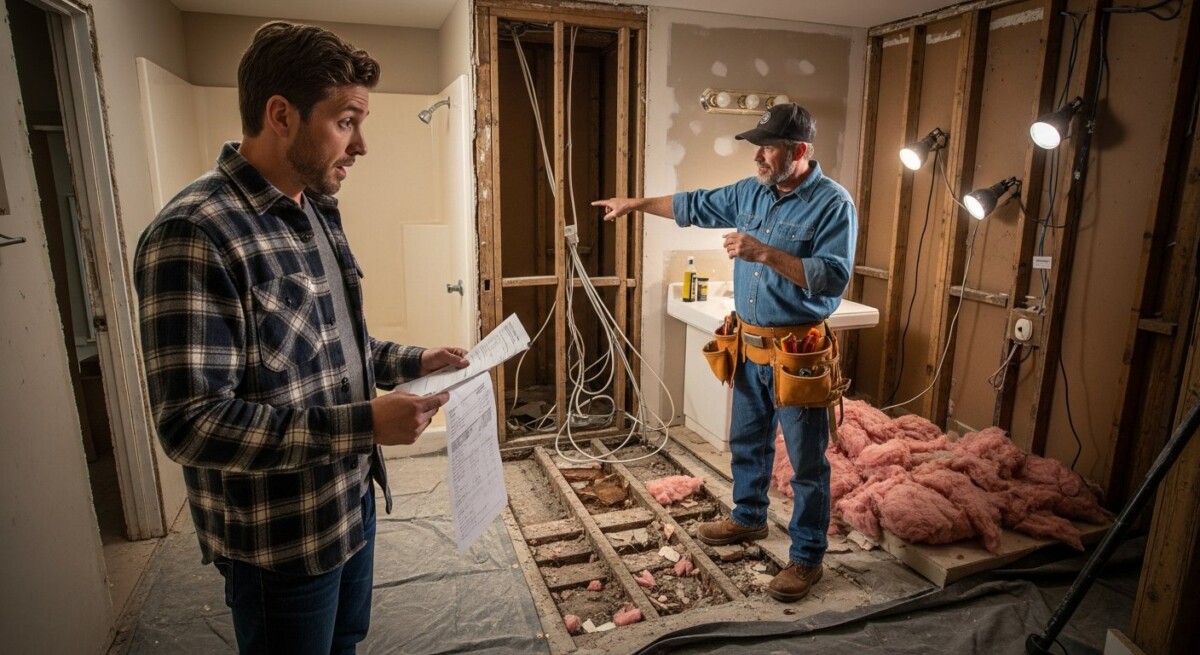
What Is an Itemized Contractor Estimate and Why It Matters

You’ve finally decided to remodel the kitchen or replace the old roof. The contractor hands you a single sheet of paper with one big number at the bottom. You stare at it and wonder: What exactly am I paying for? That feeling of uncertainty is common, and it’s exactly why understanding what is an itemized contractor estimate can save you money, stress, and future headaches. Without a detailed breakdown, you risk hidden fees, unexpected delays, and work that doesn’t match your expectations.
Understanding what is an itemized contractor estimate
Simply put, an itemized contractor estimate is a detailed document that lists every single cost associated with your home project. Instead of a lump sum, you’ll see separate line items for materials, labor, permits, cleanup, and any other expenses. Think of it like a grocery receipt that shows every item and its price, rather than just the total at the bottom.
This type of estimate happens because reputable contractors want to build trust. By showing you exactly where your money goes, they prove there are no hidden surprises. Homes that are older, have complex layouts, or require specialized materials benefit most from itemized estimates, but any project,from a bathroom renovation to a new driveway,deserves this level of transparency.
For homeowners who are comparing multiple bids, an itemized estimate is essential. It allows you to see why one contractor charges more than another. Perhaps one uses premium materials while another includes extra labor for difficult access. Without the breakdown, you’re comparing apples to oranges.
Why This Matters for Your Home
When you accept a vague estimate, you’re essentially signing a blank check. Without an itemized list, a contractor can add charges for “unforeseen issues” that were actually foreseeable. This can turn a $10,000 renovation into a $15,000 nightmare. More importantly, a lack of detail often means the contractor hasn’t fully thought through the project, which can lead to poor workmanship or safety risks.
Property damage is another real concern. If a contractor underestimates the amount of drywall or lumber needed, they might cut corners to stay within budget. Over time, those shortcuts can lead to leaks, cracks, or even structural failure. Your home’s value and your family’s safety are too important to leave to chance.
Delaying a project because you don’t understand the costs only makes things worse. Small issues like a leaky pipe or cracked foundation grow into expensive repairs. An itemized estimate gives you the clarity to move forward with confidence, or to walk away from a deal that doesn’t add up.
If you notice signs of this issue in your home, it may help to speak with a qualified contractor. Request a free quote or call to explore your repair or remodeling options.
Common Problems Homeowners Experience
Without an itemized estimate, homeowners often face unexpected costs. A contractor might say, “We’ll need extra for the foundation work,” after the project has already started. By then, you’re stuck,you can’t easily switch contractors mid-project, so you pay the extra fee. This is one of the most common complaints in home improvement.
Another frequent issue is miscommunication. You assume the estimate includes premium flooring, but the contractor used budget materials to keep the total low. When you object, they point to the fine print or say, “That wasn’t in the original quote.” An itemized estimate prevents this by listing the exact brand, model, and quantity of every material.
Here are some specific problems homeowners encounter when they don’t get an itemized estimate:
- Hidden fees for dumpster rental, permits, or travel time that were never discussed
- Inconsistent quality where different parts of the project use mismatched materials
- Scope creep where the contractor adds work without your approval
- Delays caused by underestimating labor hours or material availability
- Disputes over what was included versus what is considered an “extra”
- Budget overruns that force you to pause the project or take out a loan
How Professionals Solve the Problem
Experienced contractors know that transparency builds trust and leads to repeat business. That’s why they provide itemized estimates as a standard practice. They start by visiting your home, measuring the space, and identifying any potential challenges. Then they break down the project into phases and assign a cost to each one.
Here is the typical process a professional follows:
- On-site inspection to assess the current condition and identify hidden issues
- Material takeoff where they calculate exactly how much lumber, tile, paint, or other supplies are needed
- Labor estimate based on the number of workers and hours required for each task
- Permit and fee calculation so you know the total cost of approvals and inspections
- Cleanup and disposal included as a separate line item so nothing is forgotten
- Contingency allowance (usually 10,15%) for unexpected issues, clearly marked as optional
Professional work is almost always safer and more reliable than a DIY approach, especially for structural, electrical, or plumbing projects. A licensed contractor carries insurance and knows local building codes. If something goes wrong, you are protected. With a DIY fix, you bear all the risk and often end up spending more to fix mistakes.
A professional inspection can reveal hidden issues before they become expensive repairs. Compare contractor quotes here or call to discuss your project.
Warning Signs You Should Not Ignore
You don’t need to be a construction expert to spot problems. Certain warning signs suggest that a contractor’s estimate,or the project itself,needs closer attention. If you notice any of these, ask for an itemized breakdown before signing anything.
Early action can prevent a small issue from becoming a major expense. For example, a small crack in the foundation might cost $500 to repair now, but if ignored, it could lead to water damage and structural repairs costing $10,000 or more.
Here are warning signs that indicate you need an itemized estimate or a second opinion:
- Contractor refuses to provide a written estimate or gives only a verbal quote
- Single lump-sum number with no breakdown of materials or labor
- Pressure to sign immediately with threats that the price will go up tomorrow
- Large down payment requested (over 30% of the total) before work begins
- Vague descriptions like “standard materials” or “basic labor” without specifics
- Missing line items for permits, cleanup, or disposal that seem “not needed”
What Affects the Cost of Repairs or Installation
Every home project is unique, and several factors influence the final price. Understanding these helps you evaluate whether an estimate is fair. Size matters most: a 200-square-foot bathroom remodel costs more than a 50-square-foot powder room. Similarly, a full roof replacement is pricier than a simple patch job.
Materials also play a huge role. Solid hardwood flooring costs significantly more than laminate, and custom cabinetry is more expensive than stock options. An itemized estimate shows you exactly where you can save money by choosing different materials without sacrificing quality.
Other cost factors include the age of your home (older homes often have hidden issues like knob-and-tube wiring or asbestos), accessibility (a second-story bathroom is harder to work on than a ground-floor one), and local labor rates. In an itemized contractor estimate in Chicago, for example, you might see higher labor costs than in a rural area, but the breakdown will explain why.
Costs can vary depending on the condition of your home. The best way to know the price is to get a personalized estimate. Request free quotes from contractors or call today.
How to Choose the Right Contractor
Choosing a contractor is one of the most important decisions you’ll make for your home. Start by getting at least three quotes, and make sure each one is itemized. This allows you to compare apples to apples. If one contractor charges $2,000 for labor and another charges $3,000, ask why,the answer may reveal differences in experience or crew size.
Don’t automatically pick the lowest bid. A very low estimate might mean the contractor skipped important steps, like pulling permits or using cheap materials. Conversely, the highest bid isn’t always the best; it could simply mean the contractor is overbooked and doesn’t really want the job. Use the itemized breakdown to find the best value, not just the lowest price.
Here are tips for vetting contractors before you hire:
- Check licenses and insurance,ask for proof and verify with your state’s licensing board
- Read customer reviews on Google, Yelp, or the Better Business Bureau
- Ask for references from recent projects similar to yours
- Demand a detailed, itemized estimate in writing before any work begins
- Confirm experience with your specific type of project (e.g., historic homes, basements, etc.)
For more guidance on what to look for, read our article on essential documents for an accurate contractor estimate. It walks you through every line item you should expect to see.
Long-Term Benefits of Professional Work
When you hire a professional and start with an itemized estimate, you’re investing in more than just a repair. You’re buying peace of mind. Professional work is done to code, which means it will pass inspections and won’t cause problems when you sell your home. Buyers and appraisers look for permits and quality craftsmanship.
Durability is another major benefit. A professional installation of a new roof, for example, can last 20,30 years, while a DIY job might need repairs within five years. Energy efficiency also improves when work is done correctly,proper insulation, sealed windows, and efficient HVAC systems lower your monthly bills.
Finally, professional work increases your home’s resale value. According to real estate experts, a well-done kitchen remodel can return 60,80% of its cost at sale. An itemized estimate ensures you invest in the right upgrades and don’t waste money on unnecessary extras. If you’re planning a large project, check our guide to home addition contractor estimates for more insights.
What should an itemized contractor estimate include?
A thorough itemized estimate should list materials with brands and quantities, labor costs broken down by task, permit fees, cleanup charges, a timeline, and payment schedule. It should also include a contingency allowance for unexpected issues, though you can choose to waive it.
Is an itemized estimate legally binding?
An itemized estimate is not a contract, but it becomes part of the contract once you sign. Always make sure the final contract matches the estimate. If the contractor tries to charge more than the estimate without a valid reason, you have grounds to dispute it.
How long is an itemized estimate valid?
Most estimates are valid for 30 to 90 days. Material prices can change, so contractors need to protect themselves. If you wait too long, they may need to reissue the estimate with updated prices. Ask about the validity period when you receive the estimate.
Can I request an itemized estimate after getting a lump-sum quote?
Absolutely. Any reputable contractor should be willing to provide a breakdown. If they refuse, consider that a red flag. You have the right to know what you’re paying for, and a professional will respect that.
What’s the difference between an estimate and a quote?
An estimate is an approximation of costs, while a quote is a fixed price. A quote is more binding. Some contractors use the terms interchangeably, but always ask: “Is this price guaranteed, or could it change?” An itemized estimate can help you negotiate a firm quote.
How do I compare two itemized estimates?
Look at each line item side by side. Note differences in material brands, labor hours, and whether permits are included. If one estimate is significantly lower, ask why. It might be missing a critical item. Use our guide to accurate estimates for a checklist.
Do I need an itemized estimate for small projects?
Even for small jobs like painting a room or fixing a fence, an itemized estimate helps avoid misunderstandings. It confirms the scope of work and prevents the contractor from charging extra for paint or cleanup. Small projects can still have hidden costs.
Can an itemized estimate save me money?
Yes. By seeing exactly where your money goes, you can make informed decisions,like supplying your own materials or opting for a lower-cost alternative. You can also spot unnecessary charges and negotiate them before work begins.
An itemized contractor estimate is your best tool for a successful home project. It protects your budget, ensures quality, and gives you confidence. Don’t settle for a vague number. Request detailed estimates from multiple contractors, compare them carefully, and choose the professional who earns your trust. Your home deserves nothing less.