Fixed Price vs Variable Contract: What Homeowners Must Know
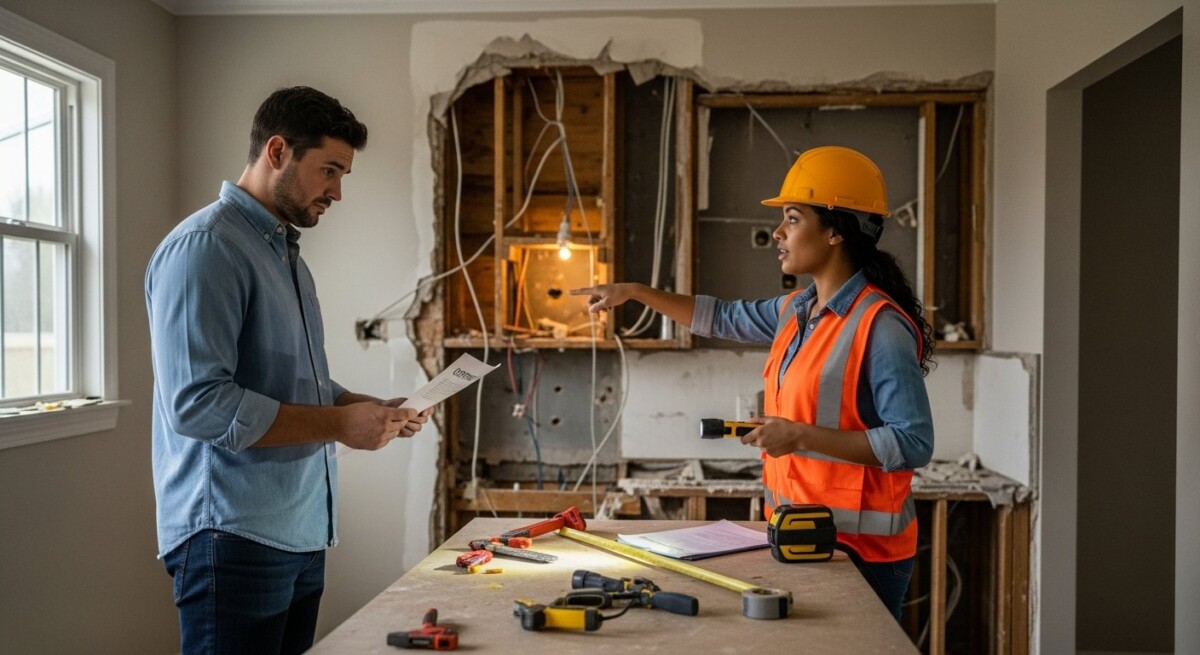
You finally decided to remodel your kitchen. The contractor you spoke with gave you a price that sounded fair. But two weeks into the project, the crew uncovered old wiring and water damage behind the walls. Suddenly, the price goes up. Now you are stuck wondering: Was this avoidable? That is the moment many homeowners discover the difference between a fixed price vs variable contract,and why choosing the wrong one can drain your budget.
This situation happens more often than you might think. Homeowners discover the issue when unexpected costs appear on an invoice or when a contractor asks for more money to finish the job. What starts as a simple renovation can turn into a financial headache. Understanding the difference between a fixed price vs variable contract helps you protect your home and your wallet before you sign anything.
In our guide on Fixed Price vs Variable Contract: What Homeowners Must Know, we explain how these two pricing models work and which one fits your project.
Understanding What Is Fixed Price vs Variable Contract
A fixed-price contract means you agree to pay one set amount for the entire project. The contractor takes on the risk of any cost overruns. If materials cost more than expected or the job takes longer, you still pay the same price. This model works well for projects with clear scopes, like installing new flooring or replacing windows.
A variable contract (also called time-and-materials or cost-plus) charges you for actual materials plus labor hours. You pay for what the contractor uses and how long the work takes. This model is common for projects where the full extent of the work is unknown, such as roof repairs after storm damage or foundation work. Understanding the difference helps you choose the right approach for your situation.
Most homes can benefit from either model depending on the project type. Fixed-price contracts are ideal for defined renovations like bathroom remodels. Variable contracts suit emergency repairs or projects where hidden issues are likely, such as old-home rewiring or sewer line replacement.
Why This Matters for Your Home
Choosing the wrong contract type can lead to budget overruns, unfinished work, or disputes with your contractor. A fixed-price contract gives you predictability but may include a higher upfront price to cover the contractor’s risk. A variable contract may start lower but can spike if unexpected problems arise.
Safety and property protection are also at stake. With a variable contract, a contractor might rush through work to keep labor costs low, or they might drag the job out to earn more hours. A fixed-price contract shifts the incentive toward efficiency, but the contractor may cut corners to protect their profit margin. Understanding these trade-offs helps you ask the right questions before hiring.
Delaying repairs or choosing the wrong contract can increase your costs significantly. A small leak that could have been fixed for $500 under a fixed-price contract might turn into a $5,000 mold remediation under a variable contract. Knowing what is fixed price vs variable contract helps you avoid these costly surprises.
If you notice signs of this issue in your home, it may help to speak with a qualified contractor. Request a free quote or call to explore your repair or remodeling options.
Common Problems Homeowners Experience
Homeowners often encounter problems when they do not clearly understand their contract. A contractor might propose a variable contract for a project that should have been fixed price, leaving you exposed to cost overruns. Or you might choose a fixed-price contract for a job with too many unknowns, causing the contractor to add change orders that inflate the final bill.
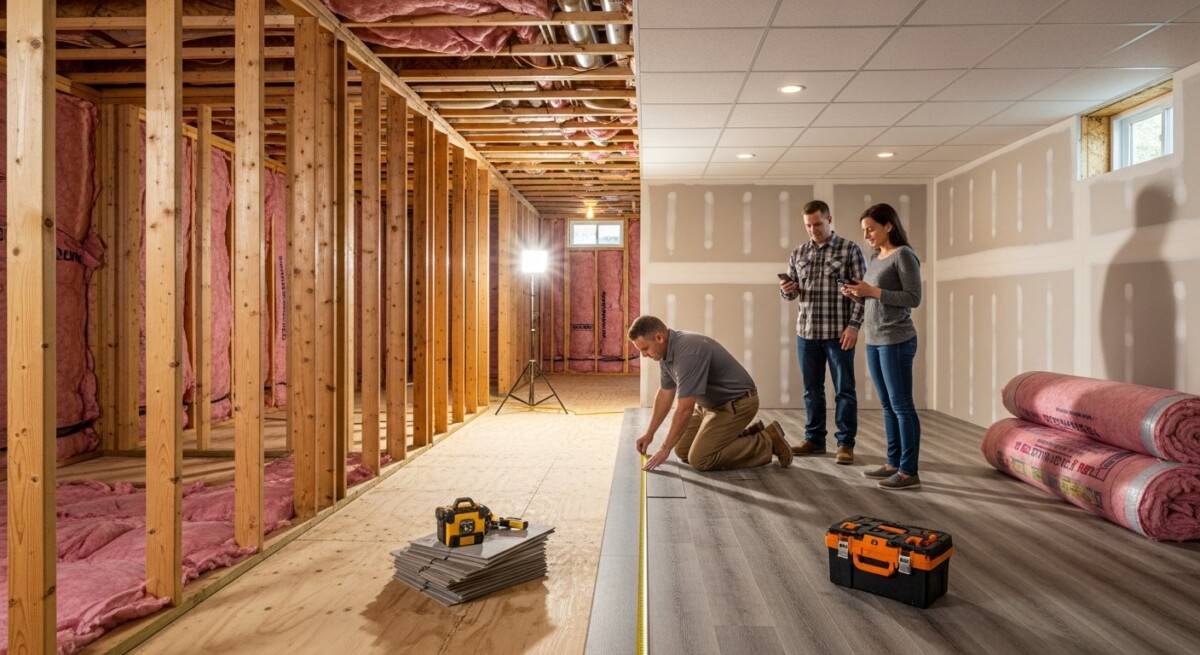
These issues appear in real homes every day. A homeowner agrees to a variable contract for a roof replacement, only to discover that the crew works slowly and charges for every hour. Another homeowner signs a fixed-price contract for a basement finish, but the contractor excludes key items like permits and disposal fees, leading to surprise charges later.
- Unexpected cost increases mid-project
- Disputes over what was included in the original price
- Poor quality work because the contractor tried to save money
- Delays caused by disagreements over change orders
- Hidden fees for permits, disposal, or cleanup
- Difficulty getting the contractor to return for follow-up work
How Professionals Solve the Problem
Experienced contractors help homeowners choose the right contract type for each project. They start by assessing the scope of work and identifying potential unknowns. For a straightforward project like a bathroom vanity installation, they recommend a fixed-price contract. For a complex job like a whole-house rewire, they may suggest a variable contract with a not-to-exceed cap.
Professional contractors also provide detailed written estimates that clearly state what is included and what is not. They explain the pricing model in plain language and answer your questions before you sign. This transparency helps you avoid surprises and builds trust from the start.
- Initial inspection and scope definition
- Discussion of fixed-price vs variable contract options
- Written estimate with clear inclusions and exclusions
- Signed agreement with payment schedule
- Project execution with regular updates
- Final inspection and punch list completion
Professional work is safer and more reliable than DIY fixes because contractors carry insurance, follow building codes, and have experience handling unexpected issues. They also have established relationships with suppliers, which can save you money on materials.
A professional inspection can reveal hidden issues before they become expensive repairs. Compare contractor quotes here or call to discuss your project.
Warning Signs You Should Not Ignore
Recognizing early warning signs helps you address contract issues before they escalate. If a contractor is vague about pricing or refuses to put the agreement in writing, that is a red flag. Similarly, if they push for a variable contract on a simple project, ask why.
Pay attention to your gut feeling. If something feels off about the pricing discussion, get a second opinion. Many homeowners regret ignoring early signs because they end up paying more or dealing with unfinished work.
- Contractor cannot give a clear price or timeline
- Estimate lacks detail about materials or labor
- Contractor insists on a variable contract without explaining why
- You are pressured to sign without time to review
- Contract excludes common items like permits or cleanup
- Verbal promises are not written into the contract
What Affects the Cost of Repairs or Installation
Several factors influence the final cost of your home improvement project. The size and complexity of the job play the biggest role. A small bathroom remodel costs less than a full kitchen renovation, regardless of the contract type. Materials also matter,custom cabinetry costs more than stock options, and premium flooring adds to the price.
Labor requirements vary by trade and location. Electricians and plumbers typically charge higher rates than general laborers. Accessibility also affects cost; a roof with a steep slope or a crawl space with limited access takes more time and effort. Older homes often require more labor because they may have outdated systems or non-standard construction.
Understanding these factors helps you compare quotes more effectively. A fixed-price contract may seem higher initially, but it protects you from cost overruns. A variable contract might save money if the job goes smoothly, but it carries more risk if complications arise.
Costs can vary depending on the condition of your home. The best way to know the price is to get a personalized estimate. Request free quotes from contractors or call today.
How to Choose the Right Contractor
Selecting a contractor is one of the most important decisions you will make for your home. Start by asking for recommendations from neighbors or friends who have had similar work done. Online reviews also provide insight into a contractor’s reliability and communication style.
Always verify that the contractor is licensed and insured. A licensed contractor has met state requirements for knowledge and experience. Insurance protects you if a worker gets injured on your property or if damage occurs during the project.
- Check licenses and insurance before scheduling an estimate
- Read online reviews on multiple platforms
- Ask for a detailed written estimate that includes contract type
- Compare at least three quotes to understand pricing
- Confirm the contractor has experience with your specific project type
Long-Term Benefits of Professional Work
Investing in professional work pays off over time. A properly installed roof or well-finished basement adds value to your home and reduces the likelihood of future repairs. Professional contractors stand behind their work with warranties, giving you peace of mind.
Energy efficiency is another long-term benefit. A contractor who installs windows, insulation, or HVAC equipment correctly can lower your utility bills. Professional work also improves safety by ensuring that electrical, plumbing, and structural systems meet current codes.
When you choose the right contract type and a qualified contractor, you protect your investment and avoid the stress of budget surprises. The upfront effort of comparing quotes and understanding contract terms saves you money and frustration down the road.
What is the difference between fixed price and variable contract?
A fixed-price contract charges one set amount for the entire project, regardless of actual costs or time. A variable contract charges based on the actual materials used and hours worked. Fixed-price contracts offer predictability, while variable contracts provide flexibility for projects with unknown variables.
Which is better for homeowners: fixed price or variable contract?
There is no single best option for everyone. Fixed-price contracts are better for defined projects with clear scopes, like bathroom remodels or window replacements. Variable contracts work better for emergency repairs or projects where hidden issues are likely, such as foundation work or roof repairs after storm damage.
Can a contractor switch from fixed price to variable mid-project?
Only if you agree to a change order in writing. A contractor cannot unilaterally change the contract type. If they try to switch mid-project, request a written explanation and compare it to your original agreement. If the change seems unfair, get a second opinion before signing.
What should I look for in a fixed-price contract?
Look for a detailed scope of work that lists every item included, such as materials, labor, permits, disposal, and cleanup. The contract should also specify payment schedule, timeline, and warranty terms. Avoid contracts that use vague language like “standard materials” or “as needed.”
What are the risks of a variable contract?
The main risk is cost uncertainty. If the project takes longer than expected or requires more materials, your final bill can exceed the initial estimate. Variable contracts also create a potential conflict of interest,the contractor may be incentivized to work slowly to earn more hours.
How can I protect myself with a variable contract?
Set a not-to-exceed cap in the contract. This limits your maximum liability and forces the contractor to manage costs within that ceiling. Also require daily or weekly time sheets and material receipts so you can track spending. Ask for regular updates on how the actual costs compare to the original estimate.
Do fixed-price contracts include change orders?
Yes, but only for work that was not included in the original scope. If you decide to add a new feature or upgrade materials, the contractor will issue a change order with a price adjustment. Always get change orders in writing before the extra work begins.
Should I get multiple quotes for my project?
Yes. Getting at least three quotes allows you to compare pricing, contract types, and contractor experience. It also gives you leverage to negotiate. Use a platform like FreeQuotes.Contractors to receive quotes from pre-vetted local contractors quickly and easily.
Understanding what is fixed price vs variable contract gives you the confidence to make smart decisions for your home. Take the time to compare contractor quotes and ask questions before you sign. A little research now can save you thousands of dollars and a lot of stress later. Compare quotes from local contractors or call to get started.