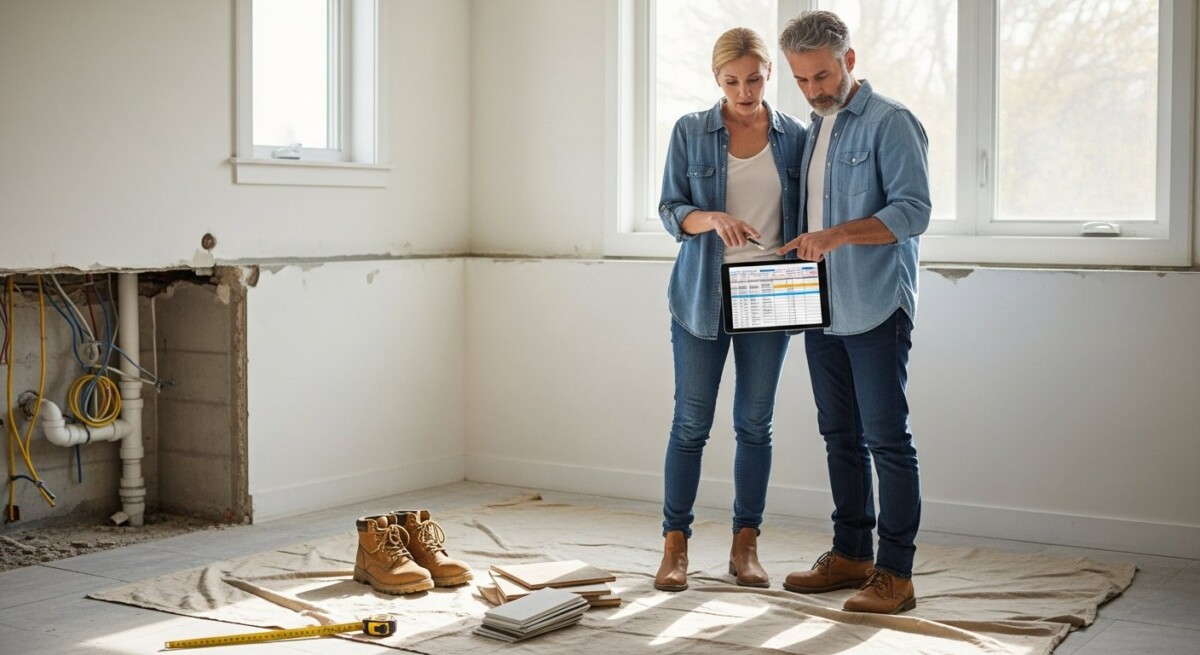
How To Compare Contractor Estimates Like a Pro
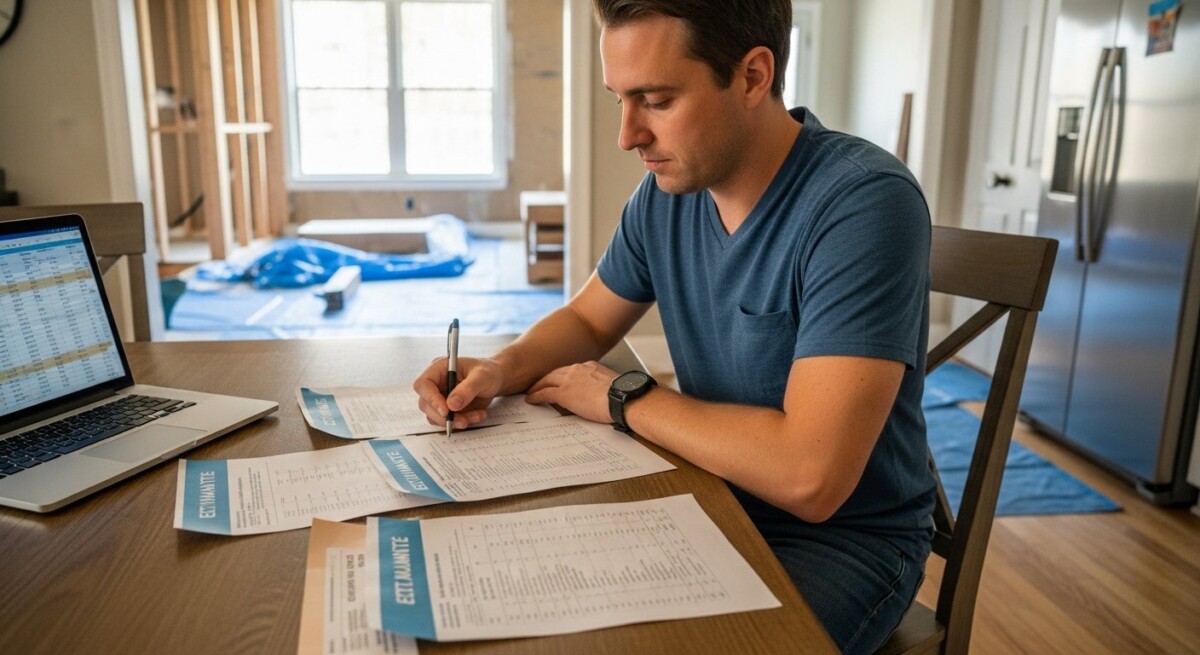
You finally decided to remodel the bathroom or replace the old roof. You invited three contractors to walk through your home. Now you’re staring at three very different contractor estimates, and none of them look alike. One price is low, one is high, and the third falls somewhere in the middle. The scope of work is described differently on each page. You might feel confused, suspicious, or tempted to pick the cheapest option just to move forward. This is a common situation for homeowners, and learning how to compare contractor estimates correctly can save you thousands of dollars and prevent major headaches down the road. Rushing this step or ignoring the details often leads to budget overruns, unfinished work, or costly repairs later.
Understanding How To Compare Contractor Estimates
A contractor estimate is a written document that outlines the expected cost of a home improvement project. It includes labor, materials, permits, and sometimes a timeline. Comparing estimates isn’t about picking the lowest number. It’s about understanding what each contractor includes and excludes so you can make an informed decision.
Estimates vary because contractors have different overhead costs, material suppliers, and profit margins. Some contractors include every small detail, while others write a vague summary. Older homes often receive higher estimates because hidden issues like outdated wiring or rotten wood are more likely to appear once work begins. The goal of comparing estimates is to find a contractor who offers fair pricing, clear communication, and a thorough plan for your specific project.
Why This Matters for Your Home
Choosing the wrong contractor based on a poorly understood estimate can lead to serious problems. Work may be delayed, materials may be substandard, or the final result might not meet building codes. These issues can reduce your home’s value and create safety hazards for your family.
Delaying a decision because the estimates are confusing also carries risk. Small problems like a leaky pipe or cracked foundation can worsen over time, turning a $1,000 repair into a $10,000 emergency. Learning how to compare contractor estimates helps you act quickly and confidently. It protects your property and your peace of mind. In our guide on how to review contractor estimates, we explain exactly what to look for in each line item.
If you notice signs of this issue in your home, it may help to speak with a qualified contractor. Request a free quote or call to explore your repair or remodeling options.
Common Problems Homeowners Experience
Many homeowners share the same frustrations when comparing bids. One estimate might list premium materials while another uses generic terms like “standard grade.” You might find that one contractor includes dumpster fees and permits, while another expects you to handle those separately. These differences make direct price comparisons nearly impossible.
Another frequent issue is the “lowball” estimate. A contractor offers a price that seems too good to be true. Later, they find “unexpected” problems and charge change orders that drive the final bill far above the original quote. Homeowners who do not compare estimates carefully often end up paying more than they would have with a higher, but honest, initial bid.
- Vague descriptions like “install flooring” without specifying material type or brand
- Missing line items for permits, disposal fees, or cleanup
- Different payment schedules that affect your cash flow
- Warranty terms that vary widely between contractors
- Exclusions for things like moving furniture or protecting landscaping
- Unrealistic timelines that suggest the job will be done faster than is reasonable
How Professionals Solve the Problem
Experienced contractors know that clear estimates build trust. They break down costs into categories like materials, labor, permits, and overhead. A professional will visit your home in person, take measurements, and ask about your goals before writing an estimate. They do not rely on generic price lists or phone quotes.
The typical process for a professional contractor follows these steps:
- On-site inspection , The contractor examines the area and identifies any existing damage or potential challenges.
- Detailed scope of work , They write exactly what will be done, including materials, finishes, and preparation work.
- Transparent pricing , Each cost is listed separately so you can see where your money goes.
- Timeline and payment schedule , They provide a realistic start date, completion date, and milestone payments.
- Warranty information , The estimate includes both manufacturer warranties and the contractor’s workmanship guarantee.
Professional work is almost always safer and more reliable than a DIY attempt or hiring an unlicensed handyman. Licensed contractors carry insurance, pull permits, and follow building codes. This protects you from liability if someone gets injured on your property or if the work fails inspection. For more details on what a professional bid should include, check out our article on understanding contractor estimates for homeowners.
A professional inspection can reveal hidden issues before they become expensive repairs. Compare contractor quotes here or call to discuss your project.
Warning Signs You Should Not Ignore
Some warning signs are easy to spot if you know what to look for. A contractor who pressures you to sign immediately or demands a large cash deposit before work begins is a red flag. Estimates that are handwritten on a notepad or emailed without a company letterhead should also make you pause.
Ignoring these signs can lead to unfinished projects, legal disputes, or shoddy work that fails inspection. Taking a few extra days to compare estimates carefully can prevent years of regret.
- The estimate is significantly lower than all others without a clear reason
- The contractor refuses to provide references or proof of insurance
- The scope of work is vague, using phrases like “as needed” or “standard installation”
- There is no mention of permits or inspection requirements
- The payment schedule asks for more than 10% upfront or full payment before completion
- The contractor insists on starting immediately without a signed contract
What Affects the Cost of Repairs or Installation
The price of any home project depends on several factors. The size of the area being repaired or remodeled directly affects material and labor costs. A small bathroom renovation costs less than a full kitchen remodel, but both require skilled tradespeople. The type of materials you choose,such as luxury tile versus basic laminate,also changes the total.
Labor rates vary by region and by the complexity of the job. Projects that require specialized skills, like structural framing or custom cabinetry, cost more. Accessibility matters too. A roof repair on a steep, multi-story house is more expensive than the same repair on a single-story home with a low pitch. Older homes often have hidden issues like asbestos, lead paint, or outdated plumbing that add to the cost once discovered.
Costs can vary depending on the condition of your home. The best way to know the price is to get a personalized estimate. Request free quotes from contractors or call today.
How To Choose the Right Contractor
Once you have collected three or four estimates, it’s time to evaluate the contractors themselves. Price matters, but it should not be the only factor. Look for a contractor who communicates clearly, answers your questions, and provides a detailed contract. A good contractor wants you to understand the process and feel comfortable before work begins.
Trust your instincts. If a contractor makes you feel rushed or dismissed, move on to the next candidate. The right contractor will respect your home, your time, and your budget. You can learn more about evaluating bids in our resource on understanding contractor estimates for your home renovation.
- Verify the contractor’s license with your state or local licensing board
- Ask for proof of general liability insurance and workers’ compensation
- Read online reviews on platforms like Google, Yelp, or the Better Business Bureau
- Request at least three references from recent similar projects and call them
- Compare the total cost, but also compare the scope, materials, and warranty terms
Long-Term Benefits of Professional Work
Hiring a professional contractor who provided a clear, fair estimate pays off for years. The work is done correctly the first time, which means fewer repairs and less maintenance. Quality materials and proper installation improve your home’s energy efficiency, lowering utility bills.
Professional work also increases your home’s resale value. When it comes time to sell, a documented renovation with permits and warranties is a strong selling point. Buyers trust homes that have been updated by licensed professionals. Most importantly, you gain peace of mind knowing your family is safe and your investment is protected.
What should I look for when comparing contractor estimates?
Look for a detailed scope of work, itemized pricing for materials and labor, a clear timeline, payment schedule, and warranty information. Avoid vague terms and always compare the same line items across each estimate.
Why are contractor estimates so different from each other?
Contractors have different overhead costs, profit margins, and relationships with suppliers. Some include all potential expenses upfront, while others add change orders later. Differences in the quality of materials and labor also affect pricing.
Should I always choose the lowest estimate?
No. The lowest estimate may exclude important work, use cheaper materials, or indicate an inexperienced contractor. Compare the scope, not just the price. A mid-range estimate from a reputable contractor is often the best value.
How many contractor estimates should I get?
Three to four estimates is standard for most home improvement projects. This gives you enough data to spot outliers and make an informed decision without overwhelming yourself.
What is the difference between a quote and an estimate?
An estimate is an approximate cost that can change if unexpected issues arise. A quote (or fixed-price bid) is a guaranteed price for the specified work. Always ask whether the price is fixed or subject to change.
Can I negotiate with a contractor on the estimate?
Yes, but focus on the scope rather than just the price. Ask if you can reduce costs by choosing different materials or completing some prep work yourself. Reputable contractors will explain where savings are possible.
What should I do if a contractor refuses to provide a written estimate?
Move on to another contractor. A written estimate is essential for protecting both parties. Verbal agreements lead to misunderstandings and disputes.
Do contractor estimates include permits and inspections?
They should. A professional contractor will include permit fees and schedule required inspections in the estimate. If permits are not mentioned, ask explicitly. Skipping permits can cause problems when you sell your home.
Comparing contractor estimates is one of the most important steps in any home improvement project. It helps you avoid overpaying, prevents surprises, and ensures you hire someone trustworthy. Take your time, ask questions, and never rush the decision. The best way to start is by collecting multiple quotes from qualified professionals. Request free contractor quotes or call to compare your options today.