Average Roofing Project Cost: What Homeowners Should Expect
You step into your living room after a heavy rain and notice a dark stain creeping across the ceiling. Or maybe you spot a few missing shingles after a windy storm. Moments like these make any homeowner wonder: How much is this going to cost? The average roofing project cost can feel like a mystery, but understanding it is the first step toward protecting your home. Ignoring small issues,like a leaky flash or a curled shingle,can turn a manageable repair into a full roof replacement that costs thousands more. This guide breaks down what you need to know about roofing costs, so you can plan with confidence and avoid surprises.
Understanding Average Roofing Project Cost
The average roofing project cost varies widely depending on your home’s size, the materials you choose, and the extent of damage. For a typical single-family home in the United States, a full roof replacement ranges from $5,000 to $15,000, while minor repairs might cost $300 to $1,500. These numbers are only averages,your actual cost depends on factors like roof pitch, accessibility, and local labor rates.
Costs also shift with material choice. Asphalt shingles are the most affordable option, while metal, tile, or slate can double or triple the price. Labor typically makes up 60% of the total cost, and emergency repairs often carry a premium. Homes with complex roof designs (multiple valleys, skylights, or steep slopes) usually fall on the higher end of the price range.
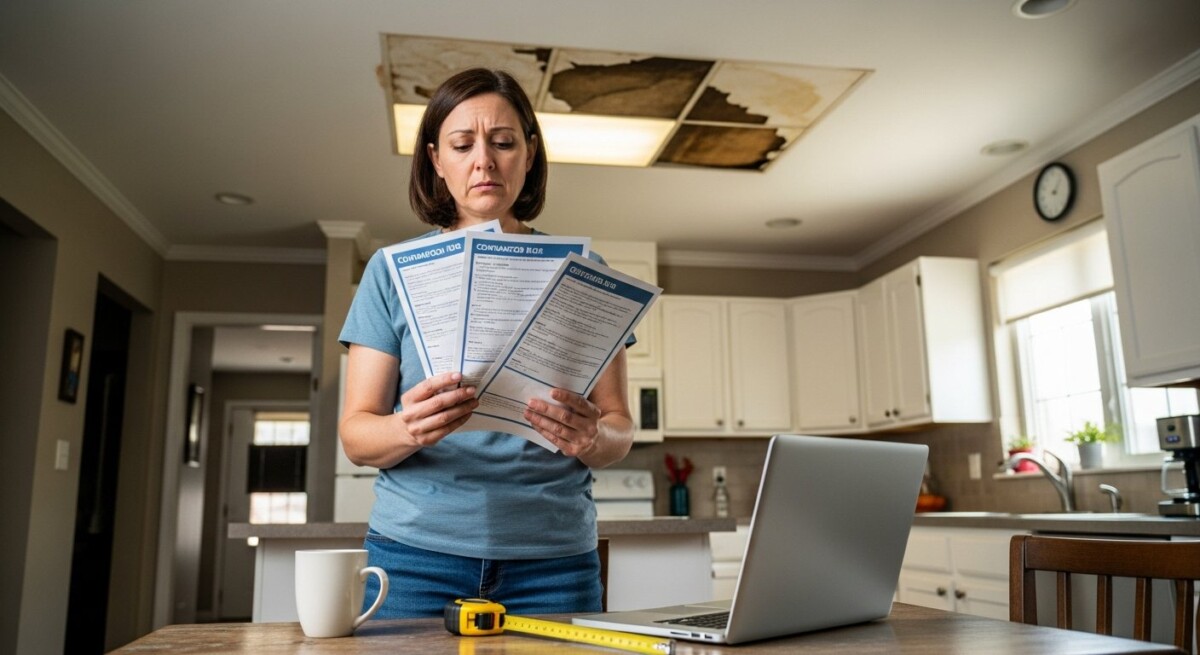
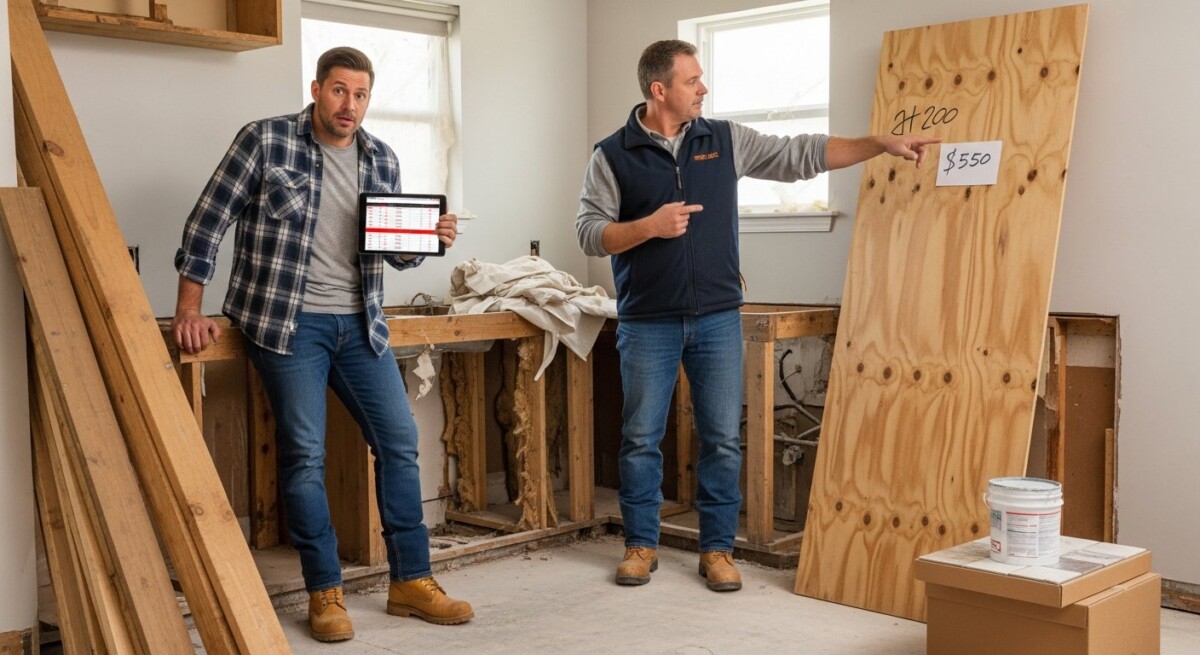
Understanding these variables helps you compare quotes fairly. As we discuss in our guide on average roofing project cost, getting multiple estimates ensures you pay a fair price for quality work.
Why This Matters for Your Home
Your roof is your home’s first line of defense against weather, pests, and temperature extremes. When it fails, water seeps into walls, insulation, and electrical systems, leading to mold, rot, and even structural damage. A small leak can quickly become a $5,000 interior repair bill if left unchecked.
Safety is another concern. Loose shingles or damaged flashing can fall and injure someone, or create entry points for animals. Additionally, an aging roof reduces energy efficiency,heat escapes in winter and cool air leaks out in summer, raising your utility bills. Over time, these hidden costs add up.
Perhaps most importantly, your roof affects your home’s resale value. A well-maintained roof signals that the property is cared for, while a worn one can scare off buyers or lower your asking price. Investing in timely repairs or replacement protects both your family and your financial future.
If you notice signs of this issue in your home, it may help to speak with a qualified contractor. Request a free quote or call to explore your repair or remodeling options.
Common Problems Homeowners Experience
Roofing problems don’t always announce themselves with a dramatic leak. Many issues develop slowly, and homeowners only notice them during heavy rain or after a storm. By then, water may have already damaged the attic or interior walls.
Common roofing problems include:
- Missing, cracked, or curled shingles
- Leaks around chimneys, vents, or skylights
- Granules from asphalt shingles collecting in gutters
- Visible sagging or dips in the roofline
- Mold, moss, or algae growth on shingles
- Daylight visible through the roof boards from the attic
These signs often indicate that the roof is nearing the end of its lifespan (typically 20,30 years for asphalt shingles). Ignoring them can lead to water damage, pest infestations, and even electrical hazards if water reaches wiring.
How Professionals Solve the Problem
Experienced contractors follow a systematic process to diagnose and fix roofing issues. First, they perform a thorough inspection,inside the attic and on the roof surface,to identify the root cause of the problem. Then, they provide a detailed estimate outlining the work needed and the materials required.
A typical professional repair or replacement process includes:
- Inspection and assessment , Identifying damage and measuring the roof.
- Permit acquisition , Ensuring all work meets local building codes.
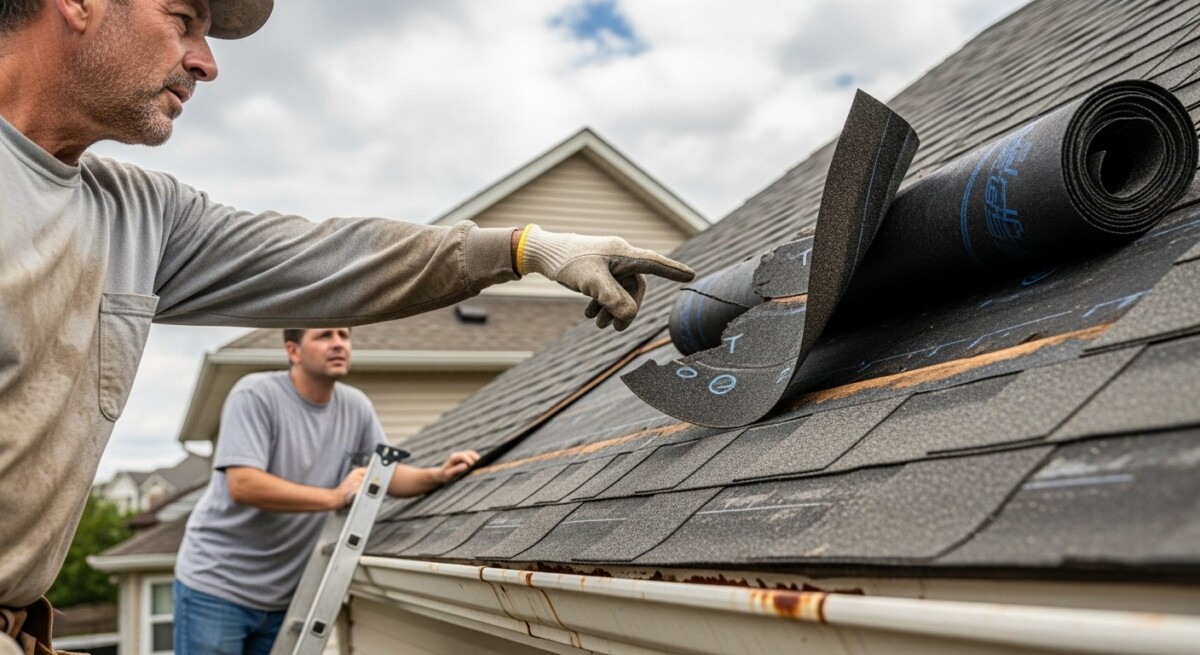
- Material removal , Stripping old shingles and underlayment (for full replacements).
- Underlayment and flashing installation , Creating a watertight base.
- New shingles or roofing material , Installing the visible layer.
- Cleanup and final inspection , Removing debris and verifying quality.
Professional work is safer and more reliable than DIY attempts. Roofing involves working at heights, handling heavy materials, and understanding complex flashing details,tasks best left to trained crews who carry insurance and warranties. A botched DIY job can void your home insurance and end up costing more to fix.
A professional inspection can reveal hidden issues before they become expensive repairs. Compare contractor quotes here or call to discuss your project.
Warning Signs You Should Not Ignore
Your roof gives off signals when it needs attention. Catching these early can save you thousands of dollars and prevent emergency situations. Don’t wait for a leak to stain your ceiling,be proactive.
Look out for these warning signs:
- Water stains or discoloration on ceilings or walls
- Peeling paint or wallpaper near the roofline
- Higher-than-normal energy bills (indicating poor insulation or ventilation)
- Musty odors in the attic or upper floors
- Shingles that feel brittle, loose, or buckle when touched
- Granules in your gutters (a sign that shingles are deteriorating)
If you spot any of these, schedule a professional inspection as soon as possible. Roof damage rarely improves on its own,it only worsens with each rainstorm and freeze-thaw cycle. Early action often means a simple repair rather than a full replacement.
What Affects the Cost of Repairs or Installation
Several factors influence the final price of a roofing project. Understanding them helps you evaluate quotes and budget realistically. The biggest cost drivers include:
Roof size and complexity. Larger roofs require more materials and labor. A steep pitch or multiple peaks also increases safety risks and slows work, raising costs. Material choice is another major factor,asphalt shingles are the most budget-friendly, while metal, tile, or slate can be two to three times more expensive. Location matters too: labor rates vary by region, and permits or HOA restrictions may add fees.
Accessibility plays a role. If your roof is hard to reach (e.g., multi-story home, narrow driveway for debris removal), contractors may charge more. Age of the home can also affect cost,older homes may require structural repairs or custom flashing that newer homes don’t need.
Finally, the extent of damage determines whether you need a patch, a partial replacement, or a full tear-off. A single leak might cost $500 to fix, but widespread rot or storm damage can push the project into the five-figure range.
Costs can vary depending on the condition of your home. The best way to know the price is to get a personalized estimate. Request free quotes from contractors or call today.
How to Choose the Right Contractor
Selecting a reliable roofer is just as important as choosing quality materials. A bad contractor can leave you with shoddy work, unfinished projects, or unexpected costs. Take time to vet your options before signing a contract.
Here are practical tips for choosing a contractor:
- Verify licenses and insurance. Ask for proof of liability insurance and workers’ compensation. This protects you if someone gets hurt on your property.
- Read online reviews. Check Google, Yelp, and the Better Business Bureau for recent feedback. Look for patterns,multiple complaints about poor communication or leaks are red flags.
- Ask for a detailed written estimate. A good contractor breaks down materials, labor, permits, and cleanup costs. Avoid quotes that are vague or significantly lower than others.
- Compare at least three quotes. This gives you a sense of the market rate and helps you spot outliers. Don’t automatically choose the lowest bid,it may reflect lower quality.
- Confirm experience with your roof type. If you have slate, metal, or flat roofing, look for a contractor who specializes in that material.
Trust your instincts. A contractor who pressures you to sign immediately or asks for full payment upfront is a warning sign. Good professionals are happy to answer questions and provide references.
Long-Term Benefits of Professional Work
Investing in professional roofing work pays off for years. A properly installed roof lasts longer, performs better, and requires fewer repairs over its lifetime. Quality materials and correct installation also improve your home’s energy efficiency, which lowers monthly utility bills.
Safety is a major advantage. Professional crews follow OSHA guidelines, use proper safety gear, and carry insurance. You avoid the risk of falls, electrical shocks, or damaging the roof further with improper techniques. Plus, most contractors offer warranties on both materials and labor, giving you peace of mind.
Finally, a new or well-maintained roof boosts your home’s curb appeal and resale value. According to real estate experts, a roof replacement can recoup 60,70% of its cost in increased home value. That makes it one of the most cost-effective home improvements you can make.
How much does a new roof cost for a 1,500-square-foot home?
For a 1,500-square-foot home, a full roof replacement typically costs between $5,000 and $10,000 with asphalt shingles. Metal roofs can range from $12,000 to $18,000. These estimates include labor, materials, underlayment, and cleanup. Get multiple quotes for an accurate figure.
What is the average roofing project cost per square foot?
The average roofing project cost per square foot is $3.50 to $6.00 for asphalt shingles, including installation. Metal roofing runs $8 to $15 per square foot, while tile or slate can exceed $20 per square foot. Prices vary by region and roof complexity.
Does homeowners insurance cover roof replacement?
Homeowners insurance typically covers roof replacement if the damage is caused by a covered peril like hail, wind, or fire. However, normal wear and tear or lack of maintenance is usually not covered. Check your policy and speak with your agent to understand your deductible and coverage limits.
Should I repair or replace my roof?
Repair is best for localized damage on a roof that is otherwise in good condition (less than 10,15 years old). Replacement is recommended if the roof is nearing its lifespan, has widespread damage, or you’ve had multiple repairs in recent years. A professional inspection can help you decide.
How long does a roof replacement take?
A typical roof replacement takes 1 to 3 days for a standard asphalt shingle roof on a single-family home. Complex roofs, larger homes, or those requiring structural repairs may take 4 to 7 days. Weather can also cause delays.
Can I finance a roof replacement?
Yes, many contractors offer financing options, such as monthly payment plans or partnerships with lenders. You can also use home equity loans, personal loans, or credit cards. Compare interest rates and terms before choosing a financing method.
What is the cheapest roofing material?
Asphalt shingles are the most affordable roofing material, with costs starting around $1.50 per square foot for materials alone. They are also widely available and easy to install, which keeps labor costs lower. However, they have a shorter lifespan (20,30 years) than metal or tile.
How often should I inspect my roof?
Inspect your roof at least twice a year,once in spring and once in fall,and after major storms. Look for missing shingles, debris, and signs of leaks in the attic. Professional inspections every 3,5 years can catch issues you might miss.
Roofing costs can feel overwhelming, but understanding the average roofing project cost helps you plan and avoid financial surprises. The key is to act early,don’t wait for a small leak to become a major problem. Compare quotes from multiple contractors to find the right balance of quality and price. Your home will thank you for years to come.