
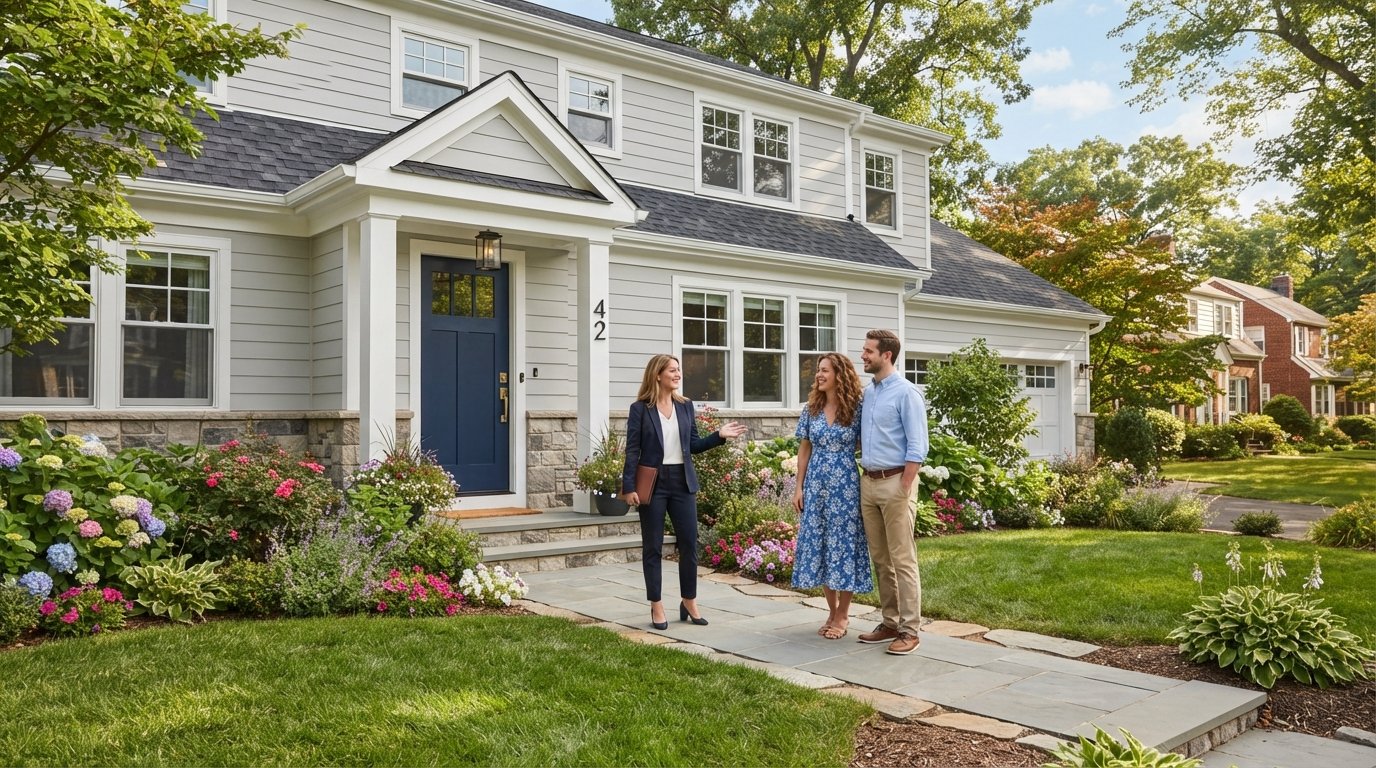
Curb Appeal Projects With the Best Return on Investment
Boost resale value with curb appeal projects with the best return on investment. Call (833)-211-1668 for free quotes from independent local providers.

Learn more about Home Remodeling for guides, costs, and what to expect.
Compare Home Remodeling Pros Near You

Enter your ZIP code to compare independent local professionals and request free quotes.
When you pull up to a house, the first impression forms before you even step out of the car. That split-second judgment shapes how buyers, appraisers, and even neighbors value a property. For sellers, that means exterior upgrades are not just about looking nice; they are about protecting and growing the biggest asset most households own. The right curb appeal projects with the best return on investment can turn a modest exterior into a strong selling point, often for far less than a full interior remodel. But not all improvements pay off equally. Some projects return more than 100 percent of their cost at resale, while others add beauty but little financial recovery. Understanding which exterior updates deliver the strongest bang for your buck helps you spend wisely, whether you are listing next month or planning ahead for next year.
This guide ranks the exterior projects that consistently deliver strong returns, explains how to choose between quick refreshes and larger remodels, and shows how to sequence work so your home shows at its best. Along the way, you will see how comparing quotes from independent local providers can keep costs in check and help you capture more of your investment back when you sell.
Why Curb Appeal Projects With the Best Return on Investment Matter
Real estate professionals often talk about the three-second rule: buyers decide whether they like a home within seconds of seeing it from the street. That first impression influences how they interpret everything else, from the condition of the roof to the quality of the interior. A well-maintained exterior signals pride of ownership and reduces the perception of risk. A tired facade, overgrown yard, or dated front door can make buyers expect problems inside, even if the interior is flawless.From a financial standpoint, exterior projects tend to have a distinct advantage: they are visible. Interior upgrades like a new kitchen or bathroom may deliver higher dollar returns, but they also cost far more and can be highly personal. Exterior improvements, by contrast, appeal to a broader pool of buyers and often cost a fraction of a full remodel. National remodeling cost versus value studies routinely show that certain exterior replacements, such as garage doors, entry doors, and siding, recover a large share of their cost at resale. Add landscaping and paint, and the cumulative effect can significantly boost perceived value and shorten time on market.
There is also a practical angle. Many exterior projects improve durability and reduce maintenance. New siding can lower energy costs and prevent moisture damage. A new front door can improve security and insulation. A refreshed landscape can reduce erosion and water issues. These benefits matter to buyers and appraisers alike, which is why curb appeal projects with the best return on investment tend to be those that combine visual impact with functional improvement.
Ranking Exterior Projects by Typical ROI
Return on investment for exterior projects varies by region, home style, and market conditions, but national averages provide a useful starting point. The projects below consistently rank among the highest in cost versus value studies, and they are the ones most often recommended by real estate agents preparing a home for sale.
- Garage door replacement: Often the single highest-ROI exterior project, a new garage door can return well over 100 percent of its cost in many markets. It dramatically changes the look of the front elevation and is relatively quick to install.
- Entry door replacement: A new steel or fiberglass front door delivers strong returns and improves security and energy efficiency. Even a high-end door costs far less than most interior remodels.
- Siding replacement: New siding, particularly fiber cement or engineered wood, recovers a large portion of its cost and can transform the entire exterior. It also reduces maintenance and improves weather resistance.
- Manufactured stone veneer: Adding stone veneer to the lower portion of the facade is a relatively small project with a big visual payoff. It often returns more than 90 percent of its cost.
- Window replacement: While the ROI is lower than doors or siding, new windows improve energy efficiency, reduce noise, and modernize the look of the home. They are especially valuable if existing windows are old or failing.
Landscaping and paint are not always included in formal cost versus value reports, but they are among the most cost-effective ways to improve curb appeal. A well-designed landscape can return several times its cost in perceived value, and a fresh coat of exterior paint is one of the cheapest ways to make a home look newer. For a deeper look at which outdoor projects pay off, see our guide on landscaping projects with the best return on investment.
It is important to note that these rankings assume the work is done well and fits the style of the home. An oversized garage door on a small cottage or a stone veneer that clashes with the architecture can hurt rather than help. The goal is to enhance what is already there, not to create a mismatch.
Budget-Friendly Refreshes Versus Full Exterior Remodels
Not every homeowner has the budget or the timeline for a full exterior remodel. The good news is that many of the highest-ROI projects are relatively small in scope. A front door replacement, for example, can be completed in a day and costs a fraction of a siding replacement. Paint, lighting, house numbers, and a new mailbox are inexpensive updates that can dramatically improve first impressions. These budget-friendly refreshes are ideal if you are selling soon and need to maximize impact without overinvesting.
Full exterior remodels, such as replacing all siding, windows, and roofing at once, deliver a more dramatic transformation but come with higher costs and longer timelines. They make sense if the existing materials are near the end of their life, if there are underlying issues like rot or water intrusion, or if you plan to stay in the home long enough to enjoy the benefits. In these cases, the return on investment is not just financial; it is also about comfort, energy savings, and reduced maintenance.
To decide which path is right for you, consider these factors:
- Time until sale: If you are listing within a year, focus on high-impact, low-cost projects that improve photographs and showings.
- Condition of existing materials: If the roof, siding, or windows are failing, replacement may be necessary regardless of ROI.
- Neighborhood norms: Over-improving beyond what the neighborhood expects can lead to diminishing returns.
- Your budget and tolerance for disruption: Exterior work can be noisy and invasive; smaller projects are easier to manage.
Many homeowners find a middle path: tackle one or two major replacements (like siding or windows) and supplement with budget-friendly refreshes (paint, landscaping, lighting). This approach balances cost, disruption, and return. When you are ready to get pricing, Contractor.Homes offers a free system to compare quotes from independent local providers, which can help you see where your budget goes furthest.
Landscaping, Entry Doors, and Siding Choices That Pay Off
Among all exterior improvements, three categories consistently deliver strong returns: landscaping, entry doors, and siding. Each has specific choices that maximize value.
Landscaping
Landscaping is often the first thing buyers notice and the last thing they budget for. A tidy, well-designed yard signals care and can make a home feel larger and more welcoming. The highest-ROI landscaping moves are not necessarily the most expensive. Simple upgrades like fresh mulch, edged beds, and a few well-placed shrubs can transform a front yard for a few hundred dollars. Adding a clear walkway, whether with pavers or gravel, improves both function and appearance. Trees and large shrubs should be selected for mature size and maintenance needs, not just immediate impact.
For sellers, the goal is low-maintenance beauty. Avoid overly complex gardens that require constant watering or pruning. Native plants, drought-tolerant perennials, and structured evergreens offer year-round interest with less work. If your budget allows, professional landscape design can help you avoid costly mistakes and choose plants that thrive in your climate.
Entry Doors
The front door is the focal point of the facade. A new door in a contrasting color or with glass panels can make a home look more modern and inviting. Steel and fiberglass doors offer the best combination of cost, durability, and energy efficiency. Wood doors are beautiful but require more maintenance. When choosing a door, consider the style of the home: a traditional colonial suits a paneled door with sidelights, while a contemporary home may look best with a sleek, minimal design. Hardware, lighting, and house numbers should coordinate for a cohesive look.
Siding
Siding replacement is a major investment, but it can dramatically change the look and performance of a home. Fiber cement siding is a popular choice because it mimics wood while resisting rot, insects, and fire. Engineered wood and vinyl are other options, each with different cost and maintenance profiles. The color and profile you choose matter: horizontal lap siding is classic, while vertical board-and-batten can add a modern farmhouse feel. Whatever material you choose, proper installation is critical to performance and longevity.
When comparing siding or door quotes, ask providers about material warranties, installation details, and timelines. It is also wise to get at least three quotes to understand the range of pricing in your area. FreeQuotes.Contractors can connect you with independent local providers who offer upfront pricing and genuine parts, making it easier to compare options side by side.
How to Sequence Exterior Work Before Listing
If you are preparing to sell, the order in which you tackle exterior projects can affect both your budget and the final result. Doing work in the right sequence prevents damage to new materials and ensures that each project enhances the next.
Start with a thorough inspection. Walk the exterior with a critical eye and note any issues with the roof, gutters, siding, paint, and landscaping. Address any structural or moisture problems first; cosmetic upgrades will not last if underlying issues persist. Once repairs are complete, move to the highest-impact projects. Typically, this means painting or siding first, since they cover the largest visual area. Next, replace the front door and garage door, which are focal points. Then update landscaping, lighting, and hardware. Finally, add finishing touches like a new mailbox, house numbers, and a welcome mat.
This sequence also makes financial sense. Painting or siding early allows you to choose door and trim colors that complement the new exterior. Landscaping last means plants will not be trampled by workers or covered in debris. If you are working with a limited budget, prioritize projects that appear in listing photos and that buyers will see first: the front door, the walkway, and the yard.
Keep in mind that some projects can be done simultaneously if you hire a general contractor or coordinate multiple providers. However, be cautious about overlapping work that could cause scheduling conflicts or damage. A clear plan and written timeline help keep the project on track.
Maximizing Your Return: Practical Tips
Even the highest-ROI projects can underperform if they are poorly executed or mismatched to the home. To get the most from your investment, keep these tips in mind:
- Stay consistent with the neighborhood: Choose materials and colors that fit the local aesthetic. Over-improving can lead to diminishing returns.
- Focus on what buyers see first: The front door, walkway, and front yard have the greatest impact on first impressions.
- Prioritize maintenance: A well-maintained older exterior often looks better than a neglected newer one.
- Get multiple quotes: Comparing quotes from independent local providers helps you understand fair pricing and avoid overpaying.
- Consider energy efficiency: Upgrades like new windows or insulated doors can appeal to buyers looking for lower utility bills.
It is also worth documenting your projects with before-and-after photos and keeping receipts for warranties and permits. This information can be valuable during the sale process and may help justify your asking price.
Finally, remember that curb appeal is not just about individual projects; it is about the overall impression. A cohesive design, clean lines, and thoughtful details matter as much as the materials you choose. If you are unsure where to start, a conversation with a local real estate agent or a landscape designer can provide direction.
By focusing on curb appeal projects with the best return on investment, you can make your home more attractive to buyers, improve its functionality, and protect your equity. Whether you choose a simple refresh or a larger remodel, the key is to plan carefully, compare quotes, and sequence work for maximum impact.
Learn more about Home Remodeling for guides, costs, and what to expect.
Compare Home Remodeling Pros Near You
Enter your ZIP code to compare independent local professionals and request free quotes.