
Septic System Inspection When Buying or Renovating a Home
Septic system inspection when buying or renovating a home protects your investment. Call (833)-211-1668 for guidance and free quotes from local providers.

By Claire Shaw
Learn more about Septic System Repair, Maintenance or Inspection for guides, costs, and what to expect.
Compare Septic System Repair, Maintenance or Inspection Pros Near You

Enter your ZIP code to compare independent local professionals and request free quotes.
You have found the house with the big backyard, the sunlit kitchen, and the quiet street. Before you sign the purchase agreement or finalize renovation plans, there is one buried system that deserves your full attention: the septic system. A failed septic system can turn a dream home into a financial nightmare, and renovation plans that ignore septic capacity can stall at the permit office. This guide explains when a septic inspection is required, how to coordinate it with a purchase or renovation, and what to expect from costs and findings.
When a Septic Inspection Is Required or Strongly Advised
There is no single national rule for septic inspections, but many states, counties, and lenders have specific requirements. In a real estate transaction, a septic inspection is often triggered by the buyer's due diligence period, lender underwriting, or local health department rules. Some jurisdictions require a septic inspection before a property can be sold, especially if the system is older or has a history of complaints. Even where it is not legally mandated, a septic inspection when buying or renovating a home is one of the smartest investments you can make.
During a purchase, the inspection helps you understand the condition of the drain field, the septic tank, and the distribution box. It can reveal whether the system has been properly maintained, whether it meets current setback requirements, and whether it has the capacity for your household size. For a renovation, the inspection is equally important. Adding a bedroom, a bathroom, or a major appliance like a garbage disposal can increase the load on the system. Local permitting authorities often require a septic evaluation before approving a building permit for an addition or a change in use.
Here are the most common situations that call for a septic inspection:
- Buying a home with a septic system: The inspection should be part of your purchase contract contingency. It gives you negotiating power if repairs are needed.
- Renovating or adding on: Any project that adds bedrooms, bathrooms, or water-using appliances may require a septic capacity evaluation before permits are issued.
- Refinancing or obtaining a new mortgage: Some lenders require a septic inspection to protect their investment.
- Suspecting a problem: Slow drains, odors, or soggy spots in the yard are signs that a professional evaluation is urgent.
- Routine maintenance: Even without a transaction, a periodic inspection every three to five years helps you catch small issues before they become expensive repairs.
If you are planning a renovation, check with your local building department early. They can tell you whether a septic inspection is required for your specific project. In many cases, the permit process for an addition will not move forward without a septic system evaluation that confirms the system can handle the increased load.
How Additions and Bedroom Counts Affect Septic Capacity
Septic systems are designed around the number of bedrooms and the expected water usage of the household. A typical rule of thumb is that each bedroom requires a certain daily wastewater flow, often calculated at 100 to 150 gallons per bedroom per day, depending on local codes. When you add a bedroom or a bathroom, you increase the potential daily flow. If the existing septic system was sized for a two-bedroom home and you add a third bedroom, the system may be undersized. That can lead to overload, poor treatment, and premature failure of the drain field.
Renovation plans that include a new bathroom, a larger kitchen, or a home office with a sink can also affect the system. Even a finished basement with a wet bar or a laundry room can add to the load. The key is to have a professional evaluate the current system's capacity and compare it to your post-renovation needs. In some cases, you may need to upgrade the septic system or modify your plans to stay within capacity. This is why a septic inspection when buying or renovating a home should happen before you finalize design plans or apply for permits.
What the Inspector Looks For
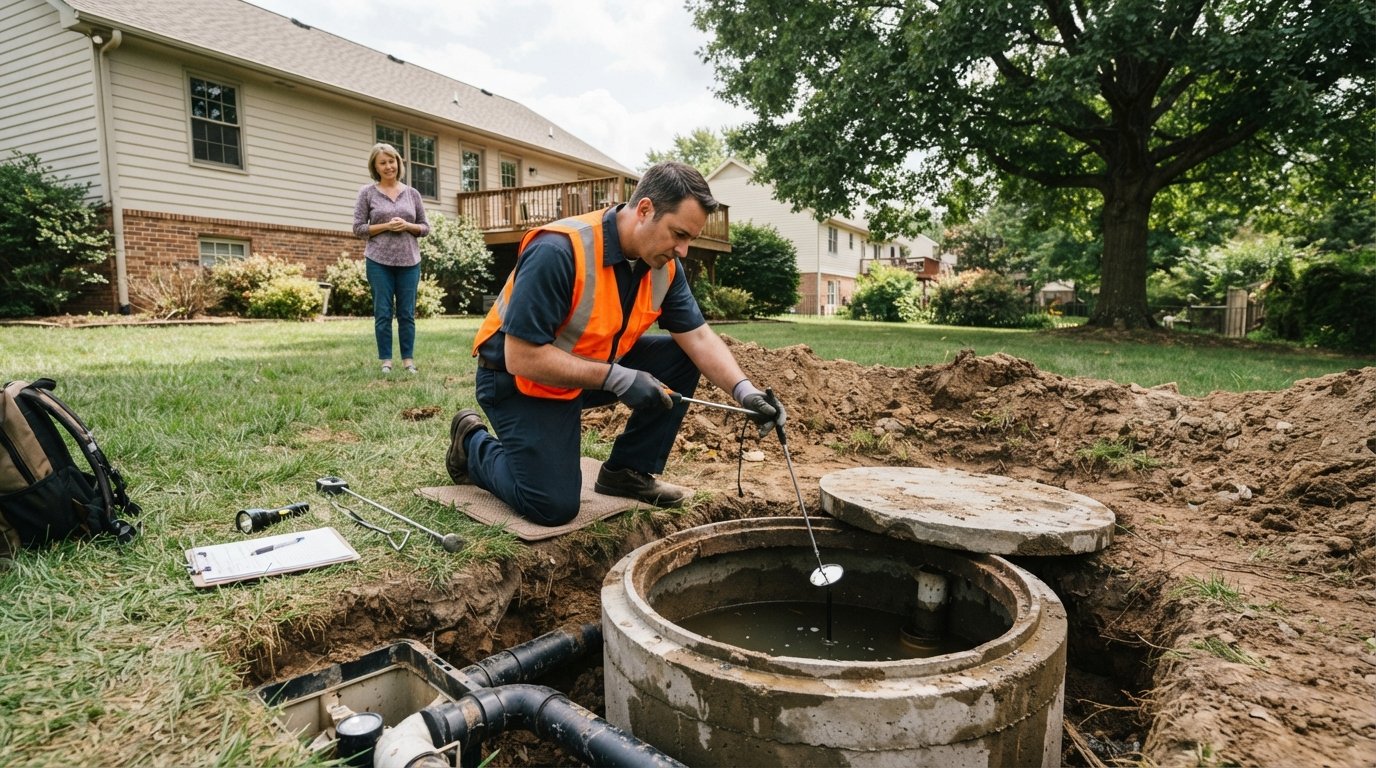
A septic inspection is more than a quick look at the tank. The inspector will check the sludge and scum levels in the tank, the condition of the baffles, the flow between the tank and the drain field, and the drain field itself for signs of saturation or backup. They may also perform a hydraulic load test to see how the system handles water. For a renovation, the inspector will need to know the proposed number of bedrooms and bathrooms to assess whether the system can accommodate the additional flow.
If the system is found to be undersized, you have options. You might revise the renovation to add fewer bedrooms or water fixtures, or you might plan for a septic system upgrade. Some homeowners choose to replace the drain field or add a second tank. The cost of these upgrades should be factored into your renovation budget from the start. A qualified septic professional can give you a written evaluation that you can share with your lender and local permitting office.
Cost of Inspection and Typical Repair Findings
The cost of a septic inspection varies by region and the level of service. A basic inspection, which includes opening the tank, measuring sludge and scum, and checking the drain field, typically ranges from $300 to $600. More comprehensive evaluations, such as a camera inspection of the drain lines or a hydraulic load test, can cost $800 to $1,200 or more. For a real estate transaction, the buyer usually pays for the inspection, but the cost is negotiable. For a renovation, the homeowner pays, and the inspection is often required before permits are issued.
What repairs might the inspection reveal? Common findings include a full tank that needs pumping, damaged baffles, a clogged distribution box, a failing drain field, or root intrusion in the lines. Minor repairs like pumping and baffle replacement might cost a few hundred dollars. A new drain field can cost $3,000 to $10,000 or more, depending on the size and local regulations. If the entire system needs replacement, costs can exceed $15,000. These numbers are why a septic inspection is so valuable: it gives you a realistic picture of potential expenses before you commit to a purchase or a renovation.
When you are buying a home, the inspection report can be used to negotiate repairs or a price reduction. When you are renovating, the report helps you budget for necessary upgrades and avoid surprises during construction. In both cases, the small upfront cost of an inspection can save you thousands in unexpected repairs later.
Coordinating Septic Work with Renovation Permits
Renovation permits and septic evaluations are closely linked. Most building departments will not issue a permit for an addition that increases the number of bedrooms or bathrooms without proof that the septic system can handle the additional load. The process usually starts with a septic inspection and a capacity evaluation. The inspector will provide a report that states whether the system is adequate or what upgrades are needed. You then submit that report with your permit application.
It is important to sequence the work correctly. Have the septic inspection done early, before you finalize renovation plans. If the system needs an upgrade, you can incorporate that into your project timeline and budget. In some cases, the septic work must be completed before the final inspection of the renovation. Work with your contractor and your septic professional to coordinate schedules. Delays in septic approvals can hold up the entire renovation, so plan ahead.
If you are hiring a contractor for your renovation, ask whether they have experience coordinating with septic requirements. A contractor who understands the local permitting process can help you avoid costly mistakes. You can also use a service like Contractor.Homes to connect with independent local providers who are familiar with septic and renovation projects. They can help you compare quotes and find professionals who understand the intersection of septic systems and building permits.
For homeowners in the early stages of planning, a seasonal maintenance check can also reveal issues that might affect your renovation. Our guide on a spring home inspection checklist to catch winter damage includes tips that apply to septic systems and other exterior components.
Practical Steps for Buyers and Renovators
Whether you are buying a home or planning a renovation, a structured approach to septic inspection will save you time and money. Start by researching local requirements and hiring a qualified septic inspector. Schedule the inspection early in your due diligence period or pre-renovation planning. Review the report carefully and get cost estimates for any recommended repairs. If you are buying, use the report to negotiate. If you are renovating, use it to finalize your budget and permit applications.
Here is a simple checklist to follow:
- Check local regulations: Contact your county health department or building department to learn what is required for your transaction or renovation.
- Hire a qualified inspector: Look for a professional with experience in septic system evaluations and a good reputation in your area.
- Schedule early: Book the inspection as soon as you have a signed purchase agreement or a renovation concept.
- Review the report: Understand the findings and ask questions. Get written estimates for any repairs.
- Coordinate with permits: Submit the inspection report with your permit application and plan for any necessary upgrades.
By following these steps, you can protect your investment and ensure that your new home or renovation will have a properly functioning septic system for years to come. Remember that a septic inspection when buying or renovating a home is not just a box to check; it is a critical part of your financial and practical planning.
Septic systems are out of sight, but they should never be out of mind. Whether you are purchasing a property or planning an addition, take the time to understand the system's condition and capacity. A professional inspection gives you the information you need to make confident decisions and avoid costly surprises.