
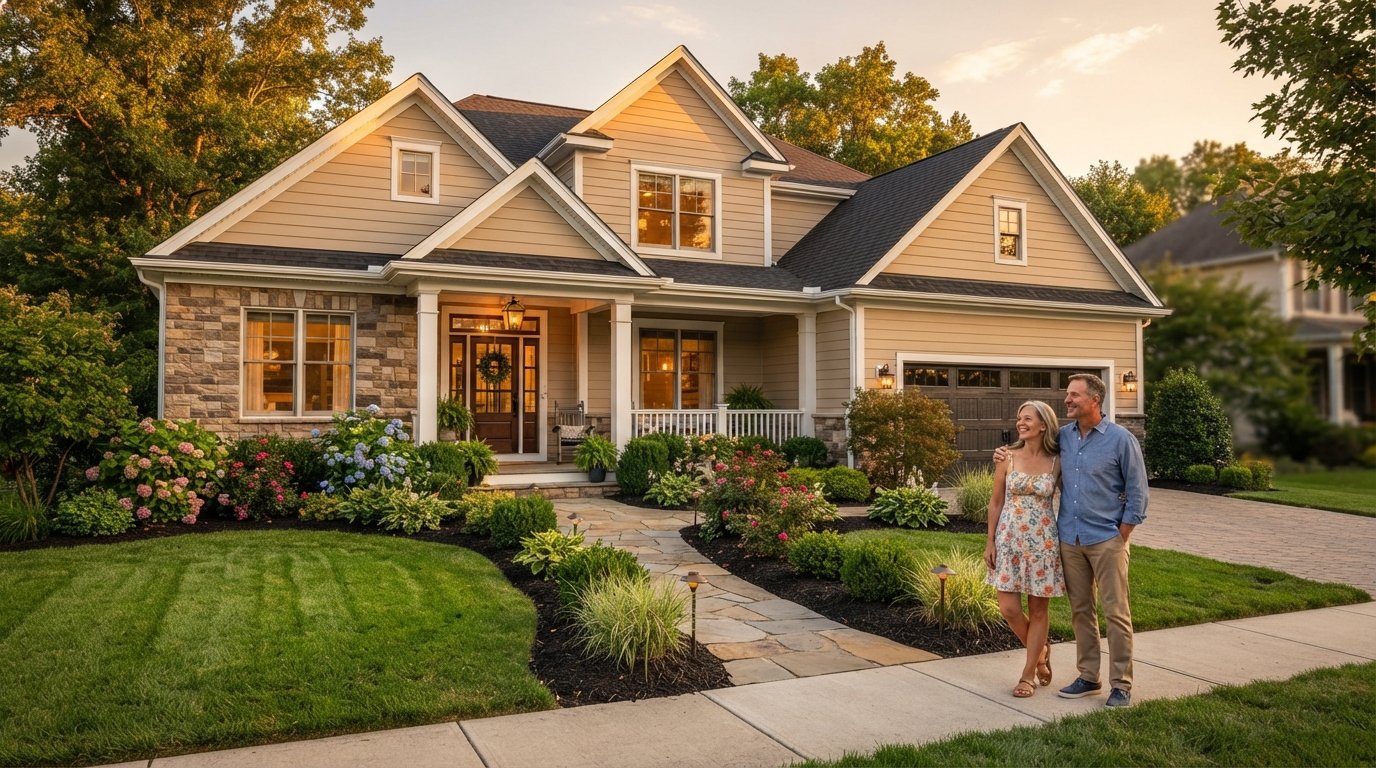
Landscaping Projects With Best Return on Investment
See which landscaping projects with best return on investment actually pay off, from sod and mulch to patios and lighting, plus how to compare local bids.

By Elena John
Learn more about Outdoor Landscaping and Design for guides, costs, and what to expect.
Compare Outdoor Landscaping and Design Pros Near You

Enter your ZIP code to compare top-rated local professionals and request free quotes.
Most homeowners never think of their yard as a financial asset, yet the right landscaping projects can return more at resale than a kitchen refresh in some markets. The catch is that curb appeal spending is easy to get wrong: the wrong project can cost thousands and add almost nothing to your asking price. This guide breaks down the landscaping projects with the best return on investment, based on typical cost recovery data and the way buyers actually evaluate a property. You will see what to build, what to skip, and how to get accurate local pricing before you commit a single dollar.
Why Landscaping ROI Deserves a Spot in Your Budget
Real estate professionals consistently rank curb appeal among the top factors that shape a buyer's first impression. A property with mature planting, defined walkways, and a clean lawn signals that the home has been maintained, which quietly reassures buyers about the systems they cannot see, such as the roof, HVAC, and plumbing. That psychological effect is why even modest exterior updates can influence offers.
The financial case is just as strong. Industry cost versus value studies regularly show that standard lawn care and basic landscape maintenance recover well over 100 percent of their cost at sale, while larger hardscape installations typically recover a smaller but still meaningful share. The pattern is clear: routine, visible care pays back fastest, and structural improvements pay back steadily over a longer holding period.
Timing matters too. Landscaping is one of the few upgrades you can enjoy for years and still recover much of the cost when you sell. Unlike a swimming pool, which appeals to a narrow slice of buyers, trees, sod, mulch, and lighting appeal to nearly everyone. Before you start calling contractors, it helps to understand your local pricing landscape, and a platform like Repairmen can connect you with vetted local professionals for repairs, maintenance, and remodeling work that supports your overall project plan.
The Landscaping Projects With Best Return on Investment
Not every outdoor upgrade deserves equal weight in your budget. The projects below consistently appear at the top of cost recovery rankings, and they share three traits: they are visible from the street, they require little maintenance, and they appeal to a broad range of buyers. Here is the short list to keep in mind as you plan.
- Lawn care and sod replacement, which deliver the highest and most reliable cost recovery
- Native trees and structural planting, which add shade, privacy, and long term value
- Mulch, edging, and seasonal cleanup, which sharpen every other feature in the yard
- Low voltage landscape lighting along paths and entries, which boosts safety and evening appeal
- Stone or paver walkways and a modest patio, which extend usable living space outdoors
Notice what is missing from that list: elaborate water features, custom outdoor kitchens, and sprawling deck complexes. Those can be wonderful additions for your own enjoyment, but they rarely return their full cost because they reflect very personal taste. The safest strategy is to fund the high recovery basics first, then treat premium features as lifestyle purchases rather than investments.
Lawn Care and Sod: The Consistent Top Performer
A healthy, evenly green lawn is the single cheapest way to make a home look cared for. Basic services such as fertilization, aeration, weed control, and overseeding cost a few hundred dollars per season, and cost versus value data often shows recovery above 200 percent. Sod installation costs more upfront, typically priced per square foot installed, but it instantly transforms a patchy or bare yard and photographs beautifully in listing images.
The key is consistency. Buyers notice a lawn that has been maintained for years versus one that was hastily patched the month before listing. If you plan to sell within a year, start a treatment program now rather than waiting until spring. If you are staying long term, invest in soil health first, because better soil reduces the water, fertilizer, and replacement costs you will face down the road.
Trees and Structural Planting: Slow Growth, Big Payoff
Mature trees can add thousands of dollars to a property's appraised value, and a well placed shade tree lowers cooling costs during summer. Because trees take years to mature, this is the project that rewards patience the most. Planting a native species suited to your climate zone reduces irrigation needs and disease risk, which keeps maintenance costs low for whoever owns the home next.
Focus on placement as much as species. A tree positioned to shade the west facing wall of a house delivers measurable energy savings, while a tree blocking a prized view can actually hurt resale. Hire a certified arborist or landscape designer for a consultation before you dig, especially near foundations, sewer lines, and power lines. The consultation fee is small compared with the cost of removing a badly placed tree later.
Mulch, Edging, and Cleanup: Small Spend, Sharp Results
Fresh mulch and crisp bed edging are the landscaping equivalent of a fresh coat of paint: inexpensive, fast, and immediately noticeable. A full mulch refresh for an average yard usually costs a few hundred to roughly a thousand dollars depending on bed size and material, and it makes planting beds look intentional rather than neglected. Seasonal cleanup, including leaf removal and pruning of overgrown shrubs, falls into the same category.
These tasks are also excellent candidates for bundling. When you hire one crew to mulch, edge, prune, and haul away debris, you typically pay less than scheduling each service separately. Ask for a written itemized quote so you can compare bids fairly, and confirm whether disposal fees are included. Small line items like these are where careless estimates hide extra charges.
Landscape Lighting: Safety Plus Evening Curb Appeal
Low voltage LED lighting along walkways, steps, and the front entry improves safety and makes a home look welcoming after dark, which matters because many buyers drive past listings in the evening. Installation is far less expensive than most homeowners expect, and LED fixtures consume very little electricity. Solar powered path lights cost even less but produce dimmer, less consistent output.
Stick to a restrained design: path lights spaced evenly, a few uplights on feature trees, and warm white bulbs throughout. Overly bright or colored lighting reads as commercial rather than residential. If you are handy, some kits are DIY friendly, but having a licensed electrician handle any connections to household wiring is the safer route and avoids problems during a home inspection.
Walkways and Patios: Outdoor Living That Holds Value
A paver walkway from the driveway to the front door improves flow and instantly upgrades curb appeal, while a modest patio extends usable living space and appeals to buyers who entertain. Hardscape projects cost more than softscape work, often several thousand dollars for a typical patio, and recovery rates are lower than lawn care, but a well built patio still returns a solid portion of its cost in most markets.
Choose neutral, durable materials such as concrete pavers or natural stone that complement the home's exterior. Skip highly specific designs that may look dated in a decade. Proper base preparation matters more than the surface material, so verify that your contractor excavates and compacts the base correctly. Poor drainage is the most common reason patios crack, sink, and become a negotiation point during a sale.
How to Estimate Your Landscaping ROI Before You Spend
You do not need a finance degree to judge whether a project is worth it. The core calculation is simple: divide the expected increase in home value by the project cost, then express it as a percentage. If a mulch and cleanup package costs 800 dollars and supports a 1,200 dollar value bump, that is a 150 percent return. If a custom water feature costs 15,000 dollars and adds 5,000 dollars, that is a 33 percent return, which is a lifestyle purchase, not an investment.
Getting reliable numbers for the value side takes a little homework. Ask a local real estate agent for recent comparable sales with strong versus weak landscaping, and request a written estimate for the cost side. Then run each candidate project through the same filter using these questions:
- Is the improvement visible from the street or from the front door?
- Does it lower ongoing maintenance, water, or energy costs for the next owner?
- Will it still look good in ten years with minimal care?
- Does it appeal to a wide range of buyers rather than a niche taste?
- Can it be completed for a cost that a typical buyer in your neighborhood would expect?
Projects that answer yes to most of those questions belong at the top of your list. When two projects tie, choose the one that is cheaper and faster to complete, because you can always add the second project next season. This staged approach spreads cost, lets you observe results, and keeps your budget flexible if an urgent repair, such as a roof leak or failed water heater, demands attention.
Avoid These Common Landscaping Money Traps
The fastest way to destroy landscaping ROI is to overbuild for your neighborhood. A resort style backyard with a grotto, swim up bar, and extensive hardscape will not recover its cost in a modest subdivision, no matter how impressive it looks. Buyers shopping in a given price range have a mental budget for the whole property, and an over improved yard can make the home feel overpriced relative to its interior.
Maintenance burden is another silent killer of value. Elaborate plantings that demand weekly trimming, high water bills, or specialized care can actually deter buyers once they learn the upkeep cost. Low maintenance designs using native plants, drip irrigation, and mulch groundcover appeal to busy households and reduce long term expenses. Similarly, avoid planting invasive species that spread aggressively, since they create problems for neighbors and can trigger disclosure issues in some states.
Finally, do not skip permits or drainage planning. Retaining walls above a certain height, structural decks, and some electrical work require permits in most jurisdictions, and unpermitted work surfaces during inspection, delaying or derailing a sale. Confirm that your contractor pulls the required permits and provides a written warranty. A slightly higher bid from a licensed, insured professional is almost always cheaper than fixing cut rate work later.
Getting Competitive Quotes for Your Landscaping Projects
Landscaping prices vary enormously by region, season, and scope, which is why comparing multiple bids is the single most effective way to protect your budget. A project quoted at 6,000 dollars by one company may come in at 9,000 dollars from another for identical work, simply because of overhead differences or scheduling demand. Collecting at least three itemized estimates gives you a realistic market range and negotiating leverage.
When you review bids, compare line by line rather than by the bottom number. Confirm what is included for demolition, soil preparation, plant sizes, irrigation, lighting, cleanup, and disposal. Ask each contractor for references from projects completed at least a year ago so you can see how the work has held up. Verify licenses, insurance, and warranties in writing before signing anything.
If you would rather not cold call companies one at a time, a free quote request through a vetted contractor marketplace can put your project in front of multiple pre screened local professionals quickly. That saves time, keeps your contact information controlled, and lets you weigh competing offers side by side instead of guessing whether the first bid you receive is fair. Once you have your numbers, start with the highest recovery basics such as lawn care, mulch, and cleanup, and add the bigger hardscape or lighting projects as your budget allows.
Great landscaping rewards homeowners twice: it improves daily life while you own the home, and it returns much of its cost when you sell. Prioritize the projects with proven recovery, plan for low maintenance, and always gather competitive quotes before committing. A thoughtful, staged approach will grow your property value the same way a well planted tree grows: steadily, and for decades.