
Foundation Waterproofing Cost and Contractor Questions
Foundation waterproofing cost and contractor questions explained, from interior systems to warranties. Call (833)-211-1668 for free local quotes.

By Sophie Reed
Learn more about Home Waterproofing for guides, costs, and what to expect.
Compare Home Waterproofing Pros Near You

Enter your ZIP code to compare top-rated local professionals and request free quotes.
A damp basement or a hairline crack that seeps after every storm can turn a finished lower level into a source of stress and expense. Before you sign a proposal or hand over a deposit, you need two things: a realistic sense of what foundation waterproofing costs and the right questions to ask a contractor. The difference between a $2,000 patch job and a $25,000 exterior excavation is rarely explained clearly, and that gap is where homeowners lose money. This guide breaks down interior and exterior waterproofing costs, the warning signs of water intrusion, drainage and sump pump solutions, and the exact contractor questions that separate a durable fix from a temporary patch.
Interior vs. Exterior Waterproofing: Approaches and Cost Ranges
Foundation waterproofing is not a single product; it is a system of managing water before it reaches your basement. The two main approaches are interior and exterior, and they solve different problems at very different price points. Interior waterproofing captures water that has already entered and channels it to a sump pump, while exterior waterproofing stops water before it touches the foundation wall. Understanding this distinction is the first step toward a realistic budget.
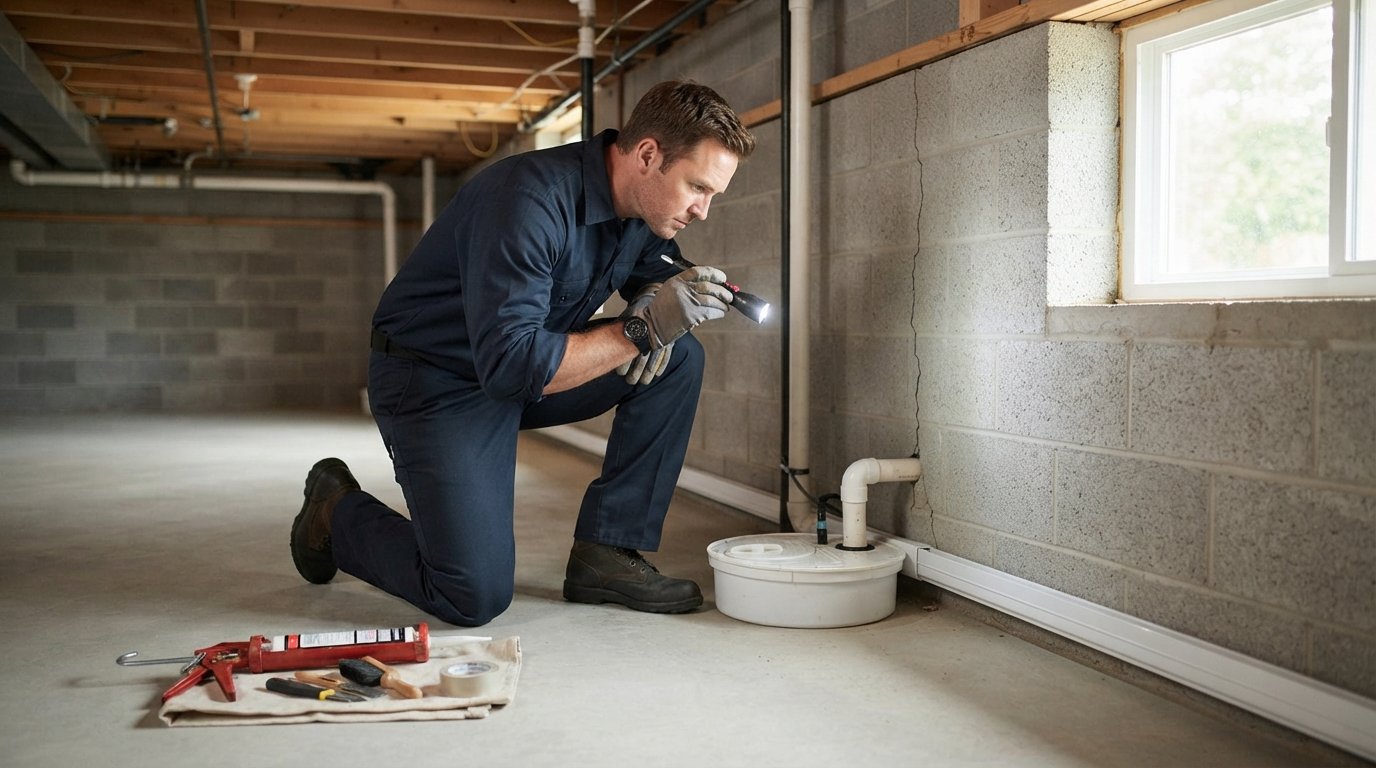
Interior systems typically involve sealing cracks, installing a drainage channel along the footing, and adding a sump pump. Costs generally range from $2,000 to $8,000 for a typical single-family home, depending on the length of the basement perimeter and whether a new sump pit is required. Exterior waterproofing involves excavating around the foundation, applying a membrane or coating to the wall, and installing footing drains. Because of the excavation labor, this approach usually runs from $8,000 to $25,000 or more, with full-perimeter projects on large or difficult lots landing at the top of that range.
Neither approach is universally correct. Interior systems are less disruptive and often the practical choice when the goal is to manage minor seepage in a finished basement. Exterior systems address the root cause and are often recommended when hydrostatic pressure is severe, when the foundation is showing structural movement, or when the homeowner plans to stay in the home for decades. A contractor who recommends only one method without inspecting your drainage, grading, and wall condition is not giving you a diagnosis; they are selling a product.
Signs of Water Intrusion That Require Professional Assessment
Not every damp spot is an emergency, but some signs should trigger a professional inspection quickly. Catching water intrusion early usually means a smaller repair and a lower waterproofing cost. Ignoring it can lead to foundation movement, mold growth, and damage to flooring and framing that dwarfs the original waterproofing expense.
Watch for these warning signs and document them with photos and dates:
- White powdery deposits (efflorescence) on basement walls, which indicate moisture moving through concrete.
- Musty odors or visible mold along baseboards and wall-floor joints.
- Rust stains or water lines on the lower portion of foundation walls.
- Standing water, damp carpet, or peeling paint after heavy rain.
- Horizontal cracks, stair-step cracks in block walls, or doors and windows that suddenly stick.
Horizontal cracks and bowing walls are more serious than vertical hairline cracks because they often signal soil pressure rather than simple shrinkage. If you see those, prioritize a structural assessment before cosmetic waterproofing. Similarly, a basement that smells musty only in summer may have a humidity problem rather than a water problem, and the fix could be ventilation and dehumidification rather than excavation. A reputable contractor will help you tell the difference instead of defaulting to the most expensive option.
Drainage, Sump Pumps, and Grading: The Solutions That Protect Your Foundation
Waterproofing fails when drainage fails. Even a well-sealed wall will leak if roof water dumps at the foundation or if the yard slopes toward the house. That is why the best waterproofing contractors start with drainage and grading before they quote membranes or interior channels. These solutions are often the most cost-effective part of the overall project.
Grading is the simplest and cheapest fix: the soil around the foundation should slope away from the house at roughly six inches over the first ten feet. Extending downspouts several feet from the foundation and cleaning gutters prevents roof water from saturating the soil at the wall. A sump pump is the heart of most interior systems, and the quality of the pump and its backup matters as much as the drainage channel itself. Battery backup systems and secondary pumps add cost but protect against power outages during the storms that cause the most water.
For homeowners comparing options, the practical sequence is usually grading and downspouts first, then interior drainage and a sump pump if seepage continues, and exterior waterproofing only when the diagnosis points to hydrostatic pressure or wall damage. When you request quotes, ask each contractor to explain how their proposed system handles roof water, surface water, and groundwater separately. If the answer is vague, keep shopping. You can also use a platform like Contractor.Homes to compare local professionals and request free quotes for foundation and drainage work.
Foundation Waterproofing Cost and Contractor Questions: How to Vet a Pro
Price alone is a poor way to choose a waterproofing contractor because the cheapest bid often excludes critical steps like excavation, permits, or disposal. The better approach is to compare scope, warranty, and diagnosis side by side. Before you hire, prepare a short list of questions and insist on written answers. The answers will tell you more about the contractor than any brochure.
Ask these contractor questions during every estimate:
- What is the specific cause of my water intrusion, and how did you diagnose it?
- Is your recommendation interior, exterior, or drainage-focused, and why is that the right fix for my situation?
- What exactly is included in the price, including excavation, disposal, permits, and restoration?
- How long is the warranty, what does it cover, and is it transferable if I sell the home?
- Are you licensed and insured in my state, and can you provide references from similar projects?
A good contractor will welcome these questions and provide a written scope that matches the diagnosis. Be cautious with lifetime warranties that exclude the most common failure points, and be wary of contractors who pressure you to sign during the first visit. For broader guidance on vetting home service professionals, our guide on painting contractor questions to ask before hiring covers the same due-diligence principles that apply to waterproofing.
Finally, get at least three written estimates and compare them line by line. A bid that is 40 percent lower than the others usually means something is missing, such as a sump pump, a drainage membrane, or proper disposal of excavated soil. The goal is not the lowest price; it is the lowest total cost of ownership over the next ten to fifteen years.
Warranties, Permits, and Red Flags to Watch
Waterproofing warranties vary widely, and the fine print matters more than the headline. A meaningful warranty should state what is covered, how long it lasts, whether labor is included, and whether it transfers to a new owner. Many companies offer a lifetime warranty on the drainage system but exclude the sump pump, which is the component most likely to fail. Ask for the warranty document in writing before you sign and read the exclusions carefully.
Permits are another signal of professionalism. Exterior excavation and some interior drainage systems may require permits depending on your municipality, and a contractor who suggests skipping permits is putting you at risk. Ask who pulls the permit and confirm that the final inspection is included in the price. Also verify insurance: request a certificate of insurance for general liability and workers compensation, and call the insurer if the document looks altered.
Red flags include door-to-door sales after storms, demands for large cash deposits, no physical business address, and estimates given without an inspection. A legitimate contractor will inspect the basement, the exterior grading, and the downspouts before quoting. If the estimate arrives by text without a site visit, treat it as a starting point for a conversation, not a final price.
Budgeting for the Full Project, Not Just the Repair
Homeowners often budget for the waterproofing system and forget the surrounding costs. Interior systems may require cutting and replacing drywall, moving stored items, and repainting. Exterior systems may require removing and restoring landscaping, decks, or patios, and the restoration can add 10 to 20 percent to the total. Ask each contractor to itemize restoration separately so you can compare apples to apples.
It also helps to think in phases. If the budget is tight, start with grading, downspout extensions, and a dehumidifier, then plan interior drainage in the next year. Phased work is not ideal, but it is far better than a rushed, incomplete job that fails in the first heavy rain. Keep a folder with your inspection reports, estimates, warranty documents, and photos; this record is valuable when you sell the home or file an insurance claim.
Foundation waterproofing is one of those projects where the cheapest bid is rarely the best value. By understanding interior and exterior cost ranges, recognizing the signs of water intrusion, prioritizing drainage and grading, and asking the right contractor questions, you can protect your home and avoid surprise bills. Take the time to compare at least three written estimates and verify licensing, insurance, and warranty terms before any work begins.