
Whole House Water Filtration System Cost and Benefits
Compare whole house water filtration system cost and benefits, from upfront ranges to annual upkeep. Call (833)-211-1668 to request free local quotes.
By Adnan Nazir
Learn more about Water Treatment System Installation or Replacement for guides, costs, and what to expect.
Compare Water Treatment System Installation or Replacement Pros Near You

Enter your ZIP code to compare top-rated local professionals and request free quotes.
Every time you turn on a tap, fill a pot, or step into the shower, water quality affects your home more than most people realize. If you have noticed lingering chlorine odors, cloudy glassware, or premature wear on appliances, you have likely started researching a whole house water filtration system. The two questions that come up first are almost always the same: what will it cost, and is it actually worth the money? This guide breaks down realistic price ranges, ongoing maintenance expenses, and the tangible benefits so you can decide with confidence before you request quotes from local plumbing professionals.
What a Whole House Water Filtration System Actually Does
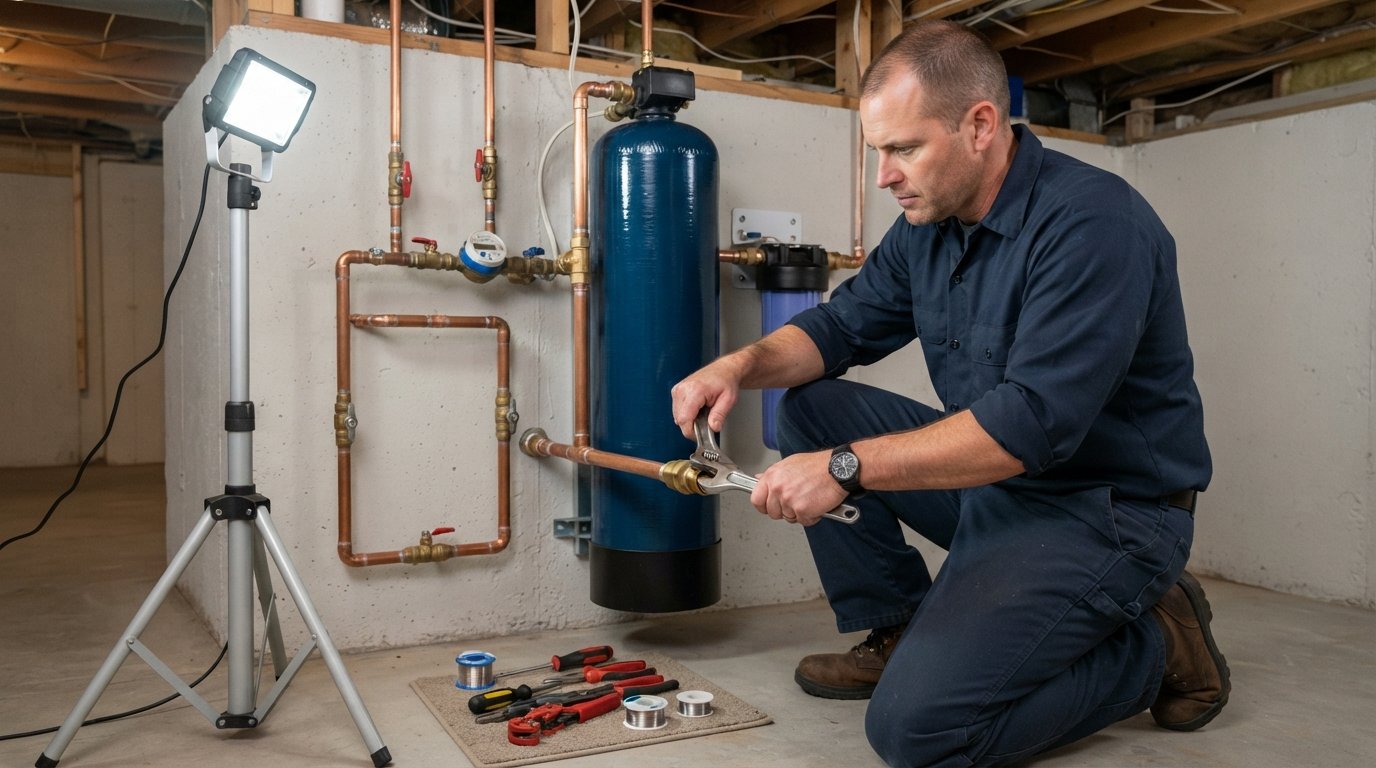
A whole house water filtration system is installed at the main water line where it enters your home, treating every drop that flows to sinks, showers, appliances, and outdoor spigots. Unlike a pitcher filter or an under-sink cartridge, which treats water at a single tap, a whole-home system addresses sediment, chlorine, chloramines, volatile organic compounds, and in some configurations, hardness minerals across the entire household. That distinction matters because most of the water you use in a day is not the water you drink. Showers, laundry, dishwashing, and toilet flushing account for the majority of household consumption, and those uses expose pipes and appliances to the same contaminants.
Point-of-use filters are a reasonable stopgap for drinking water, but they leave the rest of the plumbing untreated. Over time, chlorine and sediment can degrade rubber seals, accelerate corrosion in water heaters, and shorten the life of washing machines and dishwashers. A whole house system protects the entire plumbing envelope, which is why many homeowners view it as infrastructure rather than an appliance. The upfront investment is higher, but the protection is comprehensive.
Homeowners planning larger upgrades often bundle water treatment with other plumbing work. If you are already coordinating multiple trades, our guide to whole house remodeling costs and timelines explains how to sequence projects so you avoid paying twice for the same wall opening or utility access.
Whole House Water Filtration System Cost: Upfront Ranges
Costs vary widely by region, water chemistry, and the type of system you choose. The table below reflects typical installed prices for common configurations, including equipment and labor. These are ranges, not quotes, and your actual number will depend on access to the main line, permit requirements, and whether electrical work is needed.
- Basic sediment and carbon filtration: $1,500 to $3,500 installed. Handles sediment, chlorine taste and odor, and general particulate matter.
- Carbon plus sediment with a pre-filter: $2,500 to $5,000 installed. Better for homes on municipal water with moderate chlorine levels.
- Softener and filtration combination: $4,000 to $8,000 installed. Addresses hardness along with taste and odor; requires salt or potassium replenishment.
- Multi-stage systems with UV purification: $5,000 to $10,000 installed. Adds microbiological protection, useful for private wells.
- Whole-home reverse osmosis: $8,000 to $15,000 installed. Highest treatment level, highest water waste, and the most maintenance.
Labor typically accounts for 20 to 40 percent of the total, and it rises quickly if the main line is difficult to access, if the home lacks a dedicated outlet near the installation point, or if local codes require a permit and inspection. Homes on private wells usually need additional testing and sometimes a sediment pre-filter ahead of the main unit, which adds $300 to $800. If you are comparing bids, ask each contractor to itemize equipment, labor, permits, and any required electrical or plumbing modifications so you can compare apples to apples.
Ongoing Maintenance and Operating Expenses
The purchase price is only part of the story. Every whole house system requires filter changes, and some require salt, media replacement, or professional service visits. Budgeting for these costs prevents surprises in year two and beyond.
Typical annual maintenance runs $150 to $600 for cartridge-based systems, with sediment and carbon filters changed every three to twelve months depending on water quality and usage. Softener salt adds roughly $100 to $300 per year. Media-based systems, such as catalytic carbon or specialized resin tanks, usually need media replacement every three to five years at $300 to $1,000 per service. UV lamps, if present, should be replaced annually at $100 to $200. Reverse osmosis membranes are the most expensive consumable, often $200 to $500 every two to three years.
Water waste is another hidden cost for reverse osmosis systems, which typically send two to four gallons of reject water down the drain for every gallon treated. For most households the added water bill is modest, but it is worth calculating if you are on a metered connection or a well with limited yield. Energy use is minimal for most systems, limited to a small pump or control valve, typically under $30 per year.
Signs Your Home Would Benefit From Whole House Filtration
Not every home needs a whole house system, but certain symptoms strongly suggest the investment will pay for itself. If you recognize two or more of the following, it is worth having your water tested and requesting quotes.
- Chlorine or chemical odor from tap water, especially in the shower
- Cloudy water, visible sediment, or staining on fixtures and laundry
- Scale buildup on faucets, showerheads, and coffee makers
- Soap that does not lather well or dishes with a filmy residue
- Frequent water heater repairs or shortened appliance lifespan
- Family members with sensitive skin or respiratory irritation after showering
Municipal water customers should start with the annual consumer confidence report, which lists detected contaminants and treatment methods. Well owners should test annually for bacteria, nitrates, hardness, and iron. A $50 to $150 lab test gives you the data to match a system to your actual water chemistry rather than guessing. Installing the wrong system is one of the most common and expensive mistakes homeowners make.
Benefits That Justify the Investment
The financial case for whole house filtration goes beyond taste. Treated water protects the appliances and plumbing you have already paid for. Water heaters, washing machines, dishwashers, and fixtures all last longer when they are not battling sediment, chlorine, or scale. A water heater that lasts twelve years instead of eight effectively returns several hundred dollars of value, and similar math applies across the house.
Health and comfort benefits are harder to quantify but just as real. Removing chlorine and disinfection byproducts before they volatilize in the shower reduces inhalation exposure and skin irritation for sensitive household members. Softened or filtered water makes soap and detergent more effective, so you use less product and your laundry feels cleaner. Many homeowners also report better-tasting coffee, clearer ice, and no more bottled water purchases, which can save $300 to $800 per year for a family that buys cases regularly.
There is also a resale consideration. A documented, professionally installed water treatment system is a selling point in many markets, particularly in areas with known hard water or aging infrastructure. Keep your maintenance records and installation paperwork; buyers and home inspectors notice.
Questions to Ask a Plumbing Contractor Before You Install
A whole house system is only as good as its installation. Before you sign, ask prospective contractors a consistent set of questions so you can compare bids fairly and spot red flags.
- What water testing do you recommend, and will you review the results with me before sizing the system?
- What is included in the quote: equipment, labor, permits, electrical work, and haul-away of packaging?
- How often will filters or media need replacement, and what will that cost per year at current prices?
- What is the warranty on the equipment and on your labor, and who honors it if you are unavailable?
- Can you provide references from similar homes in my area, and are you licensed and insured for plumbing work in this jurisdiction?
Ask each contractor to put the answers in writing as part of the proposal. A professional will welcome the questions; a contractor who dismisses them is telling you something important. You can also verify licensing and gather competitive bids through a vetted contractor network such as Contractor.Homes, which connects homeowners with pre-screened local professionals and provides free quote requests for plumbing and water treatment projects.
How to Compare Quotes Without Overpaying
Once you have two or three bids, compare them line by line rather than by bottom-line price alone. A low bid that excludes permit fees, a bypass valve, or a drain pan can end up costing more after change orders. Look for the following in each proposal: the specific make and model of equipment, the number of stages and what each stage removes, the estimated annual maintenance cost, the warranty terms, and a clear installation timeline.
Also confirm how the contractor will handle the main water line shutoff and whether they will install a bypass so you still have water during service. Small details like pressure gauges, shutoff valves, and drip pans protect your home and make future maintenance easier. If a bid does not mention these, ask whether they are included. Finally, check that the contractor pulls any required permits; unpermitted plumbing work can complicate a future home sale and may void manufacturer warranties.
Whole house water filtration is a long-term purchase, and the right system installed correctly will serve your home for a decade or more. Start with a water test, gather at least three itemized quotes, and weigh the upfront cost against the ongoing maintenance and the protection it provides to your plumbing, appliances, and family. When you are ready to move forward, requesting free quotes from pre-vetted local contractors is the fastest way to get accurate pricing for your specific water chemistry and home layout. Call (833)-211-1668 to speak with a representative who can help you start the process today.
Learn more about Water Treatment System Installation or Replacement for guides, costs, and what to expect.
Compare Water Treatment System Installation or Replacement Pros Near You
Enter your ZIP code to compare top-rated local professionals and request free quotes.