
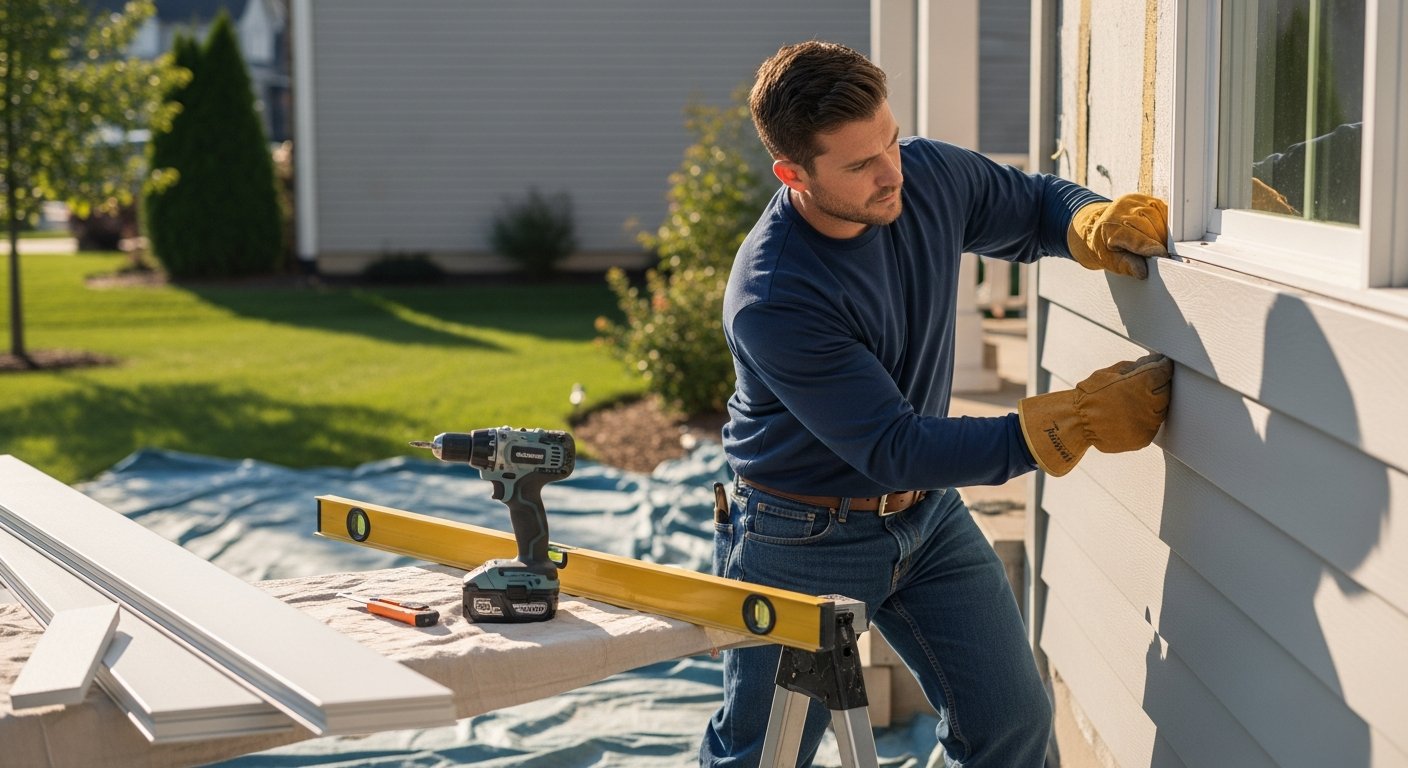
How to Choose Siding Contractors
Learn how to vet siding contractors, compare quotes, and avoid costly mistakes to ensure a durable, beautiful installation.

By Elena John
Learn more about Siding Installation for guides, costs, and what to expect.
Compare Siding Installation Pros Near You

Enter your ZIP code to compare top-rated local professionals and request free quotes.
Your home's siding does more than define its curb appeal. It protects the structure from moisture, wind, and pests while playing a major role in energy efficiency. When the time comes to replace or repair siding, the quality of the installation matters as much as the material you pick. A poor installation can lead to warping, leaks, and costly callbacks. That is why finding the right professional is the most important decision in the entire project. This guide walks you through the process of evaluating and hiring siding contractors so you can move forward with confidence.
Why Professional Siding Installation Matters
Siding is a complex system. It must accommodate expansion and contraction, shed water effectively, and allow for proper ventilation behind the panels. Each material, from vinyl and fiber cement to wood and engineered wood, has its own installation requirements. A contractor who lacks experience with a specific product may void the manufacturer's warranty or create gaps where moisture can enter.
Beyond the technical details, professional installers understand local building codes and permit requirements. They also carry insurance, which protects you if an accident happens on your property. Attempting a DIY siding project or hiring an unlicensed handyman might save money upfront, but the long-term risks often outweigh the savings. Water damage behind siding is notoriously difficult to detect until it becomes severe, and repairs can run into the thousands of dollars.
When you work with a pre-vetted professional, you get more than labor. You get a partner who can recommend the best material for your climate, spot underlying issues like rot or pest damage, and ensure the finished product looks seamless. The right contractor also provides a detailed written estimate, a clear timeline, and a workmanship warranty that protects you after the job is done.
How to Find Siding Contractors You Can Trust
Start by asking for recommendations from neighbors, friends, and family. Homes in the same neighborhood often have similar siding issues, and someone who recently completed a project can give you honest feedback about their experience. You can also drive around your area and look for homes with new siding. If you see a crew working, note the company name on their truck or ask the homeowner for a referral.
Online directories and review platforms are another useful resource. Look for siding contractors with a strong local presence and a pattern of positive reviews. Pay attention to how companies respond to negative feedback. A professional who addresses complaints respectfully shows a commitment to customer satisfaction. However, do not rely on reviews alone. A company can have great reviews but still lack the specific experience your project requires.
FreeQuotes.Contractors simplifies this step. Instead of searching multiple websites and calling each business individually, you submit one request through the platform. The service connects you with pre-vetted local siding professionals who are available for your project. You receive multiple quotes, which makes it easy to compare pricing, approach, and professionalism. This saves time and reduces the risk of hiring someone who does not meet your standards.
Questions to Ask Before You Hire
Once you have a list of candidates, schedule consultations. Treat these meetings as interviews. You are the one making the hiring decision, and you deserve a contractor who listens to your goals and answers your questions thoroughly. Here are the key questions to ask each candidate:
- How long have you been installing siding, and how many projects similar to mine have you completed?
- Are you licensed and insured? Can you provide proof of both?
- Which siding brands do you work with, and are you certified by the manufacturers?
- Will you provide a detailed written estimate that itemizes materials, labor, and disposal fees?
- What kind of warranty do you offer on both materials and workmanship?
Take notes during each consultation. Compare the answers you receive, not just the price. A contractor who hesitates to show proof of insurance or offers a verbal estimate without a written contract should raise a red flag. The lowest bid is not always the best value. Sometimes it means the contractor plans to cut corners or use lower-quality materials.
Understanding Siding Costs and Estimates
Siding costs vary widely based on the material, the size of your home, the complexity of the installation, and your location. On average, homeowners spend between $5,000 and $15,000 for a full siding replacement, though high-end materials like fiber cement or engineered wood can push the total higher. Vinyl siding is typically the most affordable option, while wood and metal sit at the higher end of the price range.
When you receive estimates, make sure they break down the costs clearly. A vague quote that lists a single lump sum leaves room for surprises later. A professional estimate should include the cost of materials, labor, removal and disposal of old siding, any necessary repairs to the sheathing, and the cost of permits. It should also state the payment schedule and the expected timeline for the project.
Beware of contractors who ask for a large deposit before any work begins. A typical down payment is 10 to 20 percent of the total project cost. You should also avoid contractors who demand cash payment or pressure you to sign a contract on the spot. Legitimate siding contractors offer a fair contract that protects both parties, and they are happy to give you time to review it.
Red Flags to Watch For
Most siding contractors are honest professionals who take pride in their work. However, the industry does attract a few bad actors. Knowing the warning signs can help you avoid a costly mistake. Here are the most common red flags:
- They show up at your door unsolicited and offer a deal that expires immediately.
- They cannot provide a physical address or verifiable business license.
- They ask for full payment upfront or demand cash only.
- They do not carry workers' compensation or liability insurance.
- They refuse to provide references from recent local projects.
If a contractor exhibits any of these behaviors, move on to the next candidate. The cost of fixing a botched siding job is much higher than the cost of taking extra time to find the right professional. A contractor who pressures you or avoids answering basic questions is not someone you want working on your home.
The Value of a Written Contract
A written contract is the foundation of a successful siding project. It protects you and the contractor by clearly defining the scope of work, the materials to be used, the project timeline, and the payment schedule. Never rely on verbal promises or handshake agreements. If a contractor is reluctant to put things in writing, that is a sign they may not be reliable.
Review the contract carefully before signing. Make sure it includes the specific siding product and color you selected, the total cost, and the start and completion dates. It should also outline the warranty terms, including what is covered and for how long. If anything is unclear, ask for clarification. A reputable contractor will be happy to explain every detail.
Keep a copy of the signed contract and any correspondence with the contractor. This documentation is valuable if a dispute arises or if you need to file a warranty claim. It also gives you a clear record of what was promised, which can help prevent misunderstandings during the project.
How FreeQuotes.Contractors Makes the Process Easier
FreeQuotes.Contractors is designed to take the stress out of finding a contractor. Instead of spending hours calling around, you fill out a simple online form with details about your siding project. The platform matches you with pre-vetted local professionals who are ready to provide a free, no-obligation quote. You receive multiple estimates, which allows you to compare pricing and choose the contractor that feels right for you.
The service covers a wide range of home improvement projects, including siding installation and repair. It connects you with contractors who have been screened for licensing and insurance, which gives you an extra layer of protection. You can also read educational articles and FAQs on the site to learn more about siding materials, costs, and installation processes before you even request a quote.
Using FreeQuotes.Contractors is free for homeowners. There is no obligation to accept any of the quotes you receive. This makes it easy to explore your options without pressure. Whether you are planning a full siding replacement or just need a small repair, the platform simplifies the process and puts you in control.
Preparing for the Siding Installation
Once you have selected a siding contractor and signed the contract, it is time to prepare for the installation. Clear the area around your home's exterior. Move vehicles, patio furniture, and potted plants away from the work zones. This gives the crew easy access and reduces the risk of damage to your belongings.
Talk to the contractor about the delivery schedule for materials. Siding panels are often delivered a few days before the installation begins. Ensure there is a clear path for the delivery truck and a safe place to store materials. The contractor should also discuss how they will handle waste and debris removal. Most professionals include this in their quote, but it is worth confirming.
During the installation, stay in communication with the project manager. Ask for daily updates on progress and any issues that arise. A good contractor will keep you informed and address your concerns promptly. You should also be present when the work is complete to do a final walkthrough. Check the seams, corners, and trim for any visible gaps or imperfections. If you notice any problems, point them out before making the final payment.
Maintaining Your New Siding
After the installation, your siding will require regular maintenance to keep it looking great and performing well. The exact maintenance routine depends on the material. Vinyl siding needs an occasional wash with a garden hose or pressure washer on a low setting. Fiber cement is more durable, but it may need repainting every 10 to 15 years. Wood siding requires more attention, including periodic staining or painting and inspections for rot or insect damage.
Walk around your home a few times a year and look for signs of damage, such as cracks, warping, or loose panels. If you notice a problem, address it promptly. Small issues are easier and cheaper to fix than large ones. Keep the area around your siding clear of vegetation and debris, and trim tree branches that could rub against the surface during storms.
If you ever need repairs, contact a professional siding contractor rather than attempting a DIY fix. Improperly patched siding can allow water to seep behind the panels, leading to serious structural damage over time. A professional will ensure the repair blends seamlessly with the existing siding and maintains the integrity of the system.
Final Thoughts
Choosing the right siding contractor is one of the most important steps in protecting your home and improving its value. Take the time to research, ask questions, and compare quotes. A professional installation will not only enhance your home's appearance but also provide years of reliable performance. By using a trusted platform like FreeQuotes.Contractors, you can simplify the process and connect with pre-vetted local experts who are ready to help. Start your project on the right foot by requesting a free quote today, and enjoy the peace of mind that comes from knowing your home is in good hands.
Learn more about Siding Installation for guides, costs, and what to expect.
Compare Siding Installation Pros Near You
Enter your ZIP code to compare top-rated local professionals and request free quotes.