
Best Flooring for Pet Owners: Durability and Cost Guide
Find the best flooring for pet owners durability and cost. Call (833)-211-1668 to compare local quotes and protect your floors from claws and accidents.

By Julian Ellis
Learn more about Floor Installation or Replacement for guides, costs, and what to expect.
Compare Floor Installation or Replacement Pros Near You

Enter your ZIP code to compare top-rated local professionals and request free quotes.
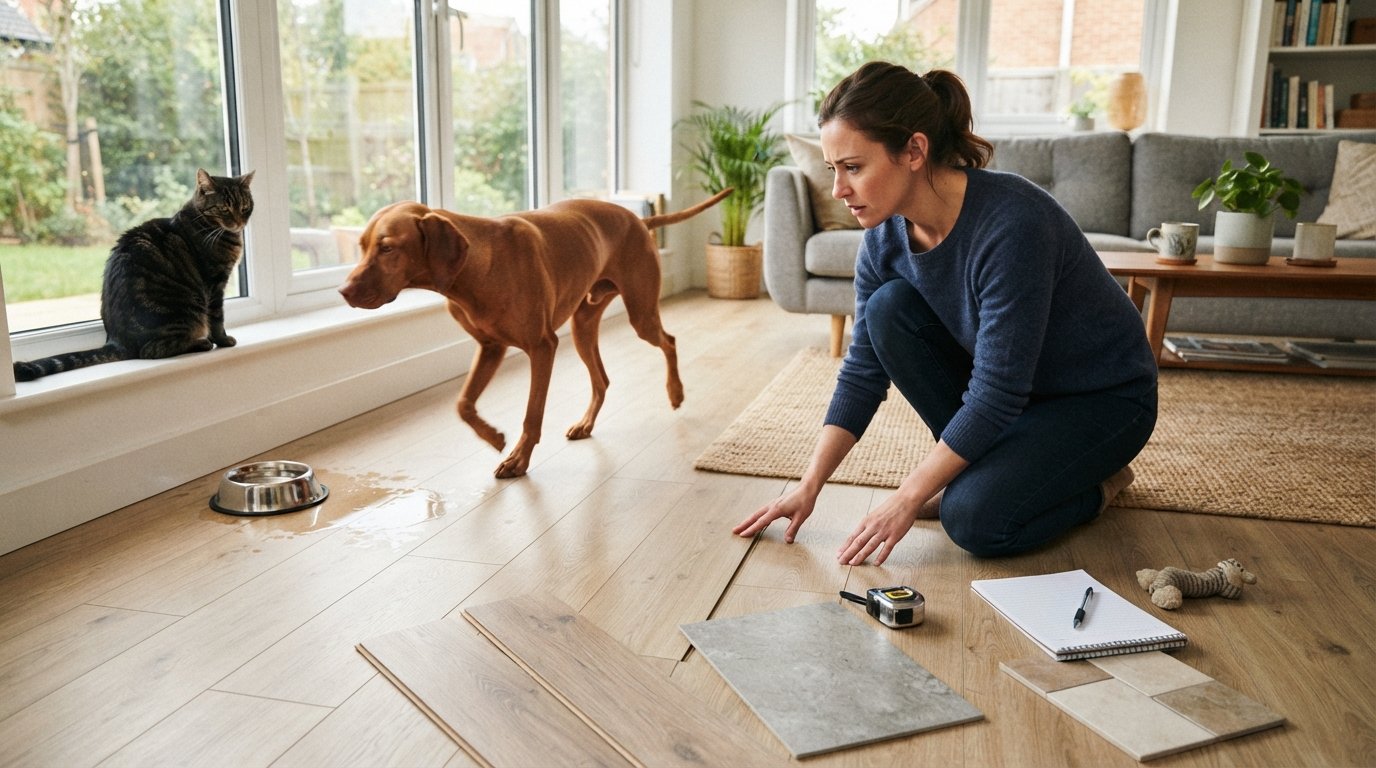
Your dog just sprinted across the living room, your cat knocked a water bowl off the counter, and you are staring at the floor wondering how much longer it will last. For pet owners, flooring is not just a design choice: it is a daily battle against claws, accidents, and heavy traffic. The best flooring for pet owners durability and cost balances scratch resistance, moisture protection, and long-term value so you are not replacing floors every few years. This guide breaks down the top materials, real costs per square foot, expected lifespans under pet wear, and the questions to ask your installer before work begins.
Why Pet-Friendly Flooring Matters More Than You Think
Pets put floors through stress that most manufacturers do not fully prepare homeowners for. Claws act like tiny chisels, especially on softer woods and laminates. Urine and vomit introduce moisture and odor that can seep into seams and subfloor. Heavy cleaning, often with harsh products, can wear down finishes faster than normal foot traffic. The result is premature replacement, which is expensive and disruptive.
Choosing the right material upfront protects your investment. A floor that resists scratches and moisture can last 15 to 25 years instead of 5 to 8. That difference in lifespan directly affects your cost per year of use, not just the sticker price per square foot. Pet owners should think in terms of total cost of ownership: material, installation, maintenance, and replacement frequency.
Before you start comparing samples, get a clear picture of how different materials stack up. Our guide on flooring materials durability vs cost comparison walks through the tradeoffs in detail and helps you match a material to your household's wear patterns.
Top Flooring Materials for Pet Owners: Scratch and Moisture Resistance
Not all pet-friendly floors are created equal. The three most recommended categories are luxury vinyl, tile, and certain hardwoods. Each has strengths and weaknesses you need to weigh against your pet type, activity level, and budget.
Luxury Vinyl Plank and Tile (LVP and LVT)
Luxury vinyl is often the top recommendation for pet owners because it combines water resistance, scratch resistance, and comfort underfoot at a mid-range price. Rigid-core LVP, sometimes called SPC (stone polymer composite), holds up well against claws and resists moisture from spills and accidents. Many products carry wear layers rated for residential or even light commercial use, which adds years of life in a busy pet household.
The key is the wear layer thickness. A wear layer of 12 mil or higher is a good target for homes with large dogs. Thinner wear layers (6 to 8 mil) may show scratches sooner. LVP is also relatively easy to clean, and most products tolerate damp mopping without swelling, unlike laminate. The main drawback is that heavy furniture and sharp objects can still dent or gouge the surface, and low-quality vinyl can fade in direct sunlight.
Cost: $3 to $7 per square foot installed, depending on wear layer, core type, and installation complexity. Lifespan under pet wear: 15 to 20 years with proper care.
Porcelain and Ceramic Tile
Tile is the most scratch-resistant and water-resistant option available. Porcelain, in particular, is dense and impervious to moisture, making it ideal for accident-prone pets. It does not harbor odors the way grout lines can if sealed improperly, and it stands up to heavy cleaning without damage. For homes with large dogs or multiple pets, tile offers unmatched durability.
The tradeoffs are comfort and installation cost. Tile is hard and cold underfoot, which can be uncomfortable for older pets and humans alike. It can also be slippery when wet, so consider textured tiles or area rugs in high-traffic zones. Grout lines require sealing and periodic cleaning to prevent stains and bacteria buildup. Installation is labor-intensive, which drives up the total cost.
Cost: $5 to $12 per square foot installed. Lifespan under pet wear: 25 to 50 years (often the life of the home).
Engineered and Solid Hardwood
Hardwood is beautiful but risky for pet owners. Solid hardwood can be refinished multiple times, which extends its life, but soft wood species scratch easily under claws. Engineered hardwood has a thinner wear layer and can only be refinished once or twice, so deep scratches may be permanent. Moisture is the bigger threat: urine can stain and warp wood, and repeated exposure can damage the finish and subfloor.
If you love the look of wood, choose a harder species such as oak, hickory, or maple, and apply a durable factory finish. Keep pets' nails trimmed and clean up accidents immediately. Hardwood works best for small pets or households willing to invest in preventive maintenance.
Cost: $6 to $12 per square foot installed for engineered, $8 to $15 for solid. Lifespan under pet wear: 10 to 25 years, depending on species and care.
Cleaning and Odor Control for Accident-Prone Households
Pet owners know that accidents happen. The difference between a floor that survives and one that needs replacement often comes down to how well it handles moisture and odor. Non-porous surfaces like tile and luxury vinyl are easiest to clean and least likely to absorb odor. Grout lines in tile can trap bacteria if not sealed and cleaned regularly, so choose epoxy grout or seal grout annually.
For vinyl, avoid abrasive cleaners that can dull the wear layer. A pH-neutral cleaner and a damp mop are usually enough. Enzyme-based cleaners are best for pet accidents because they break down proteins that cause odor. Avoid steam mops on vinyl if the manufacturer warns against heat, and never let water pool at seams.
Hardwood requires immediate cleanup of accidents to prevent staining and warping. Use a pet-safe enzyme cleaner, then dry the area thoroughly. Consider area rugs or runners in high-traffic zones to reduce wear and provide traction. Washable rug pads can help protect the floor underneath.
Regardless of material, establish a routine: sweep or vacuum daily, mop or damp-clean weekly, and deep-clean grout or seams monthly. This routine protects your investment and keeps odors under control.
Cost Per Square Foot and Expected Lifespan Under Pet Wear
Budgeting for pet-friendly flooring means looking beyond the purchase price. Installation, underlayment, moisture barriers, and maintenance all factor in. The table below summarizes typical costs and lifespans for the most common options.
- Luxury vinyl plank/tile: $3 to $7 per square foot installed; 15 to 20 years under pet wear.
- Porcelain/ceramic tile: $5 to $12 per square foot installed; 25 to 50 years.
- Engineered hardwood: $6 to $12 per square foot installed; 10 to 20 years.
- Solid hardwood: $8 to $15 per square foot installed; 15 to 25 years with refinishing.
- Laminate: $2 to $5 per square foot installed; 5 to 10 years (moisture-sensitive).
These ranges vary by region, subfloor condition, and whether you remove old flooring. Always get multiple quotes to compare. For a deeper dive into how materials affect long-term costs, the durability vs cost comparison guide is a useful reference.
When comparing quotes, ask contractors to break down material, labor, underlayment, and disposal fees. A low bid that excludes moisture barriers or subfloor prep can cost more later. Pet owners should prioritize moisture protection and scratch resistance over minor price differences.
Installer Questions: Underlayment and Moisture Barriers
The right installation makes a good material last longer. Before hiring a contractor, ask specific questions about underlayment and moisture control. These details matter more in pet households because accidents introduce moisture that can damage subfloors and cause mold or odor.
Here are key questions to ask:
- What underlayment do you recommend for pet households, and does it include a moisture barrier?
- How will you handle seams and edges to prevent liquid from seeping underneath?
- What is the moisture reading of my subfloor, and what prep is needed before installation?
- What warranties cover pet damage, and what maintenance is required to keep them valid?
- How do you recommend cleaning and sealing the floor to maintain its resistance?
For vinyl and laminate, a moisture barrier underlayment is often essential, especially over concrete. For tile, a crack isolation membrane and proper grout sealing protect against moisture intrusion. For hardwood, acclimation and moisture testing are critical. A reputable installer will explain these steps and include them in the quote.
If you are unsure where to find qualified installers, Contractor.Homes connects homeowners with pre-vetted local contractors and offers free quote requests. Comparing multiple bids helps you spot missing scope items and ensures you are comparing apples to apples.
Making the Final Choice: Matching Material to Your Pet and Budget
The best flooring for pet owners durability and cost is the one that fits your specific situation. Consider your pet's size, age, and habits. A senior dog may need softer, less slippery surfaces, while a high-energy puppy needs scratch resistance. Cats are lighter but can still damage soft woods. Multi-pet households benefit from tile or high-quality LVP.
Set a realistic budget that includes installation and maintenance. If your budget is tight, LVP offers the best balance of price and performance. If you plan to stay in your home long-term and want maximum durability, tile is worth the investment. Hardwood is best for pet owners willing to manage risk with preventive care.
Finally, get at least three quotes from licensed, insured contractors. Ask for references from pet owners and inspect examples of their work. A good contractor will help you choose the right material and install it to last. With the right floor and proper installation, you can enjoy a beautiful, durable home that stands up to your pets without breaking your budget.