How to Handle Contractor Disputes Like a Pro
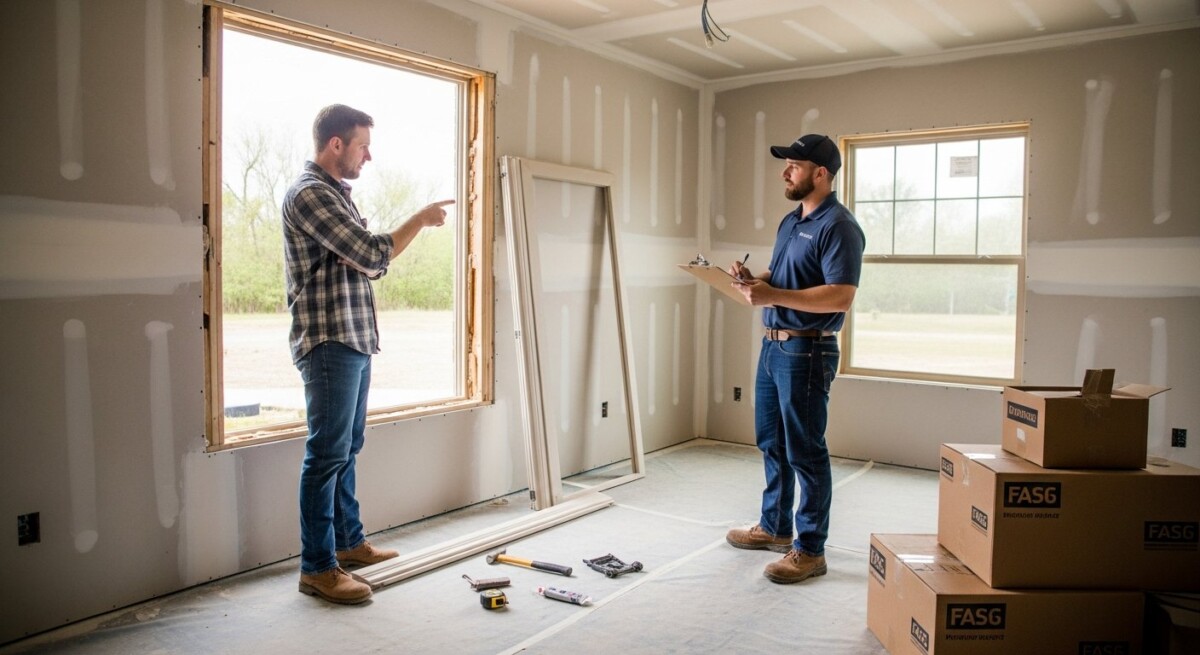
You hired a contractor to transform your home. The crew showed up on time, the materials looked right, and the first few days went smoothly. Then something went wrong. A deadline slipped. A substandard finish appeared. A payment dispute erupted. Suddenly, the project you dreamed about has turned into a stressful conflict. If this sounds familiar, you are not alone. Contractor disputes happen more often than homeowners expect, but knowing how to handle contractor disputes effectively can save your project, your budget, and your peace of mind.
The key is to act methodically and document everything. Emotions run high when money and home comfort are at stake, but a calm, evidence-based approach almost always produces a better outcome. This guide walks you through the steps to resolve conflicts with your contractor, from early warning signs to legal options. Whether you are dealing with poor workmanship, missed deadlines, or billing disagreements, the strategies below will help you regain control of your renovation or repair project.
Common Causes of Contractor Disputes
Understanding why disputes happen in the first place is the first step to preventing or resolving them. Most conflicts fall into a few predictable categories. By recognizing these patterns, you can address issues before they escalate.
The most frequent cause is a poorly written or incomplete contract. When scope of work, payment schedules, and timelines are vague, each party interprets the terms differently. For example, a contract that says “install new flooring” does not specify the brand, color, or installation method. This ambiguity often leads to disagreements about quality and cost. Another common trigger is change orders. Homeowners often request modifications during a project without documenting the cost and timeline impact. The contractor adds the work, then bills more than expected. The homeowner feels blindsided. Both sides become frustrated.
Other frequent causes include:
- Substandard workmanship: The finished result does not meet industry standards or local building codes.
- Missed deadlines: The project drags on weeks or months past the agreed completion date.
- Payment disputes: One party believes the other has not lived up to financial obligations.
- Communication breakdowns: Regular updates stop, calls go unanswered, and small issues become big problems.
Recognizing these triggers early gives you the chance to intervene. A quick conversation about a change order, for instance, can prevent a billing dispute down the road. The best way to handle contractor disputes is to address them at the first sign of trouble, not after the relationship has soured.
Step 1: Review Your Contract Thoroughly
Before you confront your contractor, pull out the signed contract and read every line. Your agreement is the foundation of your working relationship. It spells out what each party promised to do, when, and for how much. Look for specific clauses about payment schedules, change orders, dispute resolution, and termination rights.
Many homeowners skip this step because they assume the contract is straightforward. But contracts often contain hidden details that become crucial during a conflict. For example, some contracts include a mandatory arbitration clause. This means you cannot sue the contractor in court. Instead, you must resolve the dispute through a private arbitrator. Knowing this upfront changes your strategy entirely. If your contract does not have clear terms, or if you never signed one, you are in a weaker position. In that case, your best move is to establish a written record of all agreements going forward.
If you find that the contractor violated a specific term such as using unapproved materials or failing to pull permits, you have a clear basis for your complaint. Reference the exact contract language when you speak with the contractor. This shows you are informed and serious. For more guidance on building a strong contract from the start, read our How to Handle Contractor Disputes: A Practical Homeowner Guide for additional tips on documenting agreements.
Step 2: Document Everything in Writing
Verbal agreements and handshake deals are dangerous in construction. When a dispute arises, memory is unreliable. Written documentation is your strongest tool. Start a project log from day one, even if everything is going well. Record dates, conversations, decisions, and observations. Take photos and videos of the work in progress. Save all emails, text messages, and written estimates.
If a problem occurs, send a written summary to the contractor immediately. Use email or a certified letter so you have proof of delivery. Describe the issue, reference the contract term that applies, and propose a solution. For example: “On March 15, we agreed that the tile grout would be matching the sample color 101. The grout installed today is color 204. Please correct this by March 20.” This creates a clear paper trail that shows you tried to resolve the issue in good faith.
Documentation also helps if the dispute escalates to a third party. Mediators, arbitrators, and judges rely on written evidence. A well-organized folder of photos, emails, and receipts can make the difference between a quick settlement and a prolonged legal battle. When you know how to handle contractor disputes, you know that paper is power.
Step 3: Communicate Directly and Professionally
Once you have your facts organized, schedule a face-to-face meeting with the contractor. Avoid accusatory language. Instead, use a collaborative tone. Say, “I want us to finish this project successfully. Let’s find a solution together.” This approach keeps the conversation productive. Many contractors want to resolve issues quickly because a bad review or a lawsuit hurts their business.
During the meeting, present your evidence calmly. State the problem, show the contract clause, and explain what you want. Listen to the contractor’s side as well. They may have a valid explanation or a proposed fix you had not considered. Compromise is often the fastest path to resolution. For instance, you might agree to a reduced payment in exchange for the contractor fixing a defect. Or you might extend the deadline by two weeks in return for a discount on the final bill.
If the meeting does not resolve the issue, send a follow-up email summarizing what was discussed and what was agreed upon. This prevents the “I thought we settled that” misunderstanding. If the contractor refuses to meet or stops responding, your next step is to escalate. For a deeper look at communication strategies, check out our How to Handle Contractor Disputes: A Homeowner’s Guide which covers negotiation tactics in more detail.
Step 4: Use Mediation or Arbitration
When direct communication fails, mediation is the next logical step. A mediator is a neutral third party who helps both sides reach a voluntary agreement. Mediation is less expensive and faster than going to court. It is also confidential, which means the details stay private. Many contractors prefer mediation because it avoids bad publicity and legal fees.
To find a mediator, check with your local Better Business Bureau or the American Arbitration Association. Some contracts specify a mediation provider. If yours does, use that one. The mediator will meet with both parties, listen to each side, and suggest possible compromises. The mediator does not make a ruling. Instead, they guide the conversation toward a solution both sides can accept. If mediation succeeds, you sign a settlement agreement. If it fails, you can move to arbitration or litigation.
Arbitration is more formal. An arbitrator hears evidence and makes a binding decision. Some contracts require arbitration instead of court. Arbitration can be faster than a trial, but you generally cannot appeal the decision. Weigh this option carefully. If the amount in dispute is small, arbitration may not be worth the cost. For larger disputes, it can be a practical middle ground.
Step 5: Consider Legal Action as a Last Resort
If mediation and arbitration do not work, you may need to sue. This should be your last option. Lawsuits are expensive, time-consuming, and stressful. However, when a contractor has caused significant financial harm or refuses to fix dangerous defects, legal action may be necessary.
Before filing a lawsuit, consult with an attorney who specializes in construction law. They can review your contract, assess your evidence, and advise on your chances of winning. Many attorneys offer a free initial consultation. Bring your project log, contract, photos, and correspondence. The attorney will tell you whether your case is strong enough to pursue.
If you decide to sue, you will typically file in small claims court for amounts under a certain threshold (often $5,000 to $10,000 depending on your state). For larger amounts, you may need to file in civil court. Small claims court is designed for individuals without lawyers. The process is simpler and faster. Either way, your documentation will be your strongest asset. A judge will rely on the written record you built.
Preventing Disputes Before They Start
The best way to handle contractor disputes is to prevent them from happening in the first place. Prevention starts with careful contractor selection. Do not hire the first bid you receive. Get multiple quotes, check references, and verify licenses and insurance. A reputable contractor with a track record of satisfied customers is far less likely to cause problems.
Write a detailed contract that leaves nothing to chance. Include the exact materials, brands, colors, and installation methods. Specify the payment schedule in milestones tied to completed work, not dates. Reserve the final payment until the project passes a final inspection. Also, include a dispute resolution clause that requires mediation before litigation. This simple addition can save you thousands of dollars if things go wrong.
Finally, maintain open communication throughout the project. Schedule weekly check-ins. Address small concerns immediately before they grow. A contractor who knows you are paying attention is more likely to stay on schedule and deliver quality work. For help finding vetted professionals near you, use FreeQuotes.Contractors to compare local contractors and request free quotes. The platform connects you with pre-screened pros who value their reputation and are less likely to leave you in a dispute.
No homeowner plans for a contractor dispute. But by understanding how to handle contractor disputes and following these steps, you can protect your investment and keep your project on track. Remember: document everything, communicate clearly, and escalate only when necessary. With the right preparation, you can turn a potential disaster into a manageable challenge. Your home deserves a successful renovation, and you deserve a contractor who delivers on their promises.