How to Reduce Home Renovation Costs Without Sacrificing Quality
You finally decide to update that outdated bathroom or fix the leaky roof. You start browsing online for materials and ideas, feeling excited. Then you see the price tags, and your excitement turns to worry. How can you possibly afford this without going into debt? You are not alone. Every homeowner faces the challenge of balancing their dream renovation with their actual budget. The good news is that you can learn how to reduce home renovation costs while still getting beautiful, durable results. The secret is not about cutting corners; it is about making smart choices, planning ahead, and knowing when to call a professional.
Understanding how to reduce home renovation costs
Reducing renovation costs means spending your money where it matters most and avoiding wasteful expenses. It is not about buying the cheapest materials or skipping necessary steps. Instead, it is a strategy that involves careful planning, comparing prices, and choosing the right contractor for the job.
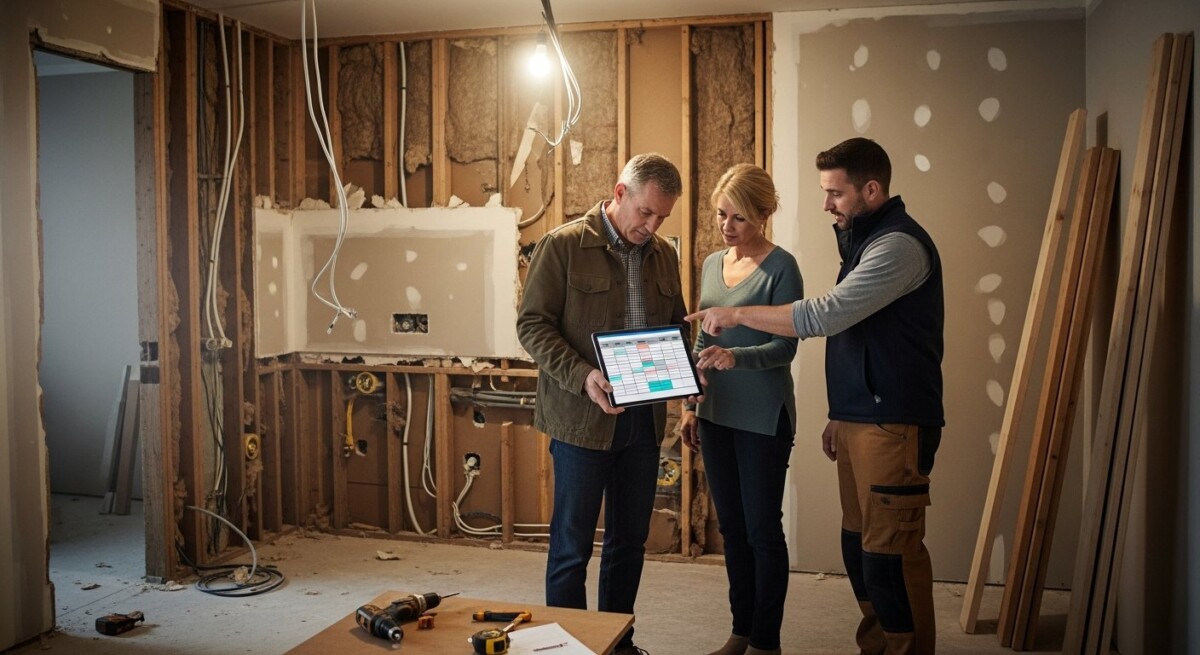
Most homeowners discover this challenge when they receive their first estimate. The price is often higher than expected because of hidden factors like structural issues, outdated wiring, or permit fees. Older homes, in particular, tend to reveal surprises once the walls are opened. Without a clear plan, these surprises can quickly blow your budget.
Homes built before 1980 are most affected by unexpected costs. They often have outdated systems that need upgrading to meet modern codes. However, even newer homes can present challenges if previous renovations were done poorly. Understanding these factors upfront helps you create a realistic budget from the start.
Why This Matters for Your Home
Ignoring renovation costs or delaying necessary repairs can lead to much bigger problems. A small leak under the sink can turn into extensive water damage and mold growth. An outdated electrical panel can become a safety hazard. Every month you wait, the repair cost increases and the risk to your family grows.
Your home is likely your largest investment. Protecting its value means addressing issues early and maintaining the systems that keep it safe and comfortable. A well-planned renovation not only improves your daily life but also increases your property value when it comes time to sell. Smart spending today saves you from expensive emergencies tomorrow.
Comfort is another reason to act. Drafty windows, poor insulation, and worn flooring make your home less enjoyable. These problems also waste energy, driving up your monthly utility bills. By tackling renovations strategically, you can improve comfort and save money on energy costs at the same time.
If you notice signs of this issue in your home, it may help to speak with a qualified contractor. Request a free quote or call (855) 555-1234 to explore your repair or remodeling options.
Common Problems Homeowners Experience
Many homeowners start a renovation project only to discover problems they did not expect. For example, you might plan to install new kitchen cabinets, but once the old ones are removed, you find water damage behind the wall. This forces you to spend extra money on repairs you had not budgeted for.
Another common issue is underestimating the cost of materials. Prices for lumber, tile, and fixtures have risen in recent years. Without shopping around and comparing options, you may pay more than necessary. Similarly, labor costs vary widely by region and contractor experience, so getting multiple quotes is essential.
Here are some of the most frequent problems homeowners face when trying to control renovation costs:
- Discovering hidden structural damage like rot, termites, or mold during demolition
- Encountering outdated wiring or plumbing that must be brought up to code
- Choosing materials that look good but are not durable, leading to early replacement
- Hiring the first contractor without comparing quotes or checking references
- Changing your mind mid-project, which causes delays and extra charges
- Skipping permits to save money, only to face fines or issues when selling the home
How Professionals Solve the Problem
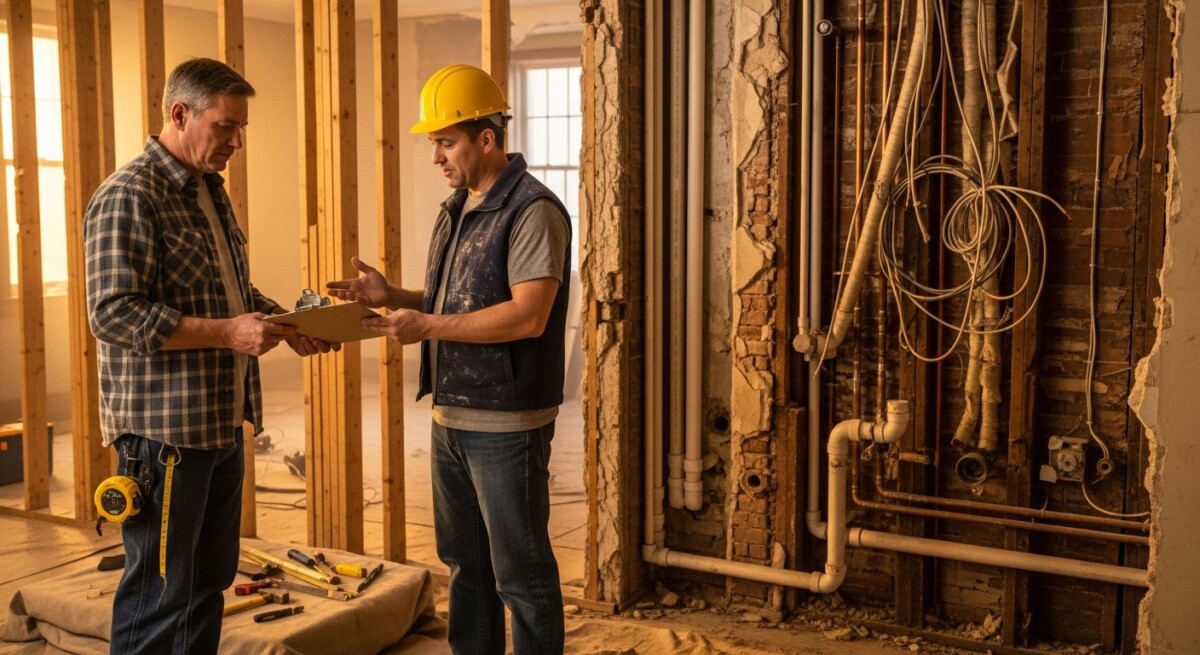
Experienced contractors know how to keep a project on budget without sacrificing quality. They start with a thorough inspection of your home to identify potential issues before work begins. This upfront assessment helps you avoid costly surprises later. A professional also has relationships with suppliers, which can mean discounts on materials that you cannot get on your own.
Contractors follow a structured process to ensure efficiency and accuracy. Here is what a typical professional renovation looks like:
- Initial consultation and inspection. The contractor visits your home, discusses your goals, and checks the condition of the area to be renovated.
- Detailed written estimate. You receive a clear breakdown of all costs, including materials, labor, permits, and any potential contingency fees.
- Project planning and scheduling. The contractor orders materials, secures permits, and sets a timeline that minimizes disruption to your daily life.
- Professional execution. Work is done by skilled tradespeople who follow safety standards and building codes. The contractor manages the crew and coordinates all trades.
- Final walkthrough and cleanup. Once the work is complete, you inspect the results, and the contractor ensures everything meets your expectations.
Professional work is safer and more reliable than DIY fixes. A contractor carries insurance that protects you if something goes wrong. They also guarantee their work, so if an issue arises later, they will fix it at no extra cost. This peace of mind is worth the investment.
A professional inspection can reveal hidden issues before they become expensive repairs. Compare contractor quotes here or call (855) 555-1234 to discuss your project.
Warning Signs You Should Not Ignore
Your home often gives you clues that a renovation or repair is needed. Paying attention to these signs early can save you thousands of dollars. Ignoring them will only make the problem worse and the eventual repair more expensive. Walk through your home regularly and look for changes that seem out of the ordinary.
If you notice any of these warning signs, it is time to start planning. Early action prevents minor issues from turning into major structural problems. Even if you are not ready to renovate fully, having a professional inspect the area can help you budget for future work.
Here are warning signs that suggest repairs or renovations may be needed soon:
- Water stains on ceilings or walls, indicating a leaky roof or pipe
- Peeling paint or wallpaper, which can signal moisture problems
- Musty odors or visible mold, especially in basements or bathrooms
- Drafty windows or doors that make your home uncomfortable and raise energy bills
- Creaky floors or sagging ceilings, which may indicate structural issues
- Outdated fixtures that are hard to find replacement parts for
What Affects the Cost of Repairs or Installation
Several factors influence how much a renovation will cost. Understanding these can help you make informed decisions and avoid overspending. The size of the project is the most obvious factor. A full kitchen remodel costs more than a simple paint job because it involves more labor and materials. However, even small projects can be expensive if they require specialized skills or hard-to-find components.
Material quality also plays a big role. Solid hardwood flooring costs more than laminate, but it lasts longer and adds more value to your home. Similarly, custom cabinets are pricier than stock options. Your contractor can help you find a balance between quality and cost that fits your budget. Accessibility matters too. A bathroom on the second floor is harder to work on than one on the ground level, which can increase labor costs.
The age of your home is another key factor. Older homes often have non-standard sizes, outdated wiring, or asbestos that must be handled carefully. These issues require extra time and expertise, which increases the overall cost. In our guide on average cost of home renovation projects, we explain how to estimate these expenses accurately.
Costs can vary depending on the condition of your home. The best way to know the price is to get a personalized estimate. Request free quotes from contractors or call (855) 555-1234 today.
How to Choose the Right Contractor
Finding the right contractor is one of the most important steps in keeping your renovation on budget. A good contractor will give you a fair price, complete the work on time, and communicate clearly throughout the project. A bad contractor can cause delays, cost overruns, and stress. Take your time to research and compare options before making a decision.
Start by asking friends and neighbors for recommendations. Then search online and read reviews on trusted platforms. Once you have a shortlist, contact each contractor and ask for a detailed written estimate. Do not accept verbal quotes, as they leave room for misunderstanding. A written estimate protects both you and the contractor.
Here are tips for selecting a contractor you can trust:
- Check licenses and insurance. Confirm the contractor is licensed in your state and carries liability insurance and workers’ compensation.
- Read customer reviews. Look for patterns in feedback about communication, timeliness, and quality of work.
- Ask for detailed estimates. The estimate should list labor, materials, permits, and any potential extra costs.
- Compare multiple quotes. Get at least three estimates to understand the market rate and avoid overpaying.
- Confirm experience with similar projects. A contractor who specializes in kitchens may not be the best choice for a roofing job.
Long-Term Benefits of Professional Work
Investing in professional renovations pays off in many ways over time. First, you gain safety and peace of mind knowing that all work meets building codes and industry standards. This is especially important for electrical, plumbing, and structural projects where mistakes can lead to fires, floods, or collapses. Professional work protects your family and your home.
Durability is another major benefit. Professional contractors use high-quality materials and proven techniques that last for years. You will not have to repair or replace the work anytime soon. This reduces your long-term maintenance costs and saves you from the hassle of repeated fixes. Energy efficiency also improves when renovations are done correctly, lowering your monthly utility bills.
p>Finally, professional renovations increase your home’s resale value. Buyers are willing to pay more for a home that has been updated by licensed professionals with permits. When you eventually sell, you will recoup a significant portion of your investment. For a full breakdown of typical expenses, see our home renovation cost breakdown guide.
What is the best way to save money on a home renovation?
The best way to save money is to plan carefully, get multiple quotes from contractors, and avoid making changes once the project starts. Stick to your original plan and choose mid-range materials that offer good durability without the premium price tag.
Can I do some work myself to reduce costs?
Yes, but only if you have the skills and tools to do the job safely. Simple tasks like painting, demolition, or cleaning can be done by homeowners. Leave complex work like electrical, plumbing, and structural changes to licensed professionals to avoid costly mistakes.
How many quotes should I get before hiring a contractor?
You should get at least three detailed written quotes from different contractors. This helps you understand the fair market price for your project and gives you leverage to negotiate. Be wary of quotes that are much lower or much higher than the others.
What should be included in a contractor’s estimate?
A good estimate includes the cost of materials, labor, permits, cleanup, and a timeline for completion. It should also specify the payment schedule and any warranty information. Avoid contractors who give vague or verbal estimates.
Is it cheaper to renovate in the winter?
In many regions, winter is the off-season for contractors, so you may find lower rates. However, weather can cause delays, and some outdoor projects may not be possible. Ask contractors if they offer seasonal discounts and plan accordingly.
How can I avoid unexpected costs during a renovation?
Set aside a contingency fund of 10 to 20 percent of your total budget for surprises. Have the contractor inspect the area thoroughly before starting. Avoid changing your mind about materials or design once work is underway.
Do I need permits for my renovation?
Most major renovations require permits from your local building department. Permits ensure the work meets safety codes and protects you when you sell the home. Your contractor should handle the permit process as part of their service.
How long does a typical home renovation take?
Timelines vary widely depending on the scope of work. A bathroom remodel might take two to four weeks, while a full kitchen renovation can take six to eight weeks. Larger projects like a basement finish or addition can take several months. Your contractor should provide a realistic schedule upfront.
Reducing home renovation costs is possible when you approach the project with a clear plan and the right team. Start by identifying the issues in your home, get professional advice, and compare quotes from qualified contractors. Taking action early prevents small problems from becoming expensive emergencies. Whether you need a simple repair or a full remodel, the smartest money you spend is on a thorough inspection and a detailed estimate. Compare contractor quotes today to see how affordable your dream renovation can be.