The Smart Home Project Budgeting Tool for Accurate Planning
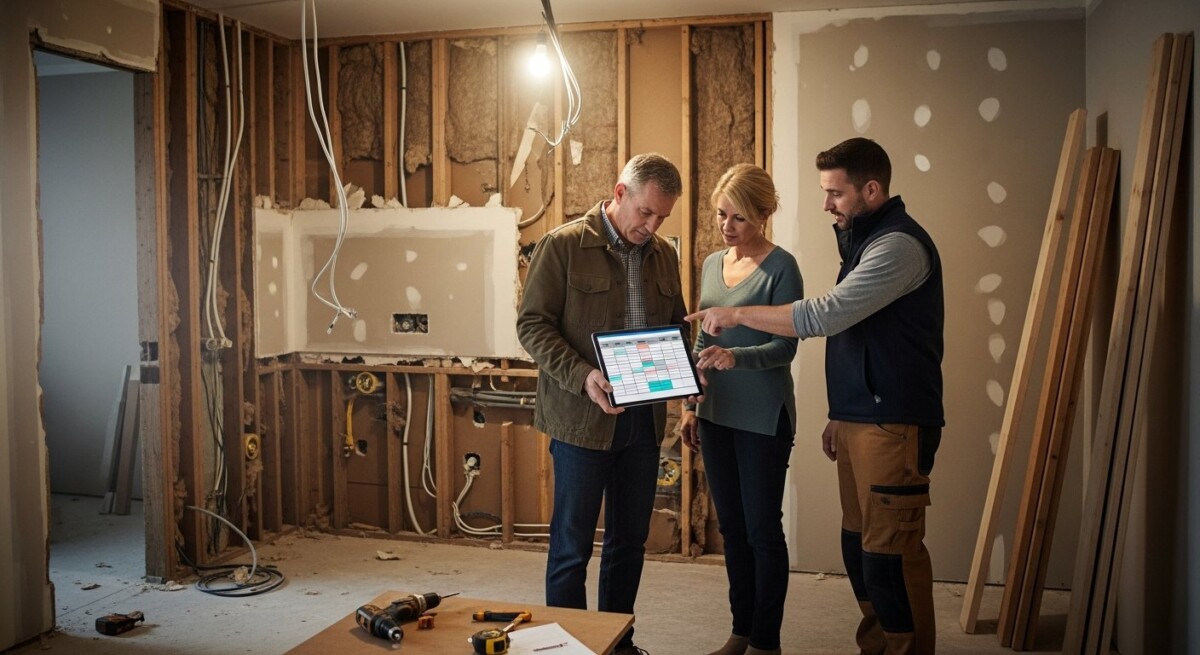
You finally decide to remodel the kitchen or finish the basement. You start adding up material costs, labor, and permits. Before you know it, the total looks much higher than expected. Many homeowners discover this stress when they try to plan a project without a reliable home project budgeting tool. Without a clear budget, costs creep up, timelines slip, and you may end up pausing the work mid-project. Ignoring the need for a structured budget can lead to unfinished spaces, wasted money, and added stress.
Understanding home project budgeting tool
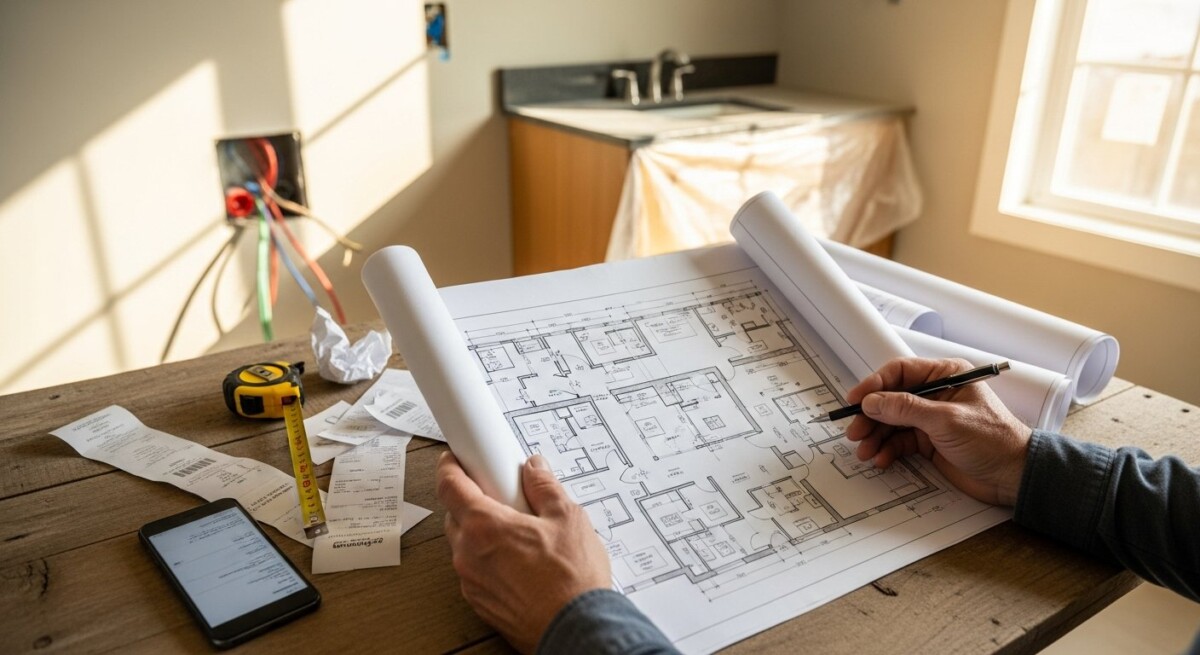
A home project budgeting tool is a simple system,often an online calculator, spreadsheet, or software,that helps you estimate costs for materials, labor, permits, and unexpected expenses. It gives you a realistic picture before you spend a dollar. Think of it as a financial blueprint for your renovation or repair.
Why do homeowners need this? Most people underestimate project costs by 20% to 30%. Surprises like old wiring, hidden mold, or rising lumber prices quickly blow a budget. Homes built before 1980 often hide outdated systems that require upgrades during renovations, making accurate budgeting even more critical.
Why This Matters for Your Home
Skipping proper budgeting puts your home and wallet at risk. You might run out of money halfway through a bathroom remodel, leaving you with a gutted room and no shower. That delay can lead to water damage, mold growth, and structural issues that cost thousands more to fix.
Safety also suffers. A tight budget may tempt you to use cheaper, unlicensed labor or skip necessary permits. Faulty electrical work, improper plumbing, or weak structural supports can endanger your family. A solid budget ensures you hire qualified professionals who follow code and protect your property.
Comfort and home value also take a hit. An unfinished basement or dated kitchen lowers resale appeal. By planning costs accurately, you invest in upgrades that boost livability and long-term equity.
If you notice signs of this issue in your home, it may help to speak with a qualified contractor. Request a free quote or call (800) 123-4567 to explore your repair or remodeling options.
Common Problems Homeowners Experience
Without a budgeting tool, homeowners often face the same frustrating problems. They buy materials on impulse, forget to account for delivery fees, or choose finishes that push them over budget. Soon, the project stalls because funds run out.
These issues show up in real homes every day. A family starts a deck build in spring, runs out of money by summer, and leaves exposed wood to rot in the rain. Another homeowner orders custom cabinets without measuring correctly, then pays extra for modifications.
- Visible damage: peeling paint, cracked drywall, or rotting wood from stalled projects
- Performance problems: poor drainage, weak electrical circuits, or inefficient HVAC after cheap fixes
- Structural concerns: sagging floors or leaning walls from skipped foundation work
- Aging materials: outdated wiring, corroded pipes, or worn roofing that wasn’t budgeted for replacement
- Change-order surprises: contractors charge extra for unforeseen issues because no contingency was planned
- Financing stress: homeowners take high-interest loans or max out credit cards to cover overruns
How Professionals Solve the Problem
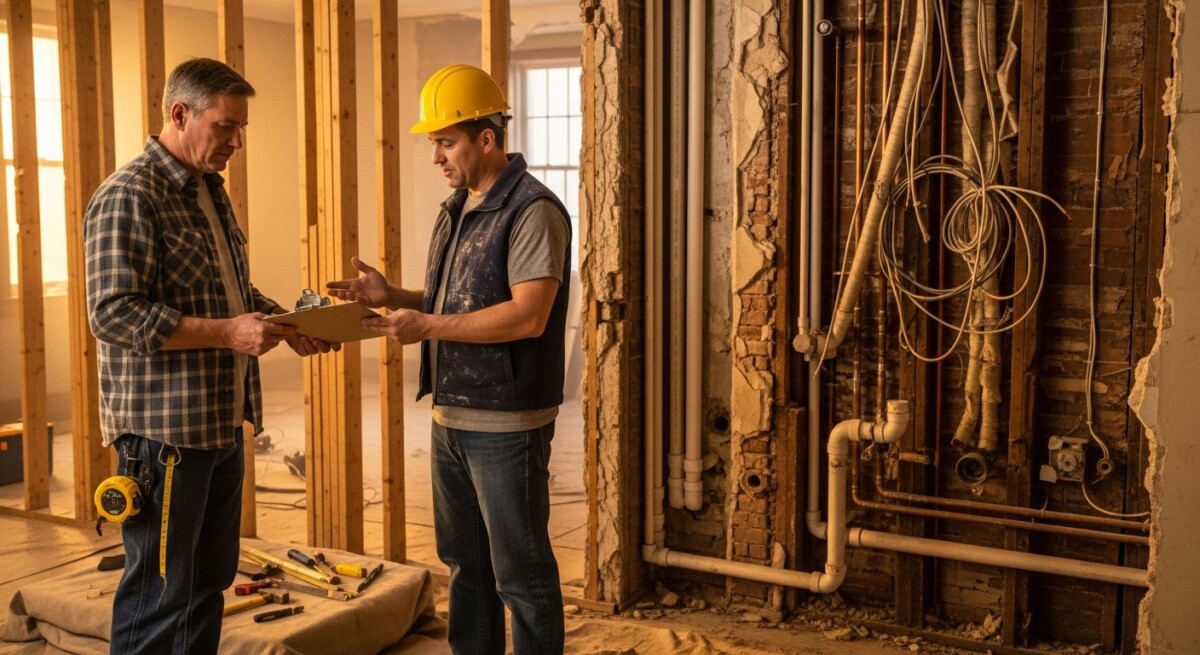
Experienced contractors bring more than tools,they bring a reliable cost-estimation process. They start with a detailed walkthrough, measure the space, and identify potential hidden issues like knob-and-tube wiring or asbestos tile. This upfront inspection prevents surprises later.
Professionals also use industry-standard pricing databases and relationships with suppliers to give accurate quotes. They break down costs into clear categories: materials, labor, permits, dump fees, and a 10,15% contingency. This transparency helps you see exactly where your money goes.
- Initial consultation and site inspection to assess current conditions
- Detailed scope of work written in plain language
- Itemized estimate with material grades, labor hours, and timeline
- Permit application and scheduling of inspections
- Phased work with progress payments tied to milestones
- Final walkthrough and warranty documentation
DIY budgeting often misses critical line items. Professionals know that a kitchen remodel includes not just cabinets and countertops but also underlayment, shims, adhesive, and dumpster rental. Their experience ensures your budget covers everything.
A professional inspection can reveal hidden issues before they become expensive repairs. Compare contractor quotes here or call (800) 123-4567 to discuss your project.
Warning Signs You Should Not Ignore
Your home often gives clues that your budget is too tight or your plan is incomplete. If you find yourself cutting corners on materials or skipping steps, it’s a red flag. Likewise, if a contractor gives a vague estimate without line items, proceed with caution.
Early recognition saves you from costly mistakes. A homeowner who spots a small roof leak early can budget for a $500 repair. Waiting until water stains appear on the ceiling turns that leak into a $5,000 job involving drywall replacement and mold remediation.
- You receive multiple verbal quotes but no written breakdown
- Materials you ordered don’t match the original plan
- You keep adding “small” extras without recalculating the total
- The timeline keeps stretching because funds are low
- A contractor asks for a large upfront payment before work starts
- You feel pressure to make quick decisions without comparing options
What Affects the Cost of Repairs or Installation
Several factors influence the final price of any home project. The size of the area matters most,a 50-square-foot bathroom costs less than a 200-square-foot master bath. Material choices also drive costs: ceramic tile runs cheaper than natural stone, and laminate flooring costs less than hardwood.
Labor rates vary by region and trade. A licensed electrician charges more than a handyman, but the safety and code compliance are worth the difference. Accessibility plays a role too,a second-story roof replacement costs more than a single-story job because of scaffolding and safety gear.
Age of the home adds another layer. Older houses often require bringing systems up to current code, which adds permit fees and material upgrades. A 1950s home may need new electrical panels, copper plumbing, or lead-paint abatement. These costs are predictable with a proper budgeting tool.
Costs can vary depending on the condition of your home. The best way to know the price is to get a personalized estimate. Request free quotes from contractors or call (800) 123-4567 today.
How to Choose the Right Contractor
Picking the right contractor is as important as setting the right budget. A reliable pro gives you confidence that your money is well spent. Start by asking friends and neighbors for referrals, then check online reviews on platforms like Google and Better Business Bureau.
Always verify licenses and insurance before signing a contract. A licensed contractor has passed exams on building codes and business practices. Insurance protects you if a worker gets injured on your property or if something gets damaged during the project.
- Check state and local license requirements for your trade
- Ask for proof of general liability and workers’ compensation insurance
- Read recent reviews on third-party sites, not just the contractor’s website
- Request at least three detailed written estimates from different pros
- Confirm the contractor has completed at least two projects similar to yours
Comparing multiple quotes helps you spot outliers,either too low (cutting corners) or too high (inflated overhead). A fair quote includes a clear scope, material list, payment schedule, and warranty terms. Trust your gut: if something feels off, keep looking.
Long-Term Benefits of Professional Work
When you invest in professional installation or repair, you buy peace of mind. Work done right the first time lasts longer and performs better. A properly installed roof keeps your home dry for 20+ years, while a shoddy job may leak within five.
Energy efficiency improves with professional work. Properly sealed windows, insulated walls, and efficient HVAC systems lower monthly utility bills. Over a decade, those savings can offset the initial cost of quality materials and labor.
Home value gets a real boost. Buyers pay more for homes with updated kitchens, finished basements, and modern systems. A professional renovation recovers 60,80% of its cost at resale, according to industry studies. That makes your budgeting tool not just a planning aid,it’s an investment in your home’s future.
What is the best free home project budgeting tool?
Several free options exist, including spreadsheets, online calculators, and apps like HomeAdvisor’s True Cost Guide. The best tool is one that matches your project type and lets you enter local prices for materials and labor. Many homeowners start with a simple spreadsheet and later upgrade to specialized software for larger remodels.
How do I create a renovation budget from scratch?
Start by listing every room or area you plan to renovate. Research average costs for materials, labor, permits, and disposal in your area. Add a 15% contingency fund for unexpected issues. Use a home project budgeting tool to organize these numbers and adjust as you get real quotes from contractors.
What percentage of my renovation budget should go to labor?
Labor typically accounts for 20% to 40% of total costs, depending on the trade and complexity. Skilled work like electrical or plumbing often runs higher, while demolition and painting are lower. A detailed estimate from a contractor will break this down for your specific project.
Can I use a budgeting tool for small repairs like fixing a leaky faucet?
Yes, even small projects benefit from a budget. A simple tool helps you compare the cost of DIY materials versus hiring a plumber. It can also remind you to factor in trip charges and potential part replacements, so you don’t get surprised by the final bill.
Why do my contractor’s quotes vary so much?
Quotes vary because each contractor includes different materials, labor rates, overhead, and profit margins. One may use premium fixtures while another uses builder-grade. Comparing itemized quotes side by side helps you see what you’re paying for and choose the best value.
How do I handle unexpected costs during a project?
Build a 10,15% contingency into your initial budget. If an issue arises,like rotten subfloor or outdated wiring,use that fund instead of pausing the project. If no surprises occur, you can apply the leftover money to upgrades or future maintenance.
What if I can’t afford the full renovation at once?
Consider phasing the project. Finish one room or system completely before starting the next. A budgeting tool helps you plan each phase’s cost and timeline. Some homeowners also explore financing options like home equity loans or contractor payment plans.
Should I trust online cost calculators?
Online calculators provide useful ballpark figures, but they can’t account for your home’s unique conditions. Use them as a starting point, then get at least three local quotes. A professional contractor will give you the most accurate estimate based on an in-person inspection.
Your home deserves a plan that protects your time, money, and peace of mind. Using a home project budgeting tool helps you start strong and finish without surprises. The most successful homeowners get multiple quotes, compare costs, and work with licensed professionals. Before you break ground or swing a hammer, take the time to budget wisely. Compare contractor quotes online or call today to get started.