
Natural Disaster Home Prep: Contractor Checklist
Use this contractor checklist to reinforce your home, document upgrades, and vet emergency pros. Call (833)-211-1668 for expert assistance.

By Claire Shaw
Learn more about General Contracting for guides, costs, and what to expect.
Compare General Contracting Pros Near You

Enter your ZIP code to compare top-rated local professionals and request free quotes.
When a hurricane warning, wildfire evacuation order, or severe storm watch flashes across your phone, the scramble to protect your home often begins too late. The most effective time to prepare is long before the first siren sounds. A structured, contractor-informed approach to preparing your home for natural disasters turns a frantic last-minute rush into a series of manageable, planned upgrades. This contractor checklist helps you prioritize reinforcements, hire the right trades, document your work for insurance benefits, and vet emergency repair professionals before you ever need them. The result is a more resilient home, a smoother insurance claim, and a faster recovery when the unexpected hits.
Why Proactive Contractor-Led Preparation Beats Reactive Repair
Most homeowners think about disaster prep in terms of emergency kits and evacuation routes. Those are essential, but the physical structure of your home is your largest financial asset. Wind, water, and seismic forces exploit the weakest points in a building envelope. A contractor-led assessment identifies those vulnerabilities and addresses them with code-compliant, durable solutions. Reactive repairs after a disaster often cost significantly more, face long wait times due to contractor shortages, and may not be covered fully by insurance if maintenance was deferred.
Working with licensed professionals during the calm season means you get competitive bids, scheduling flexibility, and the ability to phase improvements based on your budget. It also creates a paper trail that insurers love. Documented, permitted upgrades can translate into premium discounts or endorsements that reduce your out-of-pocket costs after a loss. Preparing your home for natural disasters with a contractor checklist is not just about physical resilience; it is a financial strategy that protects your equity and your peace of mind.
Before hiring any specialist, it helps to understand how to compare bids and verify credentials. A reliable starting point is to get free contractor quotes now for your home project, which lets you gather multiple estimates and vet local pros side by side. That same vetting discipline applies whether you are reinforcing a roof or hiring a foundation expert.
Roof Reinforcements: Your First Line of Defense
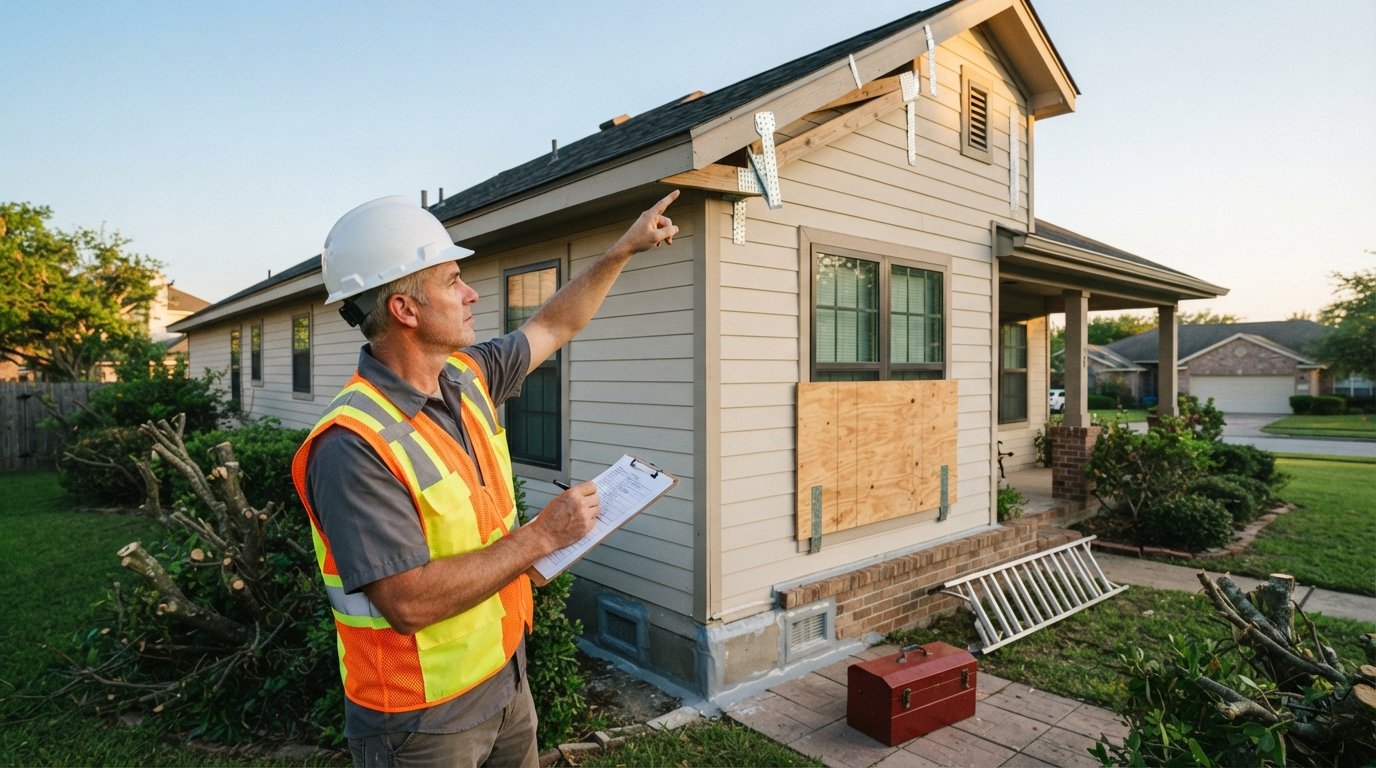
The roof is the most vulnerable component in high-wind and hail events. Standard asphalt shingles are rated for specific wind speeds, but the weakest link is often the roof-to-wall connection and the underlayment. A qualified roofing contractor can assess your roof deck, inspect the sheathing attachment, and recommend a reinforcement plan. In hurricane-prone zones, this may include a secondary water barrier, upgraded fasteners, and hurricane straps that tie the roof structure to the wall framing. In wildfire areas, Class A fire-rated roofing materials and ember-resistant vents are priorities. In hail regions, impact-resistant shingles (Class 4) can qualify for insurance discounts.
Which trade handles this? A licensed roofing contractor, ideally one with experience in your specific climate risks. Ask for proof of manufacturer certifications, because many shingle warranties require certified installation. The contractor should also verify that your attic ventilation is balanced; poor ventilation can contribute to deck deterioration and undermine reinforcement efforts. For a deeper dive into selecting a roofer, see our guide on Contractor.Homes, which offers educational resources and a free quote request system for roofing and other resilience upgrades.
Budgeting for roof reinforcement varies widely. Simple strap retrofits can cost a few hundred dollars, while a full roof replacement with impact-rated materials may run several thousand. Your contractor checklist should include a written scope, manufacturer product data, and photos of the completed work. These documents become valuable when you file an insurance claim or apply for a premium discount.
Window and Door Hardening: Sealing the Envelope
Windows and doors are frequent failure points during storms. Flying debris can shatter glass, and even moderate winds can force water through poorly sealed frames. Impact-rated windows and storm shutters are the gold standard in hurricane zones, but there are budget-friendly alternatives. A window and door contractor can install laminated glass, reinforced frames, and proper flashing. For older homes, retrofitting with plywood shutters is a temporary measure, but permanent roll-down or accordion shutters offer better protection and may lower insurance premiums.
The trade you need here is a window and door installation specialist. Ensure they are licensed and carry both liability and workers compensation insurance. Ask about the product's design pressure (DP) rating, which indicates how much wind load the assembly can withstand. Also, confirm that the installation follows the manufacturer's instructions, because improper flashing is a leading cause of water intrusion. For a full checklist of what to verify, our resource on finding free contractor quotes in Chicago provides a useful framework for comparing bids and credentials, even if you are not in that market.
Doors deserve equal attention. Garage doors are especially vulnerable to wind pressure. A garage door contractor can install a reinforcement kit or replace the door with a wind-rated model. Entry doors should have impact-rated glass and secure locking mechanisms. Document all upgrades with photos and receipts; many insurers offer discounts for verified wind mitigation features.
Foundation and Structural Retrofits: Anchoring Against Earth and Water
Foundations face different threats depending on geography. In seismic zones, the goal is to anchor the house to the foundation and prevent cripple wall collapse. A foundation contractor can install anchor bolts, plywood shear panels, and seismic gas shutoff valves. In flood-prone areas, elevation, waterproofing membranes, and sump pumps are critical. In areas with expansive clay soils, proper drainage and root barriers prevent foundation movement. Each of these requires a specialist: a structural engineer for assessment, a foundation repair contractor for execution, and sometimes a geotechnical engineer for soil analysis.
Your contractor checklist should begin with a structural assessment. The contractor should provide a written report with photos and prioritized recommendations. Permits are often required for structural retrofits, so confirm the contractor will pull them. Unpermitted work can complicate insurance claims and resale. Budget for engineering fees, permit costs, and construction separately. In earthquake country, retrofit grants or tax incentives may be available; ask your contractor if they are familiar with local programs.
Waterproofing is another foundation-related task that pays dividends. A waterproofing contractor can apply membranes, install French drains, and regrade soil to direct water away from the foundation. This is especially important before hurricane season or heavy spring rains. Document the work with a narrative and photos, and keep the receipts with your insurance file.
Which Trades Handle Each Resilience Upgrade
One of the most common questions homeowners ask is who to call for each specific task. The following list maps common disaster-resilience upgrades to the appropriate licensed trade. Use this as a quick reference when building your contractor checklist.
- Roof reinforcement and replacement: Licensed roofing contractor with manufacturer certifications.
- Window and door hardening: Window and door installation specialist, or a general contractor for whole-house envelope upgrades.
- Foundation and seismic retrofits: Foundation repair contractor working under a structural engineer's plan.
- Waterproofing and drainage: Waterproofing contractor or a landscape contractor with drainage expertise.
- Emergency board-up and water extraction: Restoration contractor with 24/7 emergency response.
Always verify licenses, insurance, and references before signing a contract. For larger projects, consider hiring a general contractor who can coordinate multiple trades and ensure the work meets code. A general contractor also helps sequence the work so that one upgrade does not compromise another, such as installing new windows before reinforcing the roof-to-wall connections.
Documenting Improvements for Insurance Discounts
Insurance companies reward verified resilience. Wind mitigation inspections, flood elevation certificates, and seismic retrofit certifications can lead to premium reductions. Your contractor should provide a detailed invoice, product specifications, permits, and before-and-after photos. Keep these records in a fireproof safe and a cloud backup. When you apply for discounts, submit the documentation with your policy renewal or endorsement request. Some insurers require a specific inspection form; ask your agent which forms they accept before the work begins so your contractor can capture the right evidence.
Documentation also matters during a claim. If a storm damages your roof, proof of recent reinforcement can help substantiate that the damage was due to the event, not deferred maintenance. A well-organized file speeds up the adjuster's review and reduces the risk of a denial. Create a home resilience binder with sections for each upgrade, including contracts, permits, inspection reports, and warranty information. Update it annually and after any major purchase.
Vetting Emergency Repair Contractors Before Storm Season
After a disaster, out-of-state contractors flood affected areas. Most are legitimate, but some are storm chasers who demand large deposits, perform shoddy work, and disappear. The time to vet emergency repair contractors is now, not when your roof is tarped and your driveway is full of debris. Start by identifying two or three restoration companies with local offices, verifiable licenses, and positive reviews. Ask about their emergency response protocols, insurance, and subcontractor vetting process. Get a written estimate for a hypothetical emergency, such as board-up and water extraction, so you understand their pricing structure.
During an emergency, follow these contractor checklist steps: never pay the full amount upfront, insist on a written contract with a detailed scope, verify the license number with the state, and avoid anyone who pressures you to sign immediately. Photograph all damage before work begins. Keep a separate emergency fund for deductibles and immediate repairs. If you have pre-vetted a restoration contractor, you can skip the scramble and get on their priority list.
For non-emergency resilience upgrades, use a quote comparison platform to gather multiple bids and check credentials. FreeQuotes.Contractors connects homeowners with pre-vetted local contractors for roofing, windows, foundation work, and more. You can request free, no-obligation quotes and compare scope, price, and timeline side by side. This simplifies the process of preparing your home for natural disasters and ensures you are hiring qualified professionals, not just the first name in the phone book.
Preparing your home for natural disasters is a marathon, not a sprint. Start with a professional assessment, prioritize the upgrades that address your region's most likely threats, document everything, and build a bench of trusted contractors before you need them. Your future self, facing a storm warning with confidence instead of panic, will thank you.